Foreign Children in Polish Schools: Free Language Support Explained
Short answer: Polish education law gives foreign children the same access to public schools as citizens, plus free support if their Polish is weak: up to 24 months of Polish lessons, 12 months with an aide in their language, 12 months of catch-up classes and, where organized, a preparatory class. Parents pay nothing.
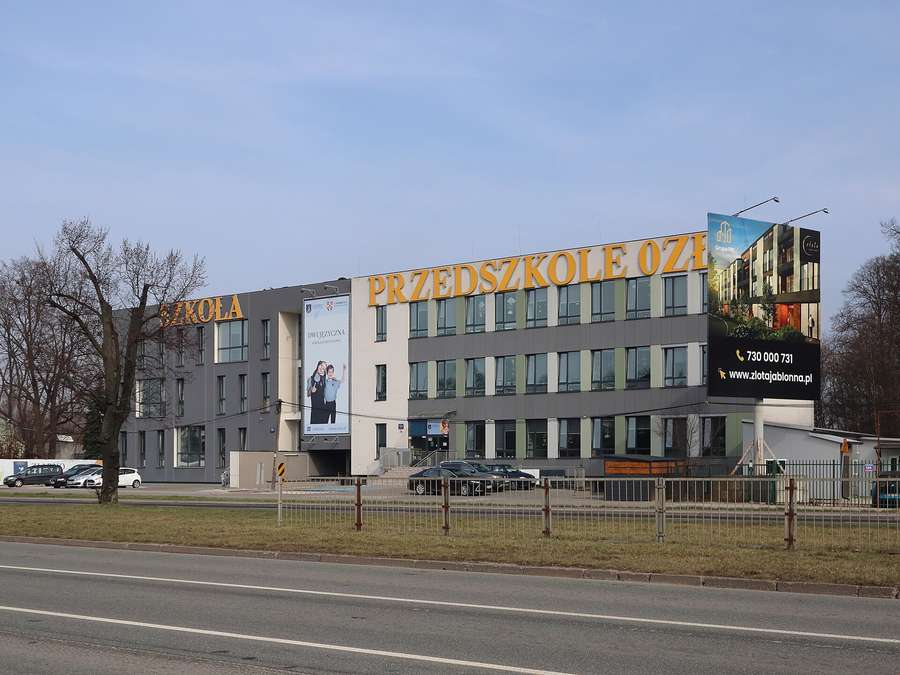
If your child does not speak Polish, a Polish public school cannot simply leave them to sink. The education law, the prawo oświatowe, gives foreign children a package of free support: extra Polish lessons, a classroom aide who speaks their language, catch-up classes and, in some schools, a dedicated preparatory class. Here is what the law says as of 14 October 2026, based on the current consolidated text (Dz.U. 2026 poz. 820).
The right to a public school place comes first
Children who are not Polish citizens use public kindergartens and schools on the same conditions as Polish citizens. The school obligation applies to them in the same way, and in public upper-secondary schools they study on Polish-citizen terms until they turn 18 or finish school. Your local council school, the one for your catchment area, is the default: enrolment works the same way as for any resident child, and the lack of Polish is not a legal reason to turn a child away. Where an influx of non-Polish-speaking children would force a school to reorganise, the council may direct the child to another designated public school instead.
Free Polish lessons for up to 24 months
A child who does not know Polish, or knows it too little to follow lessons, has the right to additional, free Polish-language teaching for up to 24 months. The body that runs the school, usually the council, must organise it. These are dedicated extra lessons on top of the normal timetable, and they are a right, not a favour: if the school does not offer them, ask the council education department directly. The same right applies to Polish-citizen children who return from abroad without enough Polish, so returning expat families can use it too. From 1 September 2027 these lessons will follow a national core curriculum, which should make them more consistent across schools.
A classroom aide in your child's language
For up to 12 months the child also has the right to help from a person who speaks the language of their country of origin, employed by the head teacher as a teacher's aide. This person sits in on lessons, explains instructions and helps the child bridge into Polish-language teaching. Schools may additionally employ an intercultural assistant, who supports the child in everyday school life and works with parents. In practice the availability of aides depends on whether suitable speakers can be hired locally; common languages are easier to cover than rare ones, so ask the school early.
Catch-up classes and the preparatory class
On top of language lessons, the council can organise extra catch-up classes in school subjects for up to 12 months. Some schools go further and run an oddział przygotowawczy, a preparatory class: a separate small group where children follow the core curriculum at an adjusted pace with intensive Polish. A preparatory class runs until the end of the school year in which the child joined it, and it can be shortened or extended by up to one more year depending on the child's progress. With the council's consent, a child from another school can attend a preparatory class elsewhere. Preparatory classes are not run in art, special, adult or post-secondary schools.
Keeping the home language
The law also protects the child's own language and culture. An embassy, consulate or a cultural-educational association from the child's country of origin can organise lessons of that language and culture inside the school, in agreement with the head teacher and with the council's consent, and the school must provide rooms and teaching aids free of charge. Ask your country's embassy whether such a programme already exists in your city.
How to claim the support
Enrol your child in the catchment school first, then put your request in writing to the head teacher: additional Polish lessons under article 165, a language-speaking aide if available, and catch-up classes where needed. The school and council organise and fund the support; parents pay nothing. If the school says no budget or no staff exists, escalate to the council's education department and, if needed, the regional school superintendent, the kurator, who can designate a school when a council cannot.
Frequently asked questions
### Can a public school refuse my child because they do not speak Polish?
No. Foreign children attend public schools on the same conditions as Polish citizens, and the law gives them free Polish lessons precisely because language is not a barrier to admission. In exceptional demographic situations the council may assign the child to a different designated public school, but it cannot refuse schooling.
How long does the free support last?
Additional Polish lessons: up to 24 months. A language-speaking classroom aide: up to 12 months. Catch-up classes in school subjects: up to 12 months. A preparatory class lasts until the end of the school year and can be extended by one more year.
Does this apply to private and international schools?
No. Article 165 covers public schools and kindergartens. Private and international schools set their own language-support policies and fees, which is one reason many expat families use a public school with the statutory support for the first years.