Nut and Seed Pastes in Poland: Peanut, Tahini and Pistachio
The essentials: Read the exact nut or seed and formulation: 100% peanut paste, a 90% peanut cream, sesame tahini, pure pistachio paste and 30% pistachio cream have different ingredients and recipe roles.
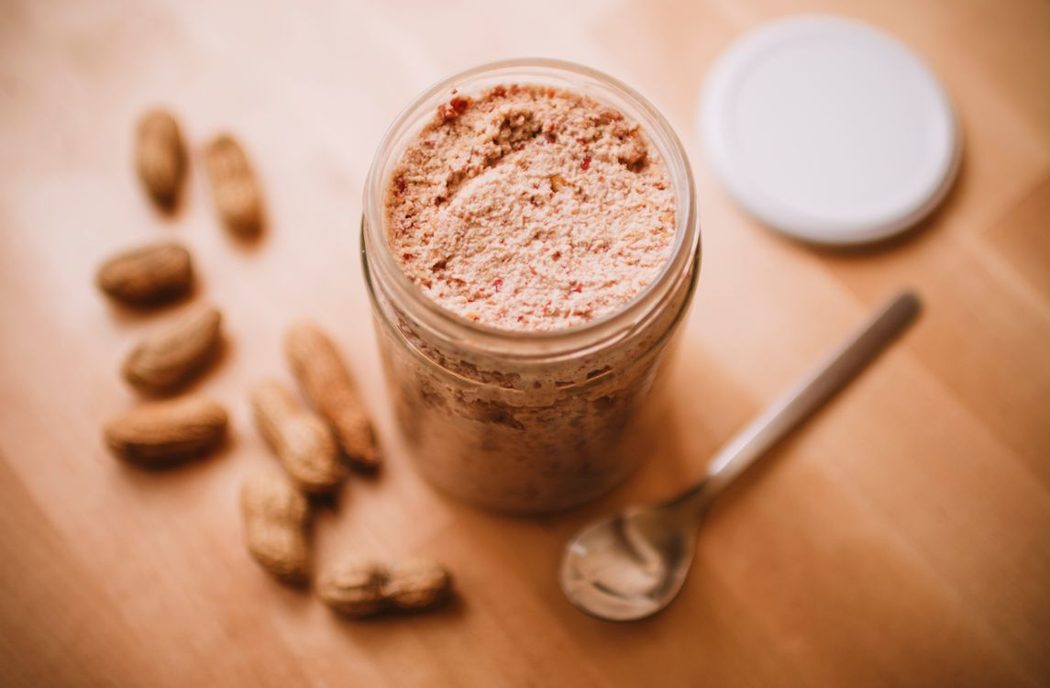
Cover: Adrianna CA, source photograph, Pexels License. Resized and JPEG-compressed. A jar of peanut butter with peanuts and a spoon. Illustrative ingredient context, not a cited Sante product or verified formulation.
A jar called masło orzechowe, pasta sezamowa or krem pistacjowy can be a cooking ingredient, a spread with several added ingredients or a product intended mainly for sweet dishes. The English words butter, paste and cream do not settle the formula. In Poland, the useful comparison is the actual nut or seed, its stated share, the other ingredients and the maker's suggested uses.
Five named products show the differences clearly: a 100% peanut product and a formulated peanut cream from Sante, sesame tahini and pure pistachio paste from KruKam, and a pistachio cream from Schronisko Bukowina. They are examples to read individually, not a ranking of every jar or a claim that one product can replace all the others in a recipe.
Start with the ingredient your recipe means
Write the nut or seed into your shopping note rather than saving only the word paste. A recipe asking for tahini is asking for sesame context, not simply any smooth pale spread. A recipe specifying pure pistachio paste is more precise than one asking for a sweet pistachio cream. Peanut smoothness is a separate question from whether the jar contains only peanuts.
The product name masło orzechowe is used on the actual Sante pages discussed here. This guide keeps that wording as a named shopping reference. It does not invent a legal category for the term, make a claim about dairy terminology or infer the whole formulation from the word masło. The ingredients of the selected jar remain the useful evidence.
A 100% peanut product is a specific starting ingredient
Sante's GO ON Nutrition smooth 900 g page describes the product as made from 100% peanuts with no added ingredients. The maker explicitly distinguishes no added sugar and no added salt from the naturally occurring sugars and salt it discusses in the product. For this shopping comparison, the relevant point is the peanut-only formulation, not a general claim about every product sold under a similar name.
If your recipe calls for a pure peanut paste and separately adds sweetness, salt or another fat, this is the kind of ingredient statement to investigate. It does not mean the guide has tested the jar in that recipe. It means the named formula leaves those other ingredient decisions to the recipe rather than building them into the spread in advance.
Smooth identifies the product's texture description. It is not evidence that every smooth peanut jar has the same ingredients, nor proof of a specific finished sauce consistency. Keep smooth and 100% as separate pieces of information. One tells you about the named product's ground texture; the other tells you its stated composition. Neither replaces the recipe's own requirements.
A formulated peanut cream has other choices built in
Sante's separate 350 g peanut product lists roasted peanuts 90%, vegetable oils comprising fully hydrogenated rapeseed oil, sunflower oil and rapeseed oil, followed by sugar and salt. Its description calls it a smooth peanut cream and suggests porridge, pancakes, sandwiches, crispbread and rice cakes. This is a concrete formulation with several ingredients, not another name for the peanut-only product above.
The oil wording matters. The source does not say simply that an unspecified vegetable oil appears, and it does not identify palm oil in this list. Keep the named ingredients rather than rewriting them into a familiar assumption about spreads. There is also no need to turn the oil description into a health verdict. The practical task here is to know which product you are buying.
For a sandwich, a formulated cream may be the product you intended. For a recipe that already balances peanut paste with its own sugar and salt, those added ingredients change the starting point. That does not establish a universal correction by spoonful or a guaranteed failure. It establishes why an online substitution between the two named jars deserves a deliberate decision rather than acceptance based only on brand and smooth texture.
Tahini is a sesame product, not a generic nut cream
KruKam's Pasta sezamowa Tahini 300 g is described as made entirely from hulled sesame seeds that are roasted and ground smooth. Its ingredient line names roasted, ground white sesame seed. These details identify the cited product: the seed, roasting and smooth paste format are all supported by the maker, rather than inferred from a serving photograph or an English translation.
The producer suggests hummus, dressings and sweet uses such as homemade halva. Those suggestions explain why the jar may appear in more than one recipe context. They do not make tahini a finished hummus or a ready-made sweet confection. If your shopping list asks for the paste as one ingredient, buy the paste and keep the rest of the recipe separate.
KruKam also says that sesame oil on the surface is natural and instructs the user to mix before use. That advice belongs to this named product. It is useful when reading the jar's expected handling, but it is not a blanket diagnosis of every unfamiliar change in every spread. Follow the actual product information rather than borrowing an explanation from a different jar.
Pure pistachio paste is another distinct base
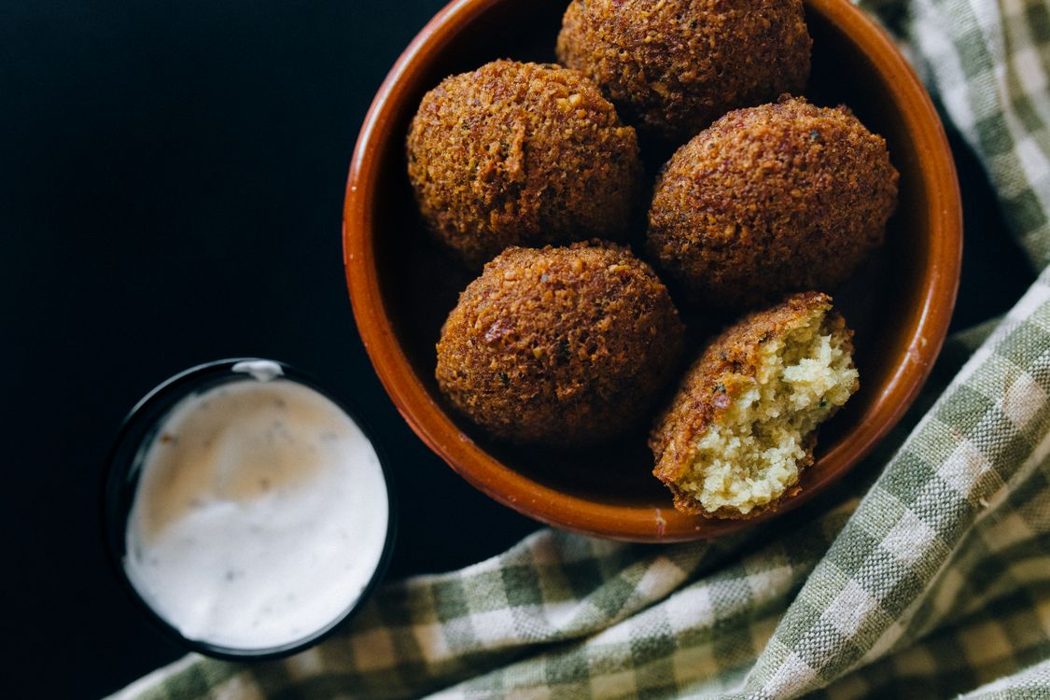
KruKam's Pasta z pistacji 150 g is described as 100% roasted pistachios ground into a smooth paste. The ingredient line names roasted, ground pistachios. The maker suggests uses in cake creams, cheesecakes, fillings, porridge, pancakes and savoury combinations. These are product-use ideas from the producer, not firsthand tests or exact recipes supplied by this article.
The point of the 100% statement is composition. It does not tell you the right amount for a particular cake, guarantee a colour match to an online photograph or establish the final sweetness of a dessert. If a recipe specifies pure pistachio paste, preserve that requirement rather than reducing the shopping note to pistachio flavour and choosing whichever green jar appears first.
The producer also describes oil appearing on the surface and says to mix before use. Keep that instruction attached to its paste, just as with the cited sesame product. Do not use it to invent storage periods or to generalise about every pistachio cream. A product-specific handling note is useful because it is specific, not because it can be stretched into an assurance about another formulation.
Pistachio cream can contain sugar, oil and milk
Schronisko Bukowina's Krem pistacjowy 200 g lists sugar, pistachio paste 30%, sunflower oil, skimmed milk powder, maltodextrin, sunflower lecithin as an emulsifier and salt. The detailed ingredient line specifies skimmed milk powder, while the descriptive paragraph uses the broader words milk powder. This guide uses the more detailed ingredient statement rather than treating the cream as pistachios alone.
The producer suggests the cream for cakes, desserts, bread, waffles and pancakes, among other uses. That positioning is useful if you want a prepared sweet spread or a dessert addition. It is a different starting ingredient from the 100% paste. The pistachio percentage does not provide an automatic conversion between the two because the cream also carries several other ingredients into the dish.
There is an inconsistency in the page's explanatory prose: it discusses the absence of stabilising artificial emulsifiers, while the detailed ingredient list explicitly names sunflower lecithin as an emulsifier. Do not simplify that into an unqualified emulsifier-free claim. The ingredient list is the concrete formulation used here, and the discrepancy is a reason to confirm the current jar rather than repeat promotional shorthand.
Texture and recipe role need separate decisions
A smooth paste, a spread and a cake filling are not automatically interchangeable just because all can be lifted with a spoon. First identify the exact ingredient the recipe expects. Then compare the actual product's texture description and use guidance. A maker's suggestion that a paste can go into a cake cream does not mean the paste is already the completed filling.
This matters especially when a recipe separates a nut paste from sugar, dairy ingredients or another fat. Choosing a prepared cream can introduce those ingredients earlier than intended. The guide cannot promise a universal substitution ratio, identical setting or identical baked results. When a recipe specifies a particular product type, keeping it is more reliable than attempting to undo an unnoticed formula change later.
Keep handling instructions with the exact jar
The Schronisko Bukowina page says to refrigerate after opening; its detailed information gives a temperature up to 5 degrees Celsius. That is a named product instruction, not a rule this guide applies to all peanut, sesame or pistachio pastes. Read the current jar for its own storage and use information, especially when moving between brands or between a pure paste and a formulated cream.
Do not infer a storage period from the absence of a date in this article. Nor does a short ingredient list establish individual dietary suitability. The comparisons here identify actual ingredients for cooking and shopping; they do not give allergy-safety assurances or make medical recommendations. Keep any dietary checks separate and use the exact current product label and relevant producer information.
Make the next purchase repeatable
A useful shopping note records the brand, nut or seed, full product name, stated ingredient share, texture and recipe role. For these examples, 100% peanut, formulated 90% peanut, sesame tahini, pure pistachio paste and 30% pistachio cream are distinct notes. The packet size helps identify the cited item, but size alone does not explain what is inside.
You do not need to judge every spread by a single standard. A prepared cream and a pure paste can each be the right choice for different purposes. Reading the exact formulation lets you choose intentionally, avoid an accidental recipe change and repeat a jar you liked without relying on a familiar colour, a translated word or an incomplete store title.
Frequently asked questions
Is pistachio cream the same as pure pistachio paste?
Not in these examples. KruKam describes 100% pistachio paste, while Schronisko Bukowina lists pistachio paste 30% with sugar, oil, milk powder and other ingredients.
Does smooth peanut butter always contain only peanuts?
No. The cited Sante products include both a 100% peanut product and a separate smooth 90% peanut formulation with oils, sugar and salt.