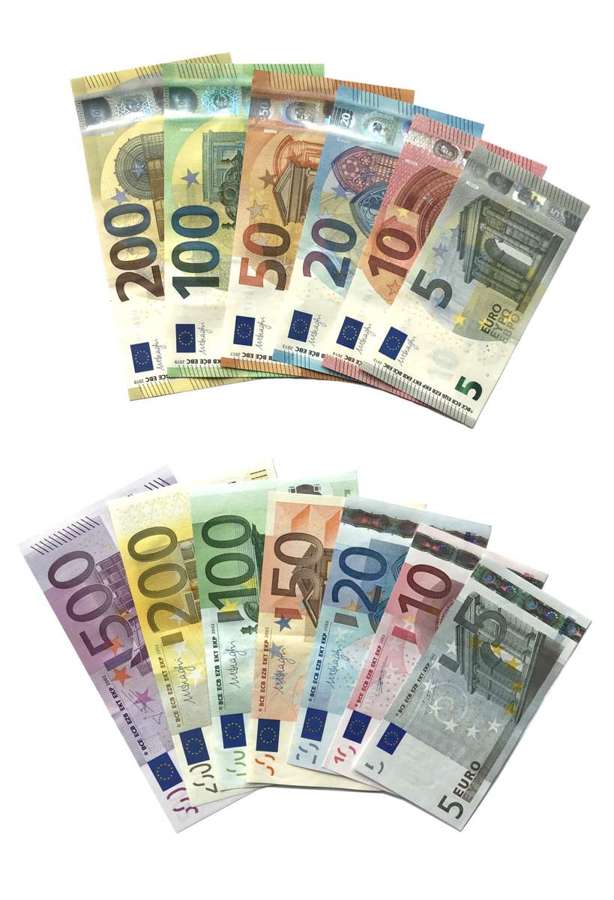
Parcels from outside the EU in Poland: 3 EUR duty from July 2026
Short answer: From 1 July 2026 non-EU online parcels pay a flat 3 EUR duty per item line, charged to the seller or platform, not you. Prices may rise, and duty and VAT are not refunded on returns.
Since 1 July 2026, online purchases from outside the European Union no longer enjoy the old customs exemption for parcels worth up to 150 EUR. Instead, the EU applies a flat customs duty of 3 EUR per item line in the customs declaration. The Polish tax administration (KAS) says the consumer does not pay this duty directly, but the price you see may rise. This guide follows KAS and Ministry of Finance pages dated 27 March, 28 May and 29 June 2026 and the podatki.gov.pl page on customs exemptions (15 December 2025).
What changed on 1 July 2026
According to KAS, from 1 July 2026 purchases made online outside the EU no longer benefit from the exemption from customs duty for consignments up to 150 EUR. The exemption was removed by Council Regulation (EU) 2026/382 of 11 February 2026. In its place a temporary flat duty of 3 EUR for each item line in the customs declaration applies from 1 July 2026 to 1 July 2028.
The flat duty applies to consignments with an actual value of up to 150 EUR in total in two cases:
- the import is exempt from VAT under the IOSS scheme (Import One-Stop Shop), or
- the goods are in a postal consignment as defined in the EU delegated regulation on the customs code.
Commission Implementing Regulation (EU) 2026/1200 of 5 June 2026 sets the detailed rules, and the European Commission has published guidance for member states and businesses.
Who pays the 3 EUR
KAS stresses that the consumer does not pay the flat duty. The customs debtor is the seller, the online platform or their representative who presents the goods for clearance. However, the page adds that you may see a higher purchase price if the seller includes the cost in the price or delivery charges.
This matters if you shop on marketplaces based in China, the USA, the United Kingdom or Turkey, which KAS names as examples of non-EU countries. When comparing prices, check the final total at checkout, with delivery.
What is an "item line"
KAS defines an item line (pozycja towarowa) as a group of goods of the same kind in the customs declaration. The ministry gives these examples:
- 2 cotton T-shirts: 1 item line
- a T-shirt and a phone case: 2 item lines
- a T-shirt, a phone case and a toy: 3 item lines
The more varied the purchase, the more lines there are and the higher the total duty. Two identical T-shirts are one line, but a mixed basket of three different products is three lines, so 9 EUR in duty on the declaration. The duty is charged to the seller or platform, so you may only see it in the price.
Returns do not bring the duty and VAT back
A point many shoppers miss: KAS states that the new rules do not provide for cancelling the customs declaration for these consignments. Therefore the duty and VAT that have been collected will not be refunded when you return the goods. If you plan to return an item, factor this in before ordering, and ask the seller how it handles refunds for the collected charges.
What the pages do not say
The KAS pages do not state the amount of VAT or how it is shown on your invoice, and they do not list which postal operators handle declarations. They also do not discuss other customs exemptions such as gifts between private persons. The podatki.gov.pl page on customs exemptions covers those topics in general terms, so read it if you receive a gift from abroad. The flat duty is described as temporary and runs to 1 July 2028, so check the KAS site for later changes.
Practical tips
1. Compare the all-in price, including delivery, across EU and non-EU sellers. 2. Check how many different products you put in the basket if the seller lists duty separately. 3. Think about returns before you buy. 4. Keep the order confirmation and any customs documents the carrier sends.
* Photos: illustrative images from Wikimedia Commons (CC0 and public domain): shipping containers in ports, not in Poland.
Frequently asked questions
Do I pay the 3 EUR customs duty myself?
According to KAS, no. The seller, platform or their representative is the customs debtor. You may see a higher price or delivery cost if they pass it on.
Is there still a 150 EUR duty-free limit?
For online purchases from outside the EU, the exemption for consignments up to 150 EUR was removed from 1 July 2026. A flat 3 EUR duty per item line applies instead until 1 July 2028 in the cases described by KAS.
Do I get the customs duty and VAT back if I return the goods?
No. KAS says the rules do not provide for cancelling the customs declaration, so the collected duty and VAT are not refunded after a return.
What is an item line?
A group of goods of the same kind in the declaration. Two identical T-shirts are one line, a T-shirt plus a phone case are two.