Pasta Labels in Poland: Durum, Egg Counts and Product Forms
The essentials: Read the flour and egg declarations separately from shape. Two-egg or four-egg pasta describes eggs per kilogram of flour or semolina, not per packet; the egg percentage uses a different finished-product basis.
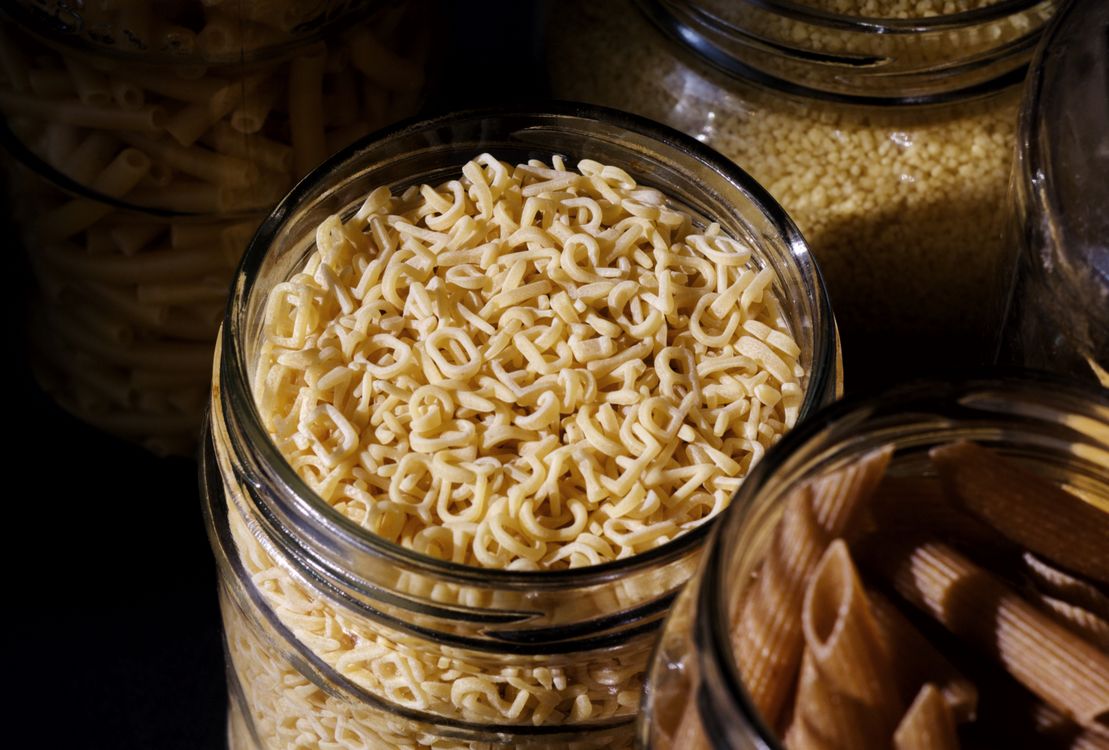
Cover: Dina Nasyrova, source photograph, Pexels License. Image unchanged. Dry pasta stored in glass jars. Illustrative product-form context, not verified ingredient or egg declarations.
A Polish pasta packet can describe its flour, egg content, shape and preparation in a handful of words. Makaron is the starting point, but durum, semolina, jajeczny and the product's full name tell you different things. A yellow colour or a rustic picture should not stand in for those declarations.
This guide explains the pasta-specific language useful for shopping. It is not a general allergen guide, a nutrition-table lesson or a promise that one flour suits a medical diet. Photographs illustrate pasta forms and ingredients; they do not certify the composition of a particular packet sold in Poland.
Read the product name before the shape
Makaron means pasta. The rest of the name can identify ingredients, a particular form or an intended method of preparation. The Olsztyn quality inspectorate explains that machines produce a wide range of pasta shapes, and shape differences do not necessarily mean a different composition.
That distinction is useful at the shelf. A spiral, a tube and a ribbon may share similar ingredients, while two products with the same shape may use different flours or contain eggs. Read the ingredients before treating a familiar shape as a familiar recipe.
Do not assume that all products grouped under a retailer's pasta filter are interchangeable. Dry pasta, fresh pasta, noodles and filled products need separate attention. The actual description should guide the next check, especially when buying an unfamiliar item online.
Understand durum and semolina
Durum refers to durum wheat. Semolina is a milled durum-wheat product with a coarse flour or fine-grain character. The inspectorate's explanation distinguishes it from flour milled from ordinary wheat, while recognising that products can use different materials or mixtures.
Read what the particular packet declares. A large durum word can be useful, but the ingredient list tells you whether the product is made from that material, includes other flour or contains further ingredients. Do not invent a percentage from a front design that does not state one.
Durum is not a gluten-free claim. Nor does semolina mean a grain unrelated to wheat. If your purchase depends on a dietary restriction, do not substitute a familiar-sounding grain word for the actual product information needed to meet that restriction.
Treat popularny, wyborowy and ekstra carefully
The inspectorate describes pasta types in the Polish standard PN-A-74131:1999: popularny, wyborowy and ekstra. It explicitly says the standard is voluntary for manufacturers. These terms should not be presented as a universal statutory ranking imposed on every packet.
In that standard's description, the types are linked to the main milled raw material, including ordinary wheat products, durum pasta flour and semolina. The useful lesson is to inspect ingredients rather than use a short type word as a complete quality score.
Ekstra on pasta should not be carried over from a rule about jam, olive oil or another food. Familiar marketing language can have different contexts. A consumer guide needs to preserve those boundaries instead of building one imaginary grading ladder for the whole supermarket.
What two-egg and four-egg descriptions mean
Jajeczny means egg pasta. A name such as 2-jajeczny or 4-jajeczny describes the number of eggs used in production per kilogram of flour or semolina, as explained by the inspectorate. It is not a count of whole eggs inside one retail packet.
This basis matters when packages differ in size. A 250-gram packet and a 500-gram packet can carry the same four-egg description without promising the same literal number of eggs per package. Read the declaration as a production ratio.
The term also does not mean that eggs are the only ingredient you need to check. Keep the full name and ingredients together. This guide explains the egg-count convention, not whether a particular pasta is suitable for someone with an allergy or another individual need.
Separate the egg count from the egg percentage
The inspectorate explains that an egg ingredient emphasised in wording or pictures requires quantitative ingredient information. This percentage is calculated against the finished product's weight. It is a different basis from eggs per kilogram of flour or semolina.
Two numbers can therefore appear without being contradictory. One describes the egg-count production convention; the other is a proportion in the finished product. Do not compare them as if both were egg counts per packet or both were percentages of flour.
Egg ingredients can also be supplied in different forms, including liquid egg products and dried eggs. A cracked-egg photograph should prompt a reading of the ingredient description, not an assumption about what happened in the factory. Do not claim fresh eggs were broken on site unless the actual product evidence supports that statement.
Read wholegrain and alternative-flour descriptions literally
Pełnoziarnisty refers to wholegrain. The inspectorate describes wholegrain pasta made from flour containing the grain's parts. Read which grain the product names instead of treating a darker colour as a sufficient declaration.
Pasta can also use other grains or pulses, wholly or as part of a mixture. The product's ingredient list answers which applies. A front reference to lentils or another ingredient does not by itself establish that the whole product is made from it.
Do not turn an alternative-flour description into a medical recommendation. A specific gluten-free claim has its own conditions; it should not be inferred from shape, colour, the presence of a pulse ingredient or a shelf location. Keep the shopping question tied to what the product actually says.
Match Polish shape words to what you need
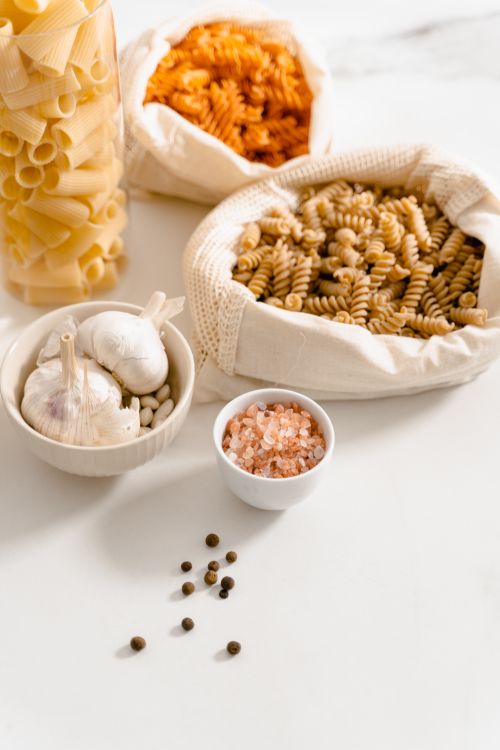
Świderki are spiral forms, muszelki are shells and kolanka are elbows. Wstążki are ribbons, while gniazda describes nests. The inspectorate lists these among the forms available, including short, medium and long products.
A shape name is a practical locator, not an ingredient certificate. If someone requests egg ribbons, locating wstążki settles only part of the task. You still need the egg declaration and the actual version requested.
Use the picture to help identify a form, then read the words to confirm the contents. For an online order, save the exact product title rather than a broad pasta search result. A shape substitution can matter to the intended dish even when the flour is similar.
Distinguish dry, fresh, filled and instant products
The inspectorate identifies dry and fresh pasta, noodles, filled pasta and products designed for rapid preparation. These distinctions are a reason to read the actual preparation and storage instructions, not a reason to invent one universal cooking time.
A familiar shape does not prove that a product should be prepared like the dry version you usually buy. Filled products also require attention to the filling, which is part of the purchase rather than a decorative extra. Read the full description and instructions.
This guide supplies no generic time, temperature or shelf-life rule for an unidentified product. Follow the packet you have. If the retailer's written instructions and the package disagree, preserve the discrepancy and ask which version applies rather than choosing the shorter preparation because it is convenient.
Colour and rustic language are clues, not proof
A yellow pasta can draw your eye, but colour should not replace the stated egg content. Vegetable ingredients can also change appearance. The inspectorate discusses products with additions such as spinach, tomato or pumpkin, which should be understood from their actual ingredient declarations.
Words such as domowy, babuni or wiejski evoke homemade, grandmother-style or rural associations. They are not a substitute for identifying the flour, egg form and other ingredients. Do not claim that a product came from a household kitchen merely because its name has that tone.
For the same reason, a brown or green pasta should not be assigned a composition from a photograph alone. Read the ingredient wording on the actual packet. This is particularly useful when product pictures online have been taken under different lighting or show a prepared dish rather than the dry contents.
Compare quantity and the exact version
Check the net quantity separately from the egg ratio and ingredient percentages. These figures describe different things. A smaller packet does not become the same purchase as a larger one because both carry a four-egg description.
When ordering online, inspect both the title and label image. Similar packaging can cover different shapes, flour mixtures and egg versions. If the information conflicts, ask about the actual item before relying on the photograph or a familiar brand name.
A repeat purchase still needs a brief check. The brand may be familiar while the selected variant is not. Keep the product name, shape, principal flour and egg declaration together so that an accidental substitution is visible before the packet is opened.
Use a focused pasta-shopping routine
Start with the full name, establish whether it is dry, fresh, filled or another form, identify the declared flour and then read any egg count with its correct basis. Check the actual ingredient percentage and instructions separately. Each step answers one question rather than pretending one word answers all of them.
If a description remains unclear, ask what the flour mixture is, what the egg count refers to or which version the retailer supplies. Keep readable product information if a concern needs review. A photograph of loose pasta alone cannot establish its declared recipe.
This routine helps you buy the pasta intended without inventing a legal hierarchy, a factory visit or a nutrition promise. It also preserves the distinction between the voluntary standard explained by the inspectorate and the specific information that a manufacturer actually puts on the product in your basket.
Frequently asked questions
Does four-egg pasta contain four whole eggs per packet?
No. The inspectorate explains the count per kilogram of flour or semolina used in production, not per retail packet.
Is semolina gluten-free?
Semolina is a milled durum-wheat product, not a gluten-free claim. Read the actual product information for any dietary restriction.