Polish Apartment Living 101: Bills, Heating, Recycling and Neighbors
The essentials: Polish flats bill through a monthly administrative fee plus your own utility meters, with advances settled once a year. Heating is mostly district-run, waste sorting into five colour-coded bins is mandatory, and noise after quiet hours can bring a fine of up to 5,000 zł.
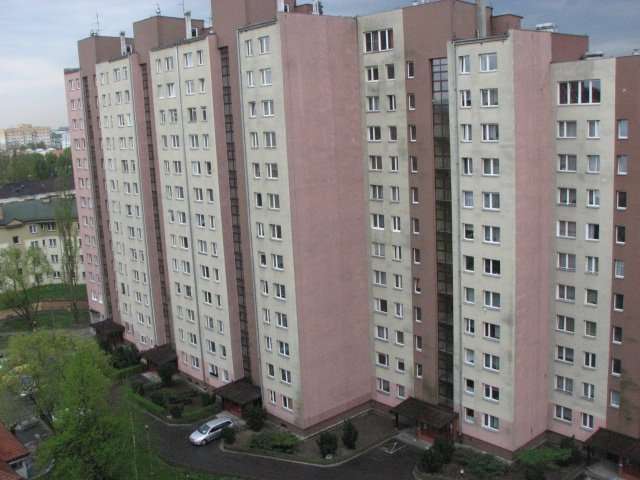
Polish apartment living 101: the essentials
Renting or buying a flat in Poland means dealing with systems that work differently than in North America or Western Europe: a monthly administrative fee on top of rent, district heating you do not control, advance utility payments settled once a year, colour-coded recycling, and house rules enforced by the building community. This guide explains how each piece works, with current 2026 prices and rules from official sources.
How bills work: czynsz, advances and the annual settlement
In a Polish flat you typically pay two layers:
1. Czynsz administracyjny - the monthly fee paid to the building's housing community (wspólnota) or cooperative (spółdzielnia). It covers stairwell cleaning, lift maintenance, the building's share of water and heat, rubbish collection and a repair fund. If you rent, your lease states whether you pay it to the landlord or it is included. 2. Utilities on your own meters - electricity, sometimes gas, and internet, contracted and paid by you directly.
Most utility and heating charges are collected as monthly advances (zaliczki) based on estimated or previous consumption, then corrected in an annual settlement (rozliczenie roczne): if you used less than estimated, money comes back; if more, you pay the difference. New arrivals are often surprised by the spring settlement bill - it is normal, and it can go either way. Keep your radiator and water sub-meter readings if your building sends a settlement you want to check.
Electricity in 2026: regulated and slightly cheaper
Household electricity in Poland is price-regulated. On 17 December 2025 the President of the Energy Regulatory Office (URE) approved the 2026 tariffs for the four default sellers: from 1 January 2026, households on a regulated tariff pay an average of 495.16 zł per MWh for the energy itself - below the so-called "frozen" price that applied through 2025. Distribution charges come on top, set separately for each operator (Warsaw's distributor is Stoen Operator, part of PGE).
Practical notes: bills usually arrive monthly or every two months based on meter readings or estimates; you can switch sellers, but most households stay on the regulated tariff because it has recently been cheaper than market offers.
*Data source: URE announcement "Prezes URE zatwierdził taryfy na sprzedaż i dystrybucję energii elektrycznej na 2026 r.", 17 December 2025 (ure.gov.pl), checked 21 October 2026.*
Heating: district heat you do not switch on yourself
Most Warsaw flats are heated by the city's district heating network, operated by Veolia Energia Warszawa - hot water produced centrally and piped to buildings. You do not choose a supplier or a start date: the heating season is managed by the network and your building, and radiators typically go live when average outdoor temperatures drop in autumn (with a test run beforehand) and stay on until spring.
Heat prices are also URE-approved. In Veolia Warsaw's published tariff (in force from 1 July 2026), the heat itself is billed per gigajoule at rates that depend on the tariff group - the extract shows figures around 66 zł per GJ for the heat component, plus fixed capacity charges and variable transmission fees on top. In practice you rarely see a per-GJ bill: the building apportions heat costs into your monthly czynsz advances, with the annual settlement correcting them.
Two tips that save real money: learn the radiator valve numbers (3 is usually comfortable; 5 overheats and you pay for it in the settlement), and air-vent radiators at the start of the season - a half-cold radiator in October is almost always trapped air, not a failure.
*Data source: Veolia Energia Warszawa, current tariff price and fee extract in force from 1 July 2026 (energiadlawarszawy.pl), checked 21 October 2026.*
Waste sorting: five colours, taken seriously
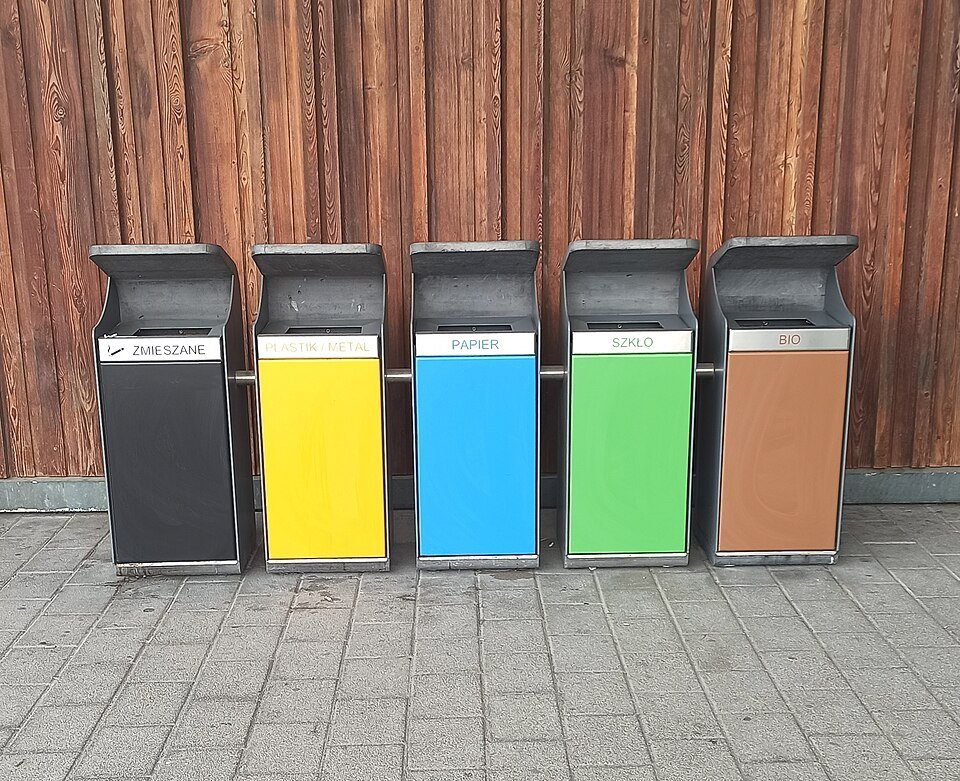
Warsaw runs mandatory separate collection. Per the city's current rules (Warszawa 19115 municipal service, page updated 20 October 2026), household waste is collected in these fractions:
- Blue - paper
- Yellow - metals and plastics
- Green - glass
- Brown - bio (food scraps and garden waste)
- Black/grey - mixed residual waste
- Separately collected: green waste and bulky items (furniture, appliances - booked for pickup or taken to a collection point)
Everything that does not fit the bins - electronics, batteries, paint, expired medicine - goes to a PSZOK (selective waste collection point); Warsaw runs several, free for residents. Unsure where an item goes? The city runs an online waste search tool on the same page. Sorting errors can mean the whole building's bin is refused, which is why neighbours take it seriously - and why your building's bin room may have laminated instructions taped to the wall.
*Data source: Warszawa 19115, "Zasady segregacji", updated 20 October 2026 (warszawa19115.pl), checked 21 October 2026.*
Water, gas and internet in brief
Water and sewage are billed per cubic metre and almost always ride inside the monthly czynsz as advances, corrected at the annual settlement - Warsaw's water and sewage come from the municipal company MPWiK. Sub-meters in the bathroom and kitchen are read once a year, sometimes remotely, sometimes by a technician or by you reporting the numbers.
Gas, where a flat has it at all, usually feeds only the cooktop - district heating has replaced gas boilers in most Warsaw blocks. Household gas prices are also URE-approved, with PGNiG/Orlen as the default seller.
Internet is the one utility with real competition: fibre or cable is standard in Warsaw blocks, and the main national providers (Orange, Play, Plus, Netia, Vectra and others) sell home packages, typically on 12- or 24-month contracts. A practical warning for renters: contracts are personal, so check what is already installed at your address and whether the previous tenant's contract is still running before signing a new one.
Neighbours, noise and house rules
Two layers govern neighbourly life. The first is your building's house rules (regulamin) - typically setting quiet hours, often 22:00-6:00, plus rules on balconies, storage and renovations. These are community rules, not law, and breaking them brings complaints to the administrator, not the police.
The second is actual law: Article 51 of the Petty Offences Code makes it an offence to disturb peace, public order or night rest by shouting, noise or alarms - punishable by arrest, restriction of liberty or a fine; under the Code's general rules (Art. 24), fines run from 20 to 5,000 zł. A one-off party that runs loud past midnight can legally end with a police visit and a ticket. Renovation noise is the everyday flashpoint: drilling on Sunday is the fastest way to meet your neighbours, and not in a good way - most house rules restrict noisy works to set weekday and Saturday hours.
*Data source: Kodeks wykroczeń (Petty Offences Code), Art. 24 and 51, consolidated text Dz.U. 2025 poz. 734 (eli.gov.pl), checked 21 October 2026.*
Practical habits that make flat life smoother
1. Photograph every meter on move-in day - electricity, water, heat allocators - and email the photos to your landlord. The annual settlement will thank you. 2. Learn who to call: administrator (zarządca) for anything in common areas or the czynsz; the utility company for your own meter; the landlord for appliances that came with the flat. 3. Register for the utility e-portals (eBOK) as soon as your accounts are live - bills, readings and payments all happen there. 4. Vent, then heat: Polish windows are airtight; short, wide-open airing (5-10 minutes) prevents mould far better than a tilted window all day. 5. Read the settlement before paying it. Ask the administrator for the consumption breakdown if anything jumps year over year.
Frequently asked questions
What is czynsz and is it included in rent?
Czynsz administracyjny is the monthly fee for building services - cleaning, lifts, rubbish, heat and water advances - paid to the housing community or cooperative. Whether rent includes it depends on your lease; always ask for the full monthly total (rent plus czynsz plus utilities) before signing.
When does heating turn on in Polish flats?
Most Warsaw buildings use district heating operated by Veolia Energia Warszawa, and the season is managed centrally: radiators go live when sustained cold weather arrives in autumn and run until spring. You control the radiator valve, not the supply.
What are the recycling bin colours in Poland?
Blue for paper, yellow for metals and plastics, green for glass, brown for bio-waste, and black or grey for mixed residual waste. Special items like electronics and batteries go to a PSZOK collection point.
Can neighbours call the police about noise?
Yes. Disturbing peace or night rest with noise is an offence under Article 51 of the Petty Offences Code, punishable by a fine (20-5,000 zł under the Code's general rules), restriction of liberty or arrest. Building quiet hours - commonly 22:00-6:00 - are house rules on top of that. * Photos: "Block of flats by Korotyńskiego Street in Warsaw" by H. Rabiega (CC BY 3.0) and waste-sorting bins by Aw58 (CC BY 4.0), via Wikimedia Commons.