Is Public Affection Common in Poland? Attitudes to Kissing
The essentials: Yes, with nuance. Kissing, hugging and hand-holding are legal and normal in big cities - the only legal line is Article 140 of the Misdemeanour Code, on overtly sexual public behaviour. Socially, Poles are affectionate but not theatrical: match the couples around you and expect a reserved-public, warm-private pattern.
Every expat couple calibrates this sooner or later: you are leaving a restaurant in Kazimierz or strolling through Łazienki, and the question arrives - is this okay here? Poland's answer is more nuanced than its conservative reputation suggests: the country is visibly warmer in public than it was twenty years ago, yet still measurably more restrained than Spain or France. This guide maps where the unwritten lines sit - kissing, hugging, hand-holding, and beyond - plus the one written line that actually matters. The legal fact below is verified against the Misdemeanour Code; the cultural observations are the editorial part, checked against current city life on 21 October 2026.
The Written Line: Where Law Actually Intervenes
Public affection in Poland has exactly one legal boundary, and it sits far beyond kissing. Article 140 of the Misdemeanour Code (Kodeks wykroczeń) punishes a public "indecent act" (nieobyczajny wybryk) with arrest, restriction of liberty, a fine of up to 1,500 złoty, or a reprimand. In practice this provision is applied to overtly sexual behaviour in public - not to kissing, hugging, or hand-holding, which are not illegal anywhere in Poland and never have been under the current codes. So the honest legal summary: everything up to and including passionate kissing is lawful everywhere; sexual acts in public are a misdemeanour that can cost real money. The rest of this article is about social comfort, not law.
Data source: Misdemeanour Code (Kodeks wykroczeń), Article 140, consolidated text (Dz.U. 2025 poz. 734), text via eli.gov.pl, checked 21 October 2026.
The Unwritten Lines: What You Will Actually See
Spend a warm evening on the Vistula Boulevards or in Kraków's Planty and the picture is clear: young Polish couples hold hands, kiss, and sit entwined on benches without attracting attention. That is the baseline in big cities - affectionate but rarely theatrical. The restraint shows in degree, not prohibition: prolonged making-out in crowded places draws glances; a quick kiss does not; full horizontal cuddling on a picnic blanket is normal on the Vistula banks but would raise eyebrows on a church square. Compared to the Mediterranean, Poles kiss less in queues and cafés; compared to East Asia, vastly more. The practical rule that works everywhere in the country: match the couples around you. If locals are kissing on that bench, you can too.
Context Is Everything: The Places That Change the Rules
The same gesture reads differently by postcode. Big-city parks, riverside promenades and student districts are relaxed. The calibration tightens sharply in three contexts: churches and their immediate surroundings (a visible sign asks for appropriate dress and behaviour at many pilgrimage sites, and affection inside a functioning church is genuinely offensive to many), small towns and villages on Sunday (when the social audience is multigenerational), and family spaces like playgrounds, where overt passion reads as tone-deaf rather than romantic. Public transport sits in the middle: hand-holding and a brief kiss are unremarkable; an extended session on the tram will earn the famous Polish stare - silent, sustained, and more effective than any fine.
Greetings, Cheeks and the Handshake Question
Where expats get genuinely confused is not romance but greeting affection. Poland's social defaults: handshakes between men on meeting, hugs among friends once established, and - the tricky one - cheek-kissing, which exists but is not universal: it is common among women friends and in warmer social circles, typically two or three kisses, while many younger urban Poles skip it entirely for a wave or a short hug. Men kissing each other's cheeks is rare outside family. The older custom of a man kissing a woman's hand survives mostly as deliberate gallantry - charming at a wedding, eccentric at the office. The safe protocol: offer a handshake, follow the other person's upgrade, and never initiate a cheek-kiss with someone you have just met.
Generation and Region: The Two Biggest Variables
If one factor predicts comfort with public affection, it is age, not region. Polish twenty-somethings in any major city are indistinguishable from their Berlin or Prague counterparts - they grew up on the same internet, watch the same shows, and kiss on the same benches. The over-60 generation keeps an older reserve: affection is for private, and some older Poles still find open kissing in queues or shops distasteful (they will usually say nothing, but the stare exists). Region matters mostly through city size: the Tricity, Poznań and Wrocław feel like Warsaw; mid-size cities are a touch more formal; the southeast is traditionally the most observant, though its cities' students are as relaxed as anyone's. Season matters too: summer Warsaw on the Vistula is practically Mediterranean, while the same couples in February do their affection under scarves and keep it brief.
Same-Sex Couples: The Honest Picture
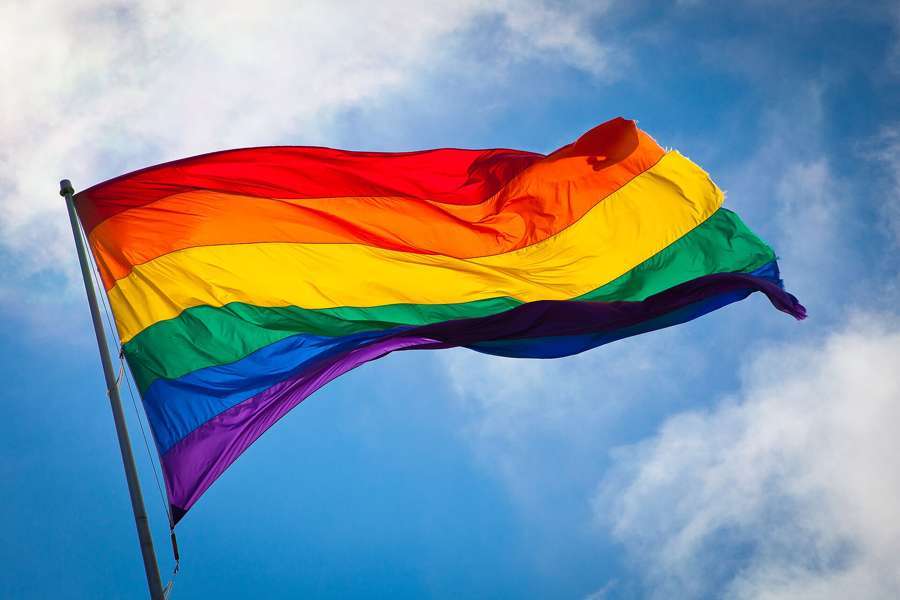
For same-sex couples the legal position is identical - no law restricts who may kiss in public, and the misdemeanour provision is orientation-neutral. The social picture is more differentiated than for opposite-sex couples. In central Warsaw, Kraków, Wrocław, Poznań and Gdańsk, hand-holding and brief kisses pass without incident most of the time, especially around university districts and the venues of the equality-march scene; the annual equality parades in these cities draw tens of thousands. Outside the big cities, many same-sex couples choose discretion in unfamiliar settings - a practical read of variable reactions, not a legal requirement. The trend line over the past decade has been steadily toward more visibility, concentrated where expats mostly live.
When Poles Do Go Big: Weddings and Name Days
The reserved-public-warm-private pattern has its great exceptions, and knowing them helps you read the culture. Weddings unleash the full register: hours of embraces, cheek-kisses, toasts with locked arms, and public dancing in restaurant doorways at 2 am. Name days (imieniny) - which many Poles celebrate alongside or instead of birthdays - come with their own affectionate ritual of hugs and flowers. Even New Year's Eve turns the market squares into sanctioned kissing zones at midnight. The pattern to internalise: Polish culture does not suppress affection, it schedules it. Once you understand the schedule - restrained weekday public, generous private, explosive sanctioned occasions - you will read every room correctly.
Workplace and Family Settings
Two more calibrations worth knowing. At work, Poland is formal: couples who work together keep affection out of the office entirely, and even established partners default to first-name professionalism - colleagues may know for months before seeing a couple hold hands. With family it runs the opposite way: once you are invited home, expect warmth to be physical - hugs, back-pats, cheek-kisses from babcia, and an intensity of hosting that surprises reserved Northern Europeans. The pattern inverts the Anglo default: Polish affection is rationed in public and generous in private.
One last calibration, for parents reading this with teenagers in tow: Polish teens navigate the same rules with extra intensity around schools, where overt affection draws teacherly attention, and house parties, where the usual rules of the house apply. Nothing about being foreign changes any of this - if anything, Poles extend visitors an amused allowance for not knowing, which lasts exactly as long as your willingness to watch and adapt. The single most useful habit is observational: spend your first weeks noting what the couples around you actually do in each setting - the tram, the park, the restaurant terrace - and your instincts will recalibrate faster than any guide can recalibrate them. Within a month, matching the room becomes automatic.
Frequently asked questions
Is kissing in public allowed in Poland?
Yes, completely. No law restricts kissing, hugging or hand-holding in public in Poland. The only legal boundary is Article 140 of the Misdemeanour Code, which fines overtly sexual public behaviour (up to 1,500 zł) - it is not applied to kissing. Socially, big cities are relaxed; tone it down near churches, on Sunday in small towns, and around playgrounds.
Is Poland conservative about public displays of affection?
Moderately, and less than its reputation. Couples kiss and hold hands openly in Warsaw, Kraków and other big cities. The difference from Southern Europe is degree - less constant, less theatrical - not prohibition. The working rule: match the couples around you.
Can same-sex couples show affection in public in Poland?
Legally yes - the law is orientation-neutral. Socially, in central big-city districts it passes without incident most of the time; outside the big cities, many same-sex couples choose discretion in unfamiliar settings. Visibility has grown steadily, and equality parades in major cities draw tens of thousands annually.
Do Poles kiss on the cheek as a greeting?
Sometimes - it is common among women friends and warm social circles (usually two or three kisses), but far from universal; many younger urban Poles just wave or hug. Men shake hands on meeting. Let the other person lead, and do not initiate a cheek-kiss with someone you have just met.