LGBTQ+ Dating in Poland: Resources and Considerations
The essentials: Yes - with calibration. Being LGBTQ+ is legal, but as of October 2026 there is no partnership recognition (the May 2026 act was vetoed; the override failed 17 September 2026). The big cities have active scenes, apps, marches and support groups (KPH, Lambda). FRA: 74% avoid public hand-holding, down from 83% in 2019.
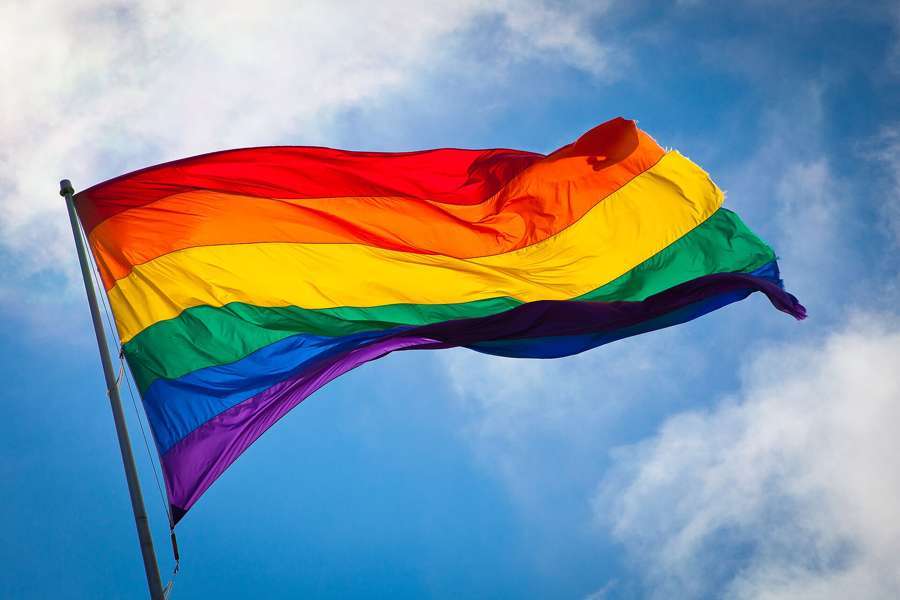
Dating as an LGBTQ+ expat in Poland means holding two truths at once: a large, organised, increasingly visible queer scene in the big cities - and a country that the EU's own data still ranks among its toughest for openness. Both are real, and navigating the gap between them is a learnable skill. This guide covers the legal picture as it actually stands in October 2026, the scene and its resources, and the practical calibration most LGBTQ+ expats settle on. Survey figures come from the EU Fundamental Rights Agency's LGBTIQ Survey III (published 14 May 2024); the legal status is verified against the Sejm record, checked 21 October 2026.
The Legal Picture, Dated Precisely
Same-sex relationships are legal in Poland and have never been criminalised under the modern republic; the age of consent is 15 for everyone, and anti-discrimination protections in employment follow from EU law. What Poland does not have, as of 21 October 2026, is any form of partnership recognition. The gap nearly closed this year: parliament passed the Act on the Status of the Closest Person in a Relationship and the Cohabitation Agreement on 29 May 2026 - a limited package granting next-of-kin rights (medical information, burial decisions and similar) rather than marriage - but President Nawrocki vetoed it, and on 17 September 2026 the Sejm failed to override the veto, with 232 votes for override against the 259 required. There is no civil-union law in force; a foreign same-sex marriage is not recognised for Polish legal purposes, which matters for visas, inheritance and hospital visits - plan those documents explicitly rather than assuming recognition.
Data source: Sejm legislative record (prints 2863/2864, veto-override vote of 17 September 2026) via sejm.gov.pl and api.sejm.gov.pl, checked 21 October 2026.
What the EU Data Says About Daily Life
The FRA's 2023 survey of 140,000+ LGBTIQ respondents (published 14 May 2024) gives the most rigorous available picture. In Poland, 74% of respondents said they often or always avoid holding hands with a same-sex partner in public for fear of assault, threat or harassment - high, but down from 83% in the 2019 wave, a measurable improvement. Poland recorded the EU's highest reported discrimination in contact with administrative offices and public services (25%), and the lowest rate of reporting discrimination incidents to any authority (just 5%). And 62% of Polish respondents felt prejudice and intolerance had increased - while simultaneously, openness measures improved between survey waves. The pattern expats should read from this: institutions and small-town visibility are the hard parts; big-city daily life is easier than the headline numbers suggest, and the trend is slowly improving.
Data source: EU Fundamental Rights Agency, "LGBTIQ equality at a crossroads" (fra.europa.eu, 14 May 2024), checked 21 October 2026.
The Scene: Where LGBTQ+ Life Actually Happens
Warsaw's queer scene is bar-and-community-based rather than neighbourhood-based - there is no gay district, but a stable circuit of LGBTQ+ venues and club nights concentrated around the centre and Praga, plus drag brunches, queer film screenings and community sports groups. Kraków, Wrocław, Poznań and the Tri-City each sustain their own smaller scenes. Equality marches (marsze równości) are the civic backbone: Warsaw's June parade draws tens of thousands and is the largest in Central Europe, with smaller marches in regional cities through the summer - some contested locally, which is itself useful information about each city's climate. For dating specifically, the apps work much as elsewhere: Grindr, Tinder and HER have active Polish user bases, with the usual caveats plus one local one - expect a higher share of discreet or unlisted profiles than in Western Europe, reflecting exactly the openness gap the FRA data measures.
Trans and Nonbinary Expats: Extra Paperwork, Extra Care
For trans expats the practical layer is documents. Legal gender recognition in Poland runs through a court procedure, and it is built for Polish citizens - a foreigner living here generally cannot use it and instead relies on their home-country documents. That creates daily friction exactly where the FRA data points: 51% of Polish trans-women respondents reported discrimination when presenting ID, the EU's highest. Carry documents consistent with your presentation where possible, expect banks and offices to follow the document, not the person, and know that PKD testing points, Lambda associations and KPH's legal service all explicitly serve trans clients. Healthcare is the other planning point: hormone therapy can be continued through private endocrinologists in big cities (bring your existing prescriptions and records), while the public path is slow and gatekept. None of this is a reason not to come - Warsaw has an established trans community - but it rewards arriving with paperwork in order.
Resources That Actually Help
The anchor organisations: Kampania Przeciw Homofobii (KPH), the national campaign against homophobia, runs support, legal help and the long-standing anonymous helpline; Lambda Warszawa provides counselling, support groups and community space in the capital; regional Lambda associations cover Kraków, Poznań and the Tri-City. Tęczówka and local queer collectives organise the social layer - board games, hikes, language exchanges - which is where most people actually build their circle. For HIV testing and sexual health, free anonymous testing points (punkty konsultacyjno-diagnostyczne, PKD) operate in major cities under the national AIDS centre framework, no insurance or ID needed. For legal trouble, KPH and the Helsinki Foundation for Human Rights take discrimination cases; and the Rzecznik Praw Obywatelskich (Commissioner for Human Rights) - whom 94% of Polish LGBTIQ respondents in the FRA survey had heard of - accepts discrimination complaints.
Meeting People Without the Apps
The apps dominate, but Warsaw's queer social infrastructure deserves real attention because it produces better connections. Queer sports groups (football, volleyball, running and climbing crews operate openly), drag and cabaret nights, film clubs, choirs and the community centres' weekly groups are how friendships - and most local relationships - actually start. For women, the scene is smaller and more community-centred than bar-centred: HER and community events matter more than venues. Bear one asymmetry in mind: in smaller cities the apps shrink fast and discretion rises, so community channels and the regional equality-march networks become the primary way to find other queer people at all.
The Practical Calibration for Expats
How most LGBTQ+ expats in Poland actually navigate: fully out in the international and queer scenes; selectively out at work depending on the employer (multinationals with Polish offices run standard diversity policies and are the safest bet); and situationally aware in small towns and family settings, not out of legal necessity but social reading. Public affection in central Warsaw and Kraków passes without incident most of the time - the FRA avoidance numbers reflect what people choose, not what happens when they don't. Build your circle early through the community organisations above; the single strongest predictor of a good expat experience here is a local friend group, and the queer community's is tight and welcoming.
And a note on allies: much of what makes the big cities easier is invisible infrastructure built by straight allies - the café with the small flag in the window, the HR department that actually answers, the friends who show up at the march. Finding those people is part of finding your people, and Warsaw has far more of them than its politics suggests.
Frequently asked questions
Is it legal to be LGBTQ+ in Poland?
Yes. Same-sex relationships are legal, the age of consent is 15 for everyone, and employment discrimination protections apply. What Poland lacks as of 21 October 2026 is partnership recognition: the May 2026 next-of-kin act was vetoed by the President and the Sejm failed to override the veto on 17 September 2026, so no civil-union law is in force and foreign same-sex marriages are not recognised.
Is Poland safe for LGBTQ+ expats?
Big-city daily life is generally manageable: LGBTQ+ venues, marches and communities operate openly in Warsaw, Kraków, Wrocław, Poznań and the Tri-City. The FRA's 2023 survey shows real pressure - 74% avoid public hand-holding - but improving from 83% in 2019. Most expats are fully out in queer and international circles and selective elsewhere.
What LGBTQ+ organisations operate in Poland?
Kampania Przeciw Homofobii (national; support and legal help), Lambda Warszawa and regional Lambda associations (counselling, support groups), local queer collectives for social life, free anonymous HIV testing points (PKD) in major cities, and the Commissioner for Human Rights for discrimination complaints.
Can I bring my same-sex spouse to live in Poland?
Poland does not recognise foreign same-sex marriages, so a spouse cannot rely on marriage-based family reunification as a same-sex partner. Individual residence routes (work, study, business) apply instead; the failed 2026 act would have helped and its return to parliament is possible but not scheduled - verify current law before planning around it.