Rice in Poland: Basmati, Jasmine, Round and Parboiled
The essentials: Choose rice by the dish and exact product: basmati and jasmine identify aromatic options, okrągły means round, parboiled describes processing, and do risotto identifies intended use. Similar cooking-time badges do not make grains interchangeable.
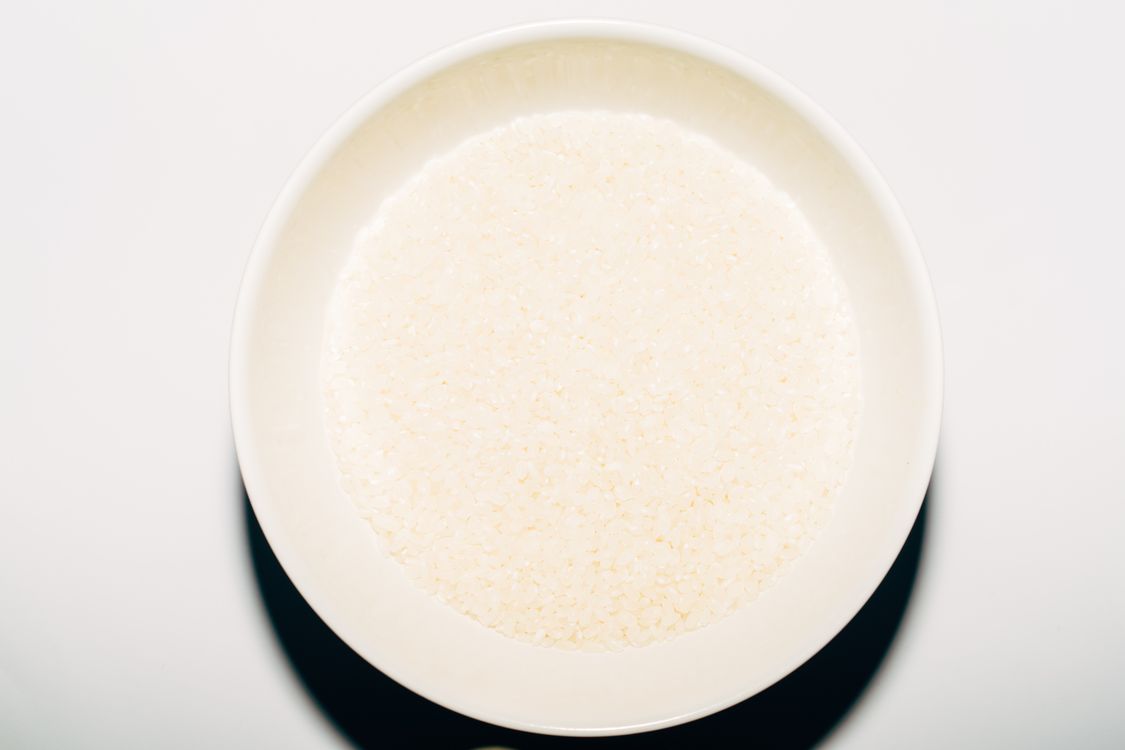
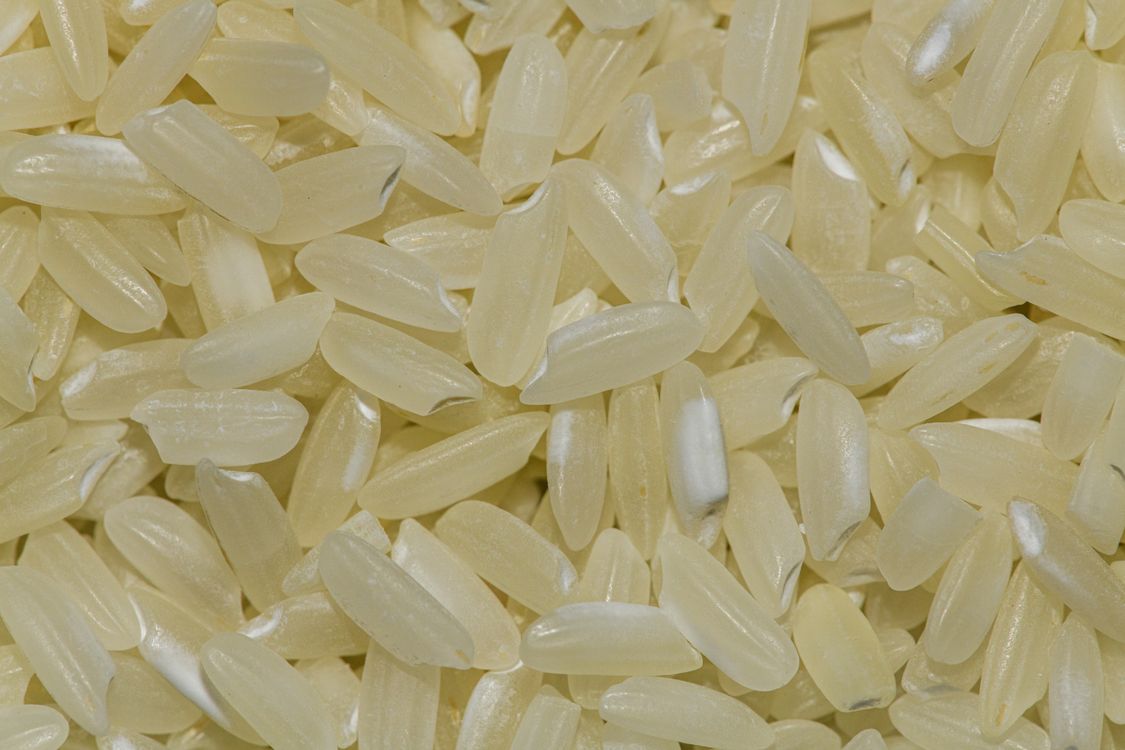
Cover: Markus Winkler, source photograph, Pexels License. Image unchanged. Uncooked rice in a bowl. Illustrative context, not a cited product or verified rice variety.
The useful question on a Polish rice shelf is not simply "Which packet says ryż?" It is whether the grain suits the dish you are planning. A fragrant side dish, a creamy risotto and a milk-based dessert call for different buying decisions. Names such as basmati, jaśminowy, okrągły and parboiled give different kinds of information, so treating them as interchangeable grades of the same white rice can lead you away from the texture you want.
This guide uses current producer descriptions to separate those choices. Sonko's range provides concrete Polish examples, including several products sold under similar-looking names but with different intended uses. It is a way to read the shelf, not a claim that one brand is the only option or that one cooking method works for every rice on sale.
Start with the dish, then the Polish name
Ryż means rice. Biały means white, długoziarnisty means long-grain and okrągły means round. Jaśminowy identifies jasmine rice. Do risotto means for risotto. Parboiled is a processing description rather than the Polish word for a particular aromatic variety. Several of these descriptions can apply to one product: Sonko identifies its Finest basmati in the ingredients as white long-grain basmati rice.
That overlap is important. A packet saying biały does not automatically compete with basmati as if the terms were equivalent alternatives. One describes the rice more broadly; the other gives a more specific identity. Before comparing packages, write down the dish you want to make and any variety named in its recipe. A shopping note saying "rice for risotto" is more useful than one saying only "white rice".
Basmati: a named long-grain example
Sonko Finest Ryż Basmati 300 g is described by its producer as long, slender grains that remain separate after cooking, with a natural aroma and a delicate nutty flavour. Sonko recommends it for Indian and Asian dishes. These are product descriptions, not a report of our own tasting. They give a shopper a clear reason to investigate basmati when the intended result is aromatic rice with identifiable grains rather than a deliberately creamy mixture.
The ingredient description, ryż biały długoziarnisty - basmati, also demonstrates how the label's terms fit together. The grain is white and long-grain, while basmati supplies the more specific name. If a translated store page shortens this to "white rice", look for the full Polish product name before adding it to an order. Losing that final word can erase the very distinction your recipe depends on.
Sonko's Finest basmati page gives a twelve-minute cooking indicator and includes a separate vegetable-and-spice recipe with its own steps. Keep those instructions attached to that product and recipe. They do not establish a twelve-minute rule for every basmati on the market or a universal water ratio for other grains. A different rice or preparation method needs its own directions, even when the packet has the same broad cooking-time promise.
Jasmine: another aromatic choice, not another spelling
Sonko Finest Ryż Jaśminowy 300 g is described as having white, slender grains and a delicate aroma reminiscent of jasmine flowers. The producer suggests it for Thai dishes, with vegetables and in puddings. Basmati and jasmine can both appear among aromatic choices, but the descriptions are not identical. Buying one because a recipe names the other is a substitution decision, not a translation exercise.
For a Thai-style meal, jaśminowy is therefore a useful search term to retain. For a dish explicitly built around basmati, preserve basmati instead. Neither name is a universal ranking of quality. The point is to choose the rice for the intended flavour and texture, rather than assuming all slender white grains will behave or taste the same. Sonko also shows a twelve-minute indicator for this jasmine product; the equal headline time does not make the two identities equal.
A recipe printed on the page can help show the producer's intended use without becoming your only way to serve the product. Sonko's jasmine example combines rice with mango, cucumber and chicken, while its basmati example uses vegetables and warm spices. These are illustrations of two different meal ideas. They are not evidence that jasmine cannot accompany other dishes, nor a reason to copy the cooking directions from one page to another product.
Round white rice: look beyond a savoury side dish
Sonko Ryż biały okrągły 400 g has an ingredient list identifying round white rice. The producer specifically suggests sweet dishes such as milk rice, as well as soups and main courses. That is a different buying cue from the basmati page's emphasis on slender, separate grains. If you are shopping for a rice pudding recipe, the word okrągły deserves attention rather than being lost beneath the generic white-rice heading.
The product's range of suggested uses does not mean every round rice is identical or that it automatically replaces a named risotto variety. "Round" gives you a shape description, not a complete recipe. If a pudding recipe specifies a particular rice, compare that requirement with the chosen packet and its directions. Buying for a dessert is a different task from selecting a grain that a producer promotes for a fragrant side dish.
This can also help when searching online. Typing ryż na mleku may lead to a finished dessert or a recipe, whereas ryż biały okrągły names an uncooked ingredient of the kind described here. Check whether the listing is for rice to cook or food already prepared. That distinction is more useful than relying on a photograph of a creamy bowl, which can illustrate either a serving suggestion or the actual contents.
Parboiled describes treatment, not a ready meal
Sonko Ryż parboiled 400 g is described as white rice exposed to a special steam process. Its ingredients call it thermally prepared white rice, ryż biały - preparowany termicznie. The manufacturer suggests it for stuffing vegetables and as an accompaniment to meat or fish. The processing term is therefore useful when a recipe or shopping habit specifically asks for parboiled rice.
It does not mean the packet contains a cooked ready-to-eat meal. Read and follow the preparation directions for the selected product. Nor does the description establish that parboiled is a premium grade above every other white rice. It tells you something about treatment, while basmati or jasmine tells you a more specific rice identity. Those are different axes of description and should not be collapsed into a single best-to-worst ladder.
Sonko uses strong promotional language about grain separation on its parboiled page. There is no need to turn that into a promise that rice can never stick or be overcooked. For shopping purposes, the useful facts are the named processing method, the actual ingredient description and the producer's suggested dishes. The practical result still depends on the product and the method you use, rather than a marketing absolute.
Risotto rice: intended use needs its own check
Sonko Finest Ryż Risotto 300 g is presented for a creamy consistency and for absorbing flavours, with suggested uses including risotto and arancini. Its product page shows a twenty-five-minute cooking indicator. The accompanying asparagus recipe, however, describes adding warm stock gradually and cooking the rice for about eighteen to twenty minutes before finishing the dish. A headline indicator and a step inside a complete recipe are not necessarily the same measure of time.
That example is useful because risotto is not simply a question of boiling any rice until the clock stops. The recipe's method matters as much as the packet name. If you want to follow that producer recipe, use its sequence and named quantities as a whole rather than lifting the twenty-five-minute badge and applying it to an unrelated absorption method. This guide does not supply a universal risotto liquid ratio or promise identical results from another grain.
Avoid inferring a precise variety from the word risotto alone. Sonko also has a separate English-language page for a 200 g risotto product naming Carnaroli, but that is not sufficient evidence to identify every other size or variant as Carnaroli. Product names, weights and descriptions need to be matched. If a recipe specifically asks for Carnaroli or another named variety, look for that name on the exact item you are buying.
Make a comparison that answers your cooking problem
For a fragrant meal with separate grains, compare named basmati and jasmine products and the flavour profile your recipe expects. For milk rice or another dessert, investigate a round-rice product with an appropriate producer description. For a vegetable filling, a parboiled product may match the intended recipe. For creamy risotto, start with rice explicitly sold for that purpose and confirm any variety requirement. These are starting points for matching a recipe, not rules forbidding other uses.
Keep the product identity and the method together when you save a favourite. "Sonko Finest basmati 300 g, prepared using this packet's directions" is a more repeatable note than "the blue rice box". It also prevents a later switch to another variety from quietly inheriting the old instructions. You do not need to learn every rice on the shelf at once. Learning which distinction matters for tonight's dish is enough to make the next choice more deliberate.
Frequently asked questions
Are basmati and jasmine two names for the same rice?
No. The cited products have different aromatic descriptions and suggested dishes. Preserve the rice name specified by your recipe.
Does every rice sold for risotto identify the same variety?
No. Match any named variety to the exact product. A separate size or variant does not prove another packet has the same variety.