Soy Sauce in Poland: Standard, Tamari, Sweet and Teriyaki
The essentials: Sos sojowy can mean a basic seasoning or a more formulated product. Match the exact standard, reduced-salt, tamari, sweet or teriyaki variant to the recipe, then read its ingredients instead of relying on bottle colour.
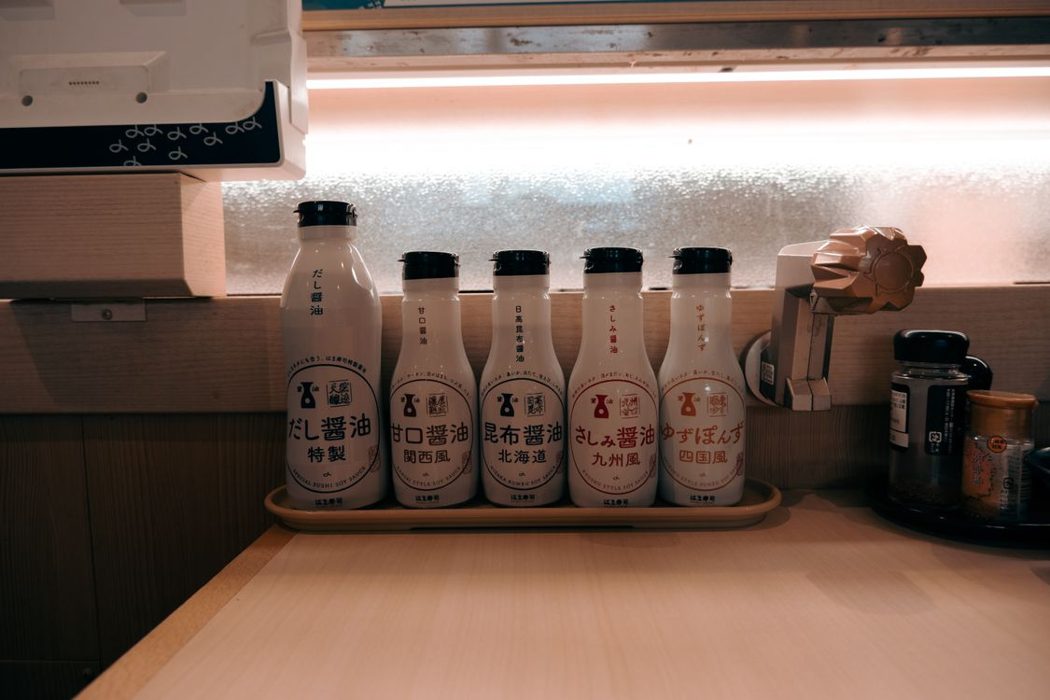
Cover: Huu Huynh, source photograph, Pexels License. Resized and JPEG-compressed. Bottles labelled as soy sauce in a kitchen. The photographed foreign-market packaging is illustrative, not verification of the current Polish Kikkoman formulations cited here.
A Polish shop's soy-sauce shelf can include a standard naturally brewed sauce, a reduced-salt version, tamari, a sweet soy sauce and a teriyaki marinade. Similar bottles and dark colours do not make these the same cooking ingredient. Some are seasoning bases; others already include sugar, wine, vinegar or other flavour ingredients that change what you are adding to a recipe.
Start with the exact product your recipe requests. Then compare the formulation and intended use rather than assuming every bottle translated as sos sojowy can replace another by the same spoonful. Kikkoman's Polish product pages provide concrete examples of those differences. The examples below stay attached to the named products rather than defining every soy sauce on sale in Poland.
Standard naturally brewed sauce: a specific four-ingredient example
Kikkoman's Polish page for its naturally brewed soy sauce lists water, soybeans, wheat and salt. The producer describes a brewing process lasting several months and suggests uses during cooking or as seasoning for finished dishes. Its examples extend beyond Japanese dishes to sauces, dressings and other foods. These are the maker's product descriptions, not a report of our own taste test.
The ingredient list gives a useful reference point when comparing the rest of the range. The standard product is not a sweet glaze or a complete teriyaki marinade simply because all may contain soy sauce. If your recipe asks for a basic soy sauce and separately adds sugar, vinegar or aromatics, preserve that structure in your shopping note. Buying a prepared mixture changes the starting ingredient.
Keep the household product page separate from industrial or catering specifications. A producer can have several products with similar names and different figures or formats. The ingredient statement quoted here belongs to the named retail range page. A different container or product line should be checked on its own rather than treated as automatically identical because the brand and the words sos sojowy match.
Reduced salt is an exact variant, not a dilution instruction
Kikkoman's Polish reduced-salt page lists water, soybeans, wheat, salt, spirit vinegar and sugar. The maker says 43% of the salt is removed through a special process compared with its classic sauce. That is a statement about this producer's named variant. It is not a rule describing every reduced-salt product, nor instructions to add water to another sauce until you have made the same thing.
The different ingredient list is a useful reminder that the variant is a product in its own right. It does not simply consist of the standard formula with one word crossed out. If you want this formulation, buy the exact item. If a recipe asks for another sauce, deciding to use the reduced-salt version is a deliberate choice rather than a guaranteed identical result with a different cap colour.
Do not turn a relative salt claim into a medical recommendation or an assurance that the product is suitable for someone's dietary limits. The producer's current nutrition and ingredient information belongs to the actual packet. This guide uses the variant to explain the shopping distinction, not to prescribe portions, calculate a daily allowance or rank sauces by healthfulness.
Tamari: check the actual named product
The Polish page for Kikkoman's naturally brewed tamari lists water, soybeans, salt and spirit vinegar. Unlike the standard product's list, that ingredient statement does not include wheat. The producer markets this particular sauce with a gluten-free designation. That designation belongs to this exact product and its current labelling; the word tamari alone is not an assurance about every bottle from every maker.
For ingredient shopping, the useful comparison is the actual formula and named variant. Someone who specifically wants Kikkoman's tamari should retain that name rather than writing only soy sauce and hoping a shop substitute is equivalent. For any dietary requirement, inspect the current product's full label and relevant producer information. This guide does not establish individual suitability or give an allergy-safety guarantee.
Tamari is also not a synonym for sweet soy sauce or a finished marinade. The cited page lists no separate sugar ingredient, while the sweet product below has a different formulation. A dark liquid's colour cannot settle that distinction. Use the written product identity and ingredients, especially when translated store titles shorten several different variants to the same two English words.
Sweet soy sauce already makes a flavour decision
Kikkoman's naturally brewed sweet soy sauce lists water, soy sauce made from water, soy, wheat and salt, sugar and spirit vinegar. The producer describes a sweet umami flavour and suggests it for meat, vegetables, spicy dishes and even desserts. It also says the product is pasteurised and contains alcohol. Those are details of this named formulation, not claims about every sweet sauce in Asian shops.
The practical distinction is that sweetness is built in. A recipe that asks for standard soy sauce and a separate amount of sweetener is not automatically asking for this prepared product. Using it can be a deliberate recipe change, but the label does not supply a universal conversion that preserves every other ingredient relationship. Keep the exact sauce name in your plan rather than deciding that a sweet version is simply a more convenient bottle of the standard one.
The producer's suggested gloss on food is also a use cue, not proof that the sauce is identical to every glaze or every product sold as kecap manis. If an English recipe specifies another named sauce, investigate that requirement directly. Similar sweetness or colour is not enough evidence to translate one product identity into another without changing the dish.
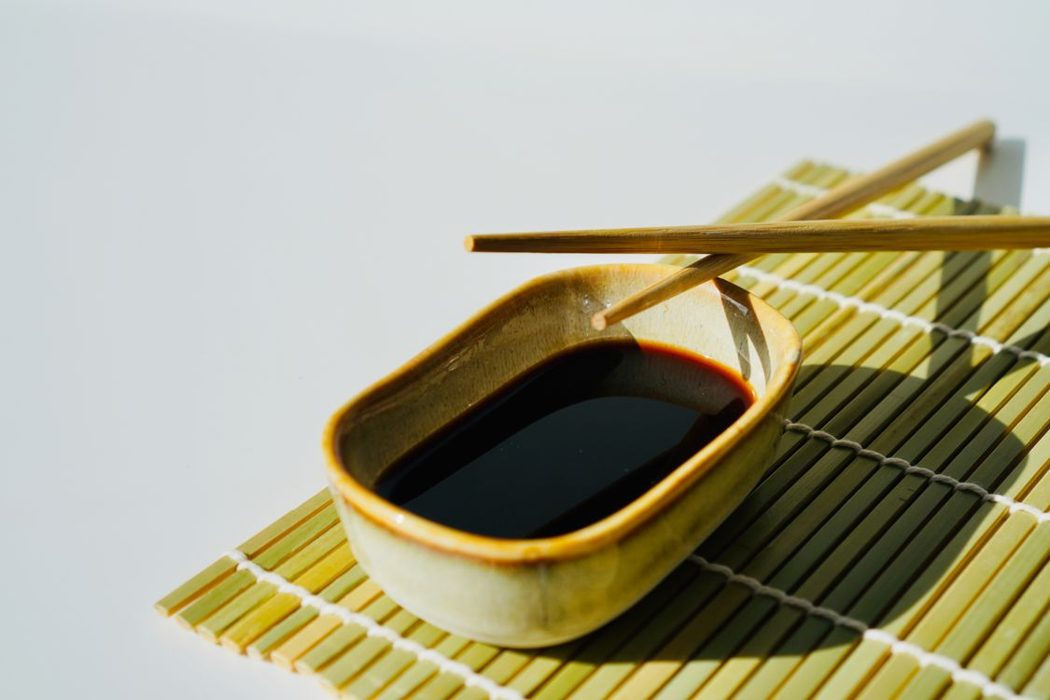
Teriyaki marinade is a formulated mixture
Kikkoman's Polish Teriyaki Marinade lists soy sauce, wine containing sulphur dioxide, sugar, water, spirit vinegar, salt, spice extracts, onion powder and garlic powder. Soy sauce is the base, but it is not the only ingredient. The producer suggests it for marinated vegetables and meats, stir-fry seasoning and dipping. It is a prepared marinade with several flavour decisions already made.
This helps explain why a bottle of teriyaki marinade should not quietly replace plain soy sauce in a grocery order. It adds wine, sugar and aromatics that may or may not fit the recipe you intended. Conversely, a recipe asking for a prepared teriyaki product is not necessarily complete if you buy only basic soy sauce. Match the full name, not just the dark liquid in a similar-looking bottle.
The same range includes other teriyaki flavours. The classic marinade's ingredient statement does not establish the formula for a garlic, sesame or honey variant. Keep the exact item when comparing products or accepting a substitution. This guide does not turn a general marinade description into a meat-handling method or a promise about cooking safety; follow the full recipe and product directions for the food you prepare.
Ingredients matter more than cap colour
Colour coding can help you recognise a familiar bottle, but it is not an adequate product specification. A producer can change packaging, sell multiple formats or use similar labels across sauces with different ingredients. Save the brand and full variant name when you find a product you want to repeat. A photograph of a green or red cap is only a lead until you confirm the text.
The examples also show why a short translated title can be misleading. A listing that says only Kikkoman soy sauce may omit whether it is reduced-salt, sweet, tamari or a marinade. Open the complete description before ordering. If the ingredients are missing or appear to belong to a different variant, inspect the packet rather than borrowing a list from a neighbouring product with a similar bottle shape.
This is not an invitation to decide that a shorter formula is always better. The standard sauce and a teriyaki mixture have different jobs. An added flavour ingredient can be exactly what you want in a prepared marinade. The useful question is whether those decisions belong in the dish you plan to cook, not whether every product must be reduced to the same four-ingredient base.
Match the recipe before adjusting the seasoning
For a basic seasoning base, investigate the standard naturally brewed product requested by your recipe. For a named reduced-salt choice, buy that actual variant rather than treating dilution as equivalent. For tamari, confirm the exact identity and current label. For built-in sweetness or a prepared marinade profile, distinguish the sweet sauce and teriyaki product from the plain base.
Once you make a deliberate substitution, the recipe may need its own judgement about flavour. This guide does not provide universal spoonful ratios, salt corrections or dilution formulas. It also does not promise identical results from two sauces with different ingredient lists. Matching the intended starting product is simpler than trying to undo an accidental formulation change later.
A useful note for the next shop
Write the full sauce name and variant, not just soy sauce. If the recipe separately supplies sweetener, vinegar or aromatics, keep that information alongside the shopping note so you can recognise when a prepared mixture would change it. If a shop offers a substitute, compare the complete formulation and intended use before accepting it.
You do not need to memorise every sauce in the aisle. These examples give you a workable distinction between a seasoning base and products with additional choices built in. Recognising that difference lets you buy deliberately, retain the recipe's intent and repeat a favourite product without relying on cap colour or an over-short translation.
Frequently asked questions
Is teriyaki marinade the same as plain soy sauce?
No. The cited Kikkoman marinade includes wine, sugar, vinegar and aromatics as well as soy sauce.
Can I make the cited reduced-salt product by diluting standard sauce?
The producer describes a specific salt-removal process and a different formulation. This guide does not provide a dilution equivalent.