How Much Are Utility Bills in Warsaw? Electricity, Gas, Water, Heat
The essentials: Official figures: URE's 2025 average household electricity price is 0.9198 zł/kWh incl. distribution; regulated household gas is 197.29 zł/MWh through Dec 31, 2026; 2025 district heat averages 103-132 zł/GJ; Warsaw water+sewage costs 16.35 zł/m³ gross from July 11, 2026.
"How much are the bills?" is the question every rental listing dodges. The honest answer has two layers: the regulated prices, which are public and checkable, and your usage, which is yours alone. Poland's energy regulator (URE) publishes the national average prices every year, Warsaw's waterworks publishes its tariff, and together they let you build a realistic monthly estimate before you ever sign a lease. Here are the current official numbers - each labeled with its period - and how to turn them into a budget, as of October 2026.
Electricity: about 0.92 zł per kWh all-in
URE's official average electricity price for a household consumer, including the distribution service fee, was 0.9198 zł per kWh for 2025 (announced in the regulator's information 15/2026). The trend line matters for budgeting: 0.8280 in 2024, 0.7840 in 2023, and just 0.5947 back in 2021 - bills have risen steeply in recent years. The regulator's figure includes excise duty but excludes VAT, which your invoice adds on top.
What that means in złoty: a typical two-person flat without electric heating might use 120-180 kWh a month - roughly 110-165 zł at the 2025 average price, before VAT. Working from home with two computers pushes you to the upper end; electric cooking adds more. These usage figures are illustrative planning ranges, not official statistics - your meter is the only truth that matters.
Two structural notes help decode the invoice. Most households sit on the flat G11 tariff; the day-night G12 variant prices night hours lower and pays off only if you can shift real consumption (laundry, dishwashing, water heating) into the night window. And the per-kWh figure is not the whole bill: fixed distribution and subscription components land on every invoice regardless of usage, which is why a "cheap kWh" comparison never tells the full story.
*Data source: URE, "Średnia cena energii elektrycznej dla gospodarstw domowych" (page modified March 27, 2026), accessed October 21, 2026.*
Gas: 197.29 zł per MWh, frozen through the end of 2026
For households connected to the gas network (mostly for cooking and gas water heaters in older buildings), the regulator approved a household commodity price of 197.29 zł per MWh - about 0.197 zł per kWh - valid through December 31, 2026 under the tariff of myORLEN (formerly PGNiG Obrót Detaliczny), the dominant retail supplier. Distribution fees and fixed subscription charges come on top, as a separate part of the bill.
A kitchen-only gas connection uses modest amounts - often 1-2 m³ a day for a family that cooks daily, which at roughly 10-11 kWh per m³ works out to a few dozen złoty a month for the commodity. Gas becomes a major bill only when it heats the flat or the water - and in Warsaw that is the exception rather than the rule, because district heating carries most of the city's winter load. Many newer buildings have no gas at all: induction cooking plus district heat is the standard modern setup.
*Data source: URE, "Rynek gazu: Taryfa myORLEN przedłużona do końca roku" (June 8, 2026), accessed October 21, 2026.*
District heating: 103-132 zł per GJ
Most Warsaw flats are heated by the district heating network, and the city is a heavyweight: URE's statistics put the average 2025 sale price of heat at 103.16 zł per GJ from coal-fired plants and 131.95 zł per GJ from gas-fired plants (information 18/2026). For 2024 those averages were 112.26 and 144.18 zł/GJ respectively - prices actually eased year over year.
Your building's bill depends on which network and tariff it sits on, but the unit economics translate like this: a 50 m² flat in a reasonably insulated block typically consumes somewhere around 0.2-0.5 GJ a month across the heating season, more in January, near zero in summer - an illustrative planning range, not an official statistic. At the 2025 averages that is roughly 25-65 zł per winter month for the heat itself. In most rentals, heating is settled inside the monthly administration advance (zaliczka) and reconciled once a year against actual meter or allocation readings - the annual reconciliation, not the monthly advance, is the real number.
*Data source: URE, "Średnie ceny sprzedaży ciepła" (page modified March 31, 2026), accessed October 21, 2026.*
Water and sewage in Warsaw: 16.35 zł per m³ combined
Warsaw's waterworks (MPWiK) runs a tariff approved by the state water authority on June 17, 2026, in force from July 11, 2026 for three years. It sets the price of water for human consumption at 6.48 zł per m³ gross and sewage at 9.87 zł per m³ gross - 16.35 zł for every cubic meter that comes in and goes out, plus a small fixed subscription fee depending on your billing setup.
A person in Poland typically uses around 3-4 m³ a month; at the current Warsaw tariff, that is roughly 50-65 zł per person per month combined. A two-person flat lands near 100-130 zł. Like heating, water in rentals is usually paid as an advance inside the administration fee and trued up against meter readings. If your flat has an individual water meter, your reconciliation reflects your real use; in buildings settled per person or per square meter, a long holiday does not shrink your bill.
*Data source: MPWiK Warszawa, tariff in force from July 11, 2026 (mpwik.com.pl), accessed October 21, 2026.*
The reconciliation: where the real money moves
Because heating, water and sometimes garbage collection run as advances, the annual settlement is where expat budgets get surprised - in both directions. A frugal year produces a refund of a few hundred złoty; a cold winter in a draughty flat produces a top-up demand that feels like a bill from nowhere. Two rules of thumb: ask at signing whether the monthly figure quoted to you is an advance or a flat rate, and treat the annual rozliczenie as a document you are entitled to read line by line. It lists the building's total costs, the allocation keys, and your unit's consumption - the numbers that produced your number.
Putting it together: a realistic monthly picture
Stack the mid-range estimates for a two-person, 50 m² flat without electric heating and the pre-VAT, pre-surprises picture looks like this: electricity around 130-160 zł, gas (kitchen only) 30-50 zł, district heating 30-60 zł averaged across the year, water and sewage 100-130 zł - roughly 290-400 zł a month for utilities proper, before internet and before the fixed parts of the administration fee. Winter heating and summer air conditioning swing the total either way, and older, poorly insulated buildings cost more at every line. Treat this arithmetic as a planning model built from the official unit prices above and typical consumption ranges, not as a quoted tariff.
*Data sources: unit prices from URE and MPWiK as cited above; consumption ranges are illustrative planning assumptions.*
Five habits that shrink Polish utility bills
Read the meters on day one. Photograph every meter at move-in, with the date. Your settlement period starts there.
Ask for past bills. A landlord showing real invoices beats any estimate, including this article's.
Understand the advance system. The monthly zaliczka for heating and water is an advance; demand the annual reconciliation (rozliczenie roczne) and check it against your meter photos.
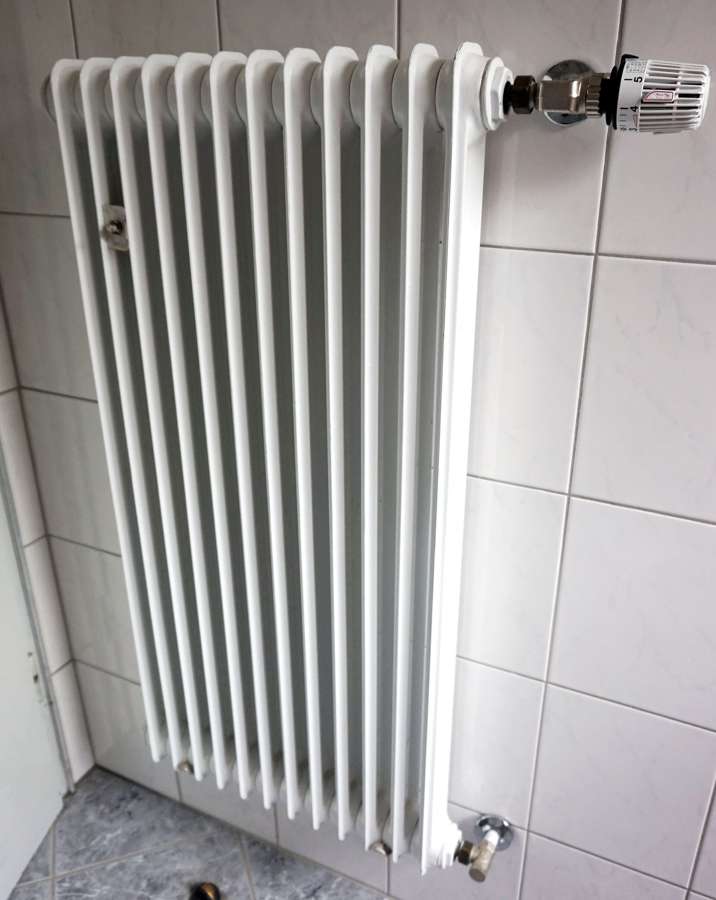
Heat the rooms you use. District-heating radiators with thermostatic heads let you turn down guest rooms; at 103-132 zł per GJ, unused heat is real money.
Watch the tariff calendar. Regulated prices change with URE decisions and tariff periods - the gas price above, for instance, runs to December 31, 2026. A January bill can differ from a December one without anyone notifying you personally.
*Data sources: URE and MPWiK as cited above, accessed October 21, 2026.*
Frequently asked questions
What is the average electricity price for households in Poland?
URE's official 2025 average for a household consumer, including distribution, is 0.9198 zł per kWh (excluding VAT), up from 0.8280 in 2024 and 0.5947 in 2021. Source: URE, average household electricity price table, page modified March 27, 2026, accessed October 21, 2026.
How much does water cost in Warsaw?
From July 11, 2026, MPWiK charges 6.48 zł per m³ for water and 9.87 zł per m³ for sewage (gross) - 16.35 zł combined per cubic meter, under a three-year tariff approved June 17, 2026. Source: MPWiK Warszawa tariff information, accessed October 21, 2026.
What does gas cost for a Warsaw household?
The regulated household commodity price is 197.29 zł per MWh (about 0.197 zł per kWh) through December 31, 2026, with distribution and subscription fees on top. Source: URE announcement on the myORLEN tariff, June 8, 2026, accessed October 21, 2026.
Are utilities usually included in Polish rent?
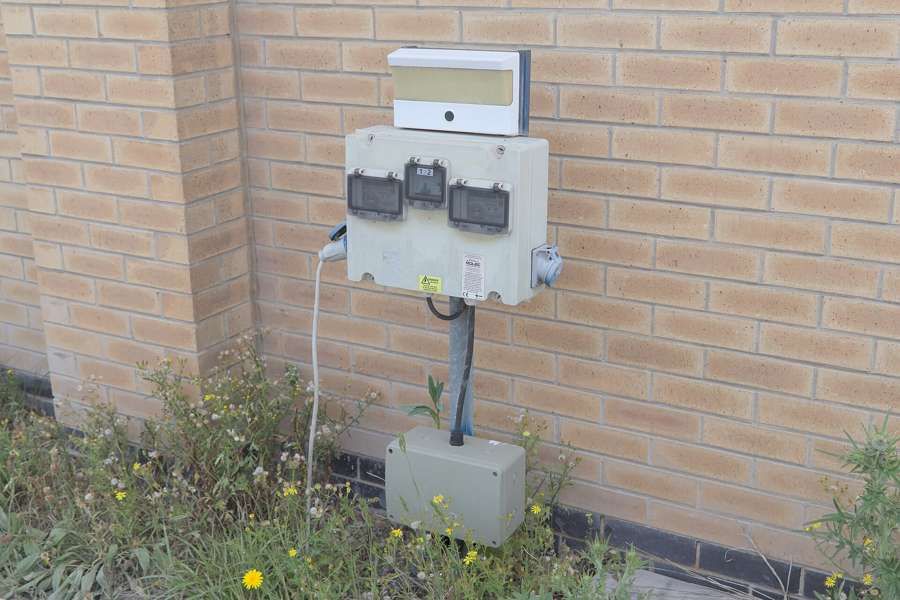
Usually not as a flat inclusion: heating and water are typically paid as monthly advances within the administration fee and reconciled annually against actual consumption, while electricity and gas are settled from meter readings. Ask how each cost is billed before signing. Source: billing practices described against URE and MPWiK price frameworks, accessed October 21, 2026. * Photos: a domestic heat radiator by Tiia Monto, CC BY-SA 3.0; an electrical connection box by Aethonatic, CC0, both via Wikimedia Commons*