Waste Sorting in Poland: Bin Colours and the Bottle Deposit
Short answer: Poland uses five bin colours: yellow metals and plastics, blue paper, green glass, brown bio-waste, black or grey mixed. Deposit bottles and cans return 50 gr or 1 zł since October 2025.
Poland has one nationwide waste sorting system, and the colours are the same in every town: yellow, blue, green, brown and black or grey. Since October 2025 there is also a bottle and can deposit scheme, where plastic bottles, cans and some glass bottles with a deposit mark earn you 50 grosz or 1 zloty back. This guide explains the bins, the exceptions and the deposit rules, using the official pages of the Ministry of Climate and Environment on gov.pl, read in October 2026. Your own gmina (municipality) sets the details, so check its local rules and collection calendar.
The five bins
The ministry says the system has five basic containers that differ by colour. The rules come from the Uniform Waste Segregation System (JSSO), which has applied across the whole country since 2017. Municipal waste is collected in four main fractions plus mixed waste.
- Yellow: metals and plastics. Plastic packaging from food products, multi-material packaging, aluminium packaging and non-ferrous metals.
- Blue: paper. Paper packaging, cardboard, catalogues, leaflets, newspapers, school and office paper and printed sheets.
- Green: glass. Bottles and jars from drinks and food, including bottles from alcoholic drinks and from vegetable oils.
- Brown: bio-waste. Anything biodegradable, such as vegetable and fruit scraps, branches from trees and shrubs, and cut grass.
- Black or grey: mixed waste. Everything that cannot be recovered through recycling, except hazardous waste.
Glass: one bin or two
The ministry notes that some gminas decided to separate white (colourless) and coloured glass. If your gmina does that, colourless glass goes into a white container and coloured glass into a green one. So if you see a white bin next to a green one in your building, that is why.
What the official rules say about the bins themselves
Under the regulation, containers and bags must protect the waste from losing quality, so that it can still be processed later. Containers may be coloured and labelled only partly, but the colour and label must cover at least 30% of the outer surface visible to users. Gminas must also provide selective collection in public areas in line with the system.
Textiles and electronics
There is no separate bin for textiles, because, per the ministry, there is too little of that waste. Since the beginning of 2025, gminas have had to organise textile collection points for clothes and shoes, and your gmina may set up a collection point near you. In the municipal selective waste collection points (PSZOK), you can also hand in textile waste and electronic waste. Ask your local gmina where the nearest PSZOK is and what it accepts.
The deposit system for bottles and cans
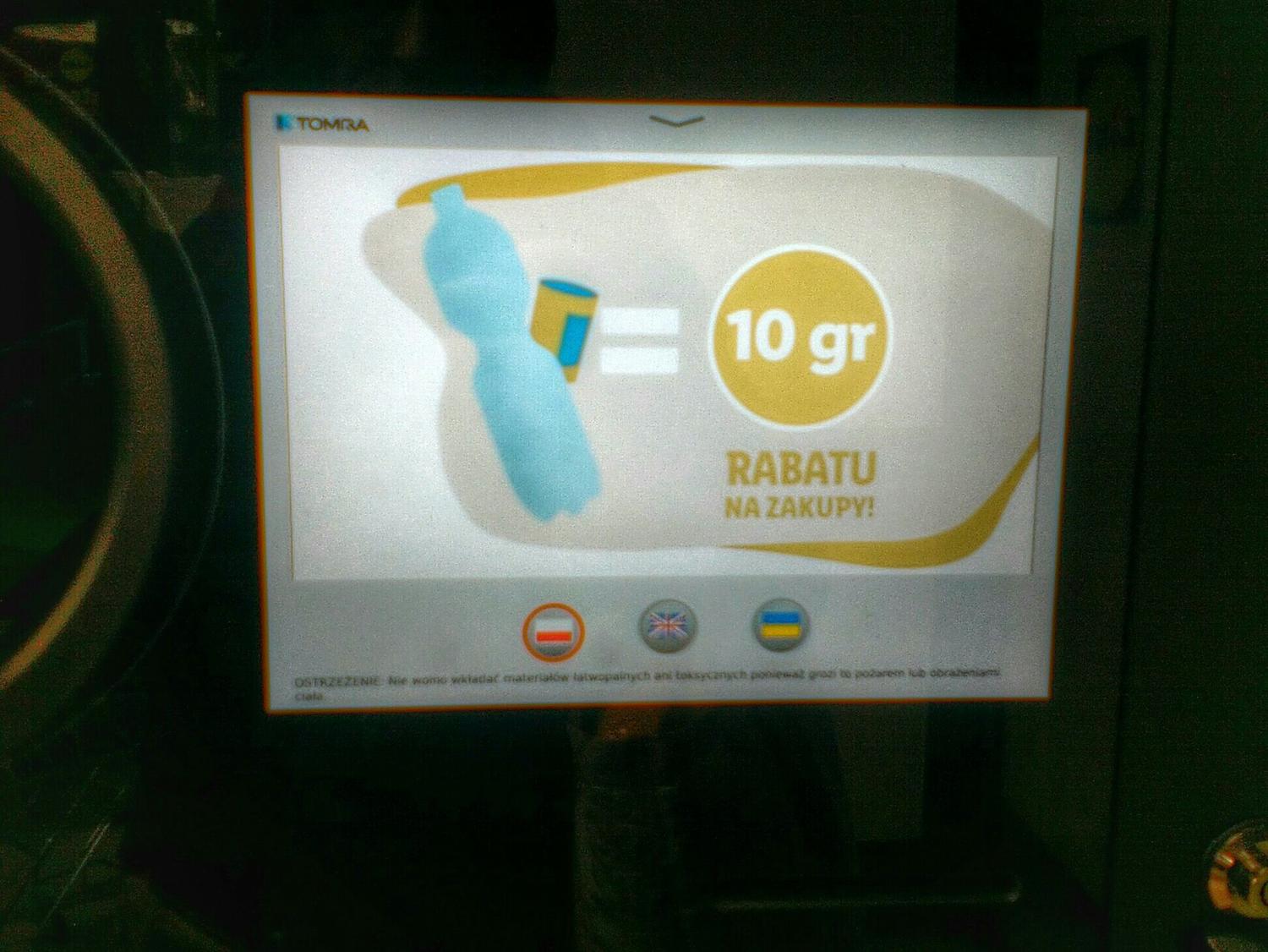
The ministry says the deposit system (system kaucyjny) has applied in Poland since 1 October 2025. You return the packaging and get the deposit back, and the packaging can then be recycled or reused. According to the ministry:
- Plastic bottles up to 3 litres: 50 groszy.
- Cans: 50 groszy. The start-up announcement says cans up to 1 litre.
- Reusable glass bottles up to 1.5 litres: 1 zloty.
You recognise covered packaging by the uniform deposit mark on the label. If the mark is there, the seller adds a deposit to the price and you have the right to get it back. Packaging with the mark appears in shops gradually.
You can return packaging at:
- all shops above 200 square metres that offer drinks in deposit packaging,
- smaller shops that have joined the system,
- deposit machines, which are also available outside shops.
You do not need a receipt, and you do not have to return the packaging to the shop where you bought it. The collection is done by hand, at the till or the customer service desk, or through special machines. You have the right to get the deposit back in cash.
Tips for expats
1. Ask your landlord or building administrator which bins your building uses, and whether glass is split by colour.
2. Check the collection calendar of your gmina. The official pages do not give pickup days, since they differ by municipality.
3. Keep deposit bottles and cans in a bag and take them to a larger shop or a machine, so you get your money back.
4. Renting? Ask your landlord how waste is handled in the building. Our guide to rental deposits and tenant rights covers other questions to ask.
Frequently asked questions
Which colour bin is for glass in Poland?
Green. Some gminas separate colourless glass (white bin) from coloured glass (green bin).
Where do kitchen scraps go?
Into the brown bio-waste bin, together with garden waste such as branches and cut grass, where your gmina collects bio-waste separately.
How much is the deposit on a bottle or can?
50 groszy for plastic bottles up to 3 litres and for cans, and 1 zloty for reusable glass bottles up to 1.5 litres, according to the Ministry of Climate and Environment.
Do I need a receipt to return a deposit bottle?
No. The ministry says no receipt is needed, and you can return the packaging at any collection point, not only where you bought it.
Where can I hand in old clothes and electronics?
Gminas organise textile collection points, and in the PSZOK (selective collection points) you can hand in textiles and electronic waste. Ask your gmina for the nearest one.