Yoga Classes in Poland: Choose and Book Your First Visit
The essentials: Choose the school’s actual beginner route, then confirm instruction language, whether booking is required, mat arrangements and cancellation conditions. A pass purchase is not always a reservation.
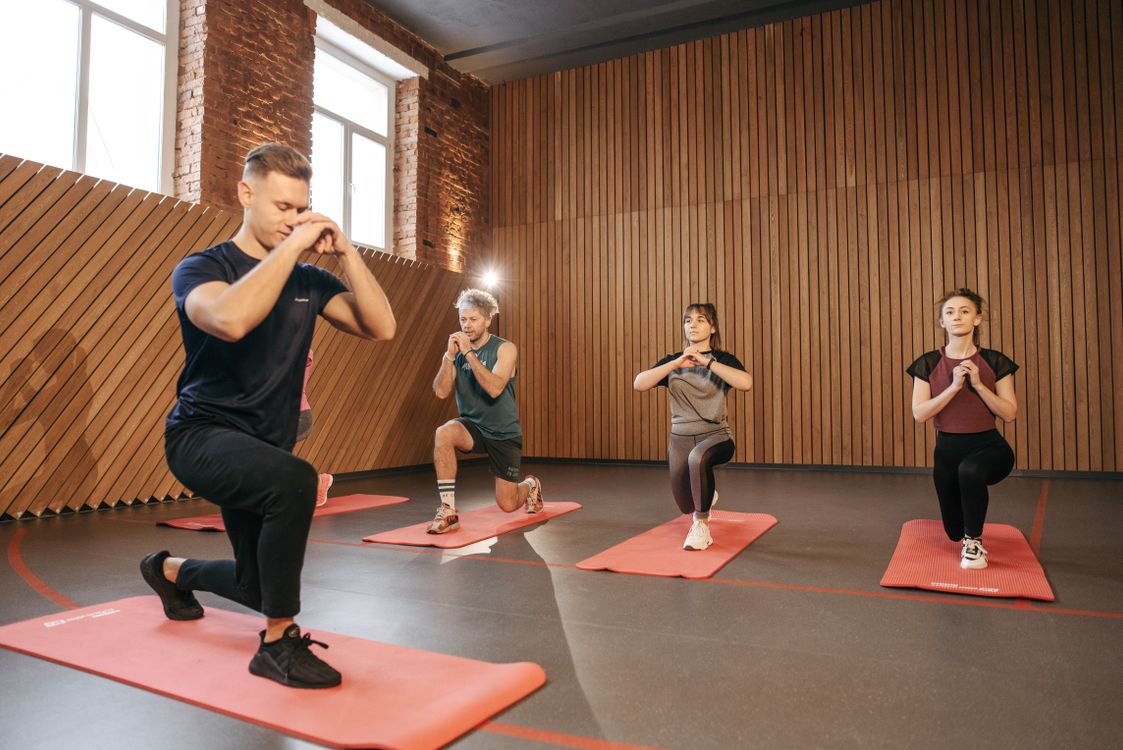
Cover: Pavel Danilyuk, source photograph, Pexels License. Image unchanged. Adults exercising on mats in a studio. General yoga-class context, not a pictured Polish school or posture instruction.
Finding a yoga class in Poland is not the same as finding the nearest room with a mat. Studios distinguish beginner courses, open groups, different styles and online sessions. Their booking and equipment arrangements also vary. A first visit is easier when you understand which class you are choosing and how that particular school expects you to arrive.
This guide concerns choosing and arranging an ordinary studio visit, not learning postures from a webpage. The named schools are examples of different operator arrangements, not a ranking or a promise of spaces. It gives no medical clearance, treatment claims or exercise prescription. Photographs are general yoga context, not the Polish schools described.
Start with a beginner route, not an impressive photograph
For beginners, początkujący is a useful word to find in a timetable. Read how the school defines its entry level rather than choosing a class because its promotional image looks calm or flexible. Pictures do not establish pace or prerequisites.
Joga Życia in Katowice recommends its beginner courses and identifies other options for people starting out. Joga Centrum Warszawa describes both beginner groups and its structured introductory course. These are actual school routes, not evidence that every session called yoga is intended for a first visit.
Ask the school which specific class accepts a complete beginner if the timetable leaves that open. Say whether you are starting from zero or returning after experience. Do not select an advanced class simply because the time is convenient and assume the teacher can remake the entire group session around you.
Distinguish a course from a drop-in group
A kurs can mean a planned sequence rather than unrelated visits. Joga Centrum describes its introductory course as a fixed group meeting twice a week, alongside beginner groups that can be joined on another basis. Read the actual structure before choosing.
A fixed course can involve a start date and a pattern of attendance. An open beginner group can offer a different way in. Neither arrangement is automatically better for every person; match it to the learning structure and calendar you actually want.
Do not assume a missed course session is equivalent to missing an optional drop-in. Ask about the school's own catch-up or attendance arrangements if that matters. This guide does not invent a national right to replace a missed class or promise that another session covers the same material.
Read the style and level together
A style name and a beginner label answer different questions. Joga Życia separates options for people beginning from options it describes for those with experience seeking a dynamic practice. Its first-visit page is a useful reminder to look beyond the broad word joga.
Read the class description and any prerequisite stated by the school. If you cannot tell whether the named style is suitable for a first visit, ask the operator to explain the actual session rather than assigning difficulty from a familiar-sounding title.
This article does not compare the physical effects of yoga styles or tell you which one treats a condition. A studio's marketing language about a class is not independent medical evidence. Keep the practical entry-level question separate from a personal health decision.
Confirm the language of instruction
If you need English teaching, ask whether the specific session is taught in English, bilingually or in Polish. An English booking button or a receptionist who answers in English does not settle the language used during the class.
Explain what you need clearly: spoken instructions, clarification before the session or another arrangement. Do not assume that copying a neighbour supplies the same understanding as being able to follow the teacher. Nor should a translated class title be treated as a language promise.
If the teacher or session changes, check the arrangement again. This guide does not name any school here as guaranteed English-speaking for every class. The useful commitment is the actual session and instructor, not a broad impression from the website.
Check whether booking is required
Studio examples show why you should not apply one rule everywhere. Joga Życia describes buying the relevant pass and then reserving through its timetable. Dom Kultury Jogi also requires reservations because places are limited. Joga Centrum's beginner-group information describes a different drop-in route without advance signup.
Read the route for the class you selected. A course registration and a regular-group visit can be different even within one school. Do not arrive from a general statement about yoga classes and assume an unreserved place will exist.
Keep a reservation confirmation if the system produces one. Buying a pass alone may not complete the class signup. Conversely, a school that allows a particular drop-in should not be described as requiring an online booking just because another school uses that system.
Understand a pass and a reservation as separate things
Karnet usually refers to a pass, while wejściówka can describe an admission. Read which classes the selected product covers, its validity and whether a separate reservation is needed. A payment product and a place in a particular class do different jobs.
Joga Życia's instructions put pass purchase before timetable signup. That sequence makes the distinction visible. Do not assume that one purchase books all the classes you intend to attend or that an unused balance holds a mat space.
This guide does not repeat a full gym-contract tutorial or sports-card comparison. The yoga-specific question is how the selected course or group handles entry. Check the actual product rather than relying on a familiar membership word used elsewhere.

Read cancellation and deposit details before confirming
Dom Kultury Jogi's FAQ describes a booking deposit held for a reservation and returned to the wallet after the attended class is processed. It also gives a cancellation cutoff and says a missed, uncancelled reservation can forfeit the deposit.
That is an example of why a class advertised as a free first visit is not automatically a no-obligation reservation. Read the connected conditions and any money at risk. This article does not promise the same deposit system at other schools or quote it as a national rule.
If your attendance is uncertain, check the actual cancellation route and deadline before reserving. A message to a teacher may not be the method the system recognises. Retain the confirmation of a cancellation rather than assuming that closing the app removed the booking.
Ask what equipment is available
You may not need to buy a mat before the first class. Joga Życia says mats and other props are available on site. Joga Centrum describes equipment in the room and a school-mat rental. Dom Kultury Jogi encourages bringing a mat while describing an option for a first visit.
Those differences matter more than a universal packing list. Ask whether a mat is supplied, borrowed or rented and whether any charge applies. Do not tell another newcomer to buy equipment because your previous school happened to require it.
A prop photograph is not an instruction for using it. Wait for the teacher's guidance about the actual equipment in the room. This article supplies no posture sequence, adjustment method or advice to copy an exercise from a stock image.
Read clothing and arrival instructions for that school
The cited schools advise comfortable clothing and describe their own footwear arrangements. Check what your chosen session asks for rather than converting one studio's barefoot practice into a rule for every yoga-related activity.
Joga Życia and Joga Centrum both advise arriving ahead of the start for a first visit. That gives time to find the room, speak to reception and identify yourself as new. Use the operator's current instructions if the building or class needs a different arrival process.
Do not assume a late-entry arrangement from another school. Joga Życia gives its own guidance about entering without disturbing a relaxation period. For your visit, ask staff when uncertain rather than opening a class door from a guessed rule.
Share relevant concerns privately, without treating the class as treatment
If an injury, health concern or other circumstance affects participation, raise it through an appropriate private conversation before joining. An instructor needs to understand what you are asking, but a general group class is not automatically medical assessment or rehabilitation.
This guide does not repeat studios' individual health-related advice as universal guidance. If medical suitability is unresolved, seek qualified advice and establish what the school can actually offer. A beginner label does not certify safety for every condition.
You can also ask about the teaching approach, including how corrections are given and whether you can decline hands-on assistance. These are practical consent and communication questions to settle with the teacher, not assumptions that should be made from a welcoming photograph.
Choose the second visit from what you learned
After the first class, consider whether you could follow the language, understand the entry level and manage the course or booking pattern. Ask the school about the next appropriate step instead of automatically buying the largest pass.
Keep the distinction between enjoying a session and being promised a result. This guide makes no claim about flexibility, pain relief, mental health or how quickly anyone should progress. The choice here is an informed class arrangement.
A useful first yoga visit brings together the right entry route, understandable instruction, a confirmed place where required and clear equipment and cancellation terms. Those checks do more for a calm arrival than trying to master a long list of postures before you have met the teacher.
Frequently asked questions
Must I buy a yoga mat before my first class?
Not necessarily. The cited schools describe different supplied, borrowed or rented options. Check your actual school and any charge.
Are all yoga classes advance-booking only?
No. The cited schools describe different beginner-group and reservation routes. Read the instructions for your selected class.