Bedbugs in a rented flat in Poland: what to do and who to contact
The essentials: Document physical evidence, notify the landlord and building administrator, contain suspect belongings and arrange a bedbug specialist. Sanepid does not perform disinsection. Agree payment in writing rather than assuming every landlord must pay.
Finding unexplained bites after a night in your Polish flat is unsettling. Finding an actual bedbug is worse, especially when the landlord, building administrator and pest-control company all speak Polish. The useful first move is not to throw out the mattress or spray every surface. It is to establish what you have found, contain the problem and get the people responsible for the building involved.
Bedbugs are called pluskwy in Polish, usually pluskwy domowe. They are not proof that a home is dirty. Poland's sanitary inspectorate in Kalisz explicitly says they can appear in any flat, while the US Centers for Disease Control and Prevention notes that cleanliness does not determine whether they are present. This guide separates practical pest-control advice from the less straightforward question of who pays in a rented home. Sources were checked on 26 October 2026.
First, check that it really is bedbugs
Bites alone do not confirm an infestation. CDC's diagnostic guidance says the skin reaction is not specific to bedbugs: identification of an insect collected near the sleeping area is better evidence. Fleas, mosquitoes and other causes can leave similar marks, and different people react differently. Do not assume the absence of bites on your partner means the bedroom is clear.
Look around mattress seams, the bed frame and headboard, nearby furniture and cracks. The Kalisz sanitary inspectorate lists blood spots on bedding, dark faecal dots and insects in hiding places among the signs. CDC also lists shed skins. Take clear photographs and note the date and room. If you can safely contain an insect, keep the specimen in a sealed container for a pest specialist rather than crushing the only evidence.
You do not need to dismantle electrical sockets or move heavy furniture to make your own diagnosis. Ask a company experienced in bedbugs to inspect difficult areas. Keep the evidence factual: "insect found in mattress seam" is more useful than an unsupported claim that the entire building is infested.
What to do before treatment
Contain suspect textiles before carrying them through the flat. Put them in sealed bags and tell the pest-control company what you have bagged. Avoid moving untreated bedding, furniture or loose clothing into another bedroom, a friend's home or communal storage. EPA's bedbug-control guidance puts preventing spread before treatment and recommends sealing infested items for handling.
Kalisz recommends washing and drying suitable textiles at at least 60°C, vacuuming crevices and promptly disposing of vacuum bags. Check fabric-care instructions and ask the contractor how to handle items that cannot tolerate heat. A laundry programme is not a complete treatment for a bed frame, sofa or room. Follow a coordinated plan rather than repeatedly washing everything while the hiding places remain untreated.
EPA warns against trying to heat a home with the thermostat, a fireplace or propane heater to kill bedbugs. Do not improvise whole-room heat treatment. Nor should a Polish winter balcony be treated as a dependable pest-control service: the temperature inside a bag of belongings is not necessarily the outdoor temperature. Ask for an item-specific method instead.
Tell the landlord and building administrator
Send a short written report promptly, with photographs and the date you first noticed signs. Contact the landlord and, where appropriate, the building administrator: administracja, zarządca, spółdzielnia or the manager acting for the wspólnota mieszkaniowa. Ask who will coordinate inspection and whether nearby flats or common areas need attention.
Poznań's regional sanitary inspectorate explains that insects can spread through belongings and within multifamily buildings. It says effective action can require treatment of both flats and the relevant common parts of the building. Treating your bed while a neighbouring source remains unchecked may not solve the problem. This is a reason to coordinate, not to accuse a particular neighbour of causing it.
A useful Polish message is: "Podejrzewam obecność pluskiew w mieszkaniu. Przesyłam zdjęcia. Proszę o pilny kontakt i ustalenie oględzin oraz sposobu dezynsekcji." It means: "I suspect bedbugs in the flat. I am sending photographs. Please contact me urgently to arrange an inspection and agree how treatment will be handled." Keep copies of replies, inspection reports and invoices.
Does the landlord have to pay?
Do not assume that every Polish rental situation has the same answer. The Bydgoszcz sanitary inspectorate's published FAQ says the owner or manager must maintain the property in a proper sanitary condition, that the administrator handles common-area disinsection, and that occupants bear the costs of treatment in individual flats. Poznań likewise identifies the administrator's responsibility for common areas.
That public-health guidance is useful, but it is not a decision resolving your particular rental contract, the condition of the flat when handed over, or a disputed reimbursement claim. A furnished flat with a documented pre-existing infestation raises different factual questions from an infestation discovered much later. Before booking an expensive package, ask the landlord in writing who authorises the work and who will pay, and request an itemised quotation.
If payment is disputed, preserve the handover record, dated photographs, messages and the contractor's findings. Seek individual legal or consumer advice rather than withholding rent or deducting a bill on the strength of a general internet guide. Do not let the cost argument replace the immediate task of agreeing safe containment and an inspection.
Sanepid is not a free exterminator
A common misunderstanding is that the sanitary inspectorate will identify the insect, visit the flat and perform treatment. Both the Bydgoszcz and Poznań inspectorates say they do not carry out disinsection or identify insects. Their published advice points residents towards owners, managers and specialist contractors.
The service to search for is dezynsekcja pluskiew. Firms also use DDD, meaning dezynfekcja, dezynsekcja i deratyzacja: disinfection, insect control and rodent control. Ask specifically about bedbugs, not simply a generic cleaning service. If you contact a sanitary station about a building-wide sanitary concern, describe the issue and ask what falls within its remit; do not expect that contact to replace booking appropriate pest control.
Questions for a pest-control company
Ask how the company will confirm the insect and assess the extent of the problem. Request the proposed method, preparation instructions, the total price including any follow-up visits, and the conditions attached to any guarantee. There is no verified nationwide flat rate in the sources used here, so a precise-looking national price would be misleading.
Tell the contractor about children, pregnancy, pets, aquariums, respiratory conditions and any difficulty leaving the flat. Ask how long people and animals must stay away, what must be protected or removed, when rooms can be ventilated and used again, and which surfaces should or should not be cleaned afterwards. Obtain those instructions in a language you understand before treatment starts.
Poznań's inspectorate says the method should take account of the safety of occupants and minimise adverse effects. A promise that something is "safe" is not a substitute for product-specific instructions. Ask who will coordinate with the administrator if the inspection suggests a wider problem. A treatment plan should also explain what counts as success and when to report fresh signs.
Avoid the spray-and-fogger trap
Kalisz warns that bedbugs are often resistant to popular insecticides and that independent spraying usually does not eliminate the problem. EPA says total-release foggers should not be the sole method: spray may not reach the cracks where insects hide, while improper use can cause illness, fire or explosion.
EPA is a US authority, so its US pesticide-registration instructions are not Polish product authorisations. In Poland, use only a product appropriate for the intended use here and follow its label, or leave the choice and application to the specialist. Never mix products, apply an outdoor product indoors or spray bedding because an online comment recommends it.
Alcohol, petrol and kerosene are not sensible household remedies. EPA specifically warns about their risks and flammability. More chemical does not mean more effective treatment. Tell the professional about anything already applied so they can plan safely.
Should you throw away the bed?
Not automatically. EPA advises against discarding furniture if it can be treated safely. Ask the inspector whether the mattress, frame and upholstered furniture can remain and what preparation is needed. Throwing out a bed can cost money without addressing insects elsewhere in the room.
If disposal is necessary, agree safe wrapping and removal with the contractor and building manager. Do not leave an unmarked infested sofa for another resident to take home. EPA recommends clearly identifying discarded infested furniture and preventing reuse; local waste arrangements still need to be followed. Never sell or donate an untreated item while concealing the problem.
Photograph items before disposal and keep records if payment is disputed. Replacing furniture should be part of the treatment plan, not a panicked first purchase followed by bringing a new mattress into an untreated room.
Bites, sleep and follow-up
CDC says bedbugs are not known to spread diseases to people, but bites can cause itching, lost sleep and, rarely, allergic reactions. Scratching can lead to secondary skin infections. Ask a pharmacist or clinician about troublesome symptoms, and seek medical help for a suspected allergic reaction rather than trying stronger household chemicals.
After treatment, follow the company's instructions and keep a dated record of fresh insects or other evidence. EPA notes that retreatment may be needed and that control can take weeks or months depending on the infestation and cooperation within the building. A single quiet night does not prove everything is gone. Equally, bites alone are not a reliable way to judge whether treatment failed.
For future travel and second-hand purchases, inspect luggage and furniture before bringing them into sleeping areas. Kalisz advises against putting travel bags on the bed; the Police sanitary station's guidance of 25 September 2023 also recommends inspecting second-hand furniture and avoiding discarded items. These habits reduce risk without turning everyday life into a constant inspection.
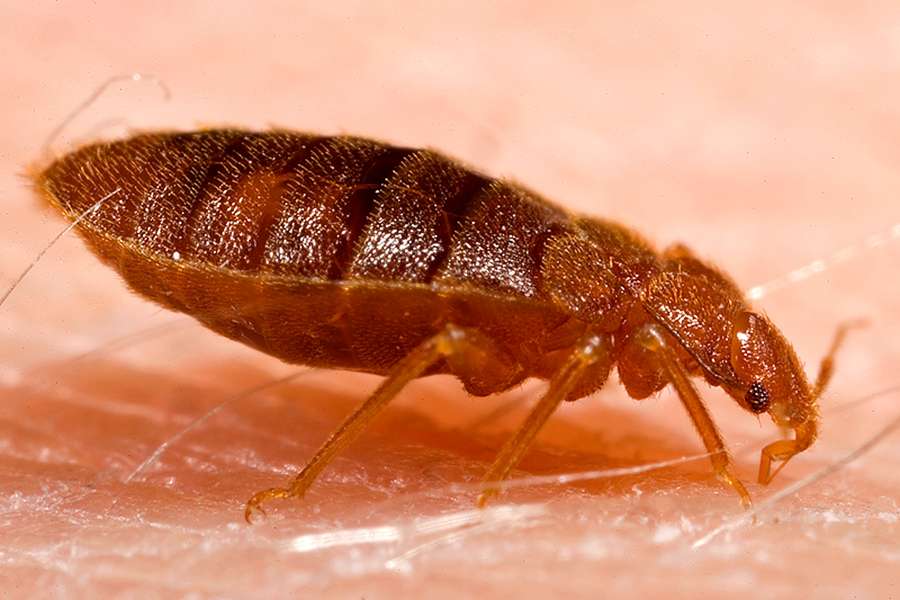
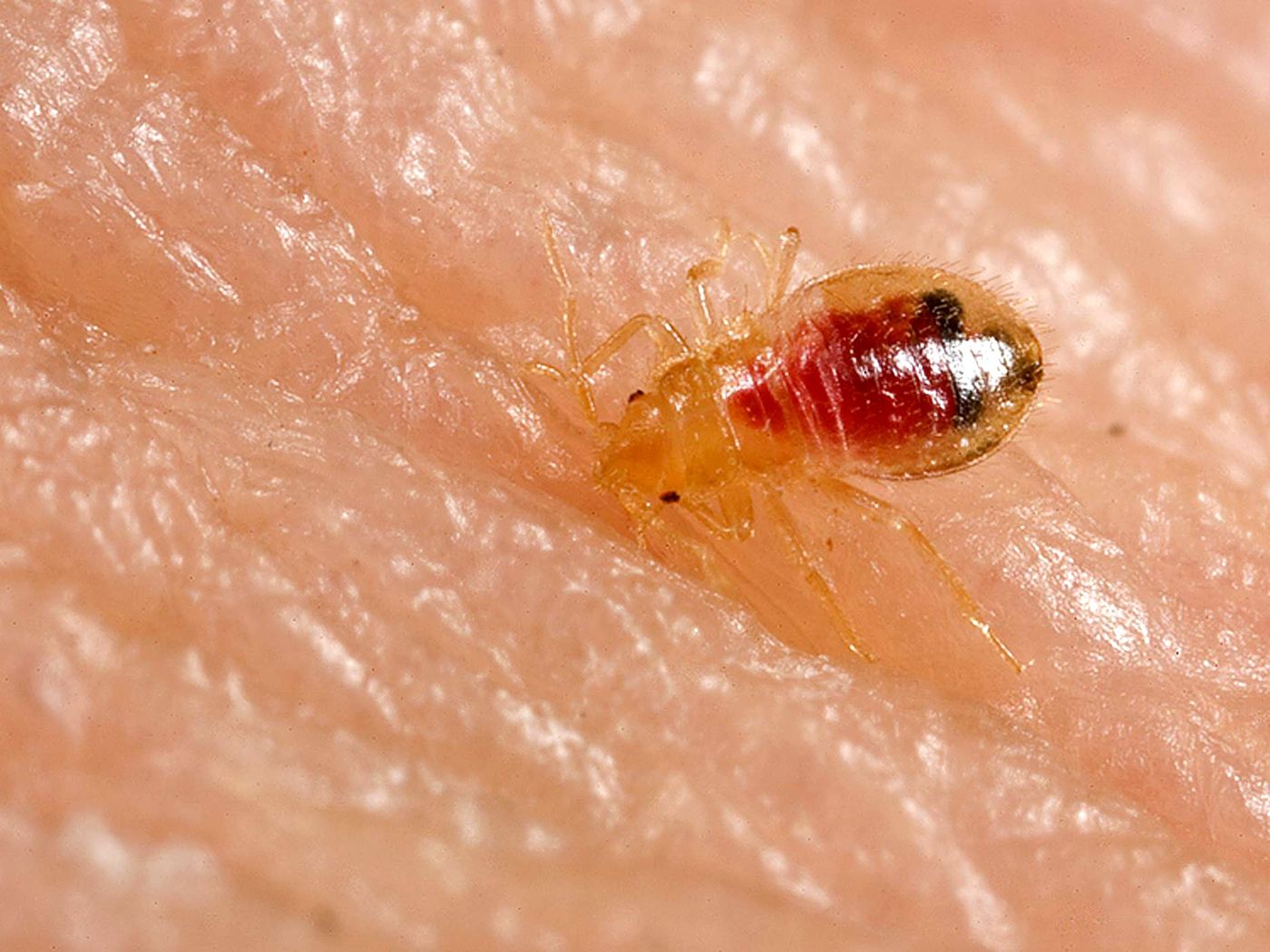
*Photographs: adult bedbug and bedbug nymph, Piotr Naskrecki; CDC/Harvard University, Dr. Gary Alpert, Dr. Harold Harlan and Richard Pollack, 2006. Public domain via Wikimedia Commons. These are educational close-ups on a voluntary human host, not photographs of a Polish flat or a local infestation.*
Frequently asked questions
What is the Polish word for bedbugs?
Pluskwy, or pluskwy domowe. For treatment, search for dezynsekcja pluskiew; DDD is the broader category covering disinfection, insect control and rodent control.
Do bites in a line prove that I have bedbugs?
No. CDC says bite reactions are not diagnostic. Look for physical evidence and ask a bedbug specialist to identify an insect or assess the room.
Will Sanepid remove bedbugs from my flat?
The Bydgoszcz and Poznań sanitary inspectorates say they do not perform disinsection or identify insects. Notify the landlord or building manager and arrange a specialist inspection.
Is my landlord always responsible for the bill?
Do not assume so. Bydgoszcz's public guidance assigns common-area treatment to the administrator and individual-flat costs to occupants. Contractual disputes and pre-existing defects need individual assessment; agree payment in writing before commissioning work.
Can one spray treatment solve it?
Do not rely on that promise without an inspection and follow-up plan. Kalisz warns that popular insecticides may not work, while EPA says foggers alone do not reach all hiding places. Follow the specialist's preparation and monitoring instructions.
Sources
- Kalisz Sanepid: bedbugs guide (accessed 26 October 2026)
- Bydgoszcz Sanepid FAQ (accessed 26 October 2026)
- Poznań Sanepid: insects in apartment blocks (accessed 26 October 2026)
- Gryfice Sanepid: bedbugs (13 March 2025)
- Police Sanepid (25 September 2023)
- EPA: bedbug control (accessed 26 October 2026)
- CDC: about bedbugs (accessed 26 October 2026)
- CDC: diagnosis (accessed 26 October 2026)
- Cover photo: Piotr Naskrecki, CDC/Harvard, public domain
- Body photo: Piotr Naskrecki, CDC/Harvard, public domain