How to Find a Long-Term Rental in Warsaw Before Arriving in Poland
The essentials: Start 4-6 weeks out on Otodom and OLX, budget about 85 zł per m² plus fees (NBP Q2 2026), do live video viewings, expect one month's rent plus a 1-2 month deposit up front, and verify the owner in the free land register at ekw.ms.gov.pl before paying anything.
Most expats do it in the wrong order: they sign the first flat that answers in English, wire a deposit from abroad, and spend the first month discovering what the listing left out. Renting in Warsaw before you arrive is absolutely possible - people do it every month - but it rewards a method. This guide lays out the market as it actually stands, a realistic remote-search timeline, where to look, what landlords expect, how to view a flat you cannot physically enter, and the safer fallback strategy if nothing checks out in time. Figures and legal rules below come from official Polish sources, checked on 21 October 2026.
What the Warsaw Rental Market Looks Like Right Now
The most authoritative public numbers on Polish rents come from Narodowy Bank Polski's quarterly residential market report, built on its BaRN database of actual market data. The Q2 2026 edition (published in September 2026) puts the average Warsaw rent at 84.9 zł per square metre per month, excluding administrative fees and utilities. That was down 0.2% on the previous quarter but still up 5.6% year on year. The equivalent figure for the six other biggest cities (Gdańsk, Gdynia, Kraków, Łódź, Poznań, Wrocław) was 66.8 zł per square metre - so budget Warsaw as roughly a quarter more expensive than any other Polish city.
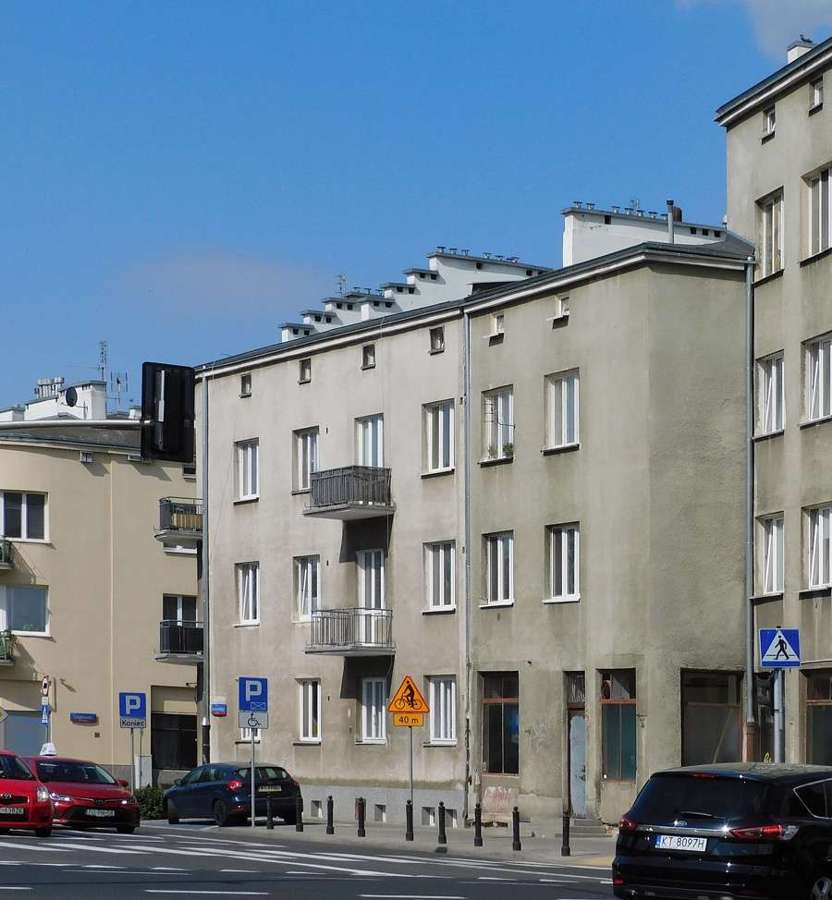
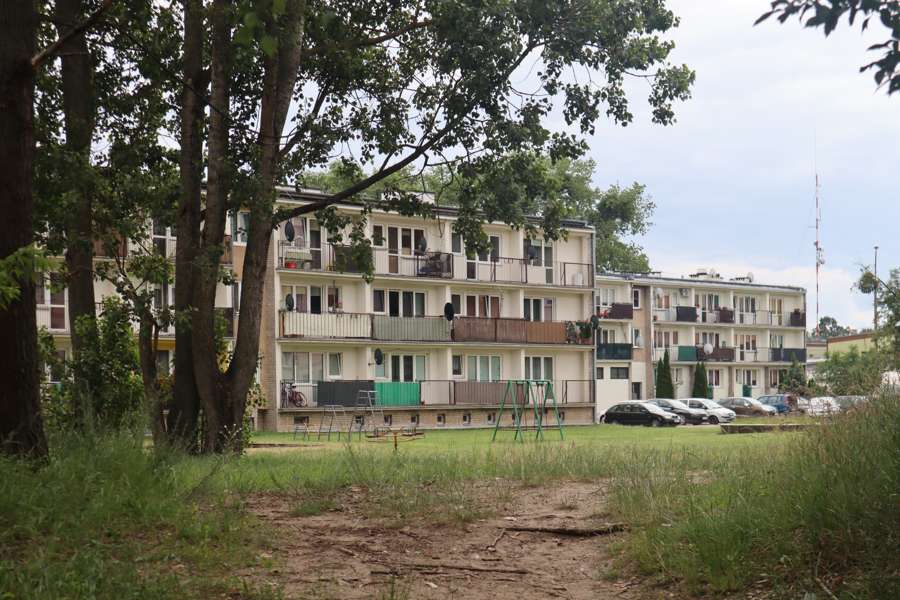
Read the average as a floor, not a ceiling: new-build one-bedrooms in central districts price well above it, and older panel blocks on the metro's outer stations sit below. As a rough illustration, multiplying the NBP average gives about 4,245 zł a month for a 50 m² flat - plus the administrative fee (czynsz) and utilities that listings often quote separately.
Two structural facts from the same report matter for a newcomer. First, rental supply is deep: the estimated investor return in Warsaw was a 5.8% capitalisation rate, which keeps private landlords active. Second, the institutional rental sector (PRS) reached about 32,000 units across Poland by June 2026, with Warsaw the largest market - a growing pool of professionally managed, English-friendly buildings that rent remotely by design.
Data source: NBP, Informacja o cenach mieszkań i sytuacji na rynku nieruchomości w II kwartale 2026 r. (nbp.pl), checked 21 October 2026.
The Realistic Timeline for a Remote Search
Six weeks before arrival is the sweet spot to start watching listings seriously; two to three weeks out is when you can actually close. Warsaw's good listings move in days, so a flat you fall in love with eight weeks before your flight will be gone - and most landlords will not hold a property for more than a week or two, because every empty week is lost rent.
A workable calendar:
- Weeks 6-4 out: learn the districts and price bands, shortlist streets, set saved alerts on the portals.
- Weeks 3-2: active contact - message listings within hours, do video viewings, keep your documents as one PDF you can send in a click.
- Final 2 weeks: negotiate, sign, pay, arrange key handover for arrival day.
If you need a flat secured more than a month ahead - for a visa appointment, a school place or family logistics - expect to compromise: either pay for the overlap weeks or accept a narrower choice, typically from institutional operators who handle remote contracts routinely.
Where to Search
Two portals dominate the market: Otodom and OLX. Both let you filter by district, size, price and furnishing, and both carry a mix of owner listings (marked as direct, bezpośrednio) and agency listings. Filtering to owner listings cuts out the agency fee but also cuts the stock roughly in half in popular districts; filtering to agencies gives you more options and more predictable paperwork at a price.
Facebook expat and housing groups generate real leads - especially flatshares and short sublets - but they also concentrate the market's worst actors. Treat any group listing with the same checks described in the red-flags section below, and never treat a friendly chat tone as verification.
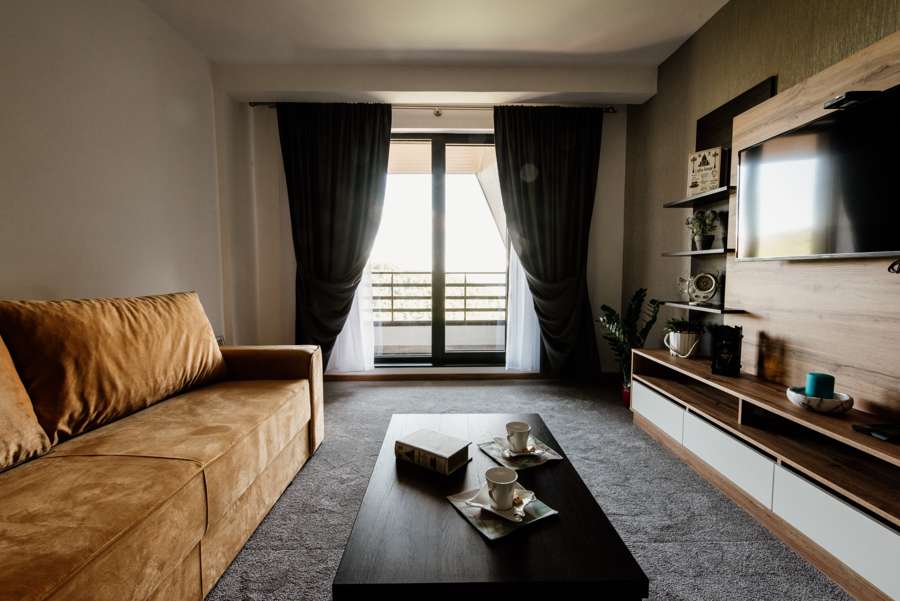
Relocation agencies and the institutional build-to-rent operators are the remote-friendly end of the market: standardised contracts, English-speaking staff, online viewings, predictable deposits. You pay for that convenience in rent, but for a first landing with children or a tight start date it is often the rational premium.
What Landlords Will Ask of You
Paperwork for a private tenancy is lighter than newcomers expect: a passport is enough to sign a lease, and a PESEL number, while helpful, is not legally required. What landlords actually weigh is proof you can pay - an employment contract or employer letter, sometimes bank statements. Without Polish credit history or local references, some owners simply ask for a larger deposit instead.
On money, budget this order of magnitude for move-in:
- Deposit (kaucja): typically one to two months' rent. The legal ceiling under the Tenant Protection Act is twelve times the monthly rent, so the custom is market practice, not law - but one to two months is what you will actually see.
- First month's rent, paid before or at key handover.
- Agency fee if the listing came through an agency: customarily one month's rent plus VAT, one-off.
- Monthly thereafter: rent plus the administrative czynsz and utilities, which in Warsaw commonly add several hundred złoty on top of the advertised figure - always ask for the all-in monthly total.
If you pay anything before a signed contract, treat it as at risk. The one partial exception is a written reservation agreement naming the property, the parties and the amount - common with agencies and institutional operators, rare with private owners.
Data source: ustawa o ochronie praw lokatorów, consolidated text Dz.U. 2023 poz. 725, art. 6 (ISAP/eli.gov.pl), checked 21 October 2026.
Viewing a Flat You Cannot Visit
A live video viewing beats every photo gallery. Ask the agent or owner to walk the flat on a call with you, and direct it like an inspection: open the windows so you hear the street, run the taps and the shower, open every cupboard, show the view from each window, the corridor and staircase of the building, and the walk from the front door to the lift. Ask for the meter readings and a photo of the most recent utility bill if fees are "approximate".
The stronger option is a person on the ground: a colleague, a friend, or a hired relocation agent who attends in person and reports honestly. If you end up signing before arrival, a power of attorney (pełnomocnictwo) lets that person sign and collect keys for you; a simple written attorney document is enough for a lease, no notary needed for this act.
The Contract, Signed From Abroad
You will meet two lease types. The standard residential lease is the default. The occasional lease (najem okazjonalny) is the one most landlords prefer for foreign tenants: it requires the landlord to attach a notarized statement and the tenant to indicate another address they could move to if evicted - which is precisely why owners consider it safer with someone new to Poland. Neither type is a red flag in itself; both are standard instruments under the Tenant Protection Act. Our guide to deposits, rent rises and najem okazjonalny covers the mechanics in detail.
Signing remotely is routine: the owner or agency couriers two signed copies, you sign and return one, keys follow at handover. Whatever the type, insist on a handover protocol (protokół zdawczo-odbiorczy) with an inventory and meter readings, and photograph everything on day one - this document, not the listing photos, decides your deposit arguments later.
Data source: ustawa o ochronie praw lokatorów, Dz.U. 2023 poz. 725, art. 19a-19d (ISAP/eli.gov.pl), checked 21 October 2026.
The Landing-Pad Alternative
The strategy that quietly outperforms remote signing for most people: book three to six weeks of serviced apartment or aparthotel for arrival, then hunt on the ground. Viewings happen same-day, you see the street at night before committing, and you negotiate from inside the market instead of from an airport lounge. The landing pad costs more per week than the flat you will end up in, but the all-in difference is usually smaller than one bad remote decision - a flat above a construction site, a "furnished" flat with two chairs, or a deposit wired to a person who never owned the place.
Remote signing makes sense when your start date is hard (school term, job start), when an institutional operator offers a unit you can verify, or when someone you trust has physically walked the flat. Otherwise, buy yourself the landing pad.
Red Flags Specific to Renting From Abroad
Our Warsaw rental scam guide goes deep; the remote-search version compresses to four rules. Never pay a deposit before a viewing - video counts as a viewing, a photo gallery does not. Walk away from "I am abroad, the keys are with a shipping company" stories in any variation. Be suspicious of rent clearly below the district's band combined with urgency. And verify ownership before money moves: Polish land and mortgage registers (księgi wieczyste) are public and free to search on the Ministry of Justice viewer at ekw.ms.gov.pl - the registered owner's name should match the person you are paying, or the agency's written mandate.
Data source: Ministry of Justice electronic land register viewer (ekw.ms.gov.pl), checked 21 October 2026.
Frequently asked questions
How much is rent in Warsaw right now?
NBP's Q2 2026 report puts the average at 84.9 zł per m² per month, excluding fees and utilities - down 0.2% on the quarter, up 5.6% on the year. That makes a 50 m² flat roughly 4,245 zł a month on the average, before czynsz and utilities, with new central builds well above and outer-district blocks below.
Can I sign a Polish lease before I arrive in Poland?
Yes. A passport is enough to sign, contracts can be exchanged by courier, and keys are collected at handover. Many landlords will propose an occasional lease (najem okazjonalny) with a notarized attachment - a standard instrument, not a trap. The practical hurdle is the viewing, not the signature: arrange a live video walkthrough or a trusted person on the ground.
How much money do I need upfront to rent in Warsaw?
Typically three months' worth at signing: one month's rent, a deposit of one to two months, plus an agency fee of one month plus VAT if the listing came via an agency. The deposit is capped by law at twelve times the monthly rent, but the market custom is one to two months.
How do I check the person renting the flat really owns it?
Search the property's land and mortgage register (księga wieczysta) on the free Ministry of Justice viewer, ekw.ms.gov.pl. The registered owner should match the person signing and being paid, or the agency should show a written mandate from that owner. If anyone resists giving you the register number or the address needed to check, stop.