Żoliborz vs Saska Kępa: Costs, Lifestyle and Transport
The essentials: Żoliborz: garden district on metro M1 (Plac Wilsona, Marymont), more rental stock, ten minutes to the centre. Saska Kępa: modernist-villa village, no metro or tram, buses only, quieter and bohemian. Both premium-priced. Pick Żoliborz for commute speed, Saska Kępa for character and calm.
Two villages, one city - and a river between them
Ask Warsaw expats to name the city's most liveable premium neighbourhoods and two names come back with unusual consistency: Żoliborz, north of the centre on the left bank, and Saska Kępa, just across the Vistula on the right. They attract the same people - professionals, diplomats, families with school-age children, long-settled foreigners - yet daily life in them feels completely different. Żoliborz is a garden district wired into the metro. Saska Kępa is a village of modernist villas that happens to sit fifteen minutes from the city centre. Choosing between them is less about budget (both are expensive by Warsaw standards) than about which version of quiet you want.
This comparison covers what actually decides the choice: character, transport, housing stock, costs, and the daily texture of each - with the official sources where facts matter.
Character: garden city vs village of villas
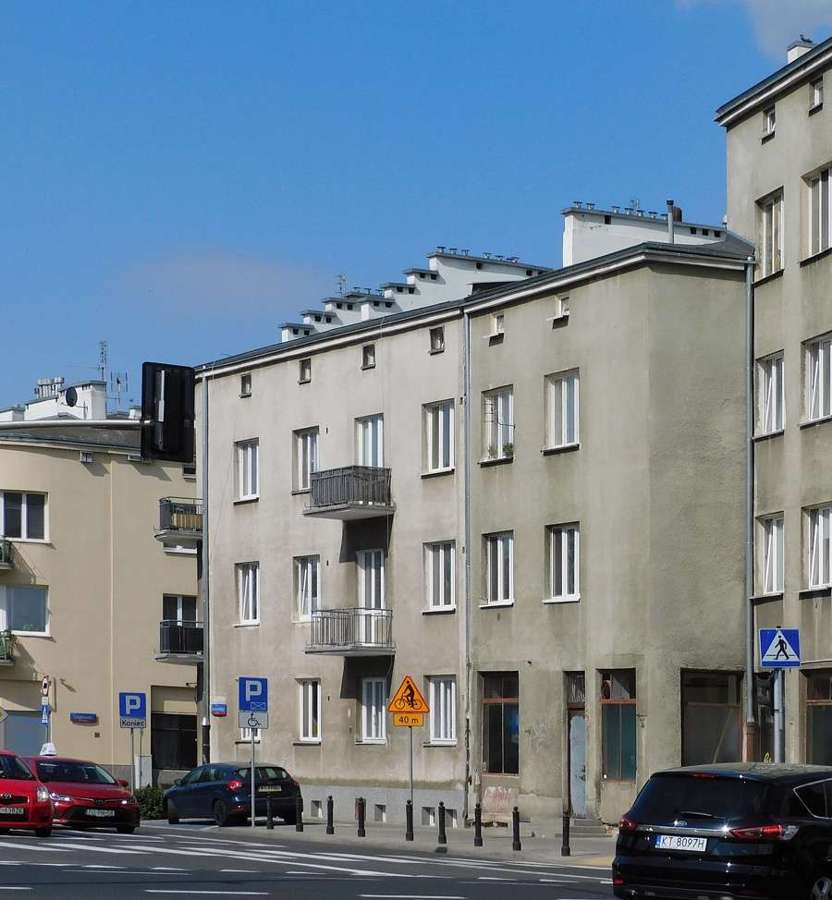
Żoliborz was built in the interwar period as a planned garden district for Warsaw's professional classes, and it still reads that way: low-rise pre-war housing cooperatives and officers' villas set among mature trees, small squares, and a street life organised around Plac Wilsona. The district's pre-war core - Żoliborz Oficerski and Dziennikarski - is a protected monument of urban planning, and it shows: this is one of the few parts of Warsaw where the 1930s street plan survives almost intact. The mood is orderly, green and self-consciously local; residents describe Żoliborz as a small town that votes, plants and complains like one.
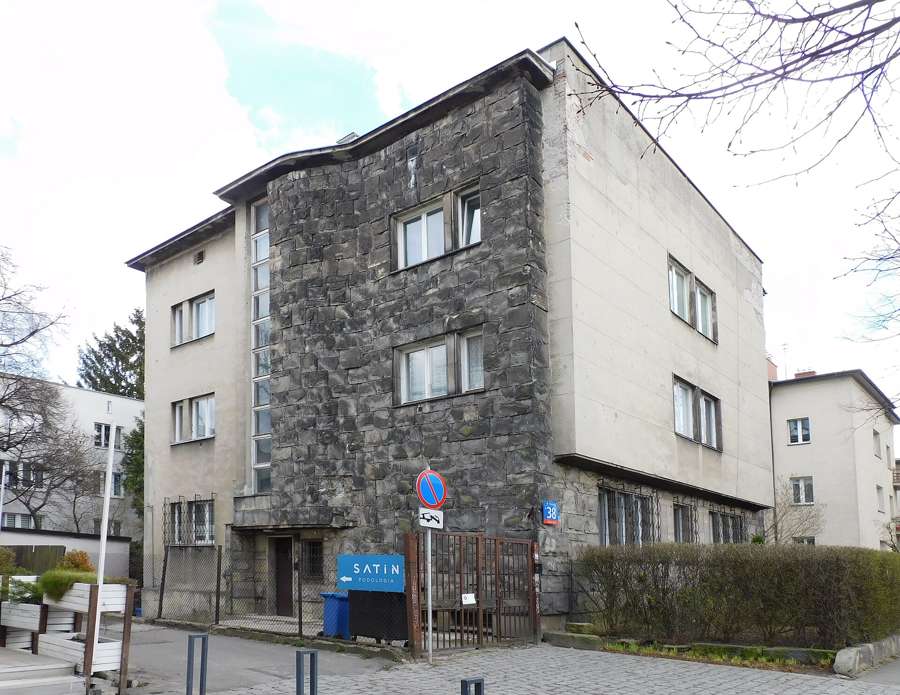
Saska Kępa is the right bank's answer, and it is stranger and looser. Developed in the 1920s and 30s as a villa suburb, it holds Poland's densest collection of interwar modernist villas - functionalist white cubes and ribbon-windowed houses that survived the war because the district, alone on the right bank, was largely spared systematic destruction. Today it mixes those villas with low apartment buildings, embassies, and a main street - Francuska - that functions as the neighbourhood's living room: cafés, restaurants, small shops, and a pace visibly slower than anywhere on the left bank. Where Żoliborz is tidy, Saska Kępa is bohemian: artists, architects, diplomats, and a dog on every second walk.
Transport: the decisive difference
This is where the two neighbourhoods genuinely part company, and for many expats it decides the question.
Żoliborz is on the metro. Line M1 runs through the district with stations at Plac Wilsona and Marymont, putting the city centre (Świętokrzyska) about ten minutes away and the southern business corridor in easy reach without a transfer. A dense tram network (along Mickiewicza and the western edge) plus buses cover what the metro does not. Living in Żoliborz, a car is genuinely optional.
Saska Kępa has neither metro nor tram. The district runs on buses along Aleja Stanów Zjednoczonych and its side streets, plus the M2 metro at Stadion Narodowy - reachable on foot across the Poniatowski Bridge from the neighbourhood's northern edge, a walk of fifteen to twenty minutes from most addresses. For the centre this works well; for commutes elsewhere on the left bank, Saska Kępa residents plan around the river crossings, and rush hour on the bridges is a real constraint. The neighbourhood's defenders point to what this buys: through-traffic largely bypasses Saska Kępa, which is precisely why it stays village-quiet. Change is coming nearby - the city is advancing a new tram line to the Gocław estate (about 3.6 km of new track from the Rondo Wiatraczna area, now in executive design) - but that route serves Gocław to the south-east rather than central Saska Kępa, so treat it as a district-level upgrade, not a Saska Kępa station.
Data source: Warsaw Public Transport (WTP) network; City of Warsaw news on the Gocław tram design contract (um.warszawa.pl), checked October 21, 2026.
Housing stock and costs
Both neighbourhoods sit in Warsaw's most expensive tier - premium districts with limited supply and strong demand - so the real comparison is in what your money rents or buys.
Żoliborz offers pre-war cooperative flats (high ceilings, thick walls, the occasional unrenovated staircase), interwar villas mostly subdivided or institutional, and a growing band of new infill developments along its edges. Pre-war flats dominate the rental market: character-rich, variably renovated, and priced at a premium for the district's combination of greenery and metro access.
Saska Kępa offers something rarer: whole-house living inside the city. Detached and semi-detached villas (many protected as monuments, which limits modification) sit alongside small pre-war blocks and a sprinkling of discreet new developments. Flats here are fewer than in Żoliborz, and houses - for the rare expat family that rents one - command Warsaw's highest residential prices. The stock is thinner overall: when a good Saska Kępa rental appears, it moves fast.
Practical cost notes common to both: expect the premium to show up not only in rent but in the local shops and cafés (both neighbourhoods price like the affluent enclaves they are); expect competition for the best units in late summer, when the diplomatic and corporate relocation season peaks; and expect older buildings in both districts to come with the usual pre-war caveats - check heating type, window condition and the building's renovation fund before signing.
Daily life: the texture
Żoliborz runs on Plac Wilsona and its surrounding streets: cafés, bakeries, a weekend farmers' market culture, and an unusually strong local identity (the district even has its own festivals and civic initiatives). Green space is built in - small squares everywhere, the Kępa Potocka park and the Vistula escarpment walks at its edges. It suits expats who want Polish-neighbourhood authenticity without giving up metro speed: families, academics, professionals working along the M1 corridor.
Saska Kępa runs on Francuska and the rhythm of a village: morning coffee on the same terrace, the dog loop past the modernist villas, summer evenings in Skaryszewski Park (one of Warsaw's best, on its southern border) and along the Vistula's wild right-bank beach strip, which starts at the neighbourhood's edge. It has a concentration of embassies and a correspondingly international resident mix - walking Francuska you will hear as much English, French and Spanish as Polish. It suits expats who work from home or near the centre, prize quiet and character over commute speed, and want the city's most distinctive streetscape outside their window.
Schools and family infrastructure exist in both - Żoliborz with a denser mesh of municipal schools and preschools, Saska Kępa with its own local institutions plus proximity to international-school bus routes across the river. Both districts are as safe as Warsaw gets, which is to say very.
The river factor: bridges, bikes and the right-bank rhythm
The Vistula shapes this comparison more than any statistic does. Żoliborz sits on the same bank as almost everything - the centre, the main business districts, the airport train - so its residents rarely think about the river at all. Saska Kępa residents think about it daily, and the relationship is double-edged. The crossing is the commute constraint described above. But the river is also the neighbourhood's back garden: the right bank here is Warsaw's wild side, with an unregulated beach strip, walking and cycling paths, and the city's most un-Warsaw summer evenings, and the landscaped left-bank boulevards are one bridge away. Cyclists should note the practical upside: Saska Kępa's flat, quiet grid and the riverside paths make it one of Warsaw's easiest cycling districts, and a bike largely erases the no-metro problem for trips along the right bank and across to the boulevards. Żoliborz answers with its own escarpment paths and quick access to the Bielany forest edge further north.
Seasons and the honest downsides
Both neighbourhoods peak in late spring and autumn, when the tree canopy - the defining asset of each - is at its best. The honest downsides: Żoliborz's popularity means its main arteries clog at rush hour and its café prices have drifted toward Śródmieście levels; Saska Kępa's quiet becomes genuine emptiness on winter weeknights, its thin shop network means more planning for groceries, and the bridge commute in a January snowstorm tests the resolve of the most committed villa romantic. Neither district offers much nightlife by design - residents of both cross toward the centre or Praga's north end when they want it.
The verdict
Choose Żoliborz if your life runs on the metro: office on the M1 corridor, kids in local schools, a preference for order, greenery and ten-minute access to everything. It is the easier expat landing - more rental stock, more everyday services, a faster first month.
Choose Saska Kępa if quiet and character outrank convenience: remote work or a central commute, a love of modernist architecture and village rhythm, weekends in Skaryszewski Park and on the river. Accept the bus-and-bridge logic as the price of the calm, and you get a neighbourhood that long-settled Warsaw expats describe, with suspicious consistency, as the one place in the city they would never leave.
Frequently asked questions
Does Saska Kępa have a metro station?
No. Saska Kępa has no metro or tram - it runs on buses. The nearest metro is Stadion Narodowy (line M2), a fifteen to twenty minute walk across the Poniatowski Bridge from the northern edge. A new tram line to neighbouring Gocław is in executive design, but it will not run through central Saska Kępa.
Which is better for expat families, Żoliborz or Saska Kępa?
Both work well. Żoliborz offers the metro, more rental stock and denser school infrastructure - the easier landing. Saska Kępa offers a village feel, Skaryszewski Park, an international resident mix and (rarely) whole houses - better for families who work remotely or near the centre.
Is Żoliborz expensive?
Yes - it sits in Warsaw's premium tier alongside Saska Kępa, Śródmieście and Mokotów's best parts. Expect above-average rents, prices that match in local cafés and shops, and fast competition for good units, especially during the late-summer relocation season.