Carpet and Sofa Cleaning in Poland: Quotes, Fabrics and Drying
The essentials: Identify the item and care instructions, describe stains and earlier treatments, and agree the proposed method and full quote. Plan access and drying separately from the appointment, and document the condition before and after.
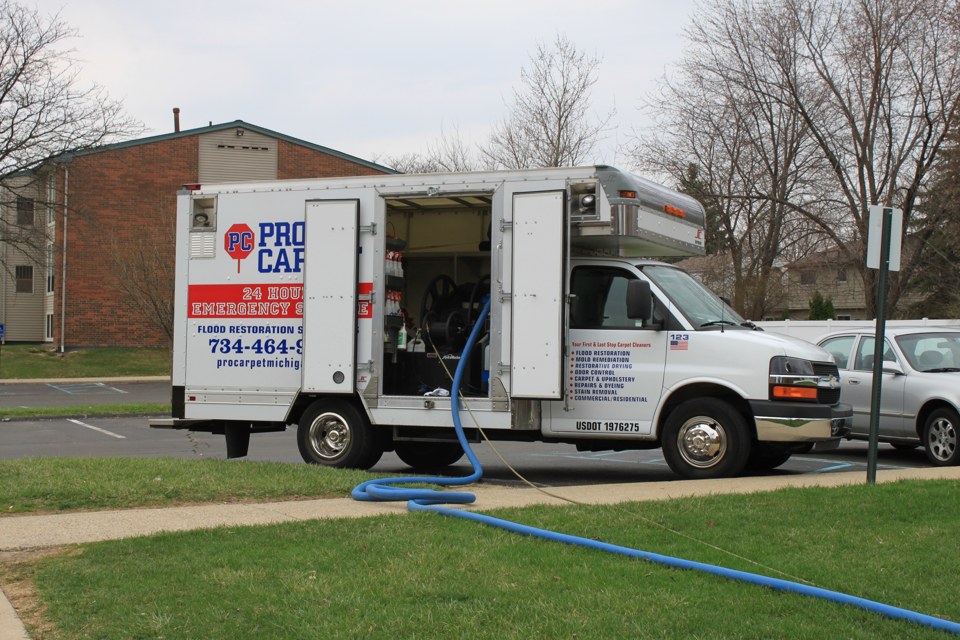
Illustrative truck-mounted carpet cleaning equipment in Michigan, 14 April 2011, not a Polish provider or endorsement. Dwight Burdette / Wikimedia Commons, CC BY 3.0. Resized.
A sofa in a rented flat can look tired without needing replacement. A rug might need specialist attention after a spill, a move or years of ordinary use. In Poland, the useful search terms are pranie tapicerki for upholstery cleaning, pranie dywanów for rug or carpet cleaning and pranie wykładzin for fitted carpet cleaning. Those phrases describe different jobs, so a low advertised price is not enough to compare offers.
The important decisions happen before the cleaner starts: which material is involved, what result is realistic, where the cleaning will happen and how the item will dry. This guide explains how to arrange the service and document the handover. It is not a recipe for applying chemicals or a recommendation to wet-clean an unidentified textile.
Choose between a home visit and a rug laundry
First explain whether the item is a removable rug, fitted carpet, sofa, armchair or another upholstered object. State whether it can leave the apartment. A service that cleans a sofa at home is not automatically the right route for a delicate rug, and a rug laundry may use a process that would be unsuitable for your furniture.
Pralnia Dywanów MK describes a workshop process involving immersion washing, rinsing, spinning and drying. Kärcher describes spray extraction as applying cleaning solution and removing it with the dissolved dirt. These are examples of different processes, not interchangeable labels for the same treatment. Ask the business to explain what it proposes for your particular item and why.
For a collected rug, confirm whether collection and return are included, the service area and who carries it between the apartment and vehicle. For an in-home appointment, ask how much working space is needed and whether the cleaner needs water, electricity, parking or access through a courtyard. Give the floor and lift details before accepting a quote.
Identify the fabric before agreeing to a method
Photograph the care label, underside, seams, backing and any manufacturer's information you have. Send a full view as well as close-ups of the problem. If the rug or sofa belongs to your landlord, ask for the original care instructions and agree the proposed service before authorizing treatment of their property.
Say clearly when you do not know the material. A sales description such as soft, washable or premium does not establish the fibre, backing or recommended cleaning method. Covers that can be removed are not necessarily suitable for a washing machine or the same treatment as the rest of the furniture. Ask the provider to inspect uncertainty rather than translating it into permission.
The published PERS terms distinguish materials such as viscose, silk, cotton and glued constructions, while MK lists conditional acceptance and material-related risks. These are the businesses' terms, not a legal finding about what liability they can exclude. If you are asked to accept possible permanent damage, stop and discuss the risk, alternatives and value of the item before signing.
Describe stains and previous treatment honestly
Tell the cleaner what spilled, roughly when it happened and what has already been applied. Include unsuccessful stain removers and earlier professional cleaning. PERS specifically asks customers to disclose unusual contamination, previous cleaning attempts and damage. MK also links the likely stain-removal result to the material, stain origin, time and earlier treatment.
Do not describe every mark as dirt. Fading, worn fibres, distorted pile and old damage may remain visible after cleaning. Both PERS and MK warn that some stains, discolouration and odours may not be fully removed. Ask which visible areas are expected to improve and which may remain, then record that assessment with photographs.
If there is mould, pest activity or a contamination issue, disclose it before the visit. Do not assume ordinary upholstery cleaning is an assessment or treatment of the underlying problem. Ask whether the business accepts the job and whether another specialist is needed first. Avoid paying for a cosmetic service under the assumption that it also fixes a separate cause.
Get a complete quote, not a price fragment
Request a written quote naming the exact items and surfaces. For a sofa, specify the configuration and whether the back, sides, cushions and a pull-out sleeping section are included. For rugs, provide dimensions and ask how the area is measured, rounded and charged. PERS, for example, states that items smaller than one square metre are charged as one square metre. That is a provider rule, not a Polish minimum applied everywhere.
Check whether the total includes tax, travel, collection and return, stain treatment, odour treatment, protective products and any minimum call-out charge. Ask what could change after inspection and require agreement before extra paid work. A cheap per-seat or per-square-metre figure is not comparable with a complete delivered service until those details are settled.
Some provider pages contain multiple sets of terms or old and new text. The Pranie Posejdona page reviewed for this guide included conflicting wording about pricing relative to its price list. Rather than treating one paragraph as a guaranteed cap, ask which current terms and written quote apply to your order. Save that answer with the booking confirmation.
Plan access and furniture movement
Agree who moves furniture, clears shelves and protects nearby surfaces. Pranie Posejdona's published carpet terms say customers should remove or move furniture from the carpeted area and warn that covered sections may remain uncleaned. Ask how the provider will handle pieces you cannot move safely, rather than expecting a technician to lift a heavy unit on arrival.
Clear small belongings, fragile decorations and valuables from the working route. Keep children and pets away from equipment and follow the provider's product-specific instructions about access during and after cleaning. If anyone in the household has a relevant sensitivity, ask for the proposed product information in advance and decide whether the arrangement is suitable.
Tell the provider about underfloor heating and any delicate floor beneath a rug. Ask how the proposed process, moisture and furniture legs will be managed. Kärcher's professional preparation guidance discusses protecting components that cannot be removed. That does not make every setup safe: the cleaner should explain the plan for your home rather than relying on a generic assurance.
Allow time for drying, not only the appointment
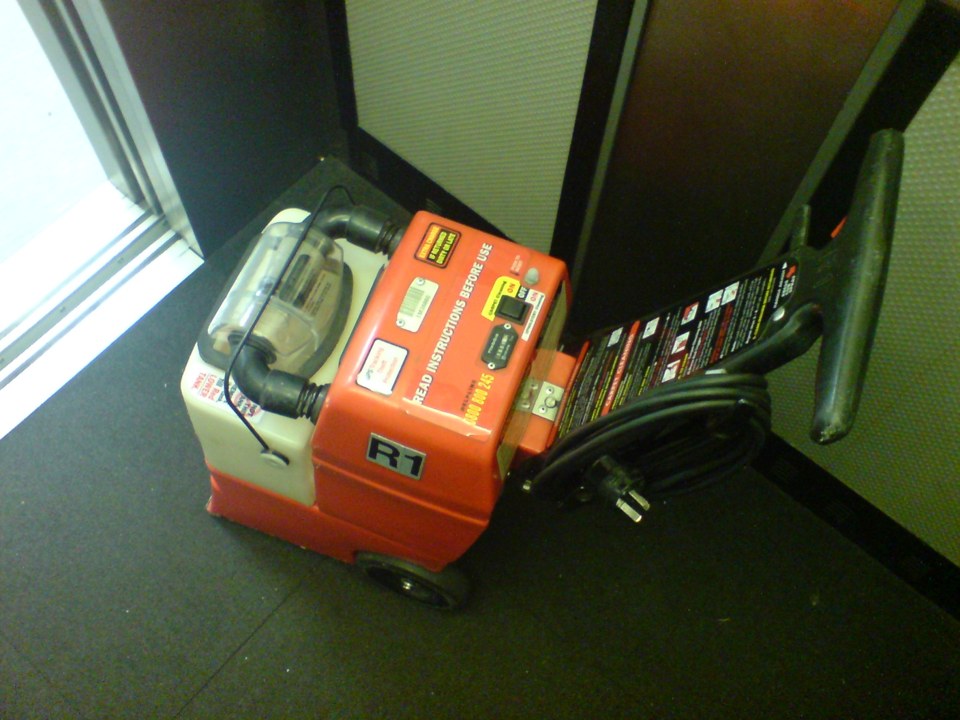
Ask how long the work is expected to take and separately when the furniture or floor can be used again. Those are different estimates. Kärcher's consumer guidance says to allow ample drying time and ventilate; its professional guidance says furniture should only be put back when no moisture remains in the floor. A finished cleaning appointment does not mean a sofa is ready to sleep on.
Ask what ventilation and room conditions the cleaner expects, whether drying equipment is included and what to do if the item remains damp longer than anticipated. Do not schedule the only family sofa bed for cleaning immediately before overnight guests arrive. Leave a practical alternative rather than relying on an unconfirmed promise that everything dries within a fixed number of hours.
For a rug laundry, confirm the completion estimate, how you will be notified and the collection deadline. PERS publishes a standard working-day turnaround with possible extensions for additional services; MK's terms also mention storage charges for uncollected items. Get the arrangement for your order in writing, especially around holidays or a move-out deadline.
Inspect and keep a usable record
Before work starts, photograph existing stains, edges, seams, tears and labels. For collection, get a receipt identifying the rug, its measurements, condition and agreed service. Keep the business name and contact details as well as the quote. If an item is valuable, retain purchase evidence or other documentation of its identity and condition.
At handover, compare the returned item with that record. Ask about marks that remain and request understandable aftercare instructions, including drying and when wrapping should be removed. Do not add another chemical treatment while trying to decide whether the original service was successful. Give the provider the chance to explain and inspect the concern.
If you find new damage or work that differs from the agreement, contact the business promptly in writing with dated photographs and a clear description of what you want reviewed. Keep the response and proof of payment. A provider's short complaint window or broad disclaimer should not be treated as a complete explanation of your legal rights. Gov.pl directs consumers with disputes about business-provided services to advice routes including local consumer ombudsmen and the Trade Inspection. Ask for advice on your actual contract if the dispute cannot be settled.
A short message that prevents misunderstandings
A useful enquiry can be simple: “Please quote for the pictured sofa/rug. The label and measurements are attached. These are the stains and previous products used. Does your quote include travel, all surfaces and drying? Please confirm the proposed method, limitations, full price and any conditions before booking.” Add the address area, floor, lift and timing, without sending unrelated personal documents.
If the appointment is in Polish and you need English instructions, confirm that before booking. Ask for written confirmation of the important points rather than assuming a translated phone call settled them. The best arrangement is one you can explain afterwards: what was cleaned, what risks were discussed, what it cost and when the item could be used again.
Frequently asked questions
What should I search for in Polish?
Pranie tapicerki means upholstery cleaning, pranie dywanów means rug or carpet cleaning, and pranie wykładzin means fitted carpet cleaning. Specify the actual item.
Will cleaning remove every stain?
Do not assume so. The reviewed providers warn that some stains, odours and damage remain. Request a realistic assessment for your material and history.
Can I use the sofa when the cleaner leaves?
Ask separately about drying and safe use. Completion of the appointment is not confirmation that the item is fully dry.
Is collection included in the price?
Only if the provider confirms it. Ask about travel, carrying, collection, return, minimum charges and extra treatments in the full written quote.
What if the item is damaged?
Keep before-and-after photos and the agreement, contact the business promptly in writing and seek consumer advice if needed. Provider disclaimers are not a complete statement of your legal rights.
Sources
- PERS service terms, checked 28 October 2026
- Pralnia Dywanów MK service terms, checked 28 October 2026
- Pranie Posejdona service terms, conflicting price wording noted, checked 28 October 2026
- Kärcher upholstery and carpet care guidance, checked 28 October 2026
- Kärcher professional carpet preparation and drying, checked 28 October 2026
- Gov.pl consumer help, checked 28 October 2026