Coeliac disease in Poland: symptoms, diagnosis and gluten-free diet
Short answer: Coeliac disease is a lifelong autoimmune reaction to gluten, affecting about 1% in Poland. Symptoms vary, a GP is the first step, and the only treatment named is a strict gluten-free diet.
Coeliac disease (celiakia) is often missed because it does not always cause stomach problems. This page summarises what the NFZ health education site Akademia NFZ says about it in Poland. The source article was published on 21 May 2026 and updated on 22 May 2026; the page was checked on 19 October 2026.
What it is
Akademia NFZ describes coeliac disease as a chronic, multi-organ autoimmune disease with a genetic basis. Eating gluten damages the small intestine. The immune system destroys the intestinal villi, the small projections that absorb food, which can lead to serious nutrient deficiencies. Complications named on the page range from severe malnutrition and anaemia to osteoporosis, fertility problems and a higher risk of digestive tract cancers.
Who gets it
The page says that in Poland about 1% of the population may have coeliac disease. It most often shows up in childhood and between the ages of 30 and 50, but symptoms can start at any age. Women are affected twice as often as men.
Symptoms
There is no standard set of symptoms. The disease can start suddenly or build up slowly, and can show as one symptom or many. The most common ones listed are:
- stomach pain, diarrhoea, bloating, nausea and vomiting
- weight loss
- itchy skin rashes (Dühring's disease)
- tiredness, poor sleep, joint and muscle pain
- anaemia, osteoporosis, weak tooth enamel
- neurological problems and depression
- slow growth and short height in children
The page also notes that the disease can run without symptoms, with only abnormal laboratory results.
Diagnosis
A doctor makes the diagnosis based on an interview and supporting tests. Akademia NFZ tells people with possible symptoms to see a primary care doctor (lekarz podstawowej opieki zdrowotnej), who will decide on further steps. The page does not list which tests are used.
Treatment: a gluten-free diet
Coeliac disease lasts for life. The only treatment named is a strict gluten-free diet, which makes symptoms go away. Untreated, it causes constant inflammation and worsening symptoms. If deficiencies have developed, a doctor may advise individual supplements.
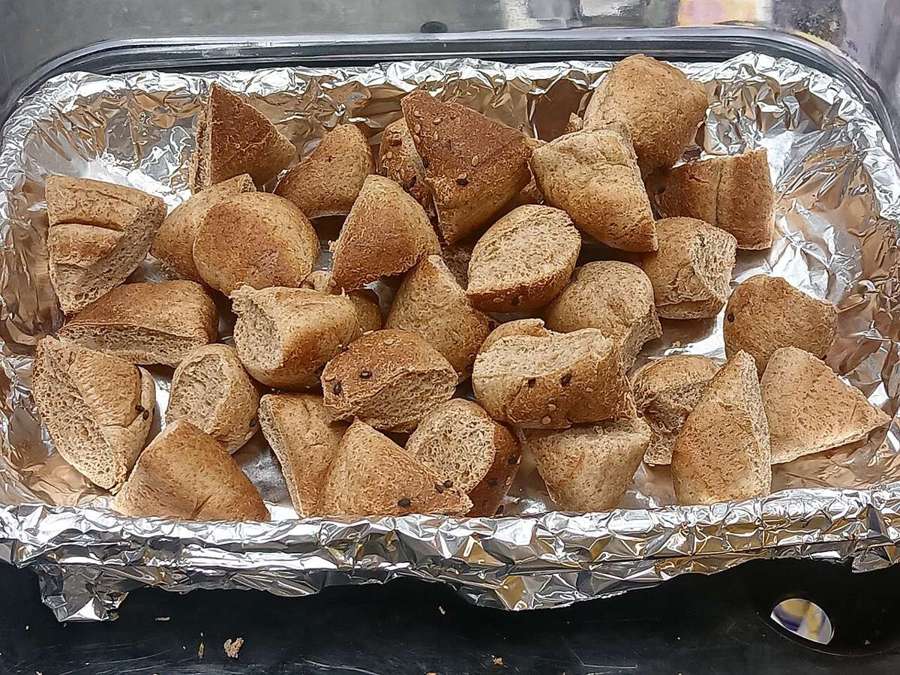
Gluten is found in wheat and its varieties (such as spelt), rye, barley, triticale and uncertified oats, which can be contaminated. Foods with small additions of these grains can also contain it, for example ready meals, sauces, sweets, meat products and deli foods. Processed foods that are allowed are usually labelled gluten-free, for example with the crossed-ear symbol.
Naturally gluten-free foods on the page include potatoes, fresh vegetables and fruit, unprocessed meat, fish and eggs, pulses, dairy, nuts and seeds, fats such as olive oil, and gluten-free grains like rice, buckwheat and millet. The page advises checking labels each time, because a producer can change a recipe.
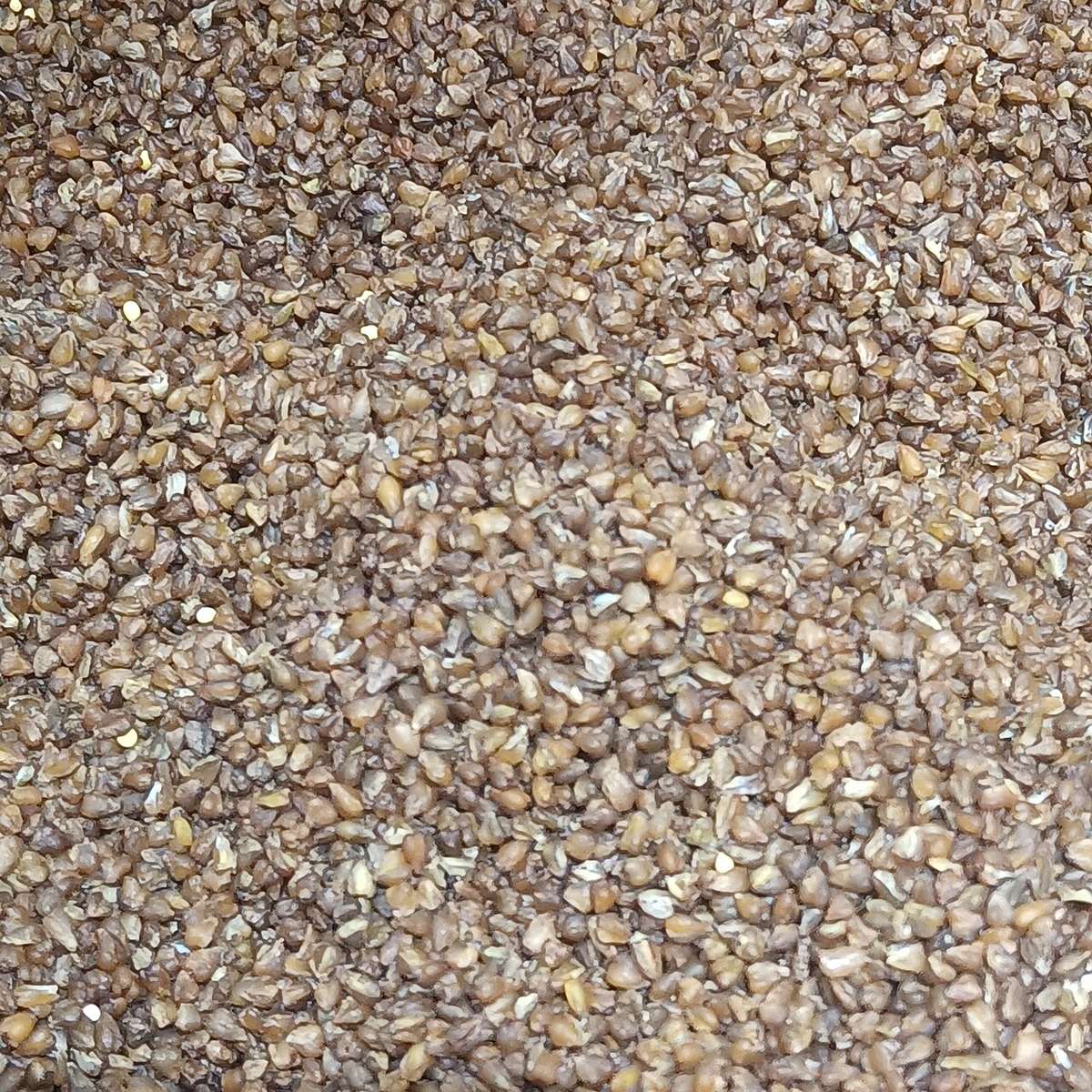
* Photos: cover "Freshippo whole wheat soft bread" and body "Yunnan buckwheat rice", both CC0 via Wikimedia Commons.
What the source does not say
The page does not say whether gluten-free products are reimbursed by NFZ, which tests are covered, or how a foreigner who is not yet insured can get tested. It also does not cover eating out or travel. For these questions, ask your family doctor or the local NFZ branch. This is general information from an official health education site, not medical advice.
Frequently asked questions
Can coeliac disease be cured?
According to Akademia NFZ it lasts for life. The only treatment named is a strict gluten-free diet, which makes symptoms go away.
Who should I see first in Poland?
The page tells people with possible symptoms to see a primary care doctor, who will decide on further steps.
Is oats safe on a gluten-free diet?
The page lists uncertified oats as a gluten risk because they may be contaminated. Check labels and look for gluten-free marking.