Ciechocinek Weekend Guide: Europe's Largest Graduation Towers
The essentials: Ciechocinek's three graduation towers, the largest in Europe at 1,742 m, are a working salt monument and natural inhalatorium. Tickets are 13 zł (family 30 zł); from November to March entry is free on weekdays. Pair it with the spa park and a day in Toruń, 30 km away.
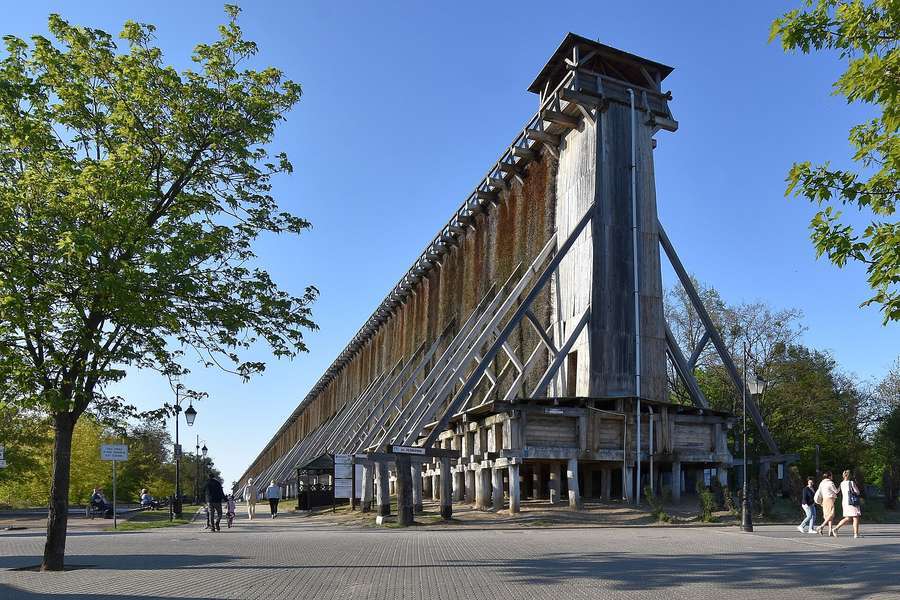
Ciechocinek is Poland's most famous spa town, and its centrepiece looks like nothing else in the country: three enormous wooden walls, stuffed with blackthorn brushwood, down which salt brine trickles and evaporates into an iodine-rich mist. People have been coming for two centuries to walk slowly beside them and breathe. It makes an offbeat, genuinely relaxing autumn or winter weekend, and from November the towers are free to visit on weekdays. This is the plan.
Getting there
Ciechocinek sits in Kujawy, roughly halfway between Toruń and Włocławek, about 30 kilometres from Toruń's old town. Rail travellers from Warsaw typically take a mainline train towards Bydgoszcz and change to a regional service or local bus for the last stretch; the town has its own small station a short walk from the spa park, and taxis wait at larger neighbouring stations. By car it is an easy half-day drive from Warsaw or Łódź via the A1 motorway, and most visitors come for one night or a long day trip paired with Toruń. Once in town, everything is walkable: the towers, the spa park, the promenade and most sanatorium hotels sit within a fifteen-minute radius.
The graduation towers: Europe's largest
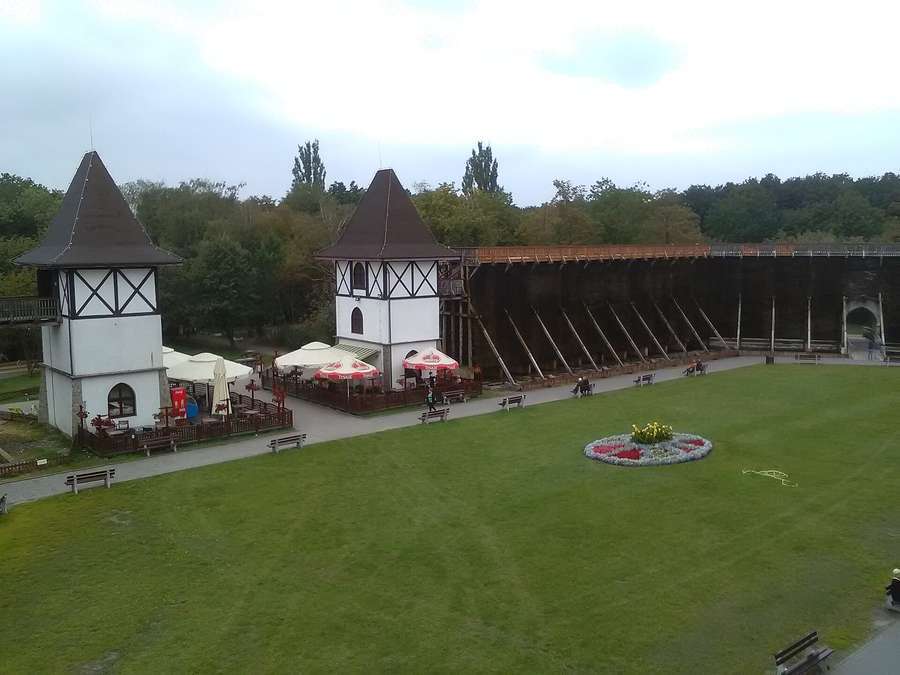
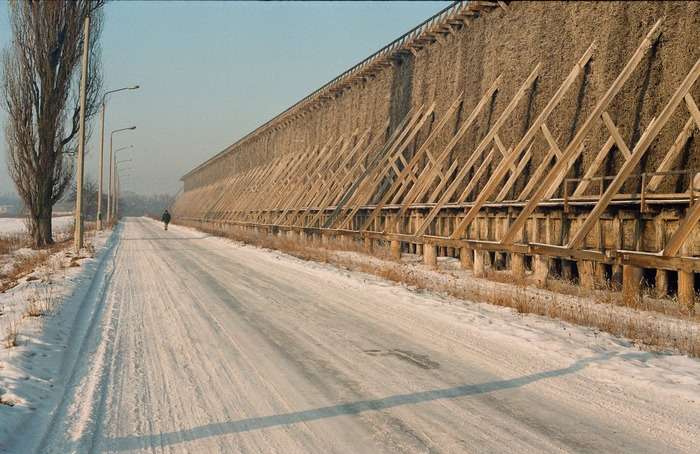
The Ciechocinek tężnie are, in the spa's own words, the largest wooden graduation structures in Europe, designed in the 19th century by engineer Jakub Graff, a professor at the Mining Academy in Kielce. The three towers run a combined 1,742.3 metres and rise almost 16 metres. Brine is pumped to the top and seeps down through dense walls of blackthorn twigs; wind and sun evaporate the water, concentrating the salt and filling the air along the walls with a fine, salty aerosol rich in iodine. The towers are both a working part of the town's table-salt production line and, in the spa's description, a natural inhalatorium.
The ritual is simple: walk the path beside the walls, sit on the benches placed along the leeward side where the mist drifts, and breathe for thirty to sixty minutes. Locals treat it as a weekly habit through autumn and winter; visitors feel the salt on their lips within minutes. The towers operate whenever weather conditions allow.
A few practical tips from the regulars' playbook. The mist is strongest on breezy days, when the aerosol carries further from the wall; a windproof jacket you do not mind getting damp is the right kit, and glasses will need a wipe afterwards. Take the walk slowly, the way the white-haired crowd on the benches does: this is one attraction where doing less is doing it properly. The full circuit of all three towers is a genuine walk, around two kilometres end to end, so allow at least an hour and more if you stop to sit, which you should.
Data source: Uzdrowisko Ciechocinek official graduation tower pages (teznie.uzdrowiskociechocinek.pl), checked 22 October 2026.
Tickets and the free-weekday winter rule
Entry to the tower grounds is paid in the high season. In the low season, from 1 November to 31 March, entry is free except on Fridays, Saturdays, Sundays and public holidays between 9:00 and 18:00, when tickets are charged. The current price list: 13 zł normal, 10 zł reduced, 11 zł with the National Senior Card, and a 30 zł family ticket. Children under four enter free with an adult, as do sanatorium patients from named Ciechocinek facilities with their stay cards, and one leader per organised group of fifteen or more.
One seasonal caveat: the viewing terraces on top of the towers close for the low season, so an autumn or winter visit is about the inhalation walk at the foot of the walls rather than climbing them. The upside is the mist, the quiet and the price.
Data source: Uzdrowisko Ciechocinek official price list and season rules (teznie.uzdrowiskociechocinek.pl), checked 22 October 2026.
The spa park and the town
Ciechocinek grew from brine springs into a full resort in the railway age, and the town still moves to the 19th-century spa rhythm it perfected: treatments in the morning, promenading after lunch, music in the park, early nights. That rhythm is the real product on sale, and autumn suits it. The summer crowds of coaches and candy-floss stands are gone, the sanatoria fill with patients on state-funded cures rather than holidaymakers, and the cafes serve people who have been coming for forty years and will tell you so.
Between the towers and the town centre spreads the Park Zdrojowy, the classic spa park of flower beds, chestnut avenues and bandstands that Polish resort towns perfected in the 19th century. Look for the flower clock planted fresh each season, the mushroom-shaped fountain known as the Grzybek, the spa theatre and the pump-room traditions that give the town its rhythm: a slow morning walk, a treatment or a swim, a long lunch, another walk. Ciechocinek's grand old sanatorium hotels line the park edges, and even if you are not a patient, their cafes and pastry shops are open to all and priced for regulars rather than tourists. Booking one of them for the night, rather than a generic guesthouse, is the way to get the full effect: high ceilings, breakfast buffets aimed at people on doctor's orders, and a corridor population in dressing gowns heading to morning treatments. Rates in the low season are the gentlest of the year, and most hotels sit inside the same fifteen-minute walking circle as the towers, so the car can stay parked from arrival to departure.
The town's other industrial monument is the historic salt works, the warzelnia, where the concentrated brine from the towers has been boiled down into Ciechocinek table salt since the 19th century; the complex anchors the town's museum story of how a brine spring became a resort. Packets of the local salt make the correct souvenir: cheap, useful, and the actual reason the town exists. Look too for the graduation-tower motif repeated across the town, from murals to the logo on the salt packaging, a piece of industrial architecture so distinctive it has become a regional emblem.
With children
Ciechocinek works unusually well for a quiet family weekend. The tower walk is flat, fenced and stroller-friendly, the park has room to run, and the town's summer water playground anchors warm-weather visits. In autumn and winter, frame it as a nature-and-trains trip: the sheer scale of the wooden walls impresses children, the salty mist is a novelty they can feel, and Toruń's gingerbread and planetarium are an easy add-on half an hour away. Pack a change of clothes in the misty season; the brine aerosol leaves a damp film on coats and glasses, which is exactly the point.
A realistic weekend plan
Day one: arrive by midday, check into a spa hotel, walk the full length of the towers with a bench stop on the misty side, then the park and the promenade, dinner in one of the old hotels. Day two: a second morning inhalation walk (locals swear by the morning air), the salt-works story, coffee and cake, then home via Toruń for an afternoon among the Gothic facades. The whole trip runs on walking shoes and a light rain jacket; there is almost nothing to book except the hotel.
Frequently asked questions
How much does it cost to visit the Ciechocinek graduation towers?
Tickets cost 13 zł normal, 10 zł reduced, 11 zł with the National Senior Card and 30 zł for a family. From 1 November to 31 March entry is free except on Fridays, Saturdays, Sundays and holidays between 9:00 and 18:00. Children under four enter free.
What exactly is a graduation tower?
A wooden structure filled with blackthorn brushwood over which salt brine is trickled so that wind and sun evaporate the water. The process concentrates the brine for salt production and creates an iodine-rich mist along the walls, which visitors breathe as a natural inhalation. Ciechocinek's three towers are the largest in Europe at 1,742.3 metres combined.
Is Ciechocinek worth visiting in autumn or winter?
Yes, if you want quiet: the towers keep operating in suitable weather, weekday entry is free from November to March, the spa park is peaceful, and the mist walk works in any season. The viewing terraces on the towers close for the low season.
Can I combine Ciechocinek with Toruń?
Yes. The spa town sits about 30 kilometres from Toruń, and most visitors pair the two: towers and park in Ciechocinek, Gothic old town and gingerbread in Toruń.
Is the tower walk suitable for small children and strollers?
Yes. The paths beside the towers are flat, paved and fenced, the full circuit is about two kilometres at strolling pace, and benches line the route. Children under four enter free. Just dress everyone for a fine salty drizzle on windy days. * Photos: Cover - graduation tower I in Ciechocinek by Henryk Bielamowicz, CC BY-SA 4.0, via Wikimedia Commons. Body - graduation tower II in winter by Koberon, CC BY-SA 3.0 PL, via Wikimedia Commons.