Cosmetic Labels in Poland: INCI, PAO, Dates and Batch Codes
The essentials: INCI names ingredients; PAO describes a period after opening; a durability date gives calendar information; a batch code identifies production. Read them with the actual warnings and storage instructions. None is a personal guarantee of skin suitability.
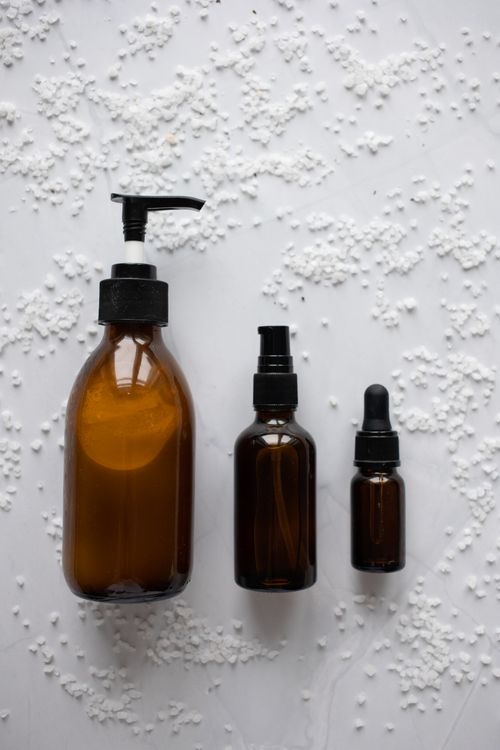
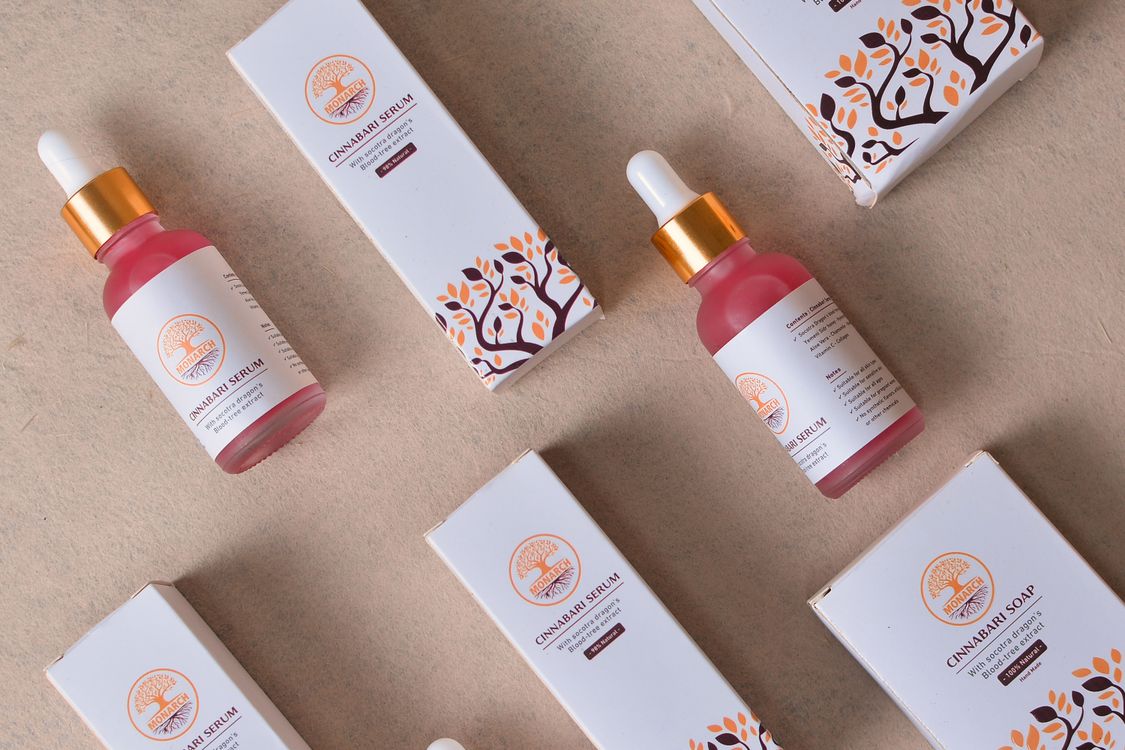
Cover: Monstera Production, source photograph, Pexels License. Image unchanged. Cosmetic-style bottles on a light surface. Illustrative container context, not evidence of ingredients, PAO or product safety.
A cosmetic package in Poland can contain several different kinds of information: a product function, an ingredients list, warnings, a durability date or an after-opening period, and a batch code. They are not interchangeable. A code you find online is not automatically an expiry date, and a pleasant smell is not a substitute for following the maker's instructions. Learning where to look makes an unfamiliar bottle easier to assess before you buy or use it.
This guide explains label reading, not skincare treatment or a recommendation that any ingredient or product is suitable for an individual. It uses Polish sanitary-inspectorate information checked on 5 November 2026. The photographs show cosmetic containers as context only. They do not prove the identity, composition, durability or safety of the products pictured, and no label claim is inferred from their appearance.
Identify the product's purpose and warnings first
Start with what the product is intended to do and how it is meant to be used. Polish guidance says the function must be indicated unless it is clear from the presentation. Similar-looking bottles can serve different purposes. Do not choose an application method simply because the container resembles a product you already know.
Read special precautions and directions before use. Examples in the sanitary guidance include warnings about flammability, the eye area and use by young children. The important instruction is the one on the actual product, not a generic assumption about a whole category. This guide does not authorise a professional-use product for home use or explain how to perform a chemical cosmetic procedure.
Relevant consumer-use information on the Polish market is required in Polish, while the ingredients list uses international ingredient names. If the function or precaution is unclear to you, obtain a reliable translation before using it. A familiar English brand name does not mean the full warning panel will be in English, and a translation app should not be used to guess past an unresolved safety instruction.
Find Ingredients and understand what INCI means
The list is normally introduced by Ingredients and uses INCI, the International Nomenclature of Cosmetic Ingredients. Polish sanitary guidance explains that this list is not translated into each national language. Therefore, a list of unfamiliar international names is not by itself evidence that the product lacks Polish consumer information. Look separately for its function and warnings.
Ingredients are generally listed in decreasing order of quantity, with special ordering rules for ingredients at low concentrations and colourants. The practical lesson is not to reverse-engineer an exact formula from the order. A position on the list does not provide a precise percentage for every substance. Do not use it to calculate a personal exposure amount or decide a safe dose.
Nor does an unfamiliar chemical-sounding name establish that a product is harmful. If you need to avoid a specific ingredient, identify it accurately and follow the advice relevant to you. A label-reading guide cannot determine whether your skin will tolerate a formula. It can help you locate information and ask a more precise question about the product in front of you.
A durability date and PAO answer different questions
A minimum-durability date concerns how long a cosmetic, stored in the appropriate conditions, continues to perform its function and remains safe. Polish guidance describes date marking with wording such as najlepiej zużyć przed końcem, best used before the end, or an hourglass symbol. Read the actual month-and-year or day-month-year information, including any reference to where it is printed.
For cosmetics whose minimum durability exceeds 30 months, a minimum-durability date is not generally required in the same way. Instead, where applicable, an after-opening period is supplied. The common PAO presentation is an open-jar symbol with a number and M, such as 6M or 12M. This indicates a number of months after opening, not a calendar month and not the product's manufacturing year.
There are cases where the concept of durability after opening does not apply, including some single-use or otherwise specially packaged products described in the guidance. Do not treat the absence of an open-jar symbol alone as proof of a defect or as unlimited permission to keep using the contents. Read the whole package and ask the responsible company if the applicable marking is unclear.
Record opening when it affects the usable period
If a product carries an after-opening period, remembering when you opened it is part of using that information. A small note on the package or in your own record can be useful. Keep the original marking readable and do not cover precautions or the batch code. Your reminder should help interpret the instructions, not replace them.
Opening several similar products at once can make the date harder to remember. If you later find a partly used bottle with no reliable opening history, a fresh-looking container does not reconstruct the missing date. This guide does not assign an extra grace period or offer a smell test that overrides the stated after-opening period.
Follow storage instructions too. The marked period assumes appropriate conditions; it is not a guarantee regardless of heat, contamination or handling. Polish sanitary guidance advises closing containers after use, avoiding heat and direct light, and treating cosmetics as personal items rather than sharing them. Use the actual product's directions where they are more specific.
Keep a batch code separate from a date
A batch number identifies the production batch. It is useful when asking a company about a product or reporting a problem, but it is not automatically a consumer-readable expiry date. A string of letters and numbers can look date-like without being the date you need. First find the durability or PAO information that the package actually supplies.
Do not rely on an unofficial batch-code calculator as the sole authority for whether a cosmetic should be used. The relevant company can explain its own marking. If a printed code and date seem inconsistent, ask about the exact product and preserve a clear view of both. A generic search result about a brand does not settle the meaning of every code format it may use.
When seeking clarification, include the full product name, size, batch code, where you bought it and what you cannot interpret. Keep the packaging while the question is open. This is a better starting point than asking only whether a bottle is old. It also avoids confusing a manufacturing reference with the after-opening period that may be relevant to your use.
Find the responsible company's details
Polish guidance lists the name and address of the responsible person among required cosmetic information. That can be a business rather than the individual who served you in a shop. Products imported from outside the EU also carry origin information under the described rules. These details help you identify whom to ask about the actual product.
A seller's listing and the product's own information are separate sources. If the item delivered does not match the listing, retain both descriptions and ask the seller to address the discrepancy. Do not silently assume that a bottle with a similar colour is the same variant. Size, product function and exact name can matter when checking ingredients and directions.
For small packages, some information can be provided by a leaflet, tag or other attached material where the rules allow. Do not discard those materials before reading the directions. A symbol referring to additional information is a prompt to find it, not a reason to treat the product as instruction-free. If the referenced material is missing, ask for the information before use.
Read claims without turning them into personal guarantees
A marketing description can focus on a product's intended benefit, but it does not replace ingredients, precautions or durability information. Do not assume that a natural-sounding name means an item cannot cause a reaction, or that an expensive product automatically suits you better. Your relevant needs and the actual instructions remain the decision points.
If you have a known allergy or a history of reactions, use the advice given by your healthcare professional and seek product-specific clarification where needed. This guide does not prescribe a testing procedure, diagnose a reaction or tell you to continue using a product despite concerning symptoms. Label reading supports a decision; it is not medical clearance.
Ingredient rules can change, and old summaries do not always describe current requirements. GIS published a May 2026 notice about amendments with staged market deadlines. This guide does not turn that notice into a claim that all older-looking stock is illegal. Nor does it reproduce an old fixed count of fragrance allergens as though it were a complete current checklist. A specific compliance concern needs the applicable rule and product evidence.
Make one reliable record instead of several guesses
For a cosmetic you use regularly, keep its exact identity, the relevant date or after-opening marking and any important precautions. If you record the opening date, tie it to the actual container. A note about a previous bottle is not enough when the next one has different information. The aim is to reduce uncertainty, not to create a complicated inventory.
Before buying an unfamiliar item, check that you understand its purpose, ingredients information, precautions and usable-period marking. If the answer is unclear, ask the seller or responsible company while you still have the full package in view. Do not fill a missing safety instruction with an attractive claim from the front of the box.
A few distinctions do most of the work: INCI is the ingredients naming system, PAO concerns time after opening, a durability date gives calendar information, and a batch code identifies a production batch. Keeping those roles separate makes shopping in a new language more manageable. It also keeps a useful label from becoming a false promise about an individual person's skin or the condition of a particular bottle.
Frequently asked questions
What does 12M in an open-jar marking mean?
It indicates 12 months after opening, not December or the manufacturing year. Read the actual instructions and applicable markings.
Can an online batch-code calculator settle whether I should use a bottle?
Do not rely on it as the sole authority. Ask the responsible company about the exact product and its markings.
Are cosmetic ingredients translated into Polish?
The ingredients list uses international INCI names. Polish consumer-use information and warnings are separate.