Crispbread and Rice Cakes in Poland: Plain, Seeded and Coated
The essentials: Keep cereal, variant and coating together. Rye crispbread, salted or seeded rice cakes, corn formulations and coated cakes are distinct products. Preserve flour grams per 100 g finished product and nested coating figures on their stated bases.
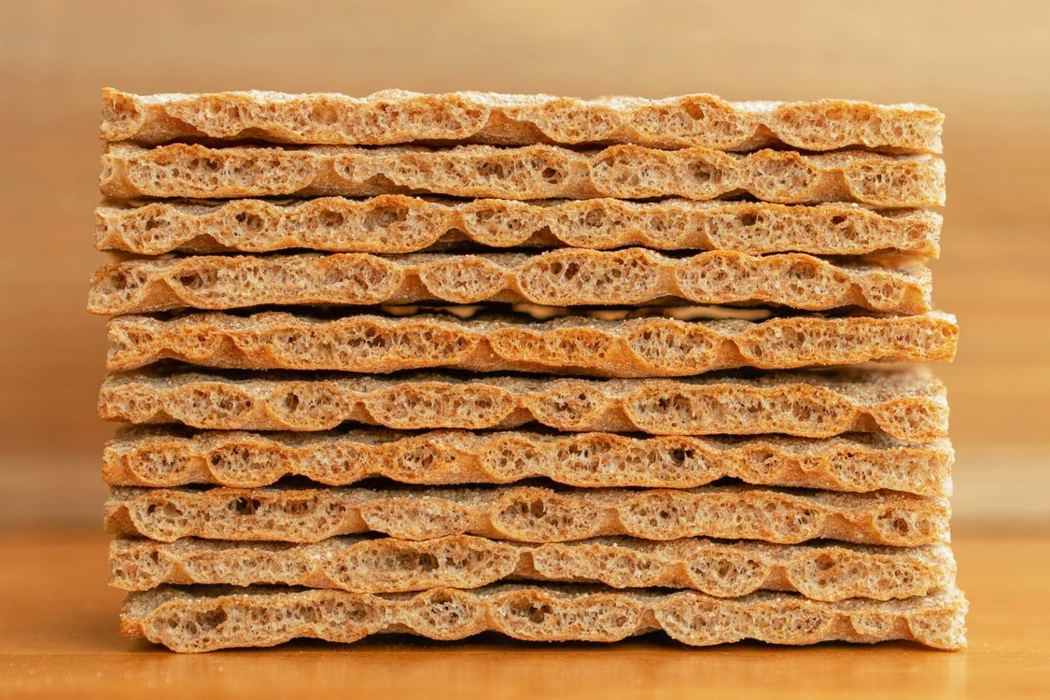
Cover: Edita Brus, source photograph, Pexels License. Resized and JPEG-compressed. A stack of rectangular crispbread. Illustrative product-form context, not a cited Wasa pack or verified cereal formulation.
Crispbread and puffed cereal cakes in Poland include rye-based rectangles, rice cakes with salt or seeds, corn formulations and sweet coated products. Their shapes make them easy to recognise as a snack or topping base, but shape alone does not establish the cereal, coating share or ingredient list. Keep the actual product name and formula together when you choose a pack.
This guide uses named Wasa and Sonko producer pages to compare actual packaged products. It does not rank them by health, repeat a bakery-bread guide or explain how to cook rice. It also does not treat a chocolate-coated cereal cake as plain rice with an unmeasured decoration. The coating can be a separately quantified part of the product you are buying.
Pieczywo chrupkie has an actual cereal formulation
Wasa Original's Polish page lists wholegrain rye flour 77 g and rye flour 28 g, followed by yeast and salt. The source explicitly says the flour figures are per 100 g of finished product. Preserve those units and that basis. They are not presented as 77% and 28% shares of the finished crispbread, and this guide does not convert them into such a statement.
That is a useful distinction when comparing a rye crispbread with a puffed rice cake. The named Wasa product is not simply a rectangular version of the rice product discussed below. Its actual cereal ingredients identify a different packaged base. Keep Original with the brand and product identity rather than treating every brown crisp rectangle as the same formula.
The producer says the most current ingredient and nutritional information is on the back of the purchased packet. That is a practical limit on the web comparison, not a reason to invent missing label details. If an ingredient matters to your choice, read the current selected pack rather than relying on colour, a serving picture or a remembered version of the product.
A sourdough version has another list and basis
Wasa Żytnie na zakwasie lists wholegrain rye flour 96 g and wholegrain rye sourdough 19 g, with the sourdough's own ingredients given as wholegrain rye flour and water. It then names yeast, barley malt extract, salt and mono- and diglycerides of fatty acids as an emulsifier. Again, the page expresses the stated gram quantities per 100 g of product.
This guide does not add the figures and call them a finished-product percentage total. It also does not flatten the nested sourdough into a second unrelated quantity of plain flour. The useful comparison is the producer's actual ingredient structure: sourdough, yeast, malt extract and an emulsifier appear in this selected version's list. A broad rye name alone would miss those differences.
Keep the full variant name if that is the product you want to repeat. The sourdough wording does not justify a claim that no yeast is present, since the cited list expressly includes yeast. This is a product-reading task rather than a general rule about how all sourdough foods are made. The actual list should correct an assumption before it becomes a purchase.
A salted rice cake states its own cereal and salt shares
Sonko's Wafle ryżowe z solą morską 130 g lists brown rice 99.3% and sea salt 0.7%. Those are the stated ingredients for the named pack. This makes it a concrete salted rice-cake example rather than a generic formula for every wafle ryżowe on the shelf. Retain z solą morską if you intend to buy this particular version.
The 130 g statement identifies net contents. A per-cake number in a nutritional table is a serving reference, not automatically the pack's exact piece count. This guide does not derive a count by dividing the packet mass by a rounded reference weight, or claim all rice cakes in the brand's range weigh the same. Check the selected pack where a count matters.
The producer suggests possible snack and topping roles, but no topping shown in a photograph is included unless the product list actually says so. A plain-looking cake can already contain salt, and another similar-looking cake can include seeds or a sweet coating. The appearance is a lead for locating the product, not a complete ingredient declaration.
Sunflower seeds identify a separate rice-cake recipe
Sonko's Wafle ryżowe z nasionami słonecznika 130 g lists brown rice 96.4%, sunflower seeds 3% and salt. The sunflower share is supplied by the producer and belongs to this product. This guide does not infer an identical seed share for another seed name, or treat any small visible speck in a photograph as proof of that formulation.
The comparison with the sea-salt version is product-specific: both are named brown-rice products, but their lists differ. If you want to repeat the sunflower version, retain the whole name rather than writing only rice cakes. The seed ingredient is part of the purchased cake, not an optional loose topping that the reader has to add to recreate it.
No universal recipe adjustment follows from that difference. The guide does not rank the products by nutrition or decide that one is a healthier replacement for bread. It identifies what is actually sold. Your preference and the intended topping or snack role determine which named product you want, without needing an unsupported claim about the effect of a seed addition.
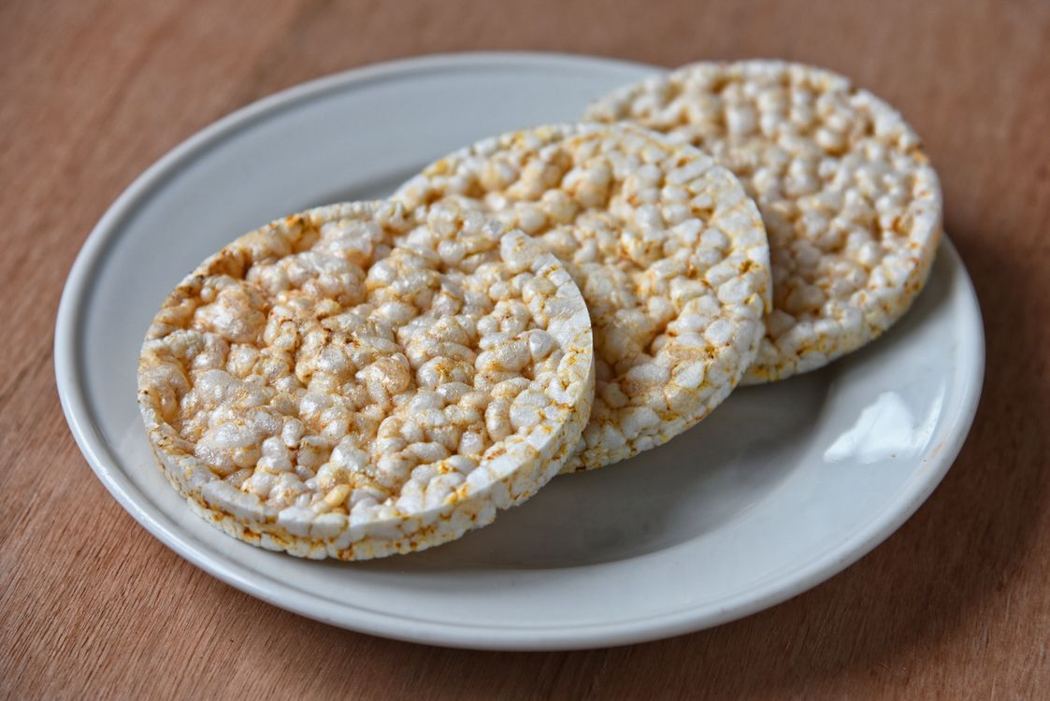
Corn cakes can be a formulated cereal product too
Sonko's Wafle kukurydziane bez dodatku soli 35 g lists corn granulate containing corn flour 58.7% and rapeseed oil, followed by corn grits 40%. The oil is therefore an actual listed component of the granulate. The no-added-salt name does not mean the complete ingredient list is only one unprocessed cereal, and this guide does not rewrite it that way.
Keep the named granulate structure instead of changing it into a new whole-product arithmetic statement. The supplied percentage wording is useful as written; it is not a prompt to guess the amount of oil or assign a preparation process beyond the source. A corn title identifies a relevant cereal choice, but the detailed list explains what that particular packaged cake contains.
The producer suggests eating the cakes dry or with additions such as cottage cheese, hummus or jam. Those suggestions describe a serving role, not ingredients included in the 35 g packet. They also do not establish a tested capacity for wet toppings or a guaranteed time before the cake changes texture. This guide has not measured either result.
Dark chocolate can be more than a small decoration
Sonko's Wafle ryżowe w czekoladzie ciemnej 65 g page lists chocolate 52% and brown rice 48%. The chocolate group names sugar, cocoa mass, cocoa butter, soy lecithin and E476 as emulsifiers, and vanillin as a flavouring. The guide preserves the coating and cereal shares exactly for this cited product rather than assuming rice must be the larger share because it appears in the name.
The producer separately states a minimum cocoa-mass figure of 51% for the chocolate. That is a statement about the chocolate component, not 51% of the entire rice-cake product. This guide does not multiply the figures into a new whole-pack cocoa calculation or treat the minimum as an exact recipe. Keep each statement with the component and basis the producer gives.
A coated rice cake is therefore a different purchase from the uncoated salted or seeded examples. It is not enough to record only brown-rice cakes if you want the same sweet product again. Retain the coating name and full pack identity. The guide makes no health comparison and does not promise a particular taste intensity from the percentage alone.
Yoghurt coating is an actual multi-ingredient component
Sonko's Wafle ryżowe w polewie jogurtowej 65 g producer page states yoghurt coating 52% and brown rice 48%. Its coating list includes sugar, vegetable fat containing palm oil and emulsifier E492, skimmed milk powder, yoghurt powder, whey powder from milk and sunflower lecithin. The yoghurt-powder entry is further described through milk powder with yoghurt cultures.
The source places a 4.7% yoghurt-powder figure within the coating list. This guide does not present that as a guaranteed whole-product yoghurt percentage or invent a fresh-yoghurt equivalent. The coating is a formulated component, not a spoonful of plain yoghurt whose amount can be inferred from the product's white appearance. Keep the actual name polewa jogurtowa.
The cited producer page also says the packet contains four cakes. That explicit statement can be retained for this 65 g product. It is not a count for the separate 130 g uncoated packs or every coated item in the range. A familiar circular shape does not establish identical piece size, mass, cereal proportion or number of cakes across products.
Keep same-looking variants separate when sources differ
Do not assume that a retailer listing and a producer page describe an unchanged formulation. For the named yoghurt-coated product, the current producer page supplies the figures used here. This guide does not combine another source's different coating share or yoghurt-powder figure into that producer statement. If you encounter a different current pack, check it directly before assuming the web page settles its formula.
The same care applies to names such as chocolate, yoghurt coating and corn cake. They identify useful shopping categories, but each cited example has a particular list and pack. A product photograph does not resolve a formula disagreement. The current label is the place to confirm the item in your hand, rather than averaging percentages across pages until they look consistent.
Save the cereal, variant and coating together
A useful repeat-purchase note keeps brand, full product name, main cereal, seeded or salted variant, coating if present and net contents. Add a piece count only when explicitly supplied for that selected pack. Wasa rye crispbread, Sonko salted rice cakes, sunflower rice cakes, corn cakes and the two coated examples are distinct products with different ingredient statements.
Choose the one your intended snack or topping combination actually calls for. Read the current packet for complete information, especially when a web page's units or nested list need careful interpretation. The aim is a deliberate packaged-product choice, not a generic healthiest-crispbread verdict or a claim that all wafer-shaped cereal foods are interchangeable.
Frequently asked questions
Are Wasa's flour figures simple finished-product percentages?
No. The cited pages state grams per 100 g finished product. The guide preserves that basis rather than converting the figures to percentages.
Does yoghurt coating mean plain yoghurt was spread on rice cakes?
No. The cited producer lists a formulated coating with sugar, vegetable fat, milk ingredients and yoghurt powder, plus a separate rice share.