Ready Curry Sauces in Poland: Named Jar Formulations
The essentials: Keep market, named variant and pack together. Polish retailer lists for 450 g Patak's sauces describe different tomato, coconut and dairy formulas. Do not borrow a UK formula, flatten components or infer chicken inside a Butter Chicken sauce.
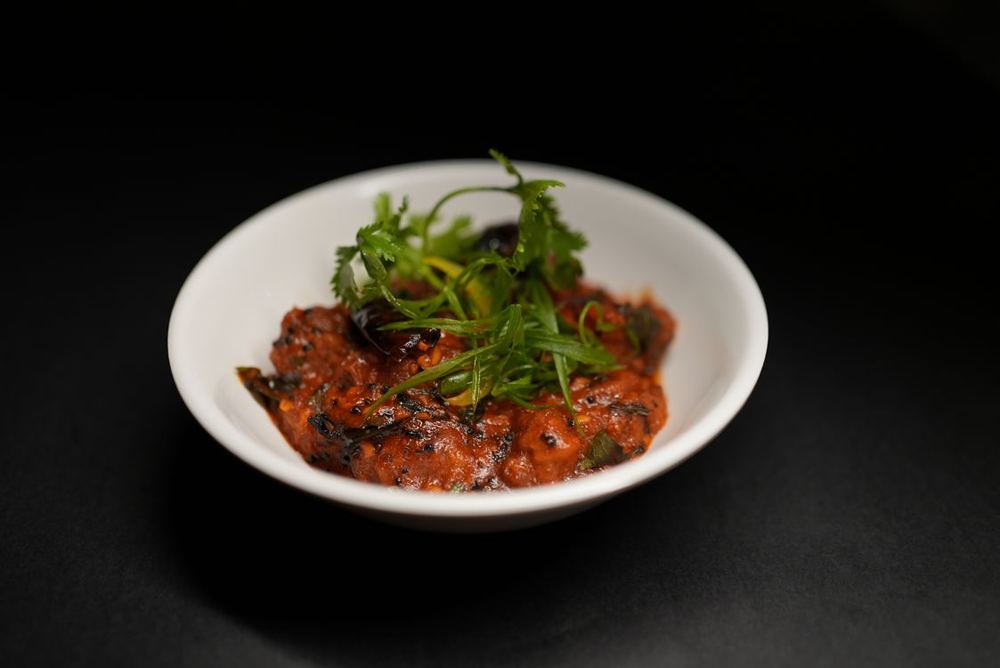
Cover: Kunal Lakhotia, source photograph, Pexels License. Resized and JPEG-compressed. A curry serving in a white bowl with herbs. Illustrative prepared-dish context, not a cited sauce, verified ingredients or measured heat level.
A jar of ready curry sauce sold in Poland is already a formulation. Tikka masala, korma, Rogan Josh and Butter Chicken can have different tomato, dairy, coconut and seasoning statements. The useful shopping question is which named jar you want, not which familiar dish name lets you guess the ingredients without reading them.
The examples below use Polish-market listings for Patak's 450 g sauces. Their ingredient declarations are retailer transcriptions, clearly attributed as such, because a Polish official variant-bound ingredient page was not found during this review. They are not replaced with a UK recipe for the same brand. Check the current Polish pack where an ingredient matters to your choice; the guide does not claim firsthand tasting or a universal curry formula.
Keep market, variant and pack size together
A brand can appear across countries and pack sizes without every listing describing an identical formula. A 450 g Polish retailer entry is therefore the relevant lead for that named purchase, not permission to borrow percentages from a UK product page. Keeping market and size visible avoids making a precise but unsupported statement about the jar a reader may actually buy.
The retailer sources here are Biedronka for Tikka Masala, Auchan and E.Leclerc for Korma, Auchan for Rogan Josh and Torimpex for Butter Chicken. Each list must be read separately. Agreement between two transcriptions can help identify what those retailers publish, but it does not turn either retailer into the manufacturer or prove every batch is unchanged.
This is a comparison of prepared sauces, not a lesson in tomato concentrate, coconut milk or making curry from spices. Nor is it a claim about regional authenticity. A named sauce is already a particular mixture, and its full declaration matters more for this purchase than a general expectation about what a dish with that name usually contains.
Tikka Masala: the Polish listing states several tomato and dairy entries
Biedronka's Patak's Tikka Masala 450 g listing transcribes water, tomatoes 15%, yogurt from milk 6%, tomato paste 4%, rapeseed oil and cream from milk 3%, followed by modified corn starch, ground spices 2%, sugar, dried onion, garlic puree, ginger puree, salt, lactic acid, paprika extract, cumin seeds and dried coriander leaf.
Keep tomatoes and tomato paste as separate named ingredients. Their printed shares do not supply a fresh-tomato equivalent, nor does the guide merge them into an invented tomato-strength measure for comparing another sauce. The yogurt and cream are also separate dairy components. A creamy description is not a reason to erase either one or assume their shares match another product.
The 2% ground-spice statement belongs to this transcribed list, not to all flavour ingredients combined. Garlic puree, ginger puree, cumin seeds and coriander leaf also appear separately. The guide does not calculate a total seasoning share or assign a measured heat level. If this is the jar you want, save Tikka Masala and 450 g rather than simply Patak's tomato curry.
Korma: separate coconut ingredients remain separate
Auchan's Patak's Korma 450 g listing transcribes water, sugar, coconut flakes 4%, cream from milk 4%, dehydrated coconut pulp 4%, rapeseed oil, modified corn starch, tomato paste, another cream entry from milk 1%, ginger puree, garlic puree, spices 1%, dried onion, salt, lactic acid, concentrated lemon juice and dried coriander leaf. E.Leclerc publishes the same named shares in its listing.
The coconut flakes and dehydrated coconut pulp are different named ingredients. This guide does not add them into an invented coconut-milk percentage or calculate how much liquid coconut product would replace the sauce. The jar already includes sugar, dairy and seasoning as well as its coconut components. It is not a can of plain coconut milk with a curry name attached.
The transcriptions distinguish a 4% śmietana entry and a 1% śmietanka entry, both from milk. The guide preserves those separate entries rather than silently replacing them with one guessed dairy ingredient. The amounts describe the retailer-published formulation; they do not establish the product's full dairy share or the formula of another Korma size sold elsewhere.
Read a transcription without smoothing away its limits
Some retailer renderings lose punctuation between ingredients. For Korma, the Auchan page makes modified corn starch and tomato paste separate entries, while other transcriptions run words together. This guide relies on the clearer Polish list and does not invent a tomato-paste percentage. A missing separator on another page is a reason for care, not a new compound ingredient to repeat as fact.
The same principle applies to a seller's promotional prose. A general description of a creamy sauce does not fill every missing quantity, establish fresh ingredients where a puree is declared or certify a diet. The ingredient list is the source for the particular claims made here. A serving idea and an exact formulation answer different questions.
Where the actual jar differs, use that jar's complete statement. Retailer listings can be useful for planning a purchase, but their authorship remains retailer transcription. The guide does not claim the manufacturer independently confirmed these Polish lists. It also does not mix a clearer UK percentage into a Polish list just because the numbers would make a tidier comparison.
Rogan Josh: a separate tomato and spice structure
Auchan's Patak's Rogan Josh 450 g listing transcribes water, tomatoes 18%, modified corn starch, ground spices 2%, rapeseed oil, concentrated tomato puree 2%, sugar, dried onion 2%, garlic puree, ginger puree, salt, acetic and citric acids, paprika extract and dried coriander leaf. The ground-spice component lists fennel, spices, paprika, coriander and cloves.
The fennel entry is Polish koper włoski. It belongs inside the cited ground-spice component, not a claim that the sauce contains walnuts because włoski also appears in another Polish food name. Preserve the complete ingredient phrase and its context. This is one example of why translating isolated familiar words can misdescribe a ready sauce.
The 18% tomatoes and 2% concentrated tomato puree remain their own statements. Do not put them on an invented common scale with the Tikka Masala paste figure. Rogan Josh also names different acids and a separately quantified dried-onion ingredient. Those details identify a distinct prepared mixture without a taste ranking or a promise about which jar is hotter.
Butter Chicken names a sauce, not chicken in the jar
Torimpex's Patak's Butter Chicken 450 g listing transcribes water, tomatoes 10%, cream from milk 10%, butter from milk 4%, rapeseed oil, sugar, modified corn starch, tomato paste 2.5%, dried onion, ground spices, garlic puree, ginger puree, salt, ground smoked paprika, lactic and citric acids, green cardamom, paprika extract and dried fenugreek leaf.
The transcribed ingredients do not name chicken as an ingredient. The product title identifies a prepared sauce associated with that named dish, not evidence of chicken pieces inside this jar. This is a statement about the published ingredient list, not a dietary certification or a promise about every product sold under the same dish name.
The butter and cream percentages also belong to this sauce. They do not fill an unquantified ingredient in another curry, and the smoked-paprika wording does not quantify a smoke flavour or establish a measured heat. Keep the actual named ingredients rather than completing the formula from a restaurant memory. The retailer's list is the evidence used here, with its limits stated.
Compare the mixture, not a presumed colour scale
A red or orange sauce photograph cannot tell you whether it contains yogurt, butter, cream or coconut pulp. The jar's actual list can. The cited Tikka Masala lists yogurt and cream; Korma lists separate coconut and dairy components; Rogan Josh has its own tomato and spice structure; Butter Chicken lists butter and cream in its retailer declaration.
Those are formulation distinctions, not a mild-to-hot ladder. The guide does not use a dish name, chilli photograph or paprika extract to assign a Scoville value or guarantee personal tolerance. Nor does it make a nutritional ranking from a creamy appearance. Choose the actual variant you want, then check the current complete label for any ingredient that affects your purchase.
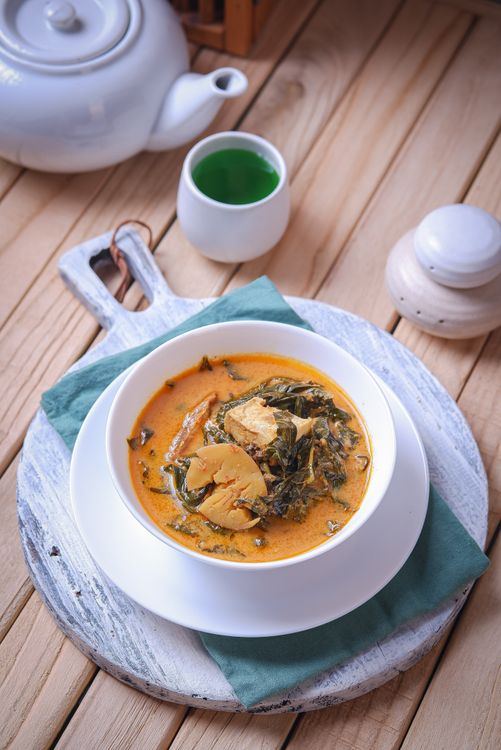
A stock curry serving photo is useful context, but it is not the cited jar, a verified Patak's dish or proof of its ingredients. The photographs here illustrate finished curry servings only. Their garnish, visible vegetables or colour should not be copied into the packaged sauce's declaration or treated as a tested result of using a particular bottle.
Keep sauce selection separate from a cooking method
A ready sauce still has its own pack instructions and any complete dish needs an appropriate recipe. This guide does not reproduce retailer meat timings, infer safe cooking from a jar photograph or promise that a fixed number of minutes will cook every ingredient. The scope is selecting the prepared mixture, not validating a meal's preparation.
For a repeat order, save brand, full variant, 450 g pack and the ingredient distinctions that mattered to you. Preserve tomato, paste or concentrated-puree wording; keep coconut and dairy entries separate; label retailer information as retailer information. A different country, size or variant deserves another check rather than an automatic formula transfer.
That gives you a useful choice among named ready sauces without pretending there is one universal curry recipe. Use the current Polish jar to settle a consequential ingredient question, and leave missing quantities unstated. A careful purchase does not need an invented heat scale, a homemade substitution or a claim of authenticity to be clear.
Frequently asked questions
Are these Polish ingredients independently manufacturer-confirmed?
No. They are attributed Polish retailer transcriptions. A Polish official variant-bound declaration was not found; check the current jar.
Does Butter Chicken mean chicken is listed inside the cited sauce?
No chicken appears in the Torimpex ingredient transcription for the named 450 g sauce. This is not a dietary certification.
Are tomato and paste percentages converted to one strength scale?
No. The guide preserves separate named ingredients and does not invent tomato equivalents or heat scales.