Family-Friendly Neighborhoods in Warsaw: An Expat Parent's Guide
A personal essay by a Canadian living in Poland. The views and experiences are the author's own.
What to know: A Canadian parent compares Warsaw neighborhoods for families, from Ursynów and Mokotów to Żoliborz and Wilanów, covering schools, transport and rents.
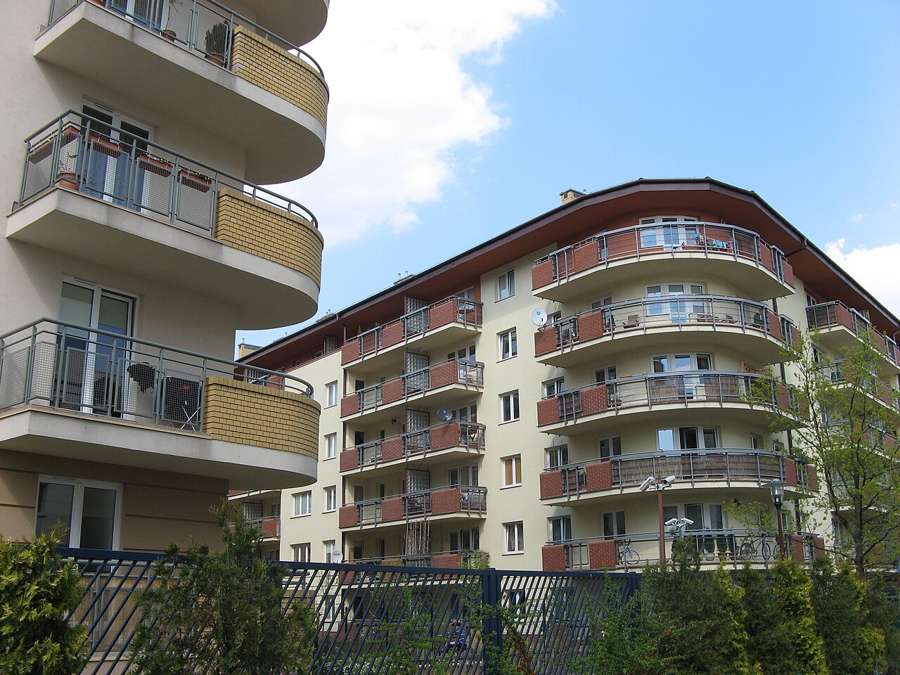
Moving to Warsaw with children? Here's how I would choose the right neighborhood for a family, from Mokotów and Żoliborz to Ursynów, Wilanów, and beyond. Schools, playgrounds, transportation, housing costs, and everyday convenience matter more than you might think.
When I first started thinking about where to live in Warsaw, I made the same mistake many people make when moving to a new city.
I focused on the apartment.
Was it modern?
Did it have a nice kitchen?
Was the living room big enough?
Did the building look good?
Was the price reasonable?
Those things matter, of course.
But when you're moving to Warsaw with children, I think there's a much more important question:
What will everyday life actually look like outside your front door?
Because a beautiful apartment doesn't necessarily mean a good family life.
You might find a fantastic three-bedroom apartment with floor-to-ceiling windows and a beautiful balcony.
But what happens when the nearest preschool is a thirty-minute drive away?
Or when the playground is across a busy road?
Or when every trip to the grocery store requires getting everyone into the car?
Coming from Canada, where many families organize their lives around driving, one of the things I find most appealing about Warsaw is the possibility of building a more walkable daily routine.
In the right neighborhood, you can have a supermarket, pharmacy, park, school, playground, and public transportation all within a short walk.
For parents, that's not a small luxury.
It's something that can change the rhythm of everyday life.
But Warsaw is a big city, and not every neighborhood offers the same experience.
Some areas are leafy and peaceful.
Others are modern and full of new apartment buildings.
Some are excellent for public transportation.
Others are better suited to families with cars.
And some neighborhoods that look perfect on paper may feel completely different when you visit them with a stroller.
So if you're trying to find the best family-friendly neighborhood in Warsaw, here's how I'd approach the decision.
1. First, Understand That Warsaw Is a City of Neighborhoods
Warsaw isn't one uniform place.
It's a collection of districts, residential communities, historic streets, modern developments, and neighborhoods with very different personalities.
You can live in an elegant prewar building surrounded by trees.
A modern apartment complex near a shopping center.
A quieter residential street with houses and gardens.
Or a high-rise building close to the metro.
And all of those options can exist within the same city.
That's why I wouldn't choose an apartment simply because the listing says it's in Mokotów or Wilanów.
Those are large districts.
Two apartments in the same district can offer completely different family experiences.
One might be five minutes from a metro station and surrounded by playgrounds.
Another might require a car for nearly everything.
My first rule: Choose the exact street and immediate surroundings, not just the district name.
2. The Best Neighborhoods in Warsaw for Families: My Shortlist
If I were moving to Warsaw with young children, these are the areas I'd investigate first.
| Neighborhood | Best for | Main consideration |
|---|---|---|
| Ursynów | Everyday convenience, metro access, families | Some areas feel farther from central Warsaw |
| Mokotów | Parks, services, varied housing | Traffic and neighborhood differences |
| Żoliborz | Green streets, character, walkability | Higher prices and limited larger apartments |
| Wilanów | Modern housing, international families | Car dependence in some locations |
| Bielany | Green space, quieter residential living | Connections vary by street |
| Wola | Modern apartments and commuting convenience | Busy roads and construction in some areas |
| Saska Kępa | Residential charm, parks, cafés | Prices and limited metro access |
| Białołęka | More space and newer housing | Longer commutes in some developments |
There is no single winner for every family.
But these areas offer different combinations of housing, transportation, schools, and lifestyle that make them worth considering.
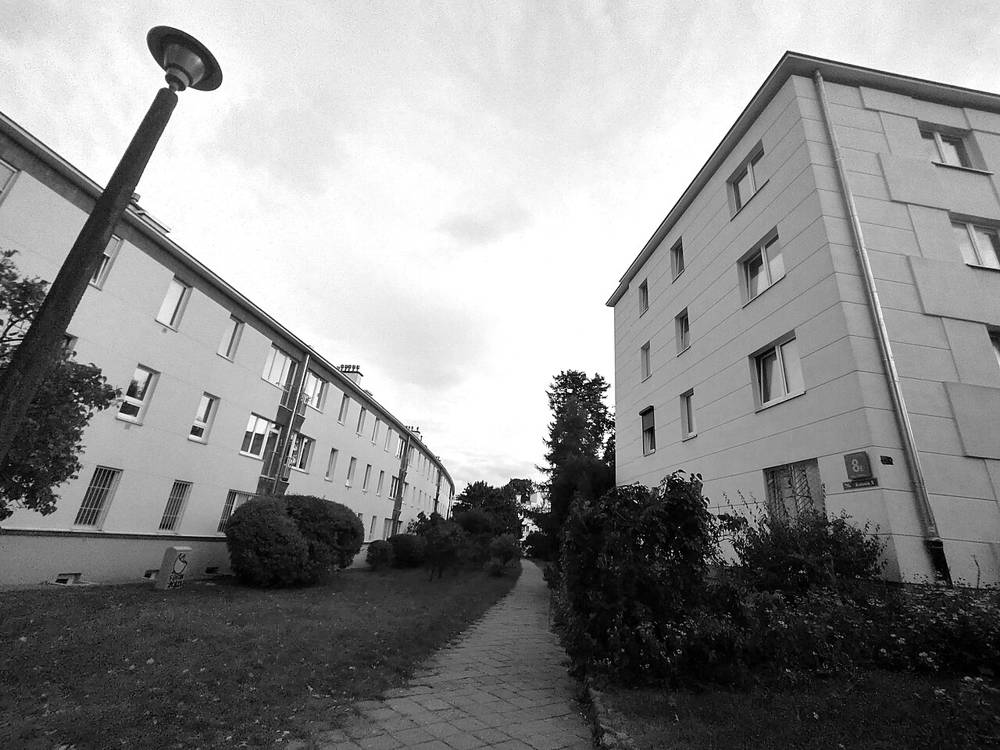
3. Ursynów: One of My First Choices for Everyday Family Life
If someone asked me where to start looking for a family apartment in Warsaw, Ursynów would be near the top of my list.
Ursynów is a large residential district in southern Warsaw, and much of it was developed with everyday neighborhood living in mind.
There are apartment buildings, green spaces, local shops, schools, playgrounds, and community facilities.
One of its biggest advantages is the M1 metro line.
Living within a comfortable walk of a station can make commuting much easier.
For a family, I find that combination appealing.
You can live in a residential environment without feeling disconnected from the rest of the city.
Parts of Ursynów also offer access to Kabaty Forest, a major green area that's particularly attractive for walking and outdoor activities.
Why I'd Consider Ursynów
I like the idea of having a neighborhood where ordinary errands are straightforward.
A place where children can grow up near playgrounds, parks, and schools.
Where you can walk to the supermarket.
And where getting into central Warsaw doesn't necessarily require a car.
What I'd Watch Out For
Not every part of Ursynów is equally convenient.
Distance to the metro matters.
So does proximity to schools and childcare.
I'd also investigate the noise level around major roads and compare the condition of older buildings with newer developments.
My verdict: One of Warsaw's strongest all-around choices for families who value practical daily living.
4. Mokotów: Parks, Schools, and a Great Balance of City Life
Mokotów is another district I'd take seriously.
It's large and diverse, with older residential streets, modern developments, commercial areas, parks, and excellent connections in certain locations.
Some parts feel leafy and established.
Others are busy and modern.
That variety can be an advantage, but it also means you need to be selective.
Areas around Stary Mokotów, for example, can offer attractive residential streets, access to parks, and a more traditional neighborhood atmosphere.
Other parts of the district offer newer apartment buildings and proximity to offices.
What I Like About Mokotów
The balance.
You can find neighborhoods that feel residential while still offering access to restaurants, shops, medical services, and transportation.
For families who want city convenience without living in the busiest parts of central Warsaw, that can be attractive.
What I'd Watch Out For
Mokotów is not automatically peaceful.
Some roads are busy.
Traffic can be frustrating.
And housing costs in desirable locations can be high.
I'd also be careful about choosing an apartment near a large office district if what I really want is a quiet family environment.
My verdict: Excellent potential, but the exact location matters enormously.
5. Żoliborz: Beautiful Streets and a Neighborhood Feeling
Żoliborz is one of the areas that appeals to me most from a lifestyle perspective.
It's known for its leafy streets, residential character, attractive architecture, and access to parks.
Parts of the district feel noticeably calmer than Warsaw's busiest commercial areas.
There are cafés, local shops, and opportunities for walking.
Some locations also have convenient metro and tram connections.
For a family that enjoys being outdoors and wants a neighborhood with personality, Żoliborz is worth exploring.
What I Like About Żoliborz
I appreciate neighborhoods that feel like places to live rather than just places to sleep.
Streets with trees.
Parks within walking distance.
Local businesses.
And a sense of community.
Żoliborz can offer that kind of environment.
What I'd Watch Out For
The biggest challenge may be finding the right apartment at the right price.
Larger family apartments can be expensive or limited in certain areas.
Older buildings may also have practical drawbacks, such as stairs, limited storage, or layouts that aren't ideal for young children.
My verdict: A particularly appealing option for families who value character, walkability, and green surroundings.
6. Wilanów: Modern Apartments and International Family Appeal
Wilanów is often mentioned when people discuss family-friendly areas in Warsaw.
And I understand why.
Parts of the district, especially Miasteczko Wilanów, have modern apartment buildings, restaurants, shops, schools, playgrounds, and services aimed at families.
For someone moving from Canada, a newer apartment with an elevator, parking, storage, and modern facilities can feel reassuring.
Wilanów is also worth investigating if you're interested in certain international or private school options.
But I wouldn't assume every family will prefer it.
What I Like About Wilanów
Modern housing can make family life easier.
An elevator is valuable when you have a stroller.
Secure storage is useful.
A practical apartment layout matters.
And being surrounded by other families can help when you're new to a country.
What I'd Watch Out For
Transportation.
The tram connection has improved access to parts of Wilanów, but convenience still depends on your exact location and destination.
Some households may find a car helpful.
I'd also compare traffic conditions and travel times carefully.
My verdict: A strong choice for families who prioritize modern housing and nearby services, especially if the school and commute work well.
7. Bielany: A Green and Often Overlooked Family Option
Bielany is another area I'd include in my search.
It offers a mixture of residential neighborhoods, green spaces, and public transportation connections.
Parts of the district are close to larger natural areas, including Las Bielański.
For parents who want quieter surroundings without moving too far from urban services, Bielany can be attractive.
Some locations also benefit from the M1 metro line.
What I Like About Bielany
The potential balance between nature and convenience.
I like the idea of children having access to parks and green spaces without the family needing to drive out of the city every weekend.
What I'd Watch Out For
As with the other districts, convenience varies significantly.
I'd compare metro access, schools, and daily shopping options.
Some streets may feel much more connected than others.
My verdict: Worth serious consideration for families who want green space and a calmer residential atmosphere.
8. Wola: Modern Living With Excellent Connections in Some Areas
Wola has changed significantly over the years.
Parts of it have become major residential and business areas with new apartment buildings, offices, shops, and transportation connections.
For families who work in central Warsaw, certain locations can offer convenient commuting.
The M2 metro line serves parts of Wola, which can be a major advantage.
But this isn't necessarily the neighborhood I'd choose purely for peace and quiet.
What I Like About Wola
Modern apartments.
Urban convenience.
Access to transportation.
And proximity to jobs.
For working parents, reducing commute time can mean more time with children.
And that matters.
What I'd Watch Out For
Construction.
Traffic.
Busy roads.
And the atmosphere around major office developments.
I'd want to make sure the immediate neighborhood has playgrounds and green space, not just attractive apartment buildings.
My verdict: Good for families who value modern housing and commuting convenience, provided the exact location feels child-friendly.
9. Saska Kępa: A Charming Alternative Across the River
Saska Kępa, in the Praga-Południe district, has a distinctive character.
It offers leafy streets, cafés, restaurants, and residential architecture.
It's also close to Skaryszewski Park, one of Warsaw's notable green spaces.
For a family that enjoys walking, parks, and neighborhood cafés, the area can be appealing.
What I Like About Saska Kępa
The atmosphere.
It's the kind of place where I can imagine enjoying an ordinary Saturday.
A walk through the neighborhood.
A visit to the park.
Coffee.
And some time at a playground.
What I'd Watch Out For
Housing availability and price.
I'd also examine transportation carefully, particularly if the family relies on the metro.
Saska Kępa doesn't have its own metro station, so buses and trams are especially relevant.
My verdict: An attractive choice for families who prioritize neighborhood character over having a metro station nearby.
10. Białołęka: More Space, but Check the Commute
Białołęka is often worth exploring when families want newer housing or more space for their budget.
Parts of the district have modern residential developments and family-oriented communities.
For families who work remotely or don't need to travel into central Warsaw every day, some locations may be attractive.
But I'd be cautious.
A larger apartment isn't necessarily a bargain if you spend hours commuting every week.
What I Like About Białołęka
The possibility of more living space.
For a family with multiple children, an extra bedroom or larger living room can make a difference.
What I'd Watch Out For
Transportation and infrastructure.
Some developments are more convenient than others.
I'd investigate schools, nursery availability, traffic, road access, and public transportation before making a decision.
My verdict: Potentially good value for families who prioritize space, but only after checking the daily commute.
11. The Seven Things I'd Check Before Renting Anywhere in Warsaw
After comparing neighborhoods, I would narrow my decision using seven practical tests.
1. The School and Preschool Test
Find the nearest schools and childcare facilities.
But don't stop at locating them on a map.
Check enrollment rules, availability, opening hours, and whether they meet your child's needs.
A school being nearby doesn't guarantee admission.
For international families, language support and school communication are especially important.
2. The Playground Test
Can you reach a suitable playground in five or ten minutes?
Is the route safe?
Are there busy roads to cross?
Does the playground have equipment appropriate for your child's age?
And is there shade during warmer months?
A convenient playground can become one of the most valuable features of your neighborhood.
3. The Grocery Store Test
Can you buy milk, bread, fruit, diapers, and basic household supplies without getting into a car?
For me, this is a major quality-of-life factor.
When you have children, the ability to run a quick errand can save a surprising amount of time.
4. The Public Transportation Test
Don't just check whether a metro, tram, or bus stop exists nearby.
Check where it actually goes.
A station ten minutes away is useful only if it connects you conveniently to the places you need.
I'd test the route to work, school, and important services during normal weekday hours.
5. The Healthcare Test
Find nearby pediatricians, pharmacies, and medical facilities.
If you need English-speaking care, research availability before moving.
Also understand where to go for urgent medical needs.
6. The Noise and Air Quality Test
Visit the street at different times.
A peaceful neighborhood at noon may be noisy during evening traffic.
Check whether the apartment faces a major road.
And investigate seasonal air quality, particularly if your child has respiratory sensitivities.
7. The Stroller and Accessibility Test
This is especially important for families with babies and toddlers.
Are there elevators?
Are sidewalks comfortable?
Can you enter the building without carrying a stroller up several steps?
Is there storage?
Can you reach public transportation easily?
Small accessibility problems become frustrating when you deal with them every day.
12. How Much Does a Family Apartment Cost in Warsaw?
Housing is likely to be one of your largest expenses.
And prices can vary dramatically depending on the neighborhood, building, apartment size, and condition.
For planning purposes, I'd use the following broad monthly rental estimates for a family-sized apartment.
| Area | Illustrative monthly rent |
|---|---|
| Ursynów | 3,800–6,000 PLN |
| Mokotów | 4,000–7,000 PLN |
| Żoliborz | 4,500–7,500 PLN |
| Wilanów | 4,500–7,500 PLN |
| Bielany | 3,500–5,800 PLN |
| Wola | 4,000–6,800 PLN |
| Saska Kępa | 4,500–7,500 PLN |
| Białołęka | 3,200–5,500 PLN |
These are illustrative planning ranges for 2027, not verified current listings or forecasts. Actual prices depend on apartment size and specific location, and advertised rent may exclude administrative charges, utilities, and parking.
I would also budget for a security deposit, possible agency fees, and the cost of furnishing or equipping an apartment.
When comparing listings, always ask for the total monthly payment.
An apartment advertised at 4,500 PLN may cost considerably more once additional charges are included.
13. How to Search for Apartments in Warsaw
When looking for housing, I'd start with major Polish property portals such as Otodom and OLX.
I'd use them to understand what different budgets can buy in each neighborhood.
But I wouldn't rush into signing a long-term lease based only on photographs.
I'd try to visit the apartment and surrounding streets in person.
If that's impossible, I'd arrange a detailed live video viewing and verify the landlord or agent before transferring money.
For families relocating from abroad, temporary accommodation for the first few weeks can be useful.
It gives you time to explore neighborhoods, compare transportation routes, and see how different areas feel.
I would also ask about the lease terms, deposit, notice period, additional fees, and whether the landlord is comfortable renting to a family with children.
And I'd never send a large deposit without appropriate verification and documentation.
14. Public Schools vs. International Schools: Let the School Influence Your Location
One mistake I'd avoid is choosing a neighborhood first and researching schools later.
For families with school-age children, the school should be part of the housing decision.
Polish public schools generally teach in Polish.
Foreign children may be entitled to language support under applicable rules, but the available support can vary.
International and private schools may offer English-language or other curricula.
However, tuition can be substantial.
And the daily journey to school can become exhausting if you live far away.
I'd identify suitable schools first, confirm admission possibilities, and then search for housing within a practical commuting distance.
A beautiful apartment is less appealing when your child spends two hours a day traveling to school.
15. Warsaw With a Toddler vs. Warsaw With Teenagers
The best neighborhood can also depend on your children's ages.
Families With Babies and Toddlers
I'd prioritize:
- A building with an elevator.
- A playground within walking distance.
- Nearby grocery stores and pharmacies.
- Convenient nursery options.
- Quiet streets and accessible sidewalks.
For this stage of life, Ursynów, selected parts of Mokotów, Bielany, and Wilanów would be on my shortlist.
Families With Primary-School Children
I'd prioritize schools, parks, sports facilities, safe routes, and neighborhood friendships.
The ability to walk to school could be especially valuable.
Families With Teenagers
I'd pay more attention to independent transportation.
Can they reach school, friends, sports, and cultural activities without depending on parents for every trip?
Metro and tram access may become increasingly important.
A neighborhood that's ideal for a toddler may not be the best fit for a teenager.
16. The Biggest Mistakes Families Make When Choosing a Warsaw Neighborhood
I think there are several mistakes worth avoiding.
Choosing based on apartment photographs alone. The surrounding streets matter as much as the apartment itself.
Assuming an entire district is family-friendly. Conditions can vary block by block.
Ignoring school enrollment and childcare availability. Nearby facilities may not have space.
Underestimating commute times. Test actual weekday routes, not just map distances.
Forgetting additional housing charges. Rent is only part of the monthly cost.
Choosing too far from everyday services. A cheaper apartment can create higher transportation costs and more stress.
Not visiting at different times. Traffic, noise, and neighborhood activity change throughout the day.
Overlooking your own social life. Parents need friends, activities, and community too.
The last point is particularly important for expats.
A neighborhood can be excellent for children but isolating for adults.
And happy parents are part of a happy family environment.
17. My Personal Neighborhood Ranking for Families
If I were making a shortlist for a family relocating from Canada, this is how I would organize it.
| Family priority | Neighborhood I'd investigate first |
|---|---|
| Best all-around everyday convenience | Ursynów |
| Best balance of city life and residential streets | Mokotów |
| Best leafy neighborhood atmosphere | Żoliborz |
| Best modern family housing | Wilanów |
| Best green and quieter alternative | Bielany |
| Best for some central commuting needs | Wola |
| Best for charm and café culture | Saska Kępa |
| Best for potentially more space | Białołęka |
These are editorial preferences, not objective rankings of schools, safety, or property value.
The right choice depends on your family, budget, and daily destinations.
Final Thoughts: The Best Family Neighborhood in Warsaw Is the One That Makes Life Easier
When I think about choosing a neighborhood in Warsaw, I keep returning to the same idea.
Family life is made up of ordinary days.
Not weekends at beautiful museums.
Not visits to famous landmarks.
Not the impressive apartment photographs you send to friends back in Canada.
Ordinary days.
Getting children ready for school.
Buying groceries.
Walking to the playground.
Taking a sick child to the doctor.
Getting home after work.
Finding time to relax.
And trying to make all of that happen without feeling constantly rushed.
That's why I wouldn't choose a Warsaw neighborhood simply because it's fashionable or prestigious.
I'd choose the place that makes those ordinary days easier.
For some families, that might be a modern apartment in Wilanów.
For others, a leafy street in Żoliborz.
A practical home near the metro in Ursynów.
Or a quiet residential area in Bielany.
If I had to start my search today, I'd look closely at Ursynów, Mokotów, and Żoliborz, while keeping Wilanów and Bielany on the shortlist.
But I wouldn't make the final decision until I'd walked the streets, tested the transportation, visited nearby parks, and investigated schools.
Because the best family-friendly neighborhood in Warsaw isn't necessarily the most beautiful or the most expensive.
It's the one where your children can feel safe, make friends, explore, and grow.
And where you, as a parent, can enjoy everyday life instead of constantly organizing it.
Coming from Canada, that's one of the things I find most exciting about Warsaw.
The possibility of building a family routine where so much of what you need is close to home.
And sometimes, that convenience is worth more than an extra bedroom or a beautiful view.
---
Frequently Asked Questions About Family-Friendly Neighborhoods in Warsaw
What is the best neighborhood in Warsaw for families?
Ursynów, Mokotów, Żoliborz, Wilanów, and Bielany are all worth considering. The best choice depends on your budget, children's ages, school requirements, and commuting needs.
Is Ursynów a good place to live with children?
Yes. Many parts of Ursynów offer residential neighborhoods, playgrounds, shops, schools, and access to the M1 metro line. The exact location should still be evaluated carefully.
Is Wilanów good for expat families?
Wilanów is popular with some international families because of its modern housing, services, and access to certain private and international education options. Transportation and housing costs are important considerations.
Is Mokotów family-friendly?
Many parts of Mokotów are family-friendly, offering parks, residential streets, shops, and transportation connections. However, Mokotów is large, and conditions vary significantly between neighborhoods.
Where should families live in Warsaw without a car?
Areas within walking distance of metro stations or reliable tram connections are worth prioritizing. Parts of Ursynów, Mokotów, Żoliborz, Bielany, and Wola can be particularly convenient.
How much does it cost to rent a family apartment in Warsaw?
For preliminary 2027 planning, approximately 3,500–7,500 PLN per month covers a broad range of family-sized rental possibilities, depending on location and size. Additional building charges, utilities, and parking may apply. Verify current listings before making a decision.
Is Warsaw safe for families with children?
Warsaw has many family-friendly residential neighborhoods, but safety should be assessed at the street level. Consider traffic, pedestrian crossings, playground conditions, lighting, and the route to school.
Is it better to live near an international school in Warsaw?
If your child will attend an international school, living nearby can significantly reduce commuting stress. Confirm admission and school transportation arrangements before choosing housing.
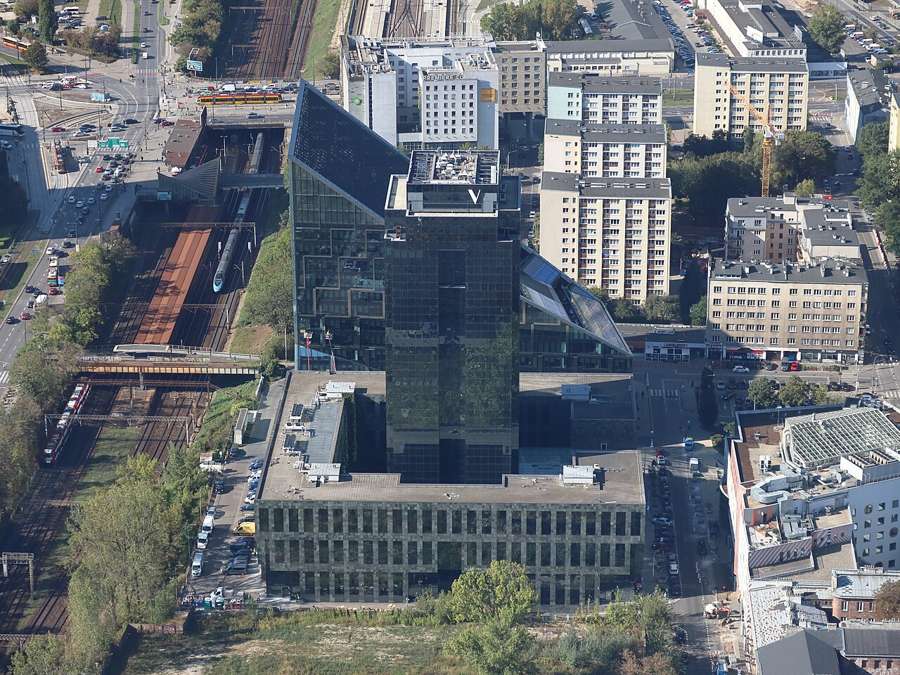
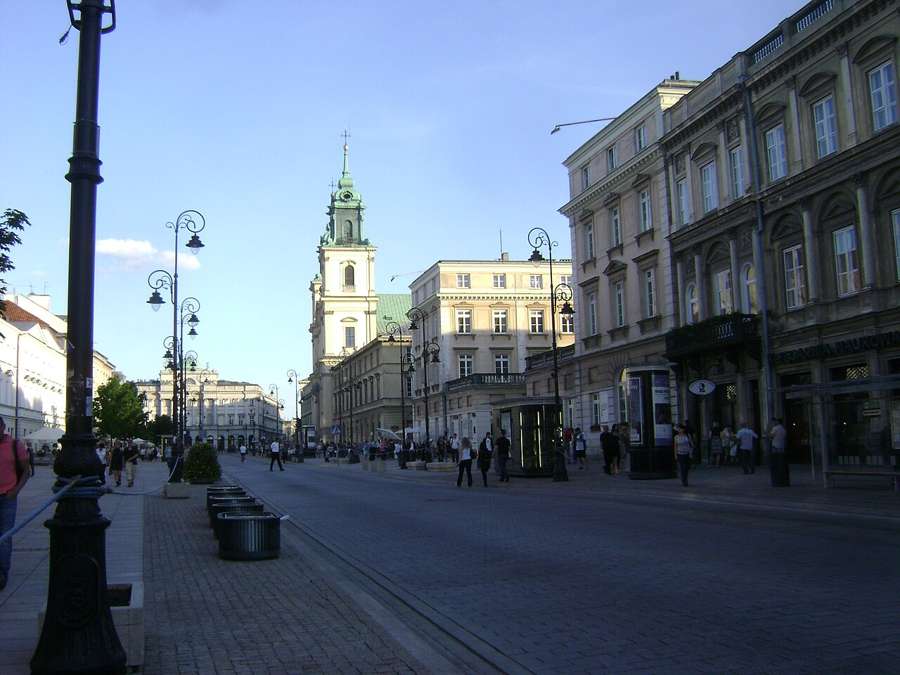
* Photos: Ursynów apartment buildings by PrinceGloria (public domain) and Stary Żoliborz by MOs810 (CC BY 4.0), Wikimedia Commons.