Where to Live in Warsaw: Guide to the City's 18 Districts
A personal essay by a Canadian living in Poland. The views and experiences are the author's own.
What to know: A Canadian expat walks through Warsaw's 18 districts, from Śródmieście and Mokotów to Wesoła, with notes on families, commutes and costs.
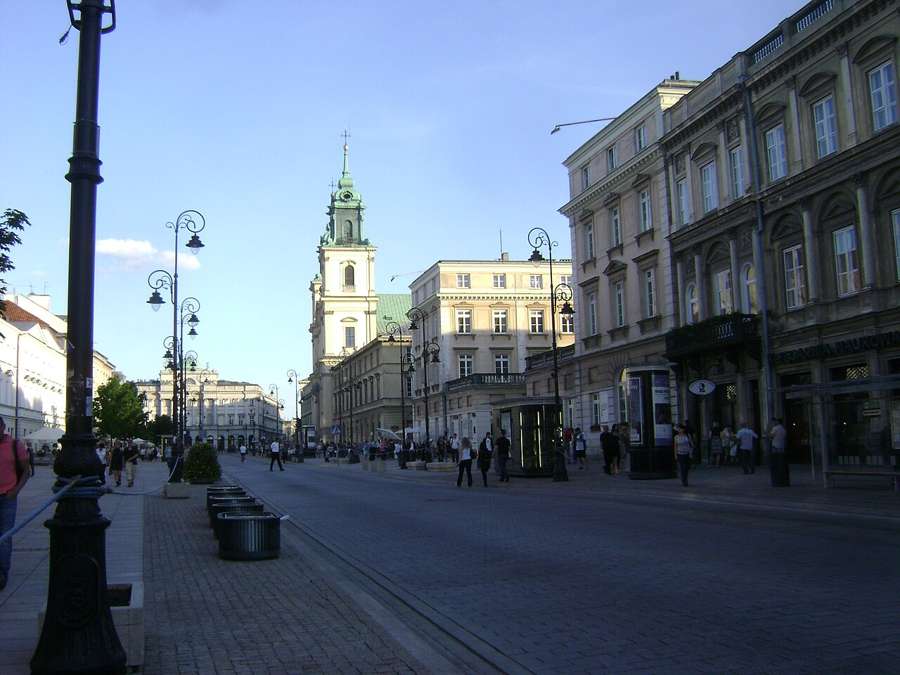
Wondering where to live in Warsaw? From the historic streets of Śródmieście and the leafy neighborhoods of Żoliborz to family-friendly Ursynów, modern Wilanów, and the changing character of Praga, here's my guide to Warsaw's 18 districts, their personalities, advantages, disadvantages, and who they're best suited for.
When I first started exploring Warsaw as someone coming from Canada, I quickly realized something important.
Choosing where to live in Warsaw is almost like choosing which version of the city you want to experience.
Some neighborhoods are elegant, quiet, and surrounded by trees.
Others are full of modern apartment buildings, office towers, restaurants, and shopping centers.
Some feel like small towns inside a capital city.
And others have an energy that reminds you Warsaw is a major European metropolis.
You can live in a historic apartment overlooking a beautiful street.
A modern residential complex with underground parking and a playground.
A house with a garden.
Or a compact apartment steps away from the metro.
And all of those experiences can happen within Warsaw's city limits.
That's what makes Warsaw so interesting.
But it's also what makes choosing the right neighborhood difficult.
When you're moving to Warsaw as an expat, especially with children, you need to think beyond the apartment itself.
You need to consider schools, transportation, parks, safety, childcare, grocery stores, healthcare, and your daily commute.
A beautiful apartment in the wrong location can make life unnecessarily stressful.
A slightly smaller apartment in the right neighborhood can make everyday life surprisingly easy.
In this guide, I want to explore all 18 administrative districts of Warsaw, explain what makes each one different, and help you understand where you might feel most at home.
I'll also highlight the smaller neighborhoods that are especially worth knowing, because Warsaw's official districts can be enormous, and two streets in the same district may offer completely different lifestyles.
First, Understanding Warsaw's Districts
Warsaw is divided into 18 administrative districts, called dzielnice in Polish.
These districts contain smaller neighborhoods, residential communities, and historic areas.
For example, Mokotów is an administrative district, while Stary Mokotów, Służew, and Sadyba are neighborhoods within it.
Similarly, Praga-Południe includes Saska Kępa, Gocław, and Kamionek, which have very different characters.
This distinction is important.
When someone tells you that Mokotów is an excellent place to live, that doesn't necessarily mean every apartment in Mokotów will be right for your family.
Warsaw is a city where the exact street matters.
And for families, I think that's one of the most important lessons to understand before signing a lease.
Warsaw's 18 Districts at a Glance
| District | General character | Best suited for |
|---|---|---|
| Śródmieście | Central, historic, lively | City lovers and professionals |
| Mokotów | Established, varied, green | Families and professionals |
| Ursynów | Residential, practical, metro-connected | Families with children |
| Wilanów | Modern, spacious, family-oriented | Families seeking newer housing |
| Żoliborz | Leafy, elegant, intimate | Families and couples |
| Bielany | Green, residential, relaxed | Families and nature lovers |
| Wola | Modern, business-oriented, changing | Professionals and urban families |
| Ochota | Central, established, convenient | Families and commuters |
| Praga-Północ | Historic, creative, urban | City lovers and adventurous expats |
| Praga-Południe | Diverse, residential, green in places | Families and professionals |
| Targówek | Residential, improving connections | Families seeking practicality |
| Białołęka | Newer housing, suburban atmosphere | Families wanting more space |
| Bemowo | Residential, developing, family-friendly | Families and commuters |
| Włochy | Mixed residential and business areas | Families and airport-area workers |
| Ursus | Residential, compact, suburban | Families and budget-conscious renters |
| Rembertów | Quiet, green, low-density | Families seeking calm |
| Wawer | Forests, houses, suburban living | Families wanting space and nature |
| Wesoła | Green, quiet, suburban | Families preferring a peaceful lifestyle |
These are broad descriptions rather than rankings. Within each district, the quality of transportation, housing, schools, and daily amenities can vary substantially.
---
1. Śródmieście: Living in the Heart of Warsaw
If you want to experience Warsaw as a vibrant European capital, Śródmieście is the obvious place to begin.
This is central Warsaw.
It's where you'll find some of the city's most recognizable landmarks, historic streets, government buildings, restaurants, museums, offices, and cultural attractions.
The district includes areas such as the Old Town, Powiśle, Muranów, and parts of the central business and residential core.
But even within Śródmieście, the atmosphere changes dramatically.
What Life Feels Like
Living in central Warsaw means being surrounded by activity.
You can walk to cafés, restaurants, shops, museums, and public transportation.
There's always something happening.
For someone who loves city life, that's exciting.
Powiśle, for example, offers access to the Vistula riverfront, parks, and a lively restaurant scene.
Muranów has a different atmosphere, with residential streets, green courtyards, and a distinctive postwar urban layout.
The Old Town is beautiful, but it's also a major tourist destination.
And the commercial center can feel busy, especially during working hours.
Is Śródmieście Good for Families?
It can be.
There are parks, schools, playgrounds, and residential streets.
But I would choose carefully.
Some locations are noisy, expensive, or difficult for parking.
Older apartment buildings may lack elevators, which matters when you have a stroller.
For a family with young children, I'd investigate quieter parts of Powiśle and Muranów rather than assuming that the busiest central streets offer the best lifestyle.
Best for: Professionals, couples, city lovers, and families who prioritize walkability and central access.
Main disadvantages: Higher housing costs, noise, traffic, and limited space in some buildings.
My impression: Wonderful for experiencing Warsaw's energy, but not automatically my first choice for a family with toddlers.
2. Mokotów: One of Warsaw's Best All-Around Districts
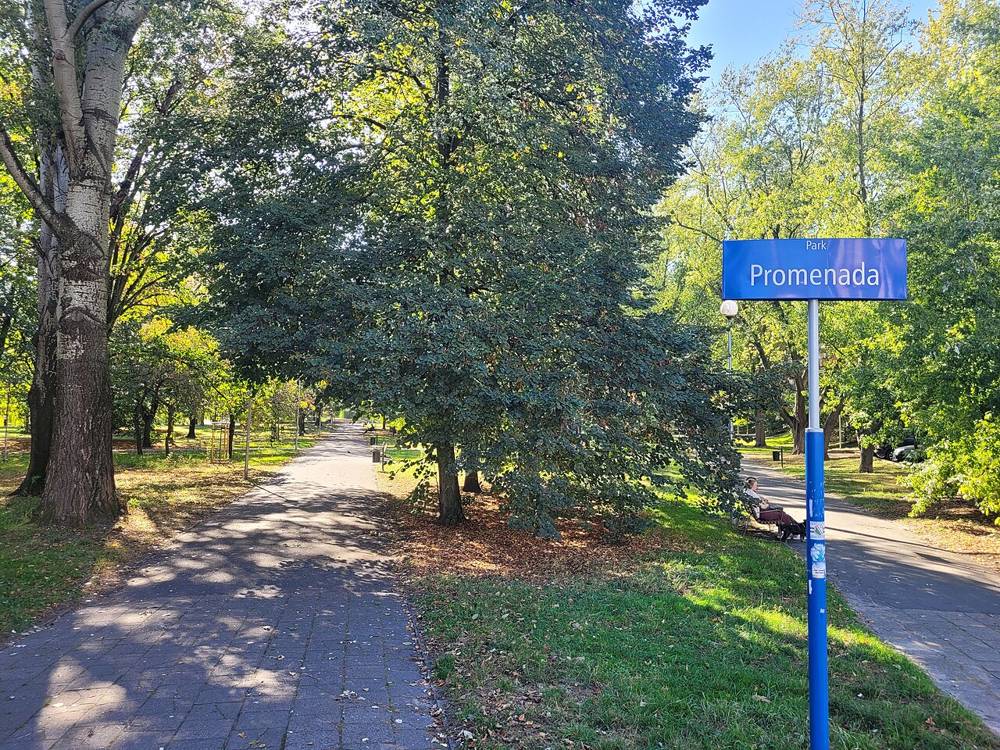
Mokotów is one of the first districts I would recommend exploring.
It's large, diverse, and offers an impressive variety of lifestyles.
You can find beautiful older residential streets, modern apartment developments, parks, offices, and shopping areas.
And depending on where you live, transportation can be excellent.
The Neighborhoods Worth Knowing
Stary Mokotów is one of the most appealing parts of the district for people who love established residential neighborhoods.
It has attractive streets, mature trees, cafés, and a sense of character.
Sadyba offers a quieter, more residential atmosphere, including areas with houses and green surroundings.
Służew has residential communities and access to the metro in certain locations.
Służewiec includes major office areas and newer residential developments, although some streets can be busy.
What Life Feels Like
Mokotów can offer a balance between urban convenience and residential comfort.
You might live close to a park, walk to a café, and still have convenient transportation into central Warsaw.
That combination is particularly attractive for families.
Is Mokotów Good for Families?
Absolutely, in the right location.
There are schools, preschools, parks, playgrounds, and family services throughout the district.
However, I'd be careful about traffic and commute times.
Mokotów is big enough that one part can feel completely different from another.
Best for: Families, professionals, and expats who want a balance of green space and city convenience.
Main disadvantages: Higher prices in desirable neighborhoods, busy roads, and considerable differences between areas.
My impression: One of Warsaw's strongest choices for long-term family living.
3. Ursynów: Practical, Comfortable, and Excellent for Families
If I were choosing a district primarily for everyday family convenience, Ursynów would be near the top of my list.
Located in southern Warsaw, Ursynów is known for its residential character, neighborhood services, green areas, and access to the M1 metro line.
It may not have the historic charm of central Warsaw.
But when you're raising children, practicality often matters more than charm.
The Neighborhoods Worth Knowing
Kabaty is especially attractive because of its residential environment, metro access, and proximity to Kabaty Forest.
Natolin offers apartment communities, local shops, and public transportation.
Other parts of Ursynów provide a mixture of older residential developments and newer housing.
What Life Feels Like
Ursynów can feel like a place designed for ordinary life.
There are supermarkets, schools, playgrounds, medical services, and residential streets.
Families can build routines without needing to travel across the city for every small errand.
Is Ursynów Good for Families?
Yes.
In fact, this is one of the districts I would investigate first with young children.
The combination of parks, services, and metro access is attractive.
And proximity to Kabaty Forest is a wonderful advantage for outdoor activities.
Best for: Families with toddlers, school-age children, and anyone who values practical neighborhood living.
Main disadvantages: Distance from some employment areas and a less historic atmosphere.
My impression: One of the best options for families who want convenience over prestige.
4. Wilanów: Modern Family Living in Warsaw
Wilanów has become one of Warsaw's best-known residential districts for families seeking modern housing.
It's associated with newer apartment buildings, planned residential communities, schools, restaurants, and family services.
Miasteczko Wilanów is particularly recognizable.
What Life Feels Like
Compared with older Warsaw neighborhoods, Wilanów can feel newer and more deliberately planned.
You'll find modern apartment buildings, underground parking, shops, and playgrounds.
For someone arriving from Canada, this environment may feel familiar.
Modern apartments often offer practical layouts, elevators, storage, and amenities that can make family life easier.
Is Wilanów Good for Families?
It can be an excellent choice.
Families may appreciate the newer housing and access to various schools and services.
It's also an area worth investigating if international or private schooling is a priority.
However, transportation deserves careful attention.
Although tram service has improved connections to parts of Wilanów, the exact location still matters.
Some households may find a car useful.
Best for: Families seeking modern housing, international households, and people who prefer newer residential developments.
Main disadvantages: Higher housing costs in desirable locations and possible dependence on a car.
My impression: Attractive for families who value modern apartments, but I'd carefully test the commute before moving.
5. Żoliborz: Leafy Streets and a Wonderful Neighborhood Atmosphere
Żoliborz is one of Warsaw's most charming residential districts.
It's smaller than many other districts and has a distinctive character.
Leafy streets, attractive architecture, local cafés, parks, and residential communities give parts of Żoliborz a relaxed atmosphere.
What Life Feels Like
This is the kind of neighborhood where I'd enjoy walking without a particular destination.
You can discover a café, pass through a green square, or explore quiet residential streets.
Parts of Żoliborz feel more intimate than the city's busiest commercial areas.
The district also has access to the metro and tram network in selected locations.
Is Żoliborz Good for Families?
Very much so.
I particularly like its potential for families who want a pleasant residential environment without moving to the edge of the city.
But finding a large family apartment at a reasonable price may be challenging.
Older buildings can also have practical limitations.
Best for: Families, couples, and people who value architecture, green streets, and neighborhood character.
Main disadvantages: Higher prices, limited availability of some housing types, and older buildings without modern amenities.
My impression: One of the most appealing places in Warsaw if your budget allows it.
6. Bielany: Green, Quiet, and Underrated
Bielany is another district I think families should seriously consider.
Located in northern Warsaw, it offers residential neighborhoods, green areas, and metro access in parts of the district.
Its connection to natural spaces is a major attraction.
What Life Feels Like
Bielany can feel calmer and more residential than central Warsaw.
Parts of the district have established apartment communities, local shops, schools, and parks.
The proximity to Las Bielański is especially attractive for people who enjoy walking and spending time outdoors.
Is Bielany Good for Families?
Yes.
For parents who want green space and a quieter environment, Bielany can be a strong option.
But transportation varies by location.
I'd prioritize areas with convenient metro access if commuting across Warsaw regularly.
Best for: Families, nature lovers, and people who prefer a calmer residential lifestyle.
Main disadvantages: Some locations are less connected than others.
My impression: A strong alternative to more expensive or fashionable neighborhoods.
7. Wola: Warsaw's Modern, Fast-Changing Urban District
Wola has undergone significant transformation.
Once strongly associated with industrial and working-class Warsaw, parts of the district now feature modern offices, apartment towers, restaurants, and major business developments.
It's one of the areas where Warsaw's rapid development is especially visible.
What Life Feels Like
Some parts of Wola feel energetic and modern.
You may be surrounded by office buildings, new apartments, cafés, and busy streets.
Other parts remain more traditional and residential.
The M2 metro line has improved connections through important parts of the district.
Is Wola Good for Families?
It depends on the exact location.
Modern apartments can be practical for families, and convenient commuting is a major advantage.
But some areas have heavy traffic, ongoing development, and limited greenery immediately outside the building.
I'd want to be close to a park and away from the busiest roads.
Best for: Professionals, couples, and families who prioritize modern housing and shorter commutes.
Main disadvantages: Traffic, construction, and a less peaceful atmosphere in some locations.
My impression: Excellent for certain lifestyles, but I'd choose the street carefully with young children.
8. Ochota: Central Convenience With a Residential Feel
Ochota doesn't always receive as much attention from international newcomers as Mokotów or Wilanów.
But I think it deserves a place on the shortlist.
Located west of central Warsaw, Ochota combines residential streets, parks, institutions, and transportation connections.
The Neighborhoods Worth Knowing
Stara Ochota is particularly interesting because of its older architecture and established neighborhood character.
Szczęśliwice is associated with residential areas and access to Park Szczęśliwicki.
What Life Feels Like
Ochota offers a practical combination of proximity to central Warsaw and neighborhood living.
Some areas feel established and comfortable rather than flashy.
And that can be a positive thing.
Is Ochota Good for Families?
Yes, especially near parks and convenient transportation.
I would investigate noise around major roads and railway infrastructure, depending on the apartment location.
Best for: Families and professionals who want to remain relatively close to the city center.
Main disadvantages: Busy traffic corridors and differences in housing quality.
My impression: An underrated district with some excellent family-oriented pockets.
9. Praga-Północ: Historic, Creative, and Full of Character
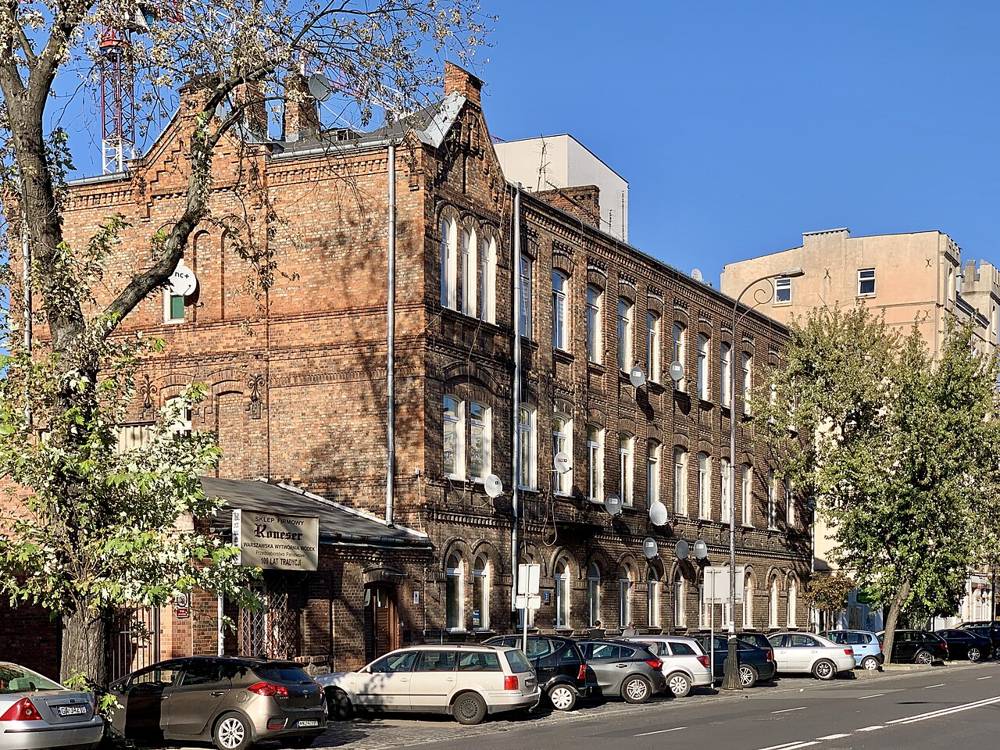
Praga-Północ is one of Warsaw's most distinctive districts.
Located on the eastern side of the Vistula, it has a different atmosphere from much of central Warsaw.
Some streets retain historic buildings and a strong local identity.
Other areas are changing through renovation, new residential development, and cultural investment.
The Neighborhoods Worth Knowing
Stara Praga has historic character and an increasingly varied mix of residential and cultural spaces.
Nowa Praga offers another side of the district, with residential streets and ongoing change.
The area around Koneser has become associated with restaurants, cultural venues, and redevelopment.
What Life Feels Like
Praga-Północ can feel energetic, authentic, and sometimes rougher around the edges than Warsaw's most polished neighborhoods.
That's part of what attracts some people.
But it also means that the experience can vary considerably from street to street.
Is Praga-Północ Good for Families?
Some locations can work very well, especially near parks, schools, and reliable transportation.
However, I'd investigate the exact building and immediate surroundings carefully.
For someone working at CD PROJEKT RED's Warsaw office on Jagiellońska Street, proximity may be a major advantage.
Best for: People who enjoy historic character, creative environments, and urban living.
Main disadvantages: Uneven building conditions, busy streets, and highly variable neighborhood atmosphere.
My impression: Fascinating and full of personality, but I would be selective when choosing a family apartment.
10. Praga-Południe: One District, Several Very Different Lifestyles
Praga-Południe is one of the districts I find most interesting for families.
Why?
Because it contains several neighborhoods with completely different personalities.
Saska Kępa, Gocław, Kamionek, and Grochów are all part of the same district.
But living in each can feel very different.
Saska Kępa: Charm, Parks, and Cafés
Saska Kępa is one of Warsaw's most attractive residential neighborhoods.
It has leafy streets, cafés, restaurants, and a distinctive atmosphere.
Its proximity to Skaryszewski Park is a major advantage.
For families who enjoy walking, parks, and neighborhood life, I think Saska Kępa is particularly appealing.
The drawbacks are housing prices and the lack of a metro station within the neighborhood.
Gocław: Practical Family Living
Gocław has a more modern residential character in many areas.
You'll find apartment communities, shops, playgrounds, and family services.
For parents with toddlers, this kind of environment can be very convenient.
However, commuting can depend heavily on road traffic and bus connections.
Kamionek: Urban Convenience Near Green Space
Kamionek combines residential areas, transportation connections, and access to Skaryszewski Park.
It can offer a good compromise between neighborhood living and proximity to more central parts of Warsaw.
Some streets are more industrial or busy, so location matters.
Grochów: Established and Practical
Grochów offers residential neighborhoods, shops, schools, and tram connections.
It may appeal to families seeking practical housing rather than prestige.
The district's character varies, and I'd evaluate individual streets carefully.
Is Praga-Południe Good for Families?
Absolutely, in the right neighborhood.
For someone commuting to CD PROJEKT RED, I would investigate Saska Kępa, Kamionek, Gocław, and selected parts of Grochów.
But I'd test the actual journey to the office before choosing.
Best for: Families, professionals, and people who want different housing and lifestyle options east of the Vistula.
Main disadvantages: Traffic, variable transportation, and substantial differences between neighborhoods.
My impression: One of Warsaw's most interesting districts for families, particularly if work is on the eastern side of the river.
11. Targówek: Residential Living With Improving Connections
Targówek is another district worth investigating, especially for families seeking practical housing options.
It includes established residential communities, newer developments, and green areas.
The extension of the M2 metro line has improved transportation access in parts of the district.
What Life Feels Like
Targówek is generally less associated with Warsaw's tourist attractions and more with everyday residential life.
You'll find apartment buildings, local shopping, schools, and parks.
Some neighborhoods feel very practical and family-oriented.
Is Targówek Good for Families?
It can be.
I'd pay particular attention to metro access and proximity to schools.
For families working in eastern or central Warsaw, selected locations may offer a reasonable balance between housing and commuting.
Best for: Families looking for practical residential neighborhoods and potentially better housing value.
Main disadvantages: Less historic charm and varying transportation convenience.
My impression: A district that deserves more attention from families who aren't focused on fashionable addresses.
12. Białołęka: More Space and Newer Housing
Białołęka is a large district in northeastern Warsaw.
It's associated with newer residential developments, family housing, and a more suburban atmosphere in some areas.
For families moving from Canada, parts of Białołęka may feel familiar because of the emphasis on residential communities and larger living spaces.
What Life Feels Like
Depending on the neighborhood, you may find modern apartment buildings, quieter streets, and newer housing.
Some developments have playgrounds and local shops.
But infrastructure and transportation haven't developed equally everywhere.
Is Białołęka Good for Families?
It can be attractive for families who want more space.
However, I would be particularly careful about commute times.
A larger apartment may not be worth it if getting to work and school becomes exhausting.
Best for: Families who prioritize space, newer housing, and a quieter environment.
Main disadvantages: Longer commutes and uneven infrastructure in some locations.
My impression: Worth exploring if housing space is a major priority, but transportation should determine the final decision.
13. Bemowo: A Practical Choice for Families
Bemowo is located in western Warsaw and offers a mixture of established residential neighborhoods, newer developments, parks, and services.
It's often worth considering for families who want a residential lifestyle without paying the highest prices associated with some central neighborhoods.
What Life Feels Like
Bemowo has a practical, lived-in atmosphere.
There are apartment communities, local shopping, schools, and recreational areas.
Transportation is improving as the metro network expands, although accessibility depends on the exact location and the status of individual projects.
Is Bemowo Good for Families?
Yes.
I would investigate it particularly if work or school is located in western Warsaw.
I'd also compare the local parks, school options, and travel times.
Best for: Families and commuters who want practical housing and neighborhood services.
Main disadvantages: Some areas remain less convenient for cross-city commuting.
My impression: A sensible choice that may offer good value for everyday family living.
14. Włochy: Residential Neighborhoods Near Major Transport Routes
Włochy is a varied district southwest of central Warsaw.
It includes residential neighborhoods, commercial areas, and locations influenced by major transportation routes and the airport.
The Neighborhoods Worth Knowing
Stare Włochy has an established residential character in parts.
Nowe Włochy offers a different mix of housing and services.
Other areas are more strongly shaped by commercial activity and transport infrastructure.
What Life Feels Like
Some streets feel quiet and suburban.
Others are busy because of major roads, rail connections, or airport-related activity.
This is a district where I'd pay particular attention to noise.
Is Włochy Good for Families?
Yes, in selected residential locations.
But I'd check aircraft noise, traffic, and school access before renting.
Best for: Families seeking residential housing and people who work near western Warsaw or the airport.
Main disadvantages: Noise and transportation-related disruption in certain areas.
My impression: Potentially attractive, but I'd spend time investigating the immediate surroundings.
15. Ursus: A Smaller, Residential Alternative
Ursus is located in western Warsaw and has a strong residential identity.
Parts of the district have seen significant new housing development.
It can appeal to families who want a more suburban atmosphere while remaining within Warsaw.
What Life Feels Like
Ursus can feel less hectic than central Warsaw.
There are residential streets, apartment developments, shops, schools, and local services.
Rail connections can be useful for reaching other parts of the city.
Is Ursus Good for Families?
Yes, particularly if your workplace and school locations make the commute manageable.
I'd investigate childcare availability in newer developments and compare travel times carefully.
Best for: Families seeking residential living and potentially more affordable housing.
Main disadvantages: Distance from some parts of Warsaw and varying transport convenience.
My impression: A practical option for families who don't need to be close to the city center every day.
16. Rembertów: Quiet Streets and a Different Pace of Life
Rembertów is one of Warsaw's quieter districts.
Located toward the eastern edge of the city, it has a more suburban character, with green areas and lower-density residential neighborhoods.
What Life Feels Like
Rembertów can feel far removed from the energy of central Warsaw.
There are quieter streets, houses, and green surroundings.
For families who want calm rather than nightlife or urban excitement, that can be attractive.
Is Rembertów Good for Families?
It can be, especially for families who prioritize a peaceful environment.
But I'd carefully evaluate commuting, schools, and daily services.
Depending on where you live, having a car may be helpful.
Best for: Families seeking quiet surroundings and a slower pace of life.
Main disadvantages: Longer journeys to central Warsaw and fewer big-city amenities nearby.
My impression: Appealing for a specific lifestyle, but not my first recommendation for newcomers who want easy access to everything.
17. Wawer: Forests, Houses, and Suburban Family Life
Wawer is one of Warsaw's largest districts by area.
It stretches across southeastern Warsaw and includes residential communities, forests, and lower-density neighborhoods.
For families who dream of having a house with a garden while still living within the city, Wawer can be appealing.
The Neighborhoods Worth Knowing
Anin is known for its leafy residential character.
Międzylesie offers another established residential environment.
Falenica and other areas farther southeast provide a more suburban atmosphere.
What Life Feels Like
Wawer can feel much quieter and greener than central Warsaw.
You may have more space.
More trees.
And easier access to natural surroundings.
But the trade-off is transportation.
Some locations have useful rail connections, while others are much more car-dependent.
Is Wawer Good for Families?
Yes, especially for families who want space and nature.
But I would prioritize the commute.
If both parents need to travel across Warsaw every day, living in a beautiful house may become less appealing after months of traffic.
Best for: Families seeking houses, gardens, forests, and a suburban lifestyle.
Main disadvantages: Longer commutes and car dependence in some areas.
My impression: A wonderful option for families who value nature and have flexible work arrangements.
18. Wesoła: Quiet, Green, and Almost a Different World
Wesoła is one of Warsaw's most suburban-feeling districts.
Located toward the eastern edge of the city, it offers residential neighborhoods, forests, and a quieter environment.
What Life Feels Like
In some parts of Wesoła, it's easy to forget you're technically living in a European capital.
The atmosphere can feel more like a small town.
There are houses, trees, and peaceful residential streets.
For families who want to escape the intensity of city life, that's attractive.
Is Wesoła Good for Families?
It can be excellent for the right family.
Children may enjoy the quieter environment and access to nature.
But parents should investigate transportation, schools, and healthcare access.
A car may be important depending on the location.
Best for: Families who prioritize peace, nature, and residential space.
Main disadvantages: Distance from central Warsaw and potentially longer commutes.
My impression: A good fit for families seeking a suburban lifestyle rather than a walkable urban one.
---
Which Warsaw District Is Best for Your Lifestyle?
After exploring all 18 districts, I think the best way to choose is to start with your family's priorities.
| Your priority | Areas I'd investigate first |
|---|---|
| Best all-around family convenience | Ursynów, Mokotów |
| Leafy streets and neighborhood charm | Żoliborz, Saska Kępa |
| Modern apartments and family services | Wilanów, Gocław |
| Living near the city center | Śródmieście, Ochota |
| Modern urban lifestyle | Wola |
| Green spaces and quieter neighborhoods | Bielany, Wawer |
| More space for a family | Białołęka, Ursus, Wawer |
| Residential value and practical amenities | Targówek, Bemowo |
| Historic character and creative atmosphere | Praga-Północ |
| A suburban lifestyle with houses | Wesoła, Rembertów, Wawer |
| Living near CD PROJEKT RED's Warsaw office | Praga-Północ, Saska Kępa, Kamionek, selected parts of Praga-Południe |
These are starting points for research, not definitive rankings.
How Much Does It Cost to Live in Different Parts of Warsaw?
One of the biggest factors when choosing a neighborhood is housing cost.
Warsaw rental prices vary considerably based on location, building age, apartment size, and amenities.
For a family seeking a two- or three-bedroom apartment, I'd use the following broad planning categories rather than assume every district has one standard price.
| Housing category | Typical areas to investigate | Illustrative monthly rent |
|---|---|---|
| Premium central or established | Śródmieście, Żoliborz, prime Mokotów | 5,000–9,000+ PLN |
| Modern, desirable family areas | Wilanów, selected Wola and Praga-Południe locations | 4,500–8,000 PLN |
| Established residential districts | Ursynów, Bielany, Ochota, Bemowo | 3,500–6,500 PLN |
| More peripheral or suburban options | Białołęka, Ursus, Rembertów, Wesoła | 3,000–6,000 PLN |
These figures are illustrative planning ranges, not verified listings or confirmed 2027 prices. Individual apartments can fall well outside these ranges. Utilities, administrative charges, parking, and deposits may be additional.
I would never choose a district based only on the advertised rent.
A cheaper apartment can become more expensive when you factor in commuting, car ownership, childcare, and the time spent traveling.
The Five Things I Would Check Before Choosing Any Warsaw Neighborhood
Before signing a lease, I'd investigate five things.
First: The commute. Test the route to work or school at the times you'll actually travel. Warsaw's traffic can change dramatically throughout the day.
Second: The immediate neighborhood. Walk the streets, visit nearby parks, and check the grocery stores, pharmacies, and playgrounds.
Third: The building. Elevators, heating, storage, parking, and sound insulation can make an enormous difference, especially with children.
Fourth: Schools and childcare. Research admission rules and availability before committing to an apartment. A nearby school doesn't automatically mean your child can enroll there.
Fifth: Your lifestyle. Decide whether you want an urban neighborhood, a quiet residential area, or a suburban house. Warsaw offers all three, but they create very different daily experiences.
My Personal Top Five Areas for Families Moving to Warsaw
If I were moving to Warsaw from Canada with young children and didn't yet know where to live, these would be my initial choices.
1. Ursynów — Best for Practical Family Life
I'd choose Ursynów for its combination of residential neighborhoods, services, green spaces, and metro access.
It's a district where ordinary family life can be relatively straightforward.
2. Mokotów — Best Overall Balance
Mokotów offers a wide range of neighborhoods, attractive parks, schools, restaurants, and transportation options.
I'd focus on established residential streets rather than choosing the district blindly.
3. Żoliborz — Best for Charm and Green Streets
Żoliborz appeals to me because of its atmosphere.
It's the kind of neighborhood where I'd enjoy spending time outside with children.
But the housing budget needs to work.
4. Saska Kępa — Best for Neighborhood Character
Although it's part of Praga-Południe rather than a separate district, Saska Kępa deserves special attention.
Its leafy streets, cafés, and access to Skaryszewski Park make it particularly attractive.
For families commuting to workplaces in eastern Warsaw, it may be especially convenient.
5. Wilanów — Best for Modern Family Housing
Wilanów is appealing for families who prefer newer apartments, practical amenities, and a modern residential environment.
But I'd make sure the commute and school arrangements are manageable.
Frequently Asked Questions About Where to Live in Warsaw
What is the best district in Warsaw for families?
Ursynów, Mokotów, Żoliborz, Wilanów, and selected neighborhoods in Praga-Południe are strong candidates. The best choice depends on budget, schools, transportation, and the children's ages.
What is the safest neighborhood in Warsaw?
There isn't one universally safest neighborhood for every type of risk. Many Warsaw districts have comfortable residential areas, but families should assess specific streets, traffic conditions, pedestrian crossings, lighting, and local surroundings.
Where do expats live in Warsaw?
International residents live throughout the city, but areas such as Mokotów, Wilanów, Śródmieście, Żoliborz, and parts of Praga-Południe are worth investigating because of their housing, services, and transportation options.
Is Warsaw a good city for raising children?
Warsaw can be an excellent city for families. Many neighborhoods offer playgrounds, parks, schools, public transportation, healthcare services, and convenient shopping. The experience depends heavily on the district and exact location.
Is Wilanów better than Ursynów?
Wilanów may appeal more to families seeking newer housing and certain private or international school options. Ursynów may be more convenient for families who value metro access and established everyday services. Neither is automatically better.
Is Praga a good place to live in Warsaw?
Yes, parts of Praga can be excellent places to live. However, Praga-Północ and Praga-Południe are different districts, and neighborhoods such as Saska Kępa, Gocław, Kamionek, and Stara Praga have distinct characteristics.
Where should I live in Warsaw if I don't have a car?
I'd prioritize neighborhoods within walking distance of metro stations or reliable tram connections. Parts of Ursynów, Mokotów, Żoliborz, Bielany, Wola, and Śródmieście can be especially practical.
Is it cheaper to live outside central Warsaw?
Often, yes, although not always. Some outer districts offer larger apartments or lower rents, but transportation and car ownership can reduce the savings.
Should I rent before buying property in Warsaw?
For most newly arriving expats, I would consider renting first. Spending time in the city can help you understand the neighborhoods, commuting patterns, and housing market before making a long-term commitment.
---
Final Thoughts: Warsaw Has a Neighborhood for Almost Every Kind of Family
One of the things I find most interesting about Warsaw is how many different lifestyles exist within the same city.
You can live in a modern apartment in Wilanów.
A leafy residential street in Żoliborz.
A practical family neighborhood in Ursynów.
A charming area of Saska Kępa.
A historic apartment in Praga.
Or a house surrounded by trees in Wawer.
And each choice will give you a different experience of Warsaw.
Coming from Canada, I find that variety appealing.
I love the idea that a family can build a lifestyle around walking, parks, public transportation, and neighborhood services.
But I also understand the appeal of having more space, a garden, and a quieter suburban environment.
There isn't one correct answer.
If I were choosing a neighborhood for my family, I wouldn't start by asking which district is the most prestigious.
I'd ask a much simpler question.
Where will our everyday life be happiest?
Where can the children play?
Where can we walk comfortably?
Where are the schools?
How long will we spend commuting?
Can we buy groceries without turning it into an expedition?
And will we enjoy spending an ordinary Tuesday evening in this neighborhood?
Because that's what makes a place feel like home.
Not the reputation.
Not the apartment photographs.
And not the fact that someone on the internet declared it the best neighborhood in Warsaw.
The best place to live in Warsaw is the neighborhood that fits your family, your budget, and the life you want to build.
And the good news is that Warsaw offers plenty of places where that life is possible.
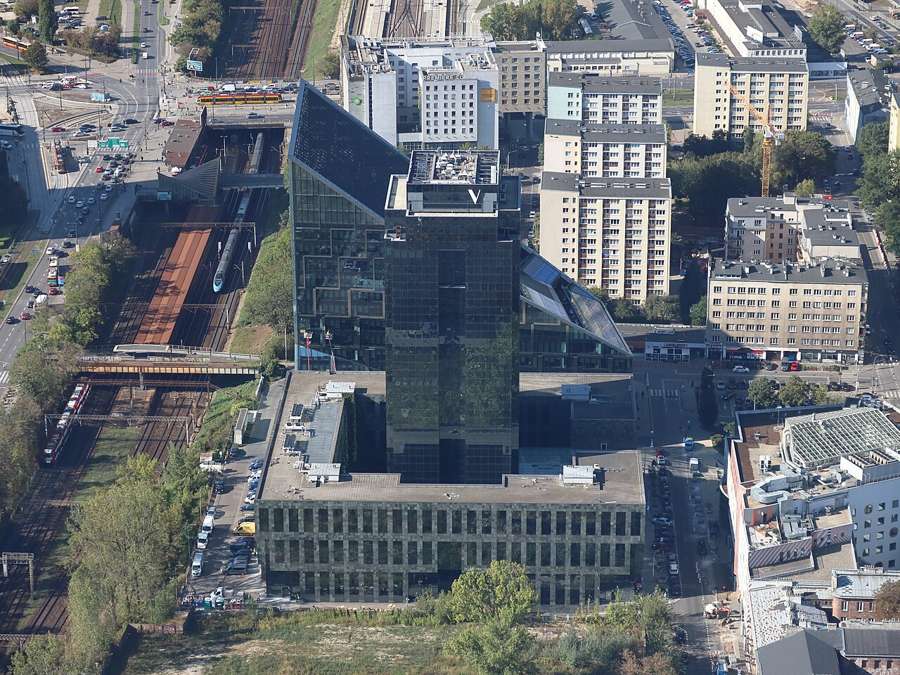
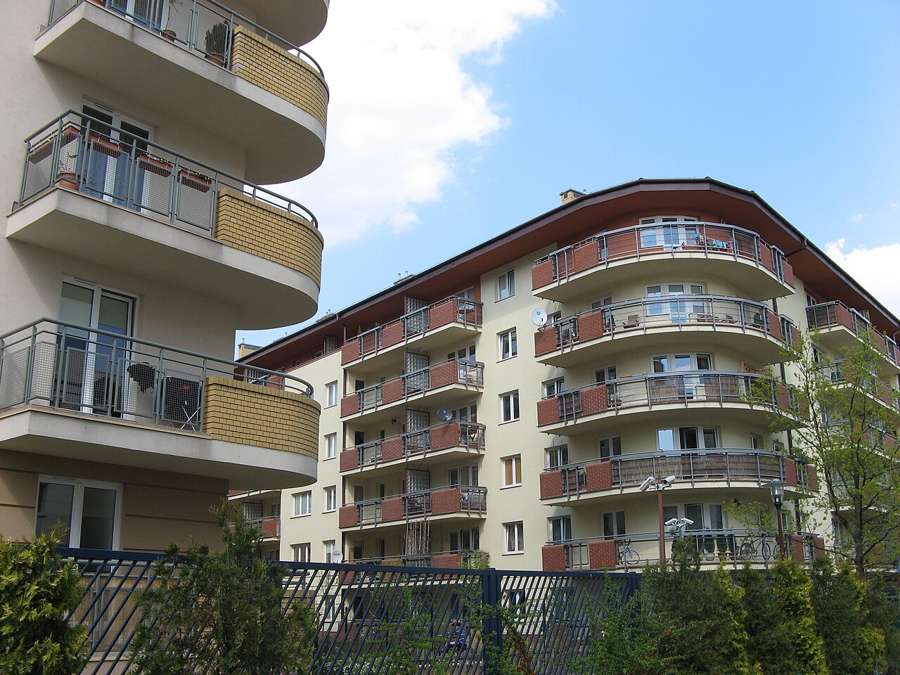
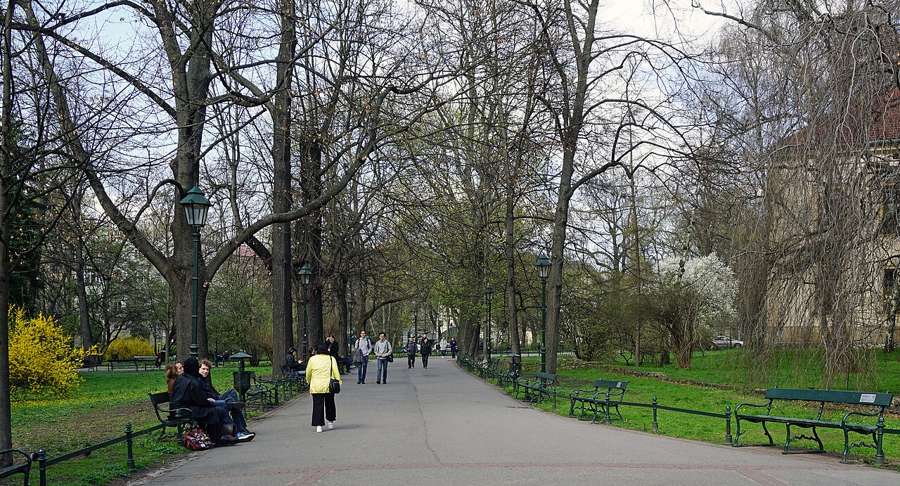
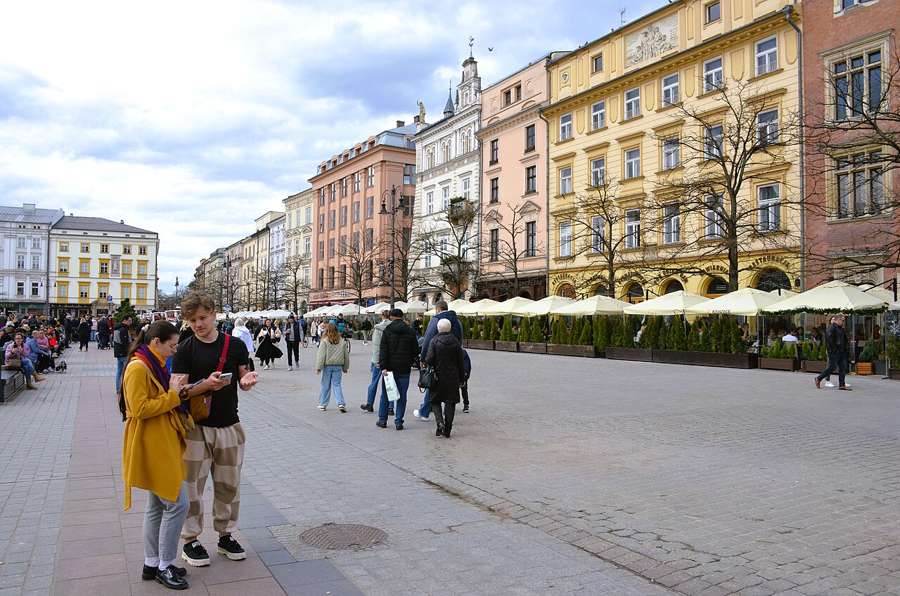
* Photos: Śródmieście street (public domain), Praga Północ by Kgbo (CC BY-SA 4.0) and Mokotów park by Wistula (CC BY-SA 4.0), Wikimedia Commons.