Raising Kids in Poland vs. Canada: 15 Differences That Surprised Me
A personal essay by a Canadian living in Poland. The views and experiences are the author's own.
What to know: A Canadian parent lists 15 differences in raising kids in Poland versus Canada, from car-free daily life to schools, healthcare and parenting culture.
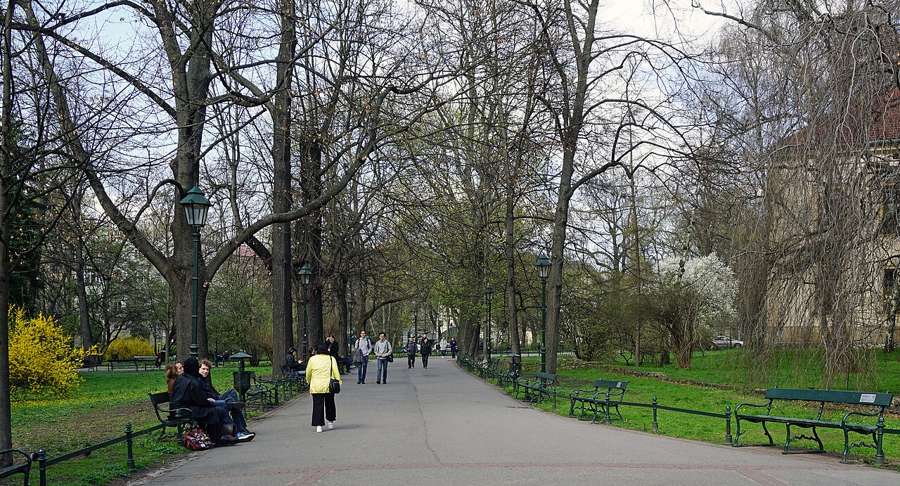
Is Poland or Canada a better place to raise children? From playgrounds and schools to parenting culture, healthcare, safety, and family life, moving from Canada to Poland made me question some of the things I'd always taken for granted about raising kids.
When I moved from Canada to Poland, I expected plenty of cultural differences.
Different food.
Different language.
Different weather.
Different ways of doing everyday things.
What I didn't expect was how much living in Poland would make me rethink family life.
Because when you move to another country with children, you don't just experience a new culture.
You begin comparing two completely different versions of childhood.
You notice how families spend their weekends.
How children get to school.
How parents interact at playgrounds.
How grandparents fit into everyday life.
And how much freedom children have to explore the world around them.
Coming from Canada, I was used to a particular idea of what a good childhood should look like.
A comfortable home.
Good schools.
Safe neighborhoods.
Plenty of activities.
Time outdoors.
And opportunities for the future.
I still believe in all of those things.
But Poland introduced me to another way of thinking about family life.
One where ordinary routines can look surprisingly different.
Some differences made me appreciate Poland more.
Others reminded me of what I loved about Canada.
And a few made me realize that neither country has everything figured out.
Here are the 15 biggest differences between raising kids in Poland and Canada that stood out to me.
1. In Poland, You Can Build a Family Life Without Driving Everywhere
This was one of the first differences that caught my attention.
In many Canadian communities, family life revolves around the car.
You drive to daycare.
Drive to the grocery store.
Drive to swimming lessons.
Drive to a friend's house.
Drive to the playground.
And then drive home.
Of course, this isn't true everywhere in Canada. Families in walkable neighborhoods of Vancouver, Toronto, Montreal, and other cities may have excellent access to public transportation.
But in many suburban areas, owning a car feels almost essential.
Poland can be very different.
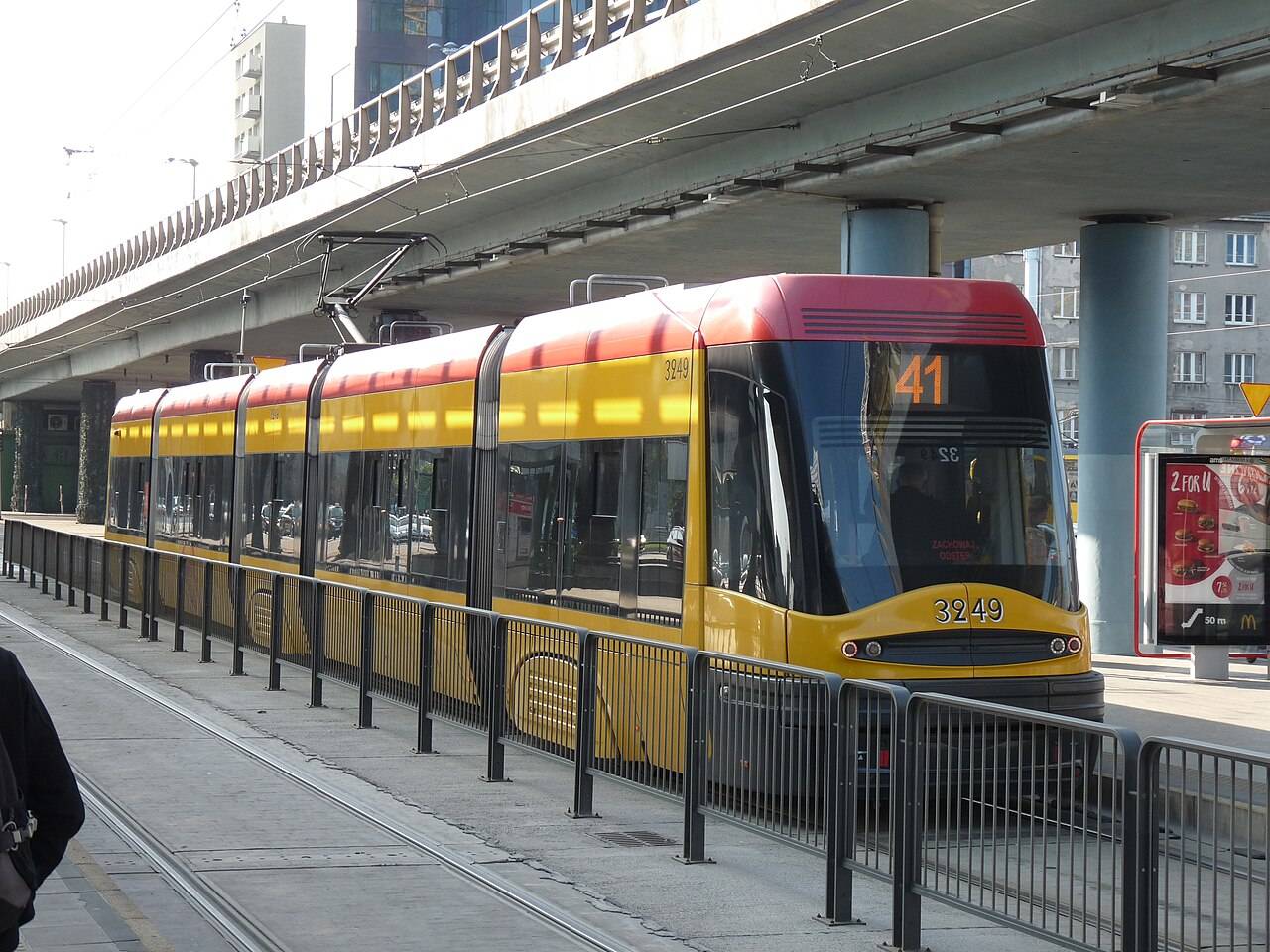
In Warsaw, Kraków, Wrocław, Gdańsk, and other major cities, it's possible to live in neighborhoods where much of daily life happens within walking distance.
You can walk to a bakery, pharmacy, grocery store, playground, and sometimes even your child's school.
And when you need to travel farther, public transportation can be a practical option.
I love the idea that a child can grow up seeing walking and public transportation as normal parts of everyday life.
Not every outing has to involve a car seat and a parking lot.
My winner: Poland, especially in well-connected urban neighborhoods.
2. Polish Playgrounds Seem to Be Everywhere
One of the things I appreciate about Polish residential neighborhoods is the number of playgrounds.
Walk through many apartment communities, and you'll find places for children to play.
Some are small.
Others are modern and beautifully designed.
There are swings, slides, climbing structures, sandboxes, and green spaces.
And because these playgrounds are often located near residential buildings, they can become part of everyday routines.
In Canada, we also have wonderful parks and playgrounds.
Some are genuinely impressive.
But depending on where you live, reaching them may require a car or a longer walk.
What I like about Poland is the convenience of having small neighborhood play areas nearby.
You don't always need to plan a major outing.
Sometimes you can simply go downstairs and let your child play for half an hour.
For parents with young children, that convenience is valuable.
My winner: Poland for everyday playground accessibility in many urban neighborhoods. Canada remains excellent for larger parks and recreational spaces.
3. Grandparents Can Play a Very Visible Role in Polish Family Life
One thing that stands out to me in Poland is how often you see grandparents spending time with children.
Grandparents walking with strollers.
Picking children up from preschool.
Sitting at playgrounds.
Taking grandchildren shopping.
And helping with ordinary family routines.
Of course, Canadian grandparents are also deeply involved in their grandchildren's lives.
And not every Polish family has relatives living nearby.
But extended family involvement feels particularly visible in many Polish communities.
Part of this may reflect cultural traditions.
Part of it may reflect practical childcare needs.
And part of it may simply be that multiple generations often remain connected through regular family gatherings and support.
As an expat, this can create mixed feelings.
On one hand, I appreciate the importance placed on extended family.
On the other hand, moving abroad may mean leaving your own parents and relatives thousands of kilometers away.
And that distance can be difficult.
It's one thing to admire the role of grandparents in Polish family life.
It's another to realize your own child's grandparents may only be able to visit occasionally.
My winner: A tie. Poland's visible extended-family culture is appealing, but proximity to your own family matters more than nationality.
4. Polish Preschools Can Feel More Structured
Early childhood education is another area where differences become noticeable.
In Poland, children commonly attend przedszkole from around age three until they begin primary school.
The final preschool preparation year is compulsory for six-year-olds.
Many Polish preschools follow organized daily schedules with set times for meals, play, educational activities, and rest.
In Canada, early childhood programs vary significantly by province.
Many emphasize play-based learning, exploration, and child-led activities.
Canadian kindergarten also begins earlier in many provinces than Polish primary school.
For example, children in British Columbia generally start kindergarten in the year they turn five.
In Poland, children usually begin primary school at seven.
That difference changes how the early years are organized.
Personally, I appreciate both approaches.
I like the predictability of a structured routine.
But I also believe young children need plenty of time to play, explore, and follow their curiosity.
My winner: A tie. The quality of the individual school matters more than which country it's in.
5. Polish Children May Develop Independence in Different Ways
One thing I find interesting about parenting cultures is how differently adults think about independence.
In some Polish families and educational settings, children may be encouraged to manage everyday tasks relatively early.
Putting on shoes.
Getting dressed.
Carrying their belongings.
Helping with simple chores.
And gradually becoming more responsible for themselves.
Canadian parents also value independence, of course.
But approaches vary depending on family culture, school expectations, and individual parenting styles.
What I find appealing is the idea that children become more confident when adults give them opportunities to try things themselves.
Sometimes, as parents, it's easier to do everything for our children.
We're in a hurry.
We want to avoid frustration.
We know we can finish the task faster.
But letting a child struggle a little with a zipper or put on their own shoes can be valuable.
As long as the expectations are appropriate for their age and abilities.
My winner: No universal winner. I appreciate independence when it's encouraged with patience rather than pressure.
6. Canadian Outdoor Culture Is Hard to Beat
This is one category where Canada has a special place in my heart.
Canada offers extraordinary access to nature.
Forests.
Lakes.
Mountains.
Beaches.
National parks.
And enormous open spaces.
Depending on where you live, outdoor activities can become a central part of family life.
Camping.
Hiking.
Cycling.
Swimming.
Skiing.
And exploring nature.
Poland has beautiful natural environments too.
The Tatra Mountains are spectacular.
The Masurian Lakes are wonderful.
The Baltic coast offers beaches and seaside towns.
And there are forests, parks, and hiking areas throughout the country.
But Canada's scale and wilderness are difficult to match.
What Poland offers, however, is convenience.
Many natural destinations can be reached without traveling the enormous distances that are common in Canada.
So while Canada wins for the scale of its wilderness, Poland can be excellent for accessible weekend adventures.
My winner: Canada for wilderness and outdoor culture. Poland for compact travel distances.
7. Safety Feels Different When You're Raising Children
Safety becomes much more personal when you have children.
You start noticing things you might have ignored before.
Pedestrian crossings.
Traffic speed.
Playground visibility.
Street lighting.
The atmosphere around schools.
And whether you feel comfortable walking through your neighborhood in the evening.
In many Polish neighborhoods, I've been impressed by the sense of everyday security.
Families spend time outside.
Children play in residential areas.
People use public transportation in the evening.
And ordinary life often feels calm.
Canada also has many safe, family-friendly communities.
But safety varies significantly by city and neighborhood in both countries.
I wouldn't claim that every Polish neighborhood is safer than every Canadian one.
That simply isn't true.
What I would say is that Poland's everyday urban environment can feel reassuring, especially when combined with walkable neighborhoods and convenient public transportation.
However, road safety deserves attention in both countries.
My winner: Poland for my subjective sense of everyday urban security, but neighborhood-level conditions matter far more than national labels.
8. Raising a Bilingual Child Becomes a Natural Possibility
One of the most exciting advantages of raising children abroad is language exposure.
A child growing up in Poland while speaking English at home has an opportunity to develop skills in both languages.
They may hear Polish at preschool.
Speak English with their parents.
Learn Polish songs.
Watch cartoons in different languages.
And gradually become comfortable switching between linguistic environments.
Of course, bilingualism isn't automatic.
Children need meaningful exposure, opportunities to communicate, and support.
Some children learn quickly.
Others need more time.
And parents should be careful not to turn language learning into a source of pressure.
Still, I find the opportunity incredibly valuable.
Growing up with more than one language can help children communicate with a wider range of people and maintain connections to different cultures.
Canada also offers bilingual opportunities, particularly through English-French education and multilingual communities.
But for a Canadian family living in Poland, learning Polish becomes part of everyday life rather than just another school subject.
My winner: Poland for the natural opportunity to develop Polish alongside English in an English-speaking expat family.
9. Birthday Parties and Children's Activities Can Feel Different
Children's birthday parties are one of those things that reveal cultural differences in surprisingly entertaining ways.
In Canada, birthday celebrations might involve a home party, a community center, a playground, or a specialized entertainment venue.
Poland has similar options.
Indoor play centers, activity venues, bowling facilities, sports clubs, and family restaurants are common in larger cities.
But the expectations around parties, gifts, invitations, and parental involvement may differ between communities.
One thing I've learned is that parenting abroad involves discovering lots of unwritten social rules.
Do parents stay at the party?
Should you bring a gift?
How much should you spend?
Is food provided?
What time should you arrive?
And how do you explain all of this when the invitation is in Polish?
These might seem like small details.
But when you're trying to help your child fit in, they suddenly matter.
My winner: A tie. Children's parties are fun in both countries, and the biggest difference is often understanding local customs.
10. Healthcare for Kids: Two Systems With Different Strengths and Frustrations
Healthcare is one of the most important factors when choosing where to raise a family.
Canada has publicly funded healthcare systems administered by provinces and territories.
Coverage for medically necessary hospital and physician services is a major advantage for eligible residents.
But access to family doctors, specialists, and certain services can be challenging depending on location.
Poland has public healthcare through the NFZ for eligible people, along with a substantial private healthcare sector.
Some families use private pediatricians for routine appointments or faster access to certain specialists.
In major Polish cities, private appointments can sometimes be relatively affordable compared with the full cost of private care in North America.
But public waiting times can be long for some services, and private subscriptions don't necessarily cover everything.
For foreign families, healthcare eligibility and insurance arrangements require particular attention.
Neither system is perfect.
Canada offers valuable public coverage.
Poland offers a combination of public and private options that some families may find convenient.
My winner: A tie. Coverage, access, cost, and the child's medical needs determine which system works better.
11. Polish Family Life Can Feel More Connected to Local Traditions
One thing I appreciate about Poland is the visibility of traditions.
Christmas.
Easter.
Grandparents' Day.
Children's Day.
Name days.
Seasonal celebrations.
And family gatherings built around food and shared customs.
For children, these traditions can create a strong sense of belonging.
Preschools may organize performances, crafts, and celebrations connected to Polish culture.
Families may gather for traditional meals.
And children grow up surrounded by customs that have been passed down through generations.
Canada also has wonderful traditions, of course.
And its multicultural character allows families to celebrate customs from many different backgrounds.
What I find appealing about Poland is how visible certain national and family traditions can be in everyday life.
At the same time, foreign families should feel comfortable maintaining their own cultural identities.
I wouldn't want my child to grow up feeling that they had to choose between being connected to Canada and feeling at home in Poland.
Ideally, they can have both.
My winner: A tie. Poland offers a strong sense of local tradition, while Canada's multicultural environment is a major strength.
12. Raising Kids in Poland Can Cost Less, But There's a Catch
Let's talk about money.
One reason families consider moving from Canada to Poland is the possibility of a lower cost of living.
And there can be real savings.
Public transportation.
Some childcare arrangements.
Restaurants.
Personal services.
And certain housing options may cost less than their equivalents in expensive Canadian cities.
But there's an important catch.
Polish salaries are generally lower.
So if you're earning a local salary, the financial advantage may be smaller than expected.
Housing in Warsaw and Kraków can also be expensive relative to local wages.
And private international schools can add substantial costs.
For a family earning a strong international income, Poland may offer excellent purchasing power.
For a family relying on an average local salary, budgeting may be much tighter.
Canada also has financial advantages depending on location, income, childcare subsidies, and employment opportunities.
My winner: Poland for some families with strong incomes relative to local costs. No universal winner for families earning local salaries.
13. The Language Barrier Can Make Parenting Much Harder
This is one disadvantage of raising children in Poland that I wouldn't underestimate.
When you're single, a language barrier can be inconvenient.
When you're a parent, it can become stressful.
Imagine receiving an important message from your child's preschool.
Or needing to explain a medical concern.
Or discussing your child's development with a teacher.
Or trying to understand what happened during a disagreement between children.
These are situations where communication matters.
And while English is widely spoken in many international environments, not every teacher, doctor, administrator, or parent will be comfortable using it.
Learning Polish can make a huge difference.
But it takes time.
In Canada, being able to communicate effortlessly in English was something I rarely had to think about.
In Poland, it's something I appreciate much more.
For families with children who have additional learning or medical needs, language access can be especially important.
My winner: Canada for an English-speaking family that doesn't yet speak Polish.
14. Family Support Can Be Harder When You're Thousands of Kilometers Away
This is one of the most emotional differences.
Moving abroad can give your children amazing experiences.
But it can also create distance from the people who love them.
Grandparents.
Aunts.
Uncles.
Cousins.
Old friends.
And the familiar people who would normally be part of everyday family life.
In Canada, depending on where your relatives live, you may have family nearby.
Someone who can help when your child is sick.
Pick them up from school.
Visit on a Sunday afternoon.
Or simply spend time together.
In Poland, if your extended family remains in Canada, that support may be missing.
Video calls help.
Visits help.
But they don't completely replace ordinary time together.
I think this is something parents should discuss seriously before moving.
Because while a country can offer excellent schools, safe neighborhoods, and beautiful parks, it can't automatically replace your personal support network.
My winner: Whichever country puts your family closer to the people who matter most.
15. Growing Up Between Two Cultures Might Be the Biggest Gift
This is the difference I find most meaningful.
A child growing up between Canada and Poland has the opportunity to understand that there isn't only one way to live.
They can learn that people celebrate different holidays.
Speak different languages.
Eat different foods.
Approach education differently.
And have different ideas about what makes a good life.
They may develop friendships in both countries.
They may feel connected to more than one place.
And they may grow up with a broader understanding of the world.
Of course, growing up between cultures can also be complicated.
Children may sometimes feel different from their classmates.
They may wonder where they belong.
They may miss relatives abroad.
Or feel frustrated when they can't communicate perfectly in one of their languages.
But with supportive parents, those experiences can become part of a rich and meaningful identity.
I don't think the goal should be to raise a child who is completely Canadian or completely Polish.
The goal should be to raise a child who feels comfortable with every part of who they are.
My winner: The opportunity to grow up connected to both countries.
Poland vs. Canada: My Family Life Scorecard
| Category | My preference |
|---|---|
| Walkable daily family life | Poland |
| Neighborhood playground accessibility | Poland |
| Extended family involvement | Depends on where relatives live |
| Preschool and early education | Tie |
| Encouraging independence | Depends on parenting and school |
| Wilderness and outdoor adventures | Canada |
| Everyday urban sense of safety | Poland, subjectively |
| Natural Polish-English bilingual exposure | Poland |
| Children's parties and activities | Tie |
| Healthcare | Tie |
| Family traditions and cultural experiences | Tie |
| Cost of living with strong international income | Poland |
| Ease of communication for English speakers | Canada |
| Proximity to family support | Depends on family location |
| Growing up between two cultures | Both |
This scorecard reflects personal preferences and broad observations, not a scientific comparison of national parenting outcomes.
So, Is Poland or Canada Better for Raising Kids?
If someone asked me this question before I moved, I might have assumed Canada was the obvious answer.
Canada has a strong international reputation for quality of life.
Beautiful nature.
Multicultural communities.
Public healthcare.
Educational opportunities.
And plenty of family-friendly neighborhoods.
Those are real advantages.
But living in Poland has made me appreciate things that don't always appear in international rankings.
The convenience of walking to everyday services.
The possibility of living without a car.
Neighborhood playgrounds.
The opportunity for children to learn another language naturally.
The proximity of European destinations.
And the experience of growing up surrounded by a different culture.
None of those things automatically makes Poland better.
But they make it worth considering.
For a family with a stable income, good housing, suitable schools, and a willingness to adapt, Poland can offer a wonderful childhood.
For a family that values proximity to relatives, easy English-language communication, and Canada's natural environment, staying in Canada may be the better choice.
The answer depends on what your family needs.
Would I Raise My Children in Poland or Canada?
This is the question I keep coming back to.
And the more I think about it, the less I believe there is one perfect country for raising children.
Canada offers things I deeply appreciate.
The landscapes.
The familiar culture.
The language.
The opportunities.
And the feeling of knowing how everything works.
Poland offers something different.
A more compact European lifestyle.
Walkable neighborhoods.
A strong connection to local traditions.
Different educational experiences.
And the possibility of raising children who feel at home in more than one culture.
If I were choosing purely based on convenience, I might prefer certain aspects of Poland.
If I were choosing based on proximity to extended family, Canada might have the advantage.
If I were choosing based on international experiences, Poland would be extremely appealing.
And if I were choosing based on access to wilderness, Canada would be difficult to beat.
But parenting isn't a spreadsheet.
You can't simply award points to each country and declare a winner.
Because the most important things aren't always measurable.
How happy is your child?
Do they have friends?
Do they feel safe?
Are they learning?
Are they confident?
Do they have people who love and support them?
And are you, as a parent, happy enough to create a healthy family environment?
Those questions matter far more than whether groceries are cheaper or the playground is closer.
Final Thoughts: The Best Country for Kids Might Be the One Where Your Family Thrives
Moving from Canada to Poland changed the way I think about raising children.
I used to assume that the familiar way of doing things was probably the best way.
But living abroad challenges that assumption.
You discover that another country may approach family life differently.
And sometimes, those differences make you reconsider your own priorities.
I've come to appreciate Poland's walkable neighborhoods, public transportation, family traditions, and opportunities for children to experience another language and culture.
At the same time, I haven't forgotten what makes Canada special.
Its extraordinary natural environment.
Its multicultural communities.
Its educational opportunities.
And the comfort of living in a country where the language and systems are familiar.
So which country would I choose?
For a family with a stable income, the right neighborhood, and a strong support system, I think Poland can offer an exceptional childhood.
But I wouldn't claim that it's automatically better than Canada.
Because the best country for raising children isn't necessarily the richest, the safest, or the most beautiful.
It's the place where your family can build a happy, secure, and meaningful life.
And sometimes, the greatest advantage of moving abroad isn't discovering that your new country is better.
It's discovering that there are many different ways to create a wonderful childhood.
Canada gave me one perspective on family life. Poland has given me another.
And I think understanding both is something worth appreciating.
---
Frequently Asked Questions About Raising Kids in Poland vs. Canada
Is Poland a good country to raise children?
Yes, Poland can be an excellent place to raise children, particularly in family-friendly neighborhoods with access to schools, playgrounds, healthcare, and public transportation. The experience depends on income, location, language ability, and family circumstances.
Is raising children cheaper in Poland than in Canada?
Some everyday expenses may be lower in Poland, including public transportation and certain services. However, local salaries are generally lower, and housing or private schooling can be expensive. The financial advantage depends on household income and lifestyle.
Are Polish schools better than Canadian schools?
Neither country's schools are universally better. Poland and Canada have different education systems, and Canadian policies vary by province. School quality, teaching methods, language support, and individual needs are more useful factors when choosing.
Can Canadian children attend public schools in Poland?
Yes, foreign children can access Polish public education under applicable rules. Parents should confirm admission requirements and language support with the relevant school or local education authority.
Is Poland safer than Canada for families?
Both countries have many safe, family-friendly communities. Safety varies by neighborhood, and comparisons should consider crime, traffic, pedestrian infrastructure, and individual family circumstances.
Is healthcare better for children in Poland or Canada?
Both countries provide publicly funded healthcare under eligibility rules, but access and waiting times vary. Poland also has a substantial private healthcare sector. The better option depends on coverage, location, and the child's medical needs.
Will children learn Polish if they move to Poland?
Many children develop Polish language skills through school, friendships, and everyday interaction. The pace varies, and maintaining the family's home language can also be valuable.
Is it difficult to move from Canada to Poland with children?
An international family move requires planning around immigration, housing, education, healthcare, finances, and emotional adjustment. It can be challenging, but preparation and a supportive environment can make the transition easier.
* Photos: Planty Park, Kraków by Igor123121 and a tram in Warsaw by Smiley.toerist (both CC BY-SA 4.0, Wikimedia Commons).