Silesian Museum in Katowice: Tickets and a First-Visit Plan
The essentials: The Silesian Museum's main exhibitions cost 29 zł ordinary, 19 zł concession or 69 zł family, with Tuesday free entry. Industrial spaces and Na tropie Tomka have separate ticket products; allow 2.5-3.5 hours for the main exhibitions.
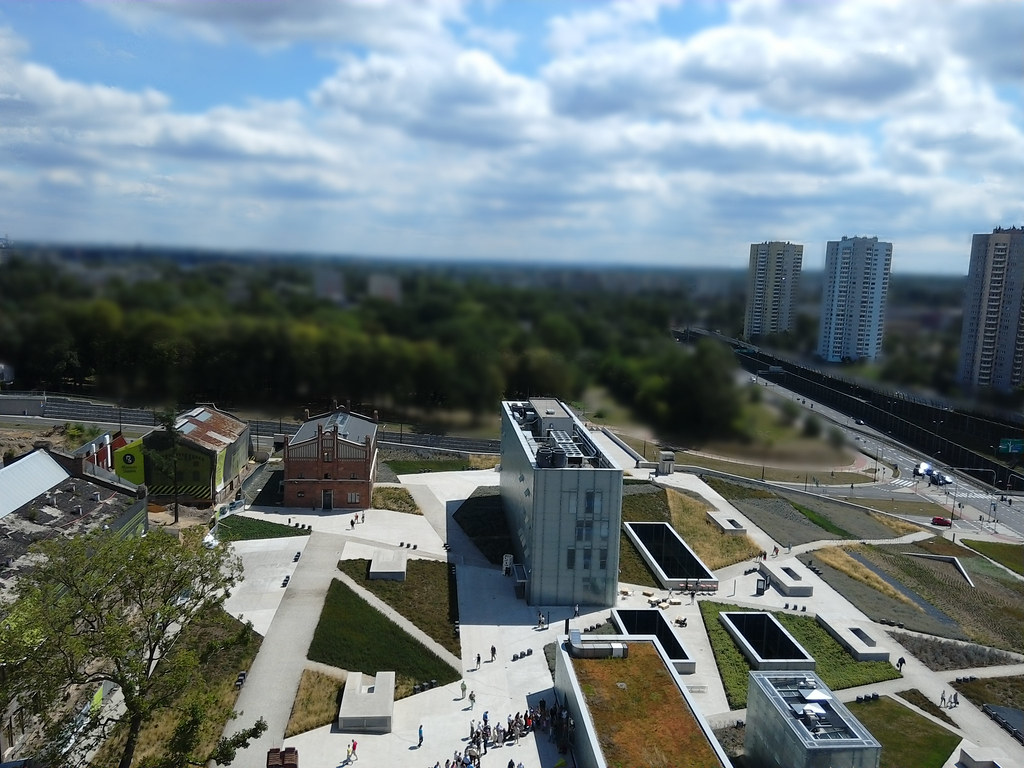
Cover: Szymon Sieciński, source photograph, CC BY 2.0. Image unchanged. Muzeum Śląskie site in a historical 2015 photograph by Szymon Sieciński; not evidence of current attraction availability.
Muzeum Śląskie in Katowice rewards a different plan from a quick look at a city art gallery. Its main site occupies the former Katowice coal mine in the Culture Zone, and much of the exhibition space is underground. Above ground, glass structures sit among surviving industrial buildings and a former winding tower. The setting is part of the visit, but the ticket choices are more complicated than "museum entry includes everything."
For a first visit, decide whether your main interest is regional history, art or the industrial site. Then choose the ticket and time budget that fit. The operator estimates 2.5-3.5 hours for the museum's exhibitions. Adding a tower, specialist display or family activity can require another arrangement. This guide uses the museum's current visitor pages and September 2026 tariff image; it does not claim a personal visit or guarantee that every separate space will be available on your day.
Start at the main Culture Zone site
The main address is ul. T. Dobrowolskiego 1. The museum describes collections presented 14 metres below ground, with glass structures bringing daylight into the underground spaces. This is a former mining site adapted for cultural use, not an operating mine tour. If your interest is industrial history, the architecture and remaining structures provide a useful starting point, but check the actual industrial ticket before assuming you will enter machinery buildings or the tower.
The main visiting pattern is Tuesday-Sunday, 10:00-20:00, with Monday closed. A long opening day can make the museum useful for an afternoon that runs into the evening. It does not mean arriving shortly before 20:00 gives enough time to see a normal selection of exhibitions. Work backwards from the operator's 2.5-3.5-hour estimate and leave time for the ticket desk and finding your route.
Temporary changes, public holidays and individual attractions may differ from the general pattern. Check the operator's notices if one specific room, exhibition or viewpoint is essential. In particular, do not treat a photograph of the winding tower as evidence that it is open in every season or weather condition. It is possible to enjoy the main exhibitions without building the whole day around an uncertain extra.
Choose a thread through the collections
The current permanent-exhibition listing includes Polish art from 1800-1945, Silesian sacred art, non-professional art and the regional-history exhibition Światło historii. Górny Śląsk na przestrzeni dziejów. These are distinct ways into the region, not interchangeable rooms on a checklist. A visitor new to Upper Silesia might begin with history and then choose an art gallery; an art-focused visitor may prefer the reverse.
The regional-history display is listed at level -4, while the Polish art and non-professional art galleries are listed at level -2. Use the current floor plan rather than assuming all displays sit on one continuous loop. Choosing two interests before descending makes the visit easier to pace. You can add another gallery if you have energy left, instead of reaching the final hour with every section only half explored.
The museum's industrial setting should not flatten the story into coal alone. Art, religious objects and the work of artists outside formal academic traditions offer other perspectives. A useful question is how people represented the region as well as how they worked in it. That is an editorial suggestion for looking, not a description of an included guided tour. For a structured interpretation, inspect the museum's current guiding offer separately.
Read the September 2026 ticket categories
The main ticket for all permanent and temporary exhibitions is currently 29 zł ordinary, 19 zł concession and 69 zł family. The published family definition covers a party with at least two adults and one child, up to ten people. The family and group tickets are sold at the ticket desks. Compare the current conditions with your actual party instead of assuming that a family ticket always covers every possible household arrangement.
Concessions and exemptions require the relevant documents. Children under seven are included among the free-admission categories, as are assistants of visitors with disabilities. The concession list includes, among others, students and qualifying older visitors. Bring the evidence for the category you intend to use. A visitor's nationality should not be used as a shortcut for determining eligibility; read the museum's current list and ask the desk about your document if it is unclear.
Tuesday is the published free-entry day. Do not turn that into a blanket claim that every separately ticketed tower, educational space or special event is automatically free. Identify the thing you want to enter and check its current terms. Free admission to the main exhibitions may make Tuesday attractive, but it does not provide a reservation or tell you how busy the building will be.
Industrial spaces and Tomka are separate decisions
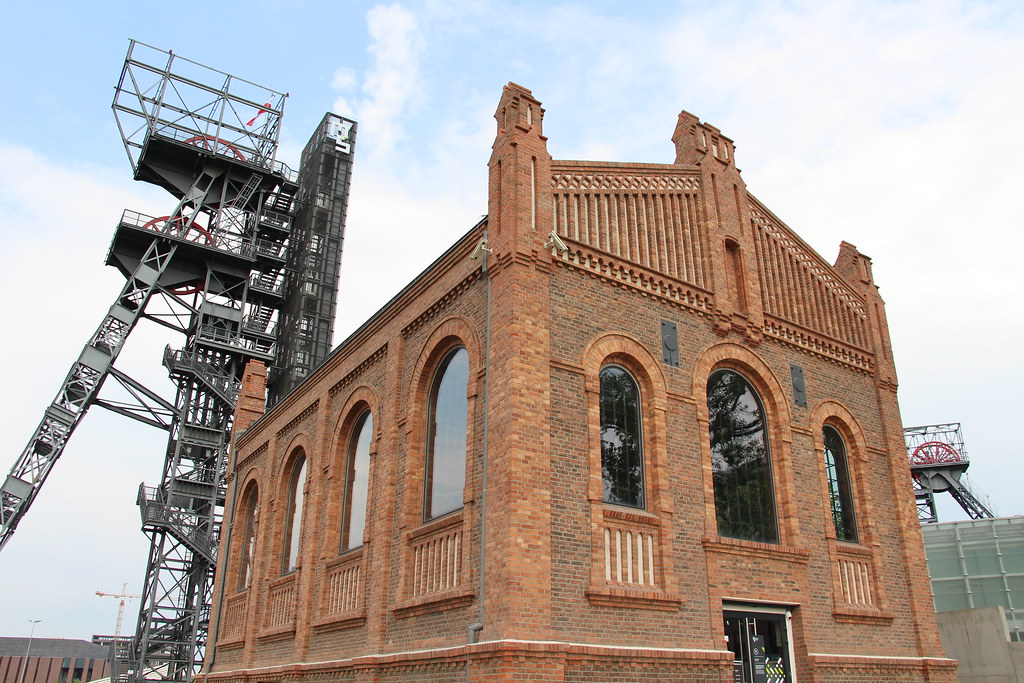
The current tariff distinguishes an industrial ticket from ordinary exhibition admission. It lists 18 zł ordinary, 14 zł concession and 39 zł family for the industrial product covering the tower, Gwarek bathhouse and Bartosz shaft machinery building. A tower-only entry is separately listed at 15 zł, 10 zł and 29 zł. Availability still matters: a tariff describes a product, not a promise that a weather-sensitive viewpoint or every associated building will open whenever the main galleries do.
The educational space Na tropie Tomka also has its own tariff: 14 zł ordinary, 9 zł concession and 35 zł family. The main exhibition ticket should therefore not be presented as an all-purpose family pass to every named attraction on the website. Check the session, availability and intended audience before building a child's day around it. A separately bookable activity can fill up or use a different arrival time.
The museum also advertises annual and combined products. These are worth comparing for repeat visits or a wider regional plan, but a first visit does not require buying the broadest bundle. Start with the galleries you actually want and add a specialist product only after checking its scope. Paying for access you will not have time to use is not an improvement on a simpler visit.
A manageable first-visit plan
For a general introduction, reserve roughly the operator's normal visiting window and identify one main subject plus one secondary subject. Begin with the floor map and check whether anything on your shortlist is unavailable. Use the first part of the visit for the subject requiring most concentration, then reassess before entering another gallery. There is no need to complete the museum in the order implied by a search result or photograph.
If your priority is industrial architecture, separate outdoor looking from admission to industrial interiors. A walk through the surrounding site and a gallery visit are different activities with different practical needs. Likewise, if a tower visit matters more than paintings, confirm that first rather than discovering after three hours underground that your intended extra is unavailable. This keeps the plan centred on your reason for coming.
For a late-afternoon visit, choose a smaller selection and do not describe it to your party as "the whole museum." A focused visit can still be worthwhile. The useful distinction is between knowingly selecting part of a large collection and accidentally arriving too late for the thing everyone expected to see. Check any last-entry or session instructions associated with your chosen product before travelling.
Access, quieter spaces and assistance
The museum's access information lists tactile graphics in the art galleries and regional-history exhibition, a tactile model of the Warszawa II winding tower on request, and Braille information with raised plans available at the desks and quiet zone. These are specific supports, not a claim that every visitor will use every display in the same way. Contact the museum's accessibility team if a particular format or assisted route is important.
The underground car-park levels connect with museum spaces by lift. Still, a lift connection from parking is only one part of a visit: the route through galleries, any separate historic building and a tower product may have different conditions. Ask about your whole intended route rather than simply whether the main building has a lift. For sensory needs, use the published quiet-zone information and current programme rather than assuming that a large underground space is always quiet.
Families should make the same distinction between general exhibition access and a child-focused activity. A parent may enjoy a long art-and-history visit while a young child needs a shorter selection and breaks. That is a pacing issue, not a reason to promise entertainment at every display. Choose an appropriate activity deliberately and leave room to stop without feeling the ticket has been wasted.
Parking and the final part of the plan
The operator lists both surface and underground parking entered from Dobrowolskiego. Vehicles with LPG installations and vehicles higher than two metres are directed to the surface car park. This matters before following a navigation app into a garage. The underground facility has several levels, so remember where you parked and check the return route before the end of a tiring visit.
The published parking terms give the first three hours free, followed by 5 zł for each further hour, payable at machines by cash or card. Since the museum's own average exhibition visit can exceed three hours, parking may become chargeable even without adding a meal or tower visit. Treat it as a separate cost, not something automatically covered by admission. Recheck posted terms on arrival if the charge affects your choice.
The museum lists a bistro/cafe and a shop, but neither should be allowed to consume the time reserved for your priority gallery. Before leaving home, check the opening day, ticket product, specific attraction availability and any access arrangements. The most useful first visit is a chosen route through a large institution, with the industrial setting adding context rather than creating a false promise that one ticket opens every door.
Frequently asked questions
Is the tower included in ordinary exhibition admission?
Do not assume so. The September 2026 tariff separately lists an industrial ticket and tower-only entry; check current availability.
What is the free day?
The museum lists Tuesday as its free-entry day. Check separate products and events rather than assuming every extra is free.
How much is parking?
The operator lists the first three hours free, then 5 zł per further hour. Recheck posted terms on arrival.