Lost Dog or Cat in Poland: Reports, Shelters and Microchips
The essentials: Search locally while contacting the shelter serving the municipality, nearby vets and municipal services. Flag the pet with its microchip registry and check your contact number. A chip is not GPS; a social-media post is not the whole search.
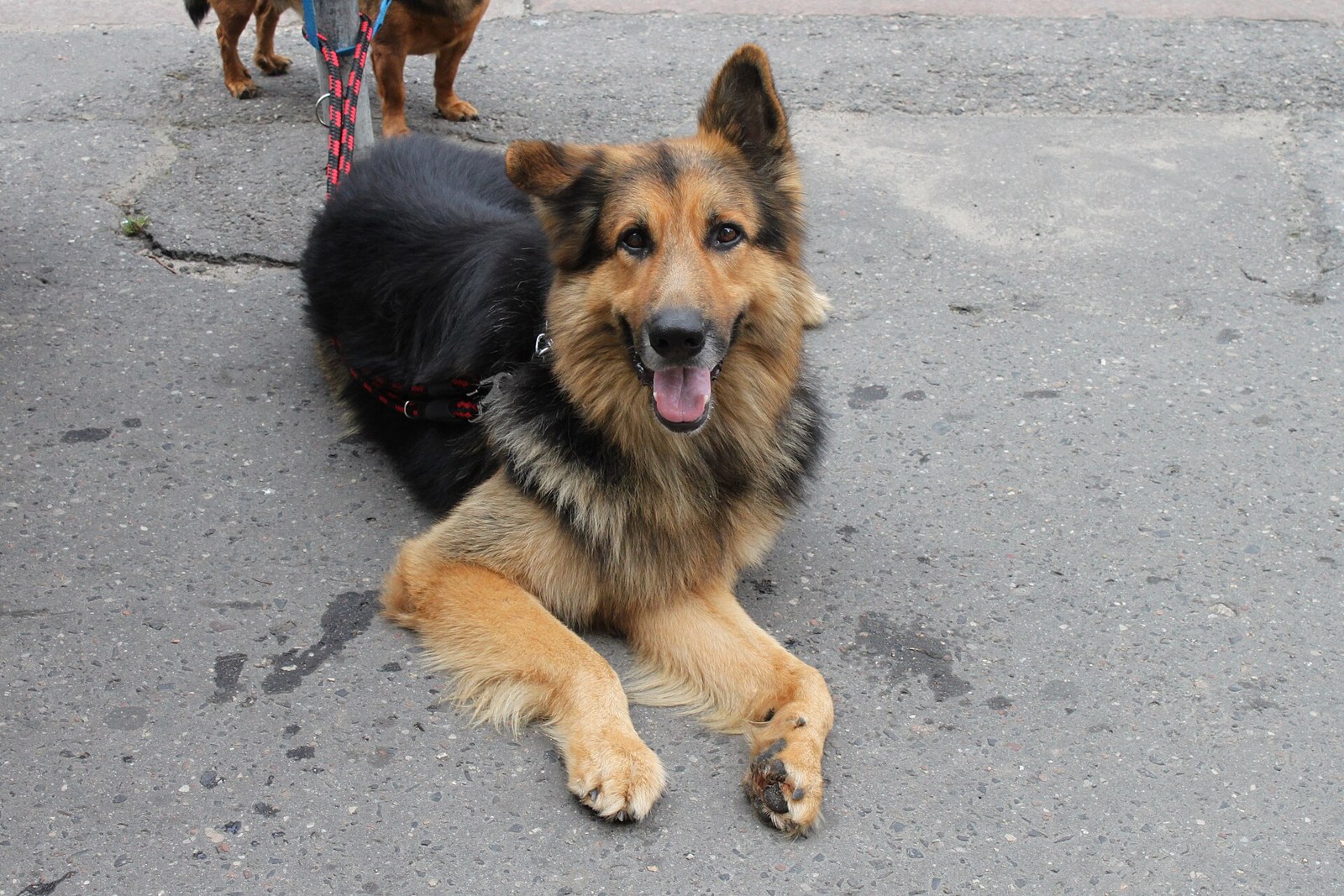
Illustrative dog photograph, Gdańsk, 23 August 2010; not a current missing-animal appeal. Photo: Crusier / Wikimedia Commons, CC BY-SA 3.0. Resized and re-encoded.
If your dog slips its lead or your cat disappears after a move, start with three parallel jobs: search the last-seen area, tell the services that may receive the animal, and check the contact details attached to its microchip. A post in an English-language expat group can help, but it should not be the only place where you report the disappearance.
This guide separates a missing pet from an animal you have found. It also explains why the municipality matters: the shelter serving one city is not automatically responsible for the next village. The practical routes below were checked on 30 October 2026. They are search and reporting guidance, not a promise of recovery or a substitute for veterinary advice.
Your first checklist
- Write down the last confirmed location, date and time. Save a map pin and a recent, clear photograph.
- Ask someone you trust to help with calls while you search. Give everyone the same description and one contact number.
- Contact the relevant local shelter, nearby veterinary practices and municipal services. Ask where animals found in that particular municipality are taken.
- Find the microchip number in the passport, health booklet or registration paperwork. Check the registered telephone number and ask the database to flag the pet as missing.
- Keep checking found-animal listings and follow up directly. An absent photograph online is not confirmation that an animal has not arrived.
Warsaw's Na Paluchu shelter explicitly advises owners not to wait: check nearby shelters, put up local posters, and notify the municipal guard and nearby veterinary practices. Its missing-animal guide also notes that a frightened animal may hide or travel farther than expected. Avoid treating the first unsuccessful search as proof that the animal has left the district.
Make a search record, not several conflicting stories
Prepare one short description before sharing widely: species, name, colour, size, sex, collar or harness, last-seen place and time, and your reachable number. Add any practical warning, such as being frightened of strangers. Use a recent photograph showing the whole animal, with a second close-up if a distinctive marking helps.
Keep sightings separate from confirmed locations. Ask callers when they saw the animal, which direction it went and whether they have a photograph. A message forwarded from yesterday can look like a new sighting when the date disappears. Record the original time instead of sending searchers towards every repost as though it were current.
For building searches, ask the caretaker or neighbours to check spaces they control, such as a garage, cellar or storage room. Do not enter private areas without permission or organise an unsafe chase near traffic. If handling the animal would put anyone at risk, give trained local services the location and description rather than trying to solve it by force.
Warsaw: check Na Paluchu and the municipal guard
Na Paluchu publishes an Ostatnio znalezione page for recently found animals. Its missing-pet guide says this listing is updated several times a day. Compare location and appearance, then contact the shelter if you recognise a possible match. Do not assume that an imperfect photograph or an approximate finding location rules your pet out.
The shelter's current homepage lists round-the-clock animal contact numbers 22 868 15 78 and 22 868 15 79. It also directs people finding an animal in Warsaw to the municipal guard on 986. When calling from abroad, use Poland's +48 country code for the ordinary nine-digit telephone numbers; do not assume that a short domestic service number works from a foreign location.
There is an important boundary rule. The shelter says private individuals can bring found animals from Warsaw between 08:00 and 20:00. For cooperating municipalities, animals are accepted through designated services, not through the same private drop-off route. Telephone first if the animal was found outside Warsaw. A Warsaw address on the shelter's website is not permission to transport every animal from the surrounding region there.
Kraków and places outside city boundaries
Krakowskie Towarzystwo Opieki nad Zwierzętami gives a specific route for a found domestic animal within Kraków: call the shelter's round-the-clock number, 12 429 92 41. The shelter's own found-animal page also publishes that number and a list of reports. It offers a reporting form, but an online form should not replace a call when an animal needs immediate assistance.
KTOZ distinguishes domestic animals from wildlife. Its guide directs wildlife cases in Kraków to the municipal guard on 986. A loose dog, an injured wild bird and a missing indoor cat are not interchangeable reports. Describe the species, condition and exact location so the service can decide who should attend.
Outside city boundaries, KTOZ advises contacting the relevant urząd gminy, the municipal office for the place where the animal was found. Its out-of-hours guidance mentions municipal or commune guards where available. Ask for the current local animal-response contractor and shelter. Do not use 112 as an ordinary lost-pet directory; an immediate threat to people or road safety is a different situation from a routine missing-animal enquiry.
A microchip is identification, not live tracking
A pet microchip does not show a moving dot on a map. SAFE-ANIMAL explains that the chip is an RFID identifier, not a GPS device. A reader obtains its number; a database record then helps connect that number with an owner. The physical chip and the contact record are separate parts of the recovery process.
For an expat, the weak link may be an old telephone number or a registration left in the previous country. Check which database holds the record rather than assuming that having a pet passport means every Polish shelter can immediately telephone you. Keep the existing registry's details current and ask it to mark the animal as missing.
Europetnet's microchip search can help identify a participating database where a number is registered. Europetnet says a search with no result can be followed up with its support team. A blank result should therefore not be presented as proof that a pet has no owner or that the chip has never been registered anywhere.
SAFE-ANIMAL is one registration and missing-animal reporting service used in Poland. Check its current terms before paying for account features: its FAQ distinguishes registration through participating vets or organisations from an owner's paid self-service access. You do not need to postpone calls to shelters while deciding about a commercial or donation-based account option. No database listing guarantees that an animal will be found.
If you found someone else's animal
Start with your own safety and the animal's immediate situation. If you can keep it secure without risking a bite, escape or traffic accident, contact the appropriate local service and explain where it was found. Do not take an unfamiliar animal straight into contact with your own pets. Ask for professional guidance if it appears injured, severely distressed or difficult to handle.
A veterinary practice or shelter can scan for a microchip; arrange this with the receiving place rather than assuming every practice has space for an unexpected animal. Record the original finding location even if you move to safety. That detail can connect your report with an owner's last-seen report in another neighbourhood.
Finding an animal does not settle ownership. If someone claims it, ask the shelter or other responsible service how to verify the match. Photographs, identifying details and chip records can help, but do not hand an animal over merely because a stranger supplies its colour after seeing your public post. Keep the recovery process calm and documented.
A short Polish message you can adapt
Missing: “Zaginął pies / Zaginął kot. Ostatnio widziany: [miejsce], [data i godzina]. Ma [kolor obroży / szelki]. Proszę o kontakt pod numerem [telefon].” This means: “A dog / cat is missing. Last seen at [place], [date and time]. Wearing [collar colour / harness]. Please contact [number].”
Found: “Znaleziono psa / kota w [miejsce], [data i godzina]. Proszę o kontakt i informacje pozwalające potwierdzić właściciela.” This means: “A dog / cat was found at [place], [date and time]. Please contact me with information that can confirm the owner.” These are editable examples, not an official reporting form.
Use a district and useful landmark in public posts rather than publishing your home address or identity documents. Keep chip paperwork and personal records for the vet, shelter or registry handling verification. A clear contact route is useful; posting every private detail is not necessary to ask neighbours to watch for an animal.
Follow up, then close the loop
Keep a simple list of shelters, practices and services contacted, with the time and any reference number. Ask which found-animal page to check and how to send an updated photograph. Continue checking surrounding municipalities if the search area crosses their boundaries. Social-media posts, registry alerts and official reports complement each other rather than cancelling each other out.
When the animal is home, update the original posts and notify the services and database that recorded it as missing. If it is injured or unwell, seek veterinary care. Once the immediate situation is over, review the escape point, identification tag and registered contact details. The most useful preparation is a current photograph, a readable chip number and a telephone number that still reaches you.
Frequently asked questions
Where should I report a missing pet in Poland?
Contact the shelter serving the last-seen municipality, nearby vets and local municipal services, and flag the pet as missing with its microchip registry. Use several routes rather than relying only on social media.
Does a microchip let me track my pet?
No. It is an identification number read by a scanner, not a GPS tracker. The linked database needs current contact details.
What if my pet was registered abroad?
Check the original registry and update your contact number. Europetnet can help identify participating databases linked to a chip number; a negative search is not proof of no owner.
Can I take any found animal to Na Paluchu?
No. Its private drop-off route covers animals found in Warsaw. Cooperating municipalities use designated services. Call before transporting an animal from outside Warsaw.
Who handles a found domestic animal in Kraków?
KTOZ directs finders within Kraków to the shelter on 12 429 92 41, available around the clock. Outside the city, ask the relevant municipality about its response route.
Sources
- Na Paluchu missing-pet guide,1 January 2024; checked 30 October 2026
- Na Paluchu current animal contacts and catchment, undated; checked 30 October 2026
- Na Paluchu recently found animals, current listing; checked 30 October 2026
- KTOZ found-animal guidance, undated; checked 30 October 2026
- Kraków shelter found-animal page, current listing; checked 30 October 2026
- SAFE-ANIMAL FAQ, registration and RFID, undated; checked 30 October 2026
- Europetnet microchipping guide,5 September 2025; checked 30 October 2026
- Europetnet microchip search, current service; checked 30 October 2026