Lost Your Polish Receipt? How to Prove a Purchase for a Complaint
The essentials: A fiscal receipt is one possible proof of purchase, not the only one. Gather evidence linking the item to the seller and transaction, then submit a clear complaint about the fault rather than treating it as a change-of-mind return.

The printer paper has faded, the receipt went through the washing machine, or the shop offered a tiny slip that disappeared during your move. Then the kettle stops working. For an expat, the prospect of explaining a fault in Polish can already feel difficult; being told that nothing can happen without a paragon makes it worse.
A missing fiscal receipt does not automatically remove your right to complain about faulty goods. UOKiK, Poland's consumer-protection authority, has explained that a receipt is one of several possible ways to establish a purchase. The practical task is to connect the product, seller and transaction clearly, while keeping proof of purchase separate from the question of what is wrong with the goods.
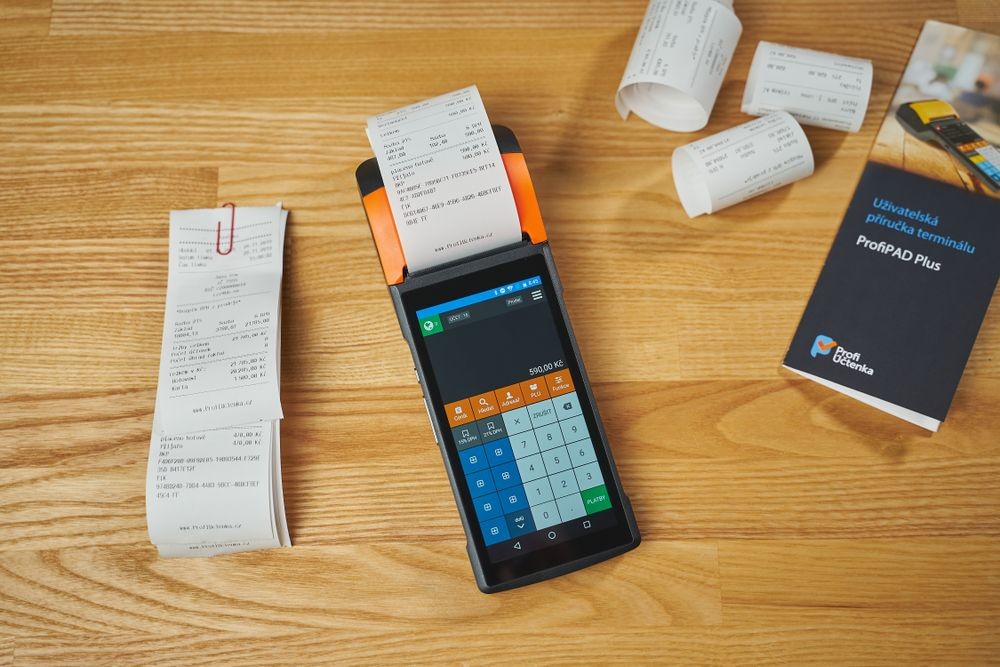
Illustrative receipt organisation, not a particular consumer or Polish dispute. Photo: Kaboompics / Pexels, Pexels licence. Resized.
Start by naming the right kind of problem
This guide concerns a consumer complaint to a business about goods that are not in conformity with the contract. It is not a promise that a shop must accept every unwanted item, or that any payment record guarantees a refund. Buying from a private individual, buying for a business and invoking a manufacturer's separate guarantee can raise different questions.
In Polish, a complaint is a reklamacja. A simple change-of-mind return is often called a zwrot. Staff may hear the second word and explain the shop's voluntary return policy, even when you meant that a product is defective. Say what failed and ask to submit a complaint, rather than beginning only with a request to return it.
Our online-purchase withdrawal guide covers a different route. A shop's conditions for an optional in-store return should not be confused with statutory complaint rights. Keep that distinction in your written account from the beginning.
What the receipt establishes, and what it does not
A fiscal receipt is convenient because it normally records the seller, date, goods and price together. Losing it can make a conversation slower, but it does not make the underlying transaction disappear. UOKiK's receipt-specific decision says a seller cannot make presenting the fiscal receipt the condition for accepting a complaint.
The authority lists alternatives such as payment confirmations, bank statements, emails and witness evidence. These are ways to establish the purchase, not a list of documents that every person must provide. Use what genuinely relates to your transaction. Do not manufacture an invoice, change a date or borrow another customer's receipt because it looks more complete.
Evidence of payment is also not evidence that the goods were faulty. A statement showing a transfer to an electronics retailer can help establish where money went. It does not, by itself, explain which appliance you bought or why it no longer works. Build those two parts of the complaint separately.
Reconstruct the transaction before contacting the shop
Begin with a short private timeline. Record the approximate purchase date, shop location or website, product name, model, price and payment method. Add the day you first noticed the problem. Mark uncertain details as approximate rather than turning your best guess into a precise claim.
Search your email for the retailer's name, order number and product model. Look at the customer account used for the purchase, if you have one. An order confirmation, invoice, dispatch email or purchase history may connect the product with the seller more clearly than a bank entry alone. Save the original records as well as readable copies.
If somebody else bought the item, establish that fact before submitting a complaint in your own name. A gift, a household purchase and an item paid for by an employer are not interchangeable situations. Do not invent yourself as the original buyer; explain the actual position and ask the seller or a consumer adviser which documents are relevant.
Use bank evidence carefully
For a card purchase, find the matching transaction in your banking history. Check whether the merchant name is the shop's legal business name or a payment processor. A familiar storefront name may not be the text printed on a statement, and a similar amount on the wrong day is not necessarily the right purchase.
When sending a copy, keep the information needed to identify the relevant payment while avoiding unrelated account activity. Do not send a screenshot of your entire month's spending just because one line is relevant. Never give a shop your banking password, card security code or one-time banking approval code to prove a purchase.
A receipt-free cash purchase can be harder to reconstruct because there is no matching card entry. That is a reason to gather other genuine evidence, not to assume there is no possible route. UOKiK expressly includes witness evidence among the alternatives. Describe who was present and what they can actually confirm; do not script a story for them.
Write a complaint that can be understood without the receipt
UOKiK's 2025 consumer guide recommends identifying the seller and buyer, purchase date and product, describing the non-conformity and when it appeared, and stating the requested remedy. That structure is useful even if your first contact is through a shop form rather than a letter. A clear account is more useful than attaching many files without explaining them.
For example, describe that the kettle purchased at a named branch stopped heating on a particular day, then list the evidence linking it to that purchase. Avoid diagnosing an electrical component unless you have a reliable basis. Photographs of the model label and visible issue may help explain what you mean, but do not dismantle an item merely to produce a more dramatic photograph.
Keep a copy of the complaint, attachments and submission confirmation. If you hand over the goods, ask for a record identifying the item and what you left with it. List accessories if they are included. Do not surrender your only copy of useful evidence without retaining your own record.
A short Polish explanation
You can write: Chcę złożyć reklamację z powodu niezgodności towaru z umową. Nie mam paragonu, ale przedstawiam inne dowody zakupu. This means: "I want to submit a complaint because the goods are not in conformity with the contract. I do not have the receipt, but I am providing other evidence of purchase."
Follow that with the facts, not a threat. State which document shows the payment and which identifies the product. If the seller says a connection is missing, ask what aspect of the transaction it disputes. A request to clarify evidence is different from a blanket statement that complaints are impossible without paper receipts.
Do not promise yourself an automatic refund
The current UOKiK guide explains repair and replacement as remedies, and describes situations in which a price reduction or withdrawal can be available. A significant non-conformity can allow a direct request for those latter remedies; other cases depend on the circumstances and the seller's response. The appropriate remedy is not decided solely by whether you have a receipt.
UOKiK also states that the seller has 14 days to respond to the complaint, with no response in that period treated as acceptance of the request. Keep evidence of when the complaint reached the seller. Do not confuse the response period with a promise that every repair must be completed within 14 days: the guide separately refers to a reasonable repair or replacement time without excessive inconvenience.
Our broader complaint and warranty guide explains the surrounding choices. This is general consumer information, not a verdict on your particular purchase. Older articles may use different legal terminology. For current goods complaints, consult the current UOKiK material rather than copying remedy wording from an old enforcement story about receipts.
Prepare a small evidence bundle, not a data dump
Put the complaint first, followed by a short list of supporting records. Give each file a clear name and explain the point it supports: the order email identifies the model, the bank entry supports the payment, and a photograph shows the label. This is a suggested organisational method, not a legally required format. It makes gaps easier to spot before the seller has to ask you to send everything again.
If the shop still refuses to take it
Ask for the refusal and its reason in writing. Preserve your original evidence and the complaint you attempted to submit. A calm written exchange makes it easier for an adviser to distinguish a disputed purchase, a disputed fault and an incorrect receipt-only policy. Avoid posting your account records publicly to win an argument.
UOKiK's current help page directs consumers to advice services, city or district consumer ombudsmen and the Trade Inspection. It also distinguishes specialist bodies and cross-border assistance. Follow the current page for the route matching your case, rather than relying on a phone number copied from a decade-old news report.
For the next purchase, photograph a readable receipt and store it with the order details while the transaction is easy to identify. That habit saves work, but it does not change the central point: a paper slip is useful evidence, not the only possible proof that you bought goods from a particular seller.
Frequently asked questions
Does losing the receipt remove my complaint rights?
No. A fiscal receipt is not the only possible evidence of buying from that seller. You still need to establish the transaction and explain the product problem.
Does a bank statement guarantee my complaint will succeed?
No. It can help prove payment to a seller but may not identify the individual product or establish the fault. Combine it with other relevant records.
Is a faulty-goods complaint the same as returning something I no longer want?
No. A statutory complaint about non-conformity is different from a voluntary in-store return or an online withdrawal. Their conditions should not be mixed.