Gdynia Emigration Museum: Tickets, Audio and a First Visit
The essentials: The Emigration Museum permanent exhibition costs 28 zł ordinary or 20 zł concession; Wednesday entry is free with a ticket collected at the desk. Allow the operator's suggested 1.5-2 hours and budget separately for the 18 zł audio app.
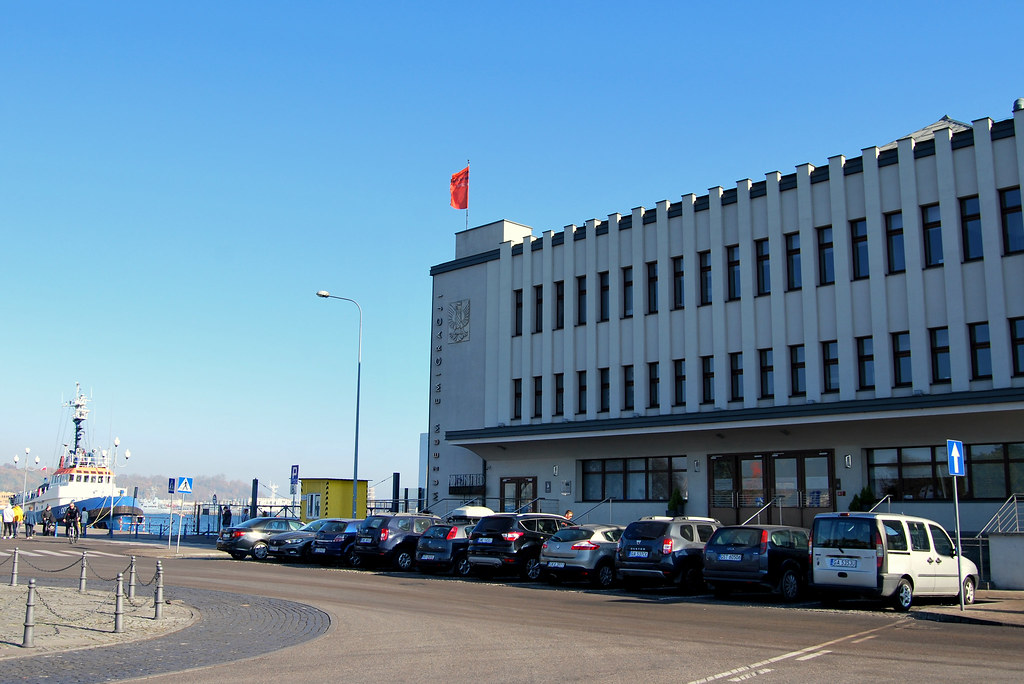
Cover: Muzeologi BMVB, source photograph, CC BY 2.0. Image unchanged. The maritime-terminal building housing the Emigration Museum, photographed in 2018; historical venue photograph.
The Emigration Museum in Gdynia is a useful place to reconsider the word "expat" rather than simply find another indoor attraction. Its permanent exhibition follows two centuries of departures from Polish lands: work, hope, necessity, changing borders, long journeys and returns. For a foreign resident learning about Poland, the subject offers context for family stories and communities abroad without pretending that every migration experience is interchangeable.
The setting matters. The museum occupies Dworzec Morski, the former maritime terminal at ul. Polska 1, from which many passengers left across the ocean. This is not the Aquarium at the end of Gdynia's central waterfront. Put the actual address into your journey planner. The practical decisions are also distinctive: Tuesday has a late opening, Wednesday admission to the permanent exhibition is free, and the optional audio app is a separate purchase.
What the permanent exhibition covers
The operator describes an exhibition stretching across the last 200 years, from the reasons people left to the lives they built elsewhere and the question of returning. Its story includes Gdynia's growth, transatlantic travel, Polish communities abroad and migrants whose achievements are better known outside Poland. That is broader than a collection devoted only to ships. If you arrive expecting naval engineering throughout, adjust the expectation before buying a ticket.
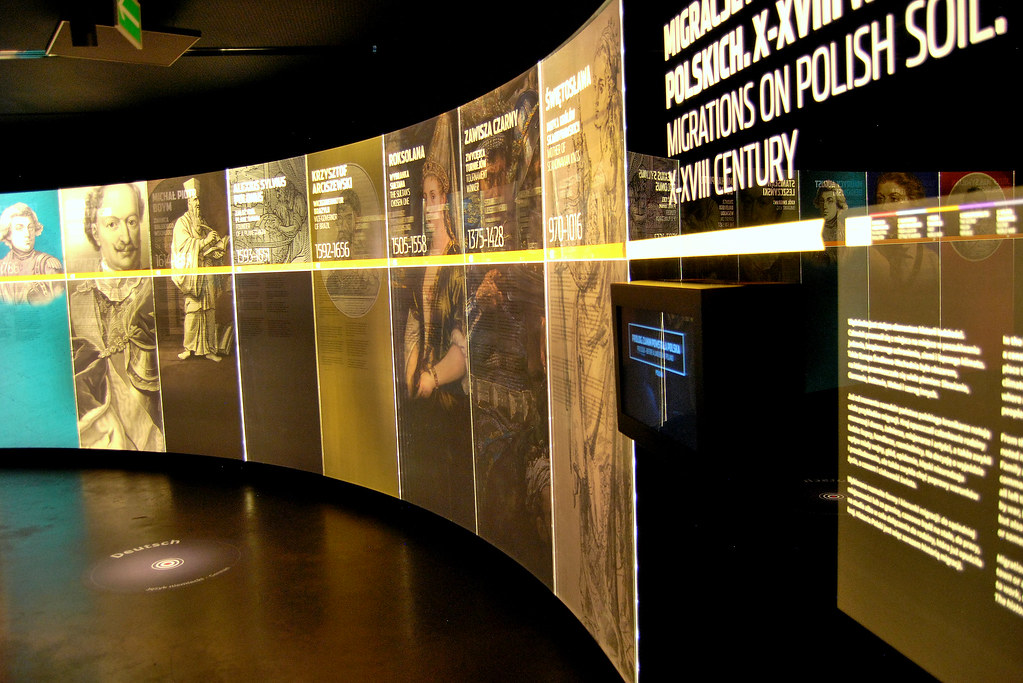
One strand recreates the journey taken by emigrants heading to the United States around the beginning of the twentieth century: rail travel, the Atlantic crossing, checks at Ellis Island and the start of life abroad. Another concerns the passenger liner Batory. The museum describes its Batory construction project as an important feature of the display. The route begins and ends with a silver globe-shaped installation carrying emigrants' recorded memories.
Those personal accounts are a reason to leave room for listening, not just photographs. A useful way to approach the exhibition is to choose a question: what made departure possible, what did a family have to leave behind, or what changed between one generation and the next? These are suggested ways of reading the displays, not a claim about a guided tour or an eyewitness review. The museum's own estimated duration is 1.5-2 hours for the permanent exhibition.
Tuesday is different from the rest of the week
The permanent exhibition is closed on Mondays. Tuesday hours are 12:00-20:00; Wednesday-Sunday hours are 10:00-18:00. The ticket office closes an hour before the exhibition, at 19:00 on Tuesday and 17:00 on the other opening days. Last admission is also one hour before closing. Arriving at that cutoff leaves less time than the museum's normal suggested visit, so an earlier arrival is the more sensible plan for an unhurried first look.
Use the exhibition hours, not the administrative office hours. The offices operate on a different weekday schedule and do not establish access to the galleries. Holiday arrangements also need a separate check. The current hours page explicitly lists 11 November as open, while several other public holidays and the Christmas period are closed. Do not extend that statement into a general rule that all national holidays are museum days.
If you have only a short gap between other plans, decide whether the permanent exhibition will receive enough attention. It may be better to return on Tuesday's longer evening than compress a substantial migration narrative into the final hour. That is a planning suggestion, not a promise of lower visitor numbers on Tuesdays. Temporary exhibitions and events can have their own schedules, which should be checked separately.
Admission, family tickets and free Wednesday
The dedicated ticket page currently lists 28 zł for ordinary admission to the permanent exhibition and 20 zł for concession admission. The family ticket is 74 zł for two adults and up to four children aged 7-18. Children under seven are listed among free-entry categories. Bring evidence of any concession or free-entry entitlement and ask for the correct ticket rather than assuming that an accompanying adult shares a child's exemption.
Wednesday entry to the permanent exhibition is free, but the museum asks visitors to collect a free ticket at the ticket office. This is not a promise that every workshop, temporary event or optional guide is included. If the price is the reason for choosing Wednesday, keep the plan centred on the permanent exhibition and check extras separately. A free day also does not move the final entry time later.
The published list includes free admission for Gdynia resident-card holders and several other documented categories. A person living in Gdynia should check the exact accepted card and current conditions rather than assuming a home address alone proves entitlement. For large families, the ticket page also gives specific Karta Dużej Rodziny arrangements for 2026-2027. Compare the party's actual eligibility before choosing a family bundle; the cheapest category depends on who is coming and what documents they hold.
Budget for the audio guide separately
The permanent-exhibition audio guide is offered in Polish, English, German, French, Spanish and Swedish, with a Polish Sign Language video guide also listed. Access through the mobile application currently costs 18 zł. The ticket-office code gives access until midnight on the same day. The museum describes entry through a QR code or its guide website, followed by the code supplied at the desk.
Bring your own headphones. Confirm the available language and current purchase process at the ticket office before paying, particularly if the audio guide is essential to your understanding. The ticket page also contains an older portable-device rental price alongside a pandemic-era suspension note. That conflict is a reason not to promise a loan device as a fallback. The clearly described current mobile-app route is the safer basis for planning.
There is a different, free audio and sign-language walk about the maritime terminal itself. It covers the building's architecture, uses, technology and history, and is intended for playback in the museum. It requires an internet connection; the operator says free Wi-Fi is available in the terminal. Do not confuse this building walk with paid audio access to the permanent migration exhibition. They answer different questions and have different charging arrangements.
The building's access route needs some attention
The museum's general accessibility information describes stone paving around the building, which can be awkward for wheelchairs, walking aids and buggies. The main entrance has seven steps. A side entrance on the left of the building has a ramp and a bell for assistance opening the door. Knowing that before arrival is more useful than a broad label saying the whole museum is "accessible."
Two lifts serve different parts of the building. The lift at the side entrance connects the cloakroom and public ground-floor services with other levels, but the museum specifically directs visitors to a second lift for the permanent and temporary exhibitions. The second lift is in the main hall, opposite the main entrance and to the right of the stairs. Ask staff to explain the connection if you need a continuous step-free route.
The general access page includes measurements and photographs, induction-loop information and adapted toilets. Some prices embedded in that page are older than the dedicated ticket page and disagree with it. Use the access page for the described physical route, but use the current ticket page for admission prices. If the dimensions of a lift or turning space determine whether your visit will work, check those details directly with the museum rather than relying on a generic suitability statement.
Families should choose the pace, not only the ticket
A family ticket does not make the exhibition a playground. The subject includes separation and difficult decisions, even when the displays are visually engaging. Before visiting with children, decide how you will respond if one child wants to move quickly while another wants to listen. The operator has a dedicated interactive route for children and families; inspect that current offer rather than assuming every adult narrative is designed for every age.
A useful family approach is to follow one person's journey through several stages and then pause. Ask what they packed, how they travelled and whom they expected to meet. There is no need to turn each room into a quiz. Equally, adults visiting without children can allow themselves to spend longer with one theme instead of hurrying to complete every audio segment. The museum's suggested 1.5-2 hours is an estimate, not a required pace.
Getting there and combining the day
Use the stop named Dworzec Morski - Muzeum Emigracji when checking public transport. The museum's access information places it about 70 metres from the entrance and describes a reserved accessible parking space near the ramp. Services and routes should be checked in a current city journey planner, especially around public holidays. The historical port setting is part of the reason to come, but it also means you should plan the connection rather than assume the museum is beside your previous waterfront stop.
If combining the museum with the Aquarium, treat them as two separate visits with travel and meal time between. The subjects complement one another, but neither operator's suggested visit duration includes the transfer. A shorter day with time to absorb the migration stories can be more useful than rushing through both attractions to satisfy an itinerary. Decide which place is the main purpose and build around it.
Before you leave home
Check the permanent exhibition's current opening day, the last-admission time, your ticket entitlement and whether you want the paid English audio app. Charge the phone and pack headphones if you do. For an access-sensitive visit, review the side entrance and the two-lift arrangement with the museum. Check event listings separately if a particular talk or temporary exhibition is your reason for travelling.
The museum can help you understand migration history, but it is not an immigration-advice office and a gallery visit cannot settle residence paperwork or family-history questions on its own. Its value lies in giving those subjects human and historical context. Arriving with enough time, the right expectations and a working route through the building makes that context much easier to take in.
Related: Gdynia weekend guide.
Frequently asked questions
Is Wednesday admission free?
Yes, for the permanent exhibition. Collect a free ticket at the ticket office; optional services and events have separate terms.
Is the English audio guide included?
The permanent-exhibition mobile audio app costs 18 zł. A separate audio walk about the maritime terminal is free.
How long should I allow?
The museum suggests 1.5-2 hours for the permanent exhibition. Last admission is one hour before closing, so arrive earlier for a full visit.