How Much Money Do You Need to Live Comfortably in Poland in 2027?
A personal essay by a Canadian living in Poland. The views and experiences are the author's own.
What to know: A Canadian expat's planning targets: about 7,500–10,000 PLN net a month for a single person in Warsaw and 15,000–22,000 PLN for a family of four.
Is Poland still affordable in 2027? How much salary do you actually need to live comfortably in Warsaw, Kraków, Wrocław, or Gdańsk? As a Canadian expat in Poland, I've learned that the answer depends on much more than cheap groceries and restaurant prices.
When I first considered moving from Canada to Poland, one of the biggest attractions was the cost of living.
I kept hearing the same things.
"Poland is so cheap!"
"You can live like a king there!"
"Everything costs half what it does in Canada!"
It sounded wonderful.
Who wouldn't want a beautiful European lifestyle at a fraction of the price?
But after experiencing everyday life in Poland, I discovered something important.
Poland can be affordable, but living comfortably in Poland and simply surviving in Poland are two completely different things.
There's a big difference between being able to pay your bills and having enough money to enjoy your life.
For me, living comfortably means having a nice apartment, buying groceries without constantly checking prices, going out for dinner, taking occasional trips, and saving money at the end of the month.
It doesn't mean driving a luxury car or living in a penthouse.
It means being able to enjoy ordinary life without worrying about every expense.
So how much money do you actually need to earn to live comfortably in Poland in 2027?
Let's break it down.
The Short Answer: How Much Salary Do You Need in Poland?
If you're moving to Poland in 2027, these are the approximate monthly net income targets I would use for planning.
Net income means money you actually receive after applicable taxes and mandatory payroll deductions.
| Household | Monthly net income for comfortable living |
|---|---|
| Single person in a smaller city | 5,500–7,000 PLN |
| Single person in Warsaw | 7,500–10,000 PLN |
| Single person in Kraków or Wrocław | 6,500–9,000 PLN |
| Couple without children | 10,000–14,000 PLN |
| Family of three | 13,000–18,000 PLN |
| Family of four | 15,000–22,000 PLN |
| Single person wanting a premium lifestyle | 12,000–16,000+ PLN |
These are illustrative 2027 planning estimates, not verified 2027 prices or official salary requirements. They assume market-rate rental housing, ordinary public services, and a reasonably comfortable lifestyle rather than luxury spending. The family estimates assume public schooling or affordable childcare, not expensive international schools.
The exact amount depends heavily on where you live, whether you rent or own, how many children you have, and what kind of lifestyle you expect.
But if someone asked me for one number, I'd say this:
For a single person renting their own apartment in Warsaw, I'd aim for around 9,000 PLN net per month to live comfortably and still have room to save.
Could you live on less?
Absolutely.
Many people do.
But there's a difference between making ends meet and feeling financially comfortable.
And that's the difference I want to explore.
1. Rent: The Biggest Expense You'll Probably Have
Let's start with housing, because this is where your budget can change dramatically.
When people talk about Poland being cheap, they're often remembering prices from years ago.
But housing in major Polish cities has become considerably more expensive.
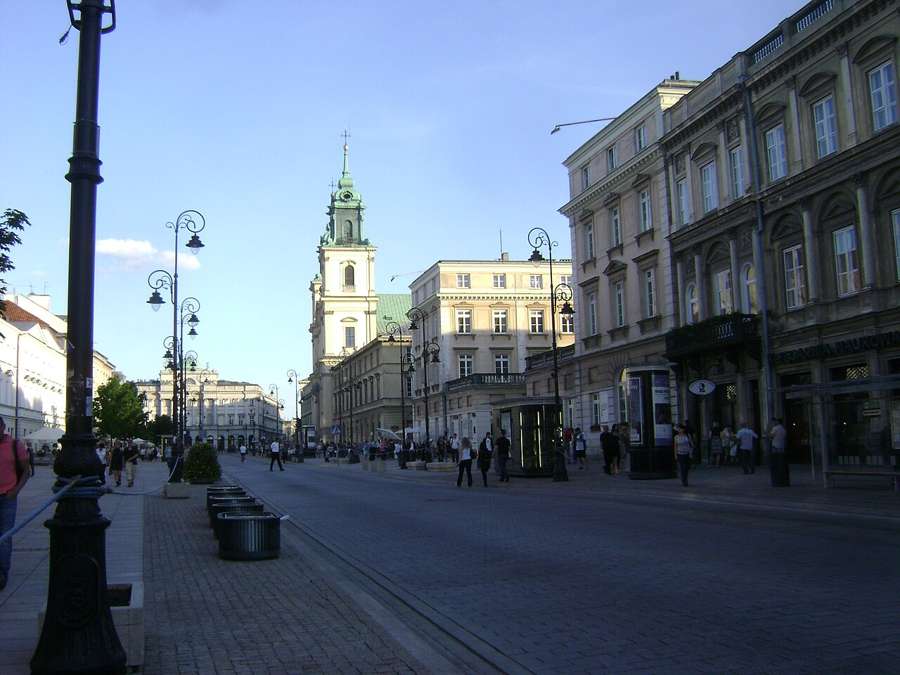
Warsaw, Kraków, Gdańsk, and Wrocław are popular with students, professionals, international companies, and foreigners moving to Poland.
That creates demand.
And demand affects rent.
For 2027 budgeting, these are reasonable ranges to investigate for a one-bedroom apartment.
| City | Estimated monthly rent |
|---|---|
| Warsaw | 3,000–4,500 PLN |
| Kraków | 2,700–4,000 PLN |
| Wrocław | 2,500–3,700 PLN |
| Gdańsk | 2,700–4,200 PLN |
| Poznań | 2,300–3,400 PLN |
| Łódź | 1,900–3,000 PLN |
| Lublin | 1,900–2,900 PLN |
These are illustrative asking-rent planning ranges, not measured market averages. They exclude some or all utilities and administrative charges, depending on the listing.
One thing foreigners need to understand is that Polish rental advertisements can be confusing.
You might see an apartment advertised for 3,000 PLN per month.
Sounds reasonable.
Then you discover there's an additional administrative fee, electricity, internet, and possibly heating or water adjustments.
Suddenly, that 3,000 PLN apartment might cost considerably more.
This is something I would pay particular attention to when searching for housing.
Always ask for the total monthly cost.
Not just the advertised rent.
Also, location matters enormously.
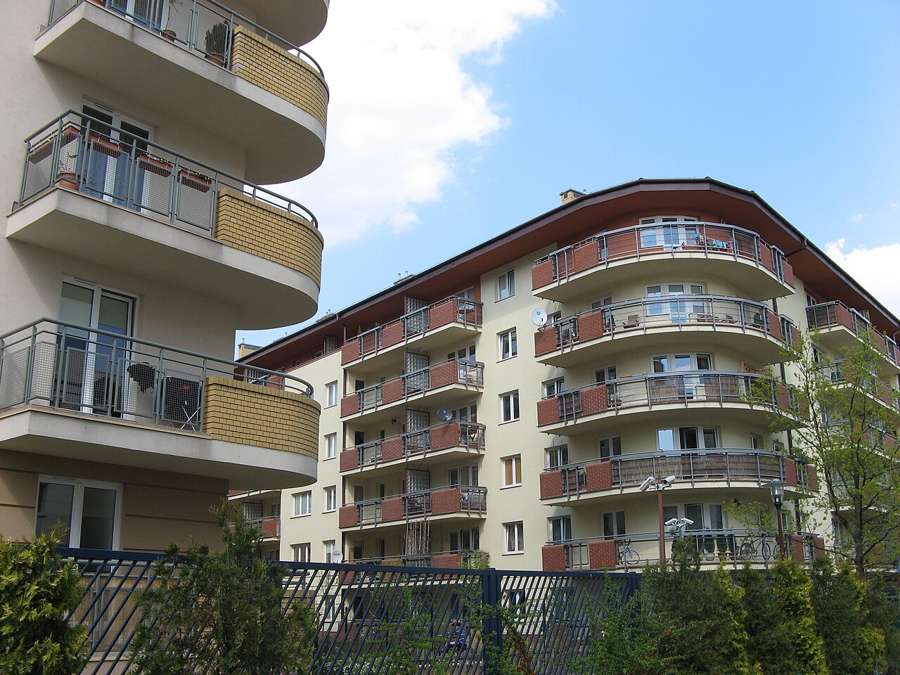
A modern apartment near a Warsaw metro station can cost significantly more than a similar apartment farther from the center.
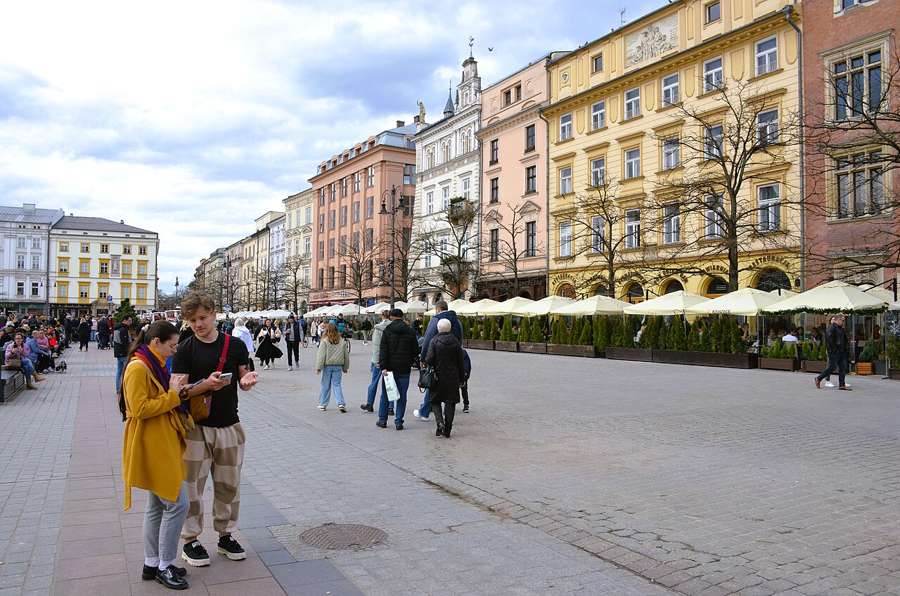
And in Kraków, living close to the Old Town or Kazimierz can come with a premium.
My advice?
Don't choose your apartment based only on how beautiful it looks.
Consider transportation, grocery stores, noise, heating costs, and how much time you'll spend commuting.
A slightly more expensive apartment in the right neighborhood can sometimes improve your quality of life more than a larger apartment in an inconvenient location.

2. Groceries: Is Food Still Cheap in Poland?
One of the things I appreciate about Poland is the availability of supermarkets and neighborhood grocery stores.
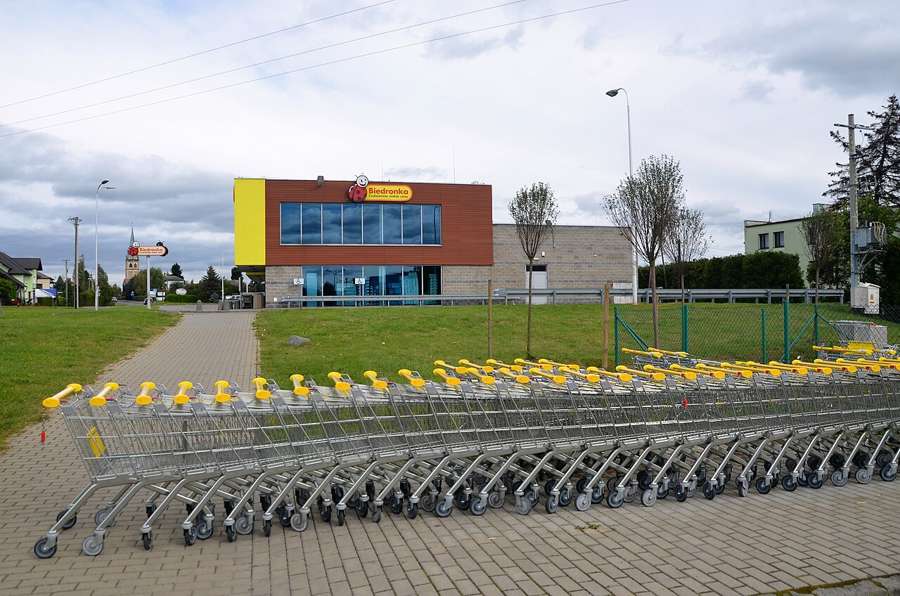
Biedronka.
Lidl.
Auchan.
Carrefour.
Żabka.
Once you start living here, these names become part of your everyday vocabulary.
For a single person who cooks regularly, I would plan approximately 900–1,400 PLN per month for groceries.
For a couple, perhaps 1,500–2,300 PLN.
For a family of four, around 2,500–3,800 PLN, depending on eating habits and children's ages.
These are budgeting assumptions rather than a published standard grocery basket.
You can certainly spend less by shopping carefully, buying store brands, and preparing most meals at home.
You can also spend much more.
Imported products, specialty foods, premium supermarkets, and frequent convenience-store purchases can increase your grocery bill quickly.
One thing I've learned is that Poland's affordability becomes more noticeable when you adapt to local shopping habits.
Buying seasonal produce, shopping at discount supermarkets, and cooking with locally available ingredients can make a meaningful difference.
But if you expect to buy the exact same imported products you purchased in Canada, you might be surprised by the prices.
My estimated grocery budget for a comfortable single-person lifestyle: 1,200 PLN per month.
3. Restaurants and Coffee: One of My Favorite Parts of Living in Poland
Coming from Canada, eating out in Poland can feel refreshingly accessible.
I enjoy being able to meet someone for coffee, have lunch at a restaurant, or go out for dinner without feeling that every outing needs to be a special occasion.
But restaurants in Warsaw and Kraków aren't universally cheap.
Trendy cafés, international restaurants, and popular city-center locations can be expensive relative to Polish wages.
For planning purposes, I would allow approximately:
- Coffee at a café: 14–22 PLN.
- Casual lunch: 30–50 PLN.
- Dinner at a mid-range restaurant: 50–90 PLN per person before extras.
- Pizza or burger meal: 35–60 PLN.
- Dinner for two at a nicer restaurant: 160–280 PLN or more.
These are illustrative price ranges that should be checked against actual menus when planning a 2027 budget.
If you go out once or twice a week, a monthly restaurant and café budget of 500–900 PLN might work.
If you enjoy eating out frequently, you could easily spend 1,200–2,000 PLN or more.
Personally, I think this is one of the categories worth budgeting for.
Because part of the reason I enjoy living in Poland is the ability to actually experience the city.
There's not much point in moving to a beautiful European country if you're constantly worried about whether you can afford a coffee outside.
4. Transportation: One of Poland's Biggest Financial Advantages
This is where Poland can really shine.
In many Canadian cities, owning a car feels almost unavoidable.
And owning a car is expensive.
Insurance.
Fuel.
Maintenance.
Parking.
Depreciation.
Unexpected repairs.
In Polish cities, you may not need a car at all.
Warsaw has a metro, trams, buses, and suburban rail.
Kraków, Wrocław, Poznań, and Gdańsk have extensive public transportation networks.
For a single person living in a well-connected neighborhood, I would budget approximately 120–250 PLN per month for public transportation and occasional additional trips.
The actual cost depends on the city, ticket type, eligibility for discounts, and how frequently you travel.
If you regularly use taxis or ride-hailing services, your transportation expenses will be higher.
Owning a car changes the calculation considerably.
Fuel, insurance, parking, maintenance, and vehicle depreciation can add hundreds or thousands of złoty to your monthly budget.
My preference?
If possible, choose an apartment with excellent public transportation and avoid needing a car.
That decision alone can make a substantial difference to your finances.
5. Healthcare: Public Coverage vs. Private Convenience
Healthcare is one area where foreigners need to understand the system before moving.
Poland has public healthcare through the NFZ for eligible people.
But eligibility depends on factors such as employment, insurance status, and residence circumstances.
You shouldn't assume that simply living in Poland automatically gives you full public healthcare coverage.
Private healthcare is also widely available.
Some employers offer private medical packages, and individuals can purchase private plans or pay directly for appointments.
For budgeting, I would allow roughly 150–400 PLN per month for a basic-to-moderate private healthcare package, depending on age, provider, coverage, and included services.
A private specialist appointment may cost several hundred złoty.
Dental treatment and more complex medical care can cost considerably more.
And private medical subscriptions are not necessarily comprehensive insurance for hospitalization or major treatment.
For me, having predictable access to healthcare is part of living comfortably.
I'd rather include medical costs in my budget than assume I'll never need a doctor.
6. Utilities, Internet, and Mobile Phone
Utilities are another category where the advertised cost of an apartment can be misleading.
Depending on your rental arrangement, you may pay separately for electricity, heating, water, waste collection, internet, and administrative building charges.
For a one-bedroom apartment, I would use approximately 500–900 PLN per month as a planning allowance for utilities and building charges not already included in the quoted rent.
Actual costs can be lower or higher depending on apartment size, heating arrangements, building efficiency, and season.
Internet and mobile phone service can be relatively affordable.
For planning, I would allow approximately 80–160 PLN monthly for home internet and a mobile plan combined.
Before signing a lease, ask the landlord which expenses are included and which are additional.
This is especially important during winter.
7. How Much Does a Single Person Need to Live Comfortably in Warsaw?
Let's build a realistic example.
Imagine you're single, living in Warsaw, renting a modern one-bedroom apartment, and enjoying a comfortable but not extravagant lifestyle.
You cook at home regularly, go out occasionally, use public transportation, and want to save money.
Here's the monthly budget I would use.
| Expense | Monthly budget |
|---|---|
| Apartment rent | 3,400 PLN |
| Utilities and building charges | 650 PLN |
| Groceries | 1,200 PLN |
| Restaurants and cafés | 700 PLN |
| Public transportation | 150 PLN |
| Internet and phone | 120 PLN |
| Healthcare and medical expenses | 250 PLN |
| Gym and entertainment | 300 PLN |
| Clothing and personal expenses | 350 PLN |
| Miscellaneous | 300 PLN |
| Total monthly spending | 7,420 PLN |
That gives you a comfortable lifestyle, but notice something important.
There's no substantial savings allowance in that total.
If you earn 7,500 PLN net per month, you're basically spending almost everything.
You might be comfortable day to day, but a large unexpected expense could create financial pressure.
If you earn 9,000 PLN net per month, you have approximately 1,580 PLN left for savings, travel, or unexpected costs.
If you earn 10,000 PLN net per month, you have approximately 2,580 PLN left.
That's a much more comfortable position.
My recommendation for a single person in Warsaw: Aim for 8,500–10,000 PLN net per month if you want your own apartment, a pleasant lifestyle, and meaningful savings.
8. How Much Do You Need to Live Comfortably in Kraków?
Kraków is one of Poland's most beautiful cities.
But don't assume it's dramatically cheaper than Warsaw.
Housing in desirable areas can be expensive, and tourism affects the atmosphere and pricing of certain neighborhoods.
Still, a single person may be able to build a comfortable lifestyle on somewhat less money than in the capital.
Here's an illustrative monthly budget.
| Expense | Monthly budget |
|---|---|
| Apartment rent | 2,900 PLN |
| Utilities and building charges | 600 PLN |
| Groceries | 1,100 PLN |
| Restaurants and cafés | 600 PLN |
| Public transportation | 150 PLN |
| Internet and phone | 120 PLN |
| Healthcare | 250 PLN |
| Entertainment and gym | 250 PLN |
| Personal and miscellaneous | 500 PLN |
| Total monthly spending | 6,470 PLN |
With a net salary of 7,500 PLN, you'd have about 1,030 PLN left.
With 8,500 PLN net, you'd have about 2,030 PLN left.
That's why I would aim for approximately 7,500–9,000 PLN net monthly for a comfortable single-person lifestyle in Kraków.
You can certainly live on less, especially with shared housing.
But if you want your own apartment, occasional restaurants, hobbies, and savings, I'd plan conservatively.
9. How Much Money Does a Couple Need in Poland?
Living as a couple can make Poland considerably more affordable per person.
The biggest reason is housing.
Two people sharing a one-bedroom or two-bedroom apartment don't necessarily pay twice as much rent as a single person.
Utilities also don't double.
Internet costs remain similar.
And groceries can be more efficient when you're cooking for two.
For a couple without children living in Warsaw, I'd use a combined net income target of approximately 11,000–15,000 PLN per month.
In Kraków, Wrocław, or Poznań, a combined net income of 10,000–13,000 PLN may provide a comfortable lifestyle, depending on housing and spending habits.
If both partners work and earn reasonable professional salaries, this can be achievable.
But there's an important consideration for foreign couples.
What happens if one person loses their job?
Or needs time to find work?
Or has to wait for employment authorization?
I would strongly recommend having an emergency fund before relocating.
A comfortable monthly budget is useful.
Financial security is even better.
10. How Much Does a Family of Four Need in Poland?
This is where the numbers become more complicated.
A family has expenses that a single person doesn't need to think about.
A larger apartment.
More groceries.
Children's clothing.
School supplies.
Activities.
Healthcare.
Transportation.
Possibly childcare.
And, depending on the family's situation, private or international school fees.
For a family of four living in Warsaw, here's a sample monthly budget.
| Expense | Monthly budget |
|---|---|
| Two- or three-bedroom apartment | 5,000 PLN |
| Utilities and building charges | 1,000 PLN |
| Groceries and household supplies | 3,000 PLN |
| Restaurants and family outings | 900 PLN |
| Transportation | 500 PLN |
| Internet and mobile phones | 180 PLN |
| Healthcare and medical expenses | 500 PLN |
| Children's activities and school extras | 1,000 PLN |
| Clothing and personal expenses | 800 PLN |
| Miscellaneous | 700 PLN |
| Total monthly spending | 13,580 PLN |
With a combined net household income of 15,000 PLN, you'd have approximately 1,420 PLN left.
With 18,000 PLN net, you'd have about 4,420 PLN left.
That additional financial cushion can make an enormous difference.
It gives you room for vacations, emergencies, savings, and unexpected family expenses.
But this example assumes no major international school tuition and no expensive full-time private childcare.
Those costs can change the budget dramatically.
My recommendation: For a family of four in Warsaw, aim for approximately 16,000–22,000 PLN net monthly if you want a comfortable lifestyle and a reasonable financial cushion.
11. Is 5,000 PLN a Good Salary in Poland?
This is one of the most common questions people ask.
And the answer depends on whether we're talking about gross or net salary.
That's extremely important.
A salary of 5,000 PLN gross is not the same as 5,000 PLN net.
Taxes and mandatory deductions can reduce your take-home pay significantly, depending on your contract and circumstances.
If you're earning 5,000 PLN net per month, can you live in Poland?
Yes.
But your lifestyle will depend heavily on where you live.
In Warsaw, renting a modern apartment alone could consume a large portion of that income.
You may need to share accommodation, live farther from the center, or limit discretionary spending.
In a smaller city, 5,000 PLN net can go further.
If you already own your home or share expenses with a partner, the situation improves considerably.
My view is that 5,000 PLN net can support a modest lifestyle in many parts of Poland, but I wouldn't consider it a particularly comfortable salary for someone renting alone in central Warsaw.
12. Is 7,000 PLN a Good Salary in Poland?
Now things become more interesting.
For a single person, 7,000 PLN net can provide a reasonable lifestyle in many Polish cities.
In Warsaw, you'd still need to budget carefully if renting alone.
But in Poznań, Łódź, Lublin, or less expensive neighborhoods of other cities, your money may go further.
You could potentially afford your own apartment, regular groceries, occasional restaurants, and some savings.
The key is keeping housing costs under control.
If you're spending 4,000 PLN on rent and utilities, 7,000 PLN net won't feel particularly generous.
If your housing costs are 2,500 PLN, the picture changes considerably.
My view: 7,000 PLN net is a solid starting point for a single person, especially outside Warsaw's more expensive neighborhoods.
13. Is 10,000 PLN a Good Salary in Poland?
For a single person, 10,000 PLN net per month can provide a very comfortable lifestyle in Poland.
You should have substantially more flexibility when choosing an apartment, dining out, traveling, and saving money.
In Warsaw, it's a strong income for someone without dependents, assuming ordinary housing costs and no unusually large debts.
In smaller cities, it can go even further.
But again, context matters.
A single person earning 10,000 PLN net and renting a one-bedroom apartment is in a very different financial position from someone earning the same amount while supporting a spouse and two children.
I would consider 10,000 PLN net a desirable income target for a single foreign professional moving to Poland.
It provides room to enjoy the country rather than simply manage expenses.
14. Is 15,000 PLN a Good Salary in Poland?
If you're earning 15,000 PLN net per month as a single person, you're in a strong financial position relative to many everyday living costs in Poland.
You can potentially afford a high-quality apartment, restaurants, travel, hobbies, and meaningful savings.
For a couple without children, 15,000 PLN combined net can also support a comfortable lifestyle.
For a family with children, the answer depends much more on housing, childcare, schooling, and transportation.
It's important not to confuse a comfortable income with unlimited spending.
You can still spend 15,000 PLN very quickly if you choose expensive housing, own multiple cars, travel frequently, and pay for private schooling.
But with reasonable financial decisions, it's a strong household income in many Polish cities.
15. The Biggest Mistake Foreigners Make When Calculating Their Budget
I think the biggest mistake people make is comparing Polish prices with North American prices without considering their future income.
They visit Poland.
They see affordable restaurant meals.
They discover relatively inexpensive public transportation.
They convert prices into dollars.
And they conclude that living here will be incredibly cheap.
But then they move.
They start earning a Polish salary.
They need to rent an apartment.
They pay taxes.
They buy household items.
They deal with unexpected expenses.
And suddenly, Poland doesn't feel quite as inexpensive as it did during their vacation.
I've learned that the correct way to compare countries isn't simply to ask, "How much does everything cost?"
It's to ask:
How much money will I have left after paying for the lifestyle I actually want?
That question is much more useful.
A person earning 8,000 PLN net in Poland with low housing costs might enjoy a better financial balance than someone earning significantly more abroad but spending most of it on housing, transportation, and insurance.
On the other hand, a highly paid professional in Germany or the United States might be able to save much more than they could in Poland.
There's no universal answer.
Your personal numbers matter.
16. How Much Should You Save Before Moving to Poland?
Even if you already have a job arranged, I wouldn't recommend arriving in Poland with only enough money for your first month's expenses.
Moving internationally creates costs that don't appear in an ordinary monthly budget.
You may need money for:
- An apartment deposit and first month's rent.
- Temporary accommodation while searching for housing.
- Flights and moving expenses.
- Furniture or household essentials.
- Residence-related paperwork and translations.
- Medical coverage.
- Unexpected travel.
- An emergency fund.
For a single person moving to Warsaw, I'd consider having approximately 20,000–35,000 PLN available for relocation costs and an initial financial cushion, depending on whether employment and housing are already secured.
For a family, the amount could be significantly higher.
Ideally, I'd also want an emergency fund covering three to six months of essential expenses, especially if my income were uncertain.
Those savings targets are separate from the monthly salary figures discussed earlier.
Moving abroad is exciting.
But it's much more enjoyable when you're not worried about running out of money.
17. Poland vs. Canada: Where Does Your Salary Go Further?
Since I moved from Canada, I naturally compare the two countries.
And what I've learned is that Poland can offer an excellent lifestyle for someone with the right income.
In Canada, housing can be extremely expensive in cities like Vancouver and Toronto.
Car ownership can also be a significant financial burden.
Restaurants and services may cost considerably more than their Polish equivalents.
Poland offers opportunities to reduce some of those expenses.
You may not need a car.
You may be able to rent an apartment for less.
You can use affordable public transportation.
And certain everyday services may be more accessible.
But Canadian salaries are generally higher.
That's why I wouldn't automatically tell someone to leave a well-paying Canadian job for a lower-paying position in Poland.
The calculation has to make sense.
For someone who can work remotely, run a business, or maintain a strong international income, Poland can be financially attractive.
For someone relying on a typical local salary, the advantages may be smaller.
The lesson?
Poland is not necessarily the place where you'll earn the most money. But for some people, it can be the place where their money buys a very enjoyable life.
My Final Salary Guide for Living in Poland in 2027
If I had to summarize everything into practical monthly net income targets, here's what I would suggest.
| Monthly net income | What it may mean for a single person |
|---|---|
| 4,000–5,000 PLN | Modest lifestyle, likely requiring careful housing choices |
| 5,000–6,500 PLN | Manageable in many cities, limited savings in expensive areas |
| 6,500–8,000 PLN | Comfortable in some cities, tighter when renting alone in Warsaw |
| 8,000–10,000 PLN | Comfortable single-person lifestyle in most major cities |
| 10,000–12,000 PLN | Strong flexibility for housing, leisure, and savings |
| 12,000–15,000 PLN | Very comfortable for many single professionals |
| 15,000+ PLN | High spending flexibility, depending on family obligations |
These are planning guidelines, not official income classifications. A family, a homeowner, a student, and a remote worker will have very different financial needs.
So, How Much Money Would I Personally Want to Earn in Poland?
If I were starting over and moving to Poland as a single person in 2027, I'd aim for around 9,000–10,000 PLN net per month in Warsaw.
Not because I couldn't survive on less.
But because I'd want the freedom to enjoy my life.
I'd want a nice apartment.
I'd want to go out for dinner without constantly calculating the bill.
I'd want to travel occasionally.
I'd want to save money.
And I'd want enough of a financial cushion that an unexpected expense wouldn't ruin my month.
If I were moving with a partner and children, I'd aim considerably higher.
For a family of four in Warsaw, a combined net income of around 18,000 PLN would be a reasonable target for the kind of comfortable lifestyle described in this article, assuming no expensive international schooling or major childcare costs.
Could you live on less?
Of course.
Many Polish families do.
And plenty of people build happy, fulfilling lives on much smaller budgets.
But when someone asks me how much money they need to live comfortably, I don't want to give them the absolute minimum required to survive.
I want to give them a number that allows them to enjoy being here.
Because that's the whole point of moving abroad, isn't it?
Final Thoughts: Is Poland Still Affordable in 2027?
Looking toward 2027, I believe Poland can remain an attractive country for foreigners who want a modern European lifestyle without some of the costs associated with major Western European and North American cities.
But the days of assuming that everything in Poland is incredibly cheap are over.
Housing in desirable cities can be expensive.
Groceries and services add up.
Local salaries may be lower than foreigners expect.
And living comfortably requires realistic financial planning.
Still, I find Poland offers something valuable.
A chance to enjoy everyday life without necessarily needing the same level of spending that certain North American lifestyles require.
I like being able to walk to a café.
Take a tram instead of driving.
Explore a historic city on the weekend.
Travel around Europe.
And enjoy the ordinary routines that make living here worthwhile.
For me, those things matter.
So how much money do you need to live comfortably in Poland in 2027?
My answer is simple:
Around 8,000–10,000 PLN net per month for a single person in a major city, or approximately 15,000–22,000 PLN net for a family of four, depending on location and lifestyle.
You can live on less.
You can certainly spend more.
But those are the kinds of figures I'd use when planning a comfortable move.
And if there's one piece of advice I'd give anyone considering relocating to Poland, it's this:
Don't move because someone told you Poland is cheap. Move because you've calculated what your life will actually cost—and decided that the lifestyle is worth it.
Because the goal shouldn't simply be to spend less money.
It should be to build a life you genuinely enjoy.
And with the right financial plan, Poland can be a wonderful place to do exactly that.
---
Frequently Asked Questions About Salaries and Living Costs in Poland
Is 5,000 PLN net enough to live in Poland?
Yes, particularly in smaller cities or shared accommodation. However, renting a modern apartment alone in Warsaw may leave little room for savings or discretionary spending.
Is 8,000 PLN net a good salary in Poland?
For a single person, 8,000 PLN net can provide a comfortable lifestyle in many Polish cities. In Warsaw, housing choices will have a major impact on how much you can save.
Is 10,000 PLN net a good salary in Warsaw?
Yes. For a single person without dependents, 10,000 PLN net is a strong budget for renting an apartment, enjoying restaurants and activities, and saving money, assuming ordinary expenses.
How much does a family of four need in Poland?
A family of four might target 15,000–22,000 PLN net per month for a comfortable lifestyle in a major city. Private childcare, international school fees, and larger housing requirements can increase this substantially.
Is Warsaw more expensive than Kraków?
Warsaw is often more expensive, particularly for certain housing options, but Kraków's desirable neighborhoods can also be costly. The actual difference depends on the apartment and lifestyle.
Can foreigners live comfortably in Poland on a local salary?
Yes, but it depends on the profession, net salary, household size, and city. Foreigners should compare realistic take-home pay against a detailed local budget rather than relying on general claims that Poland is inexpensive.
Is Poland cheaper than Germany or Canada?
Many everyday expenses are lower in Poland, but average local salaries are also generally lower. A meaningful comparison should account for net income, housing, healthcare, transportation, and savings.
* Photos: Biedronka supermarket in Wilamowice by Silar and Hala Koszyki, Warsaw by Chris Olszewski (both CC BY-SA 4.0, Wikimedia Commons).