Mosaic Workshops in Poland: Choosing Your First Project
The essentials: Choose a defined beginner project and confirm all meeting dates, materials, teaching language, protection, finishing and collection. Check booking and cancellation terms before paying; a finished-work promise may still involve later firing.
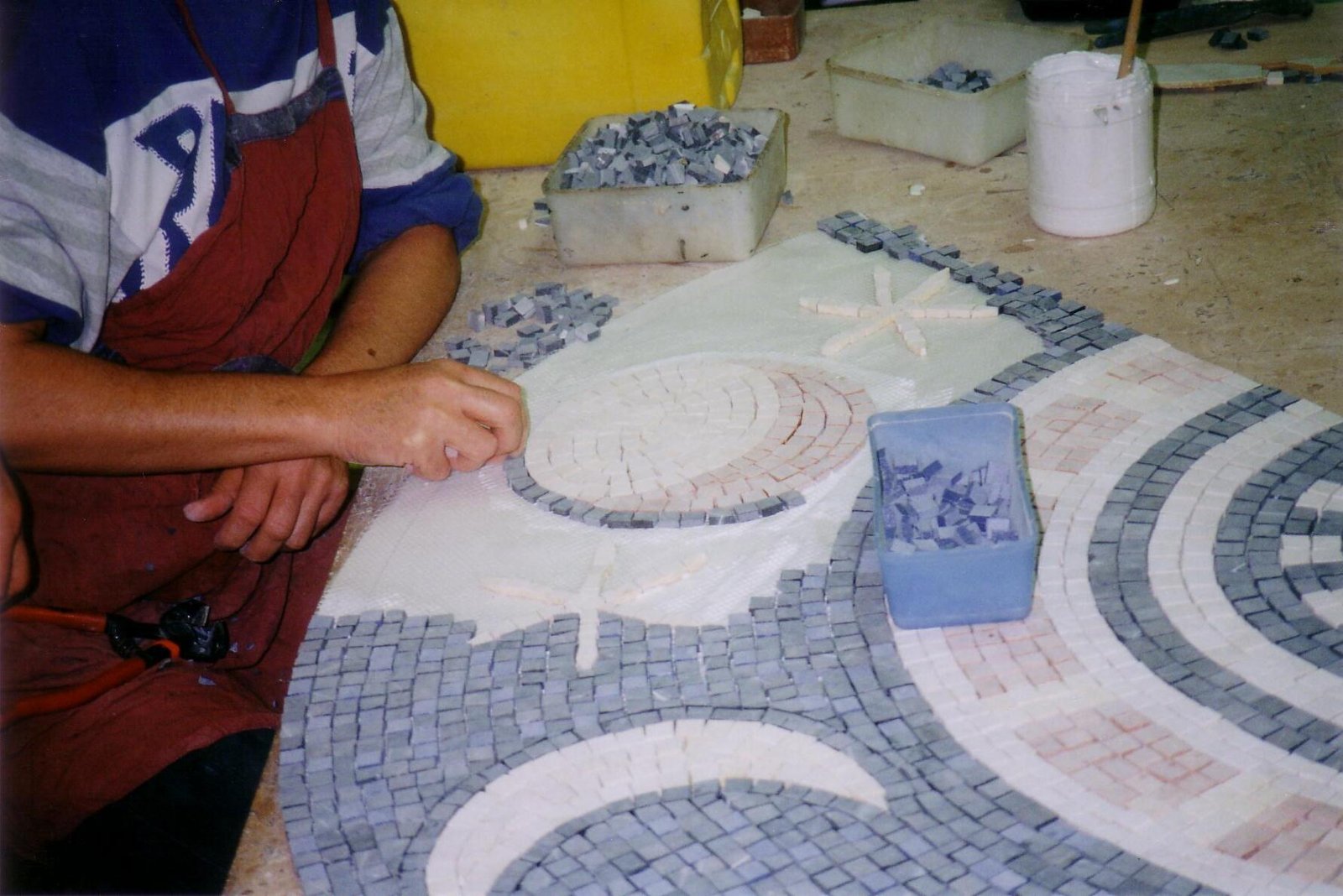
Making a mosaic in Israel, 22 February 2005. Jane Fresco / Wikimedia Commons, CC BY 2.0. Commons version cropped by Beao; resized and re-encoded here. Historical contextual illustration, not a reviewed Polish class.
A first mosaic workshop in Poland might mean a small decorative coaster in one afternoon, a four-meeting course, or an intensive project that still needs firing afterwards. The word mozaika does not tell you which of those you are buying. Start with the object, the materials and the finishing arrangements, then look at dates.
This guide compares six primary programme pages checked on 28 October 2026. It is a guide to choosing a class, not a list of available places. The Kraków museum example took place on 27 August 2026 and is historical. Other programme descriptions need a current date and booking confirmation before you plan around them.
Pick a project small enough for a first class
A defined introductory object makes it easier to judge what the session includes. Pracownia Śliczności's Kraków listing on FEBLIK describes a round mosaic base with a concentric pattern that participants can modify. It explicitly welcomes adults without previous experience and promises help throughout the process.
Pracownia PoWoli in Cichawka describes work on a 15 by 15 centimetre OSB board, with sample patterns and a sequence from design through finishing. Its published format is around five hours, for two to five participants aged 15 and above, with dates agreed by email. Those details describe the offer, not an available appointment.
If you have never made a mosaic, ask whether the advertised object is fixed or whether you can choose another shape. A photograph of a large mirror or tabletop may show the teacher's work rather than what a beginner completes. Get the approximate dimensions and base material for your own project before comparing classes.
Do not bring a sentimental plate, an expensive mirror or a piece of furniture without discussing it first. Ask whether the teacher can assess your proposed object and whether the class has enough time and suitable materials for it. A beginner programme with supplied bases may be a better first step than adapting an irreplaceable item.
Separate a taster from a longer course
Pracownia pod Gruszą in Trzebnica distinguishes a weekend workshop, usually five clock hours, from courses with four meetings of three clock hours. Both descriptions cover design, materials, tools, creating the mosaic, grouting and framing. The useful distinction is the commitment: one long visit is not the same as attending several meetings.
Creative Club DIY describes a course of ten meetings, one every two weeks, with three hours per meeting and about thirty hours overall. Its programme begins with small projects and moves towards an individual final design. That is a different choice from wanting a single afternoon activity, even though both can start at beginner level.
Malceramika's Bielsko-Biała programme is an intensive four-day block described as twenty-four lesson hours, potentially longer depending on the group's pace. Do not silently turn lesson hours into clock hours. Ask for the actual daily start, finish and break arrangements, especially if you would travel to attend.
Before choosing a longer course, check the full calendar, whether sessions build on one another and what happens after an absence. Creative Club DIY mentions catching up through ART CAFE. Ask how that works for the selected course rather than treating the phrase as unlimited replacement teaching or guaranteed access whenever you wish.
Know which materials and techniques you will meet
The reviewed pages use different combinations of ceramic, glass and stone pieces. PoWoli lists those materials alongside adhesive and grout. Creative Club DIY describes working with ceramic fragments, mosaic glass, stone and other selected materials. A class using prepared pieces can feel quite different from one that spends time preparing shapes.
A useful word is tessery, or tesserae: the small elements used to form the composition. Fugowanie means grouting, a finishing stage mentioned by several providers. You do not need to know every technical term, but ask the organiser to explain any part of the programme you cannot picture.
The Kraków Ethnographic Museum's past 27 August 2026 workshop described round glass mosaics on ceramic bases, using an indirect method and inspired by Józefa Kogut's patterns. It is a concrete example of how a museum session can have a specific material, technique and design theme. It is not evidence of another session now being scheduled.
For your first booking, ask what the teacher demonstrates, what you do yourself and which stages are included. If the listing simply says “make a mosaic”, clarify whether that includes grouting and finishing or only assembling the design. Do not assume that an unfinished stage will be completed by the studio without an agreed arrangement.
Check tools, protection and teaching language
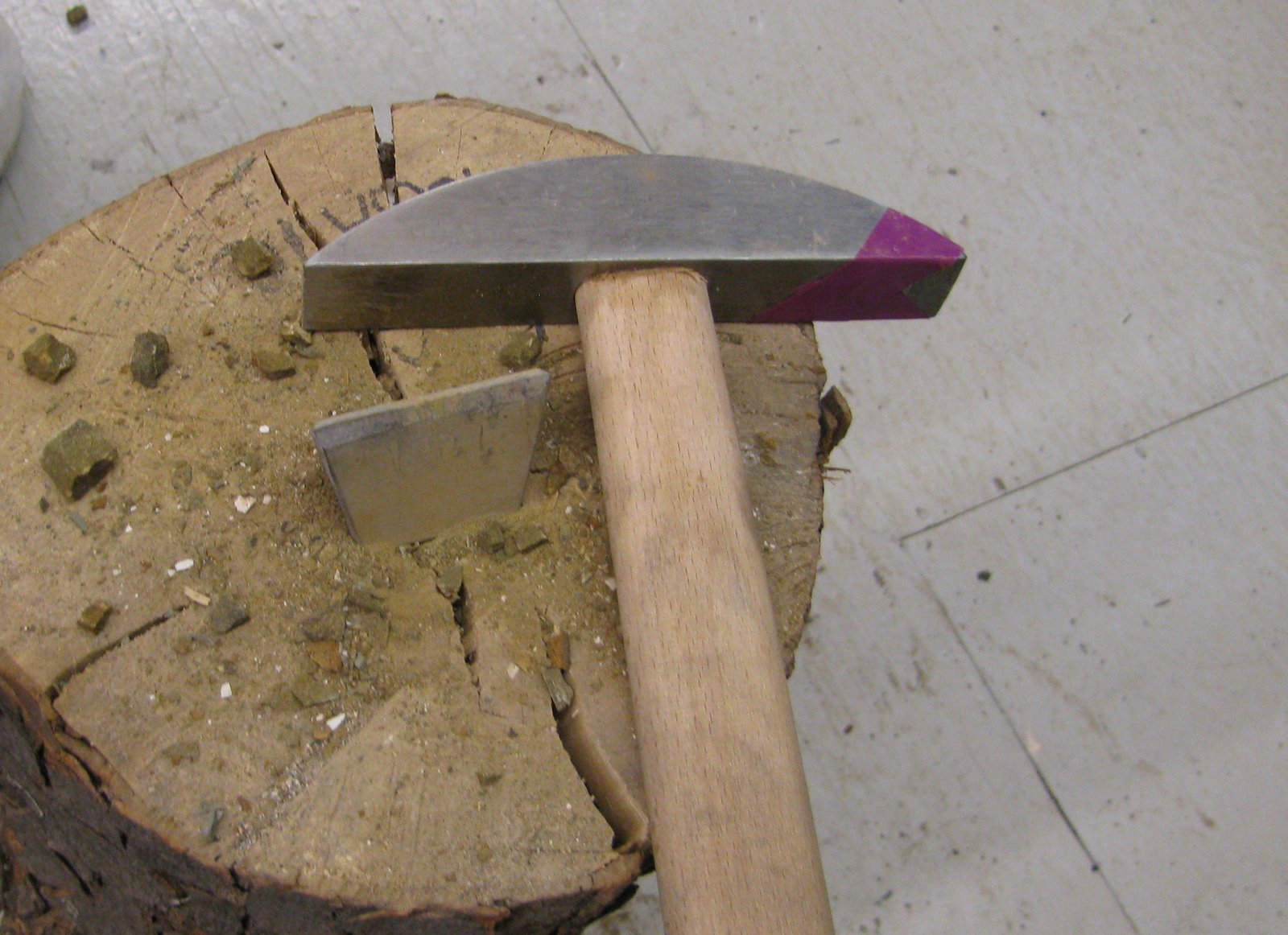
Pracownia pod Gruszą explicitly includes necessary materials and tools, protective glasses and aprons. Creative Club DIY lists protective equipment and studio tools. These are useful details to look for; they do not establish the equipment supplied by every workshop or what you should bring to another venue.
Ask the selected teacher about the introduction to tool handling, protective equipment, clothes and shoes, and whether the activity suits your practical needs. This is a booking guide, not a tutorial for cutting glass or ceramics. If you prefer a session using prepared pieces, ask whether that option exists rather than assuming you can skip a core stage.
For an expat, English support needs a specific answer. Can the teacher explain tools, demonstrate each stage and give feedback in English throughout the session? An English response to an enquiry does not establish that the lesson is English-led. Clarify how support works if the rest of the group is Polish-speaking.
If you need step-free access, a seated work position or extra help following demonstrations, describe the requirement before paying. The museum's past notice invited people to discuss barriers to participation, but that is not a promise about another venue. Ask about the actual entrance, room and worktable, not just the building's general accessibility.
Read the take-home promise carefully
PoWoli says participants take their finished mosaic home. Malceramika's page first describes three finished works, but its detailed ceramic-project section also explains drying and firing, with collection after about two weeks or an option to take unfired work. Those statements need to be read together, not shortened into “everything ready at the end”.
Ask which specific piece can leave immediately, which needs later work and who completes each stage. Confirm a collection window or whether delivery can be arranged, including packing and any extra charge. If you are visiting from another city, a later collection requirement can matter more than the length of the class.
Also ask when the finished object can be used and how it should be cared for. Some programme pages suggest uses such as plant stands, trays or supports for hot dishes. Those are provider descriptions for their projects, not a general guarantee that every mosaic is suitable for heat, water, food contact or outdoor installation.
Explain your intended use to the teacher and get advice for the actual base, materials and finish you make. A decorative class is not a home-renovation qualification. Do not plan to install a first workshop piece on a wall or exposed outdoor surface based only on an attractive example photograph.
Confirm the booking and cancellation rules
Pracownia pod Gruszą says attendance requires prior contact and full payment. PoWoli says its workshop starts once a group of at least two has formed and offers the choice of attending with friends or waiting for a group. An enquiry and a confirmed place are different things; ask when the session is definitely going ahead.
For Pracownia Śliczności's FEBLIK listing, the published terms say date changes are possible until seven days before the workshop, subject to available places, while withdrawal is not available under its stated terms. They also allow cancellation for insufficient participants up to three days beforehand and describe trying to move the place to a later date.
That is not an unconditional cash-refund promise. Ask what happens if no replacement date works for you. This guide describes the page's wording, not a legal ruling about consumer rights. Other organisers may have different terms, and a platform's conditions need to be checked against the exact product you select.
Malceramika's deposit wording links non-return to cancellation “14 days before” the workshop without clearly spelling out the whole boundary in the reviewed description. Ask for written clarification of the applicable deadline and consequences rather than guessing whether it means exactly that day or a longer period. Do not pay against an interpretation you have invented.
Keep a short confirmation checklist
Before committing, put the project, dimensions, materials, teaching language, meeting dates and finishing arrangements in one message. Ask what you need to bring, whether a minimum group applies, when the place is confirmed and what happens if either side cancels. Add your access needs and whether later collection would be difficult.
Finally, ask about photography if you do not want your face or personal design used publicly. A workshop can be a social activity without becoming a publicity session. Once the programme, practical arrangements and terms agree, you can choose on the basis of what you will actually learn and make, rather than a broad promise of a creative afternoon.
Frequently asked questions
Can a complete beginner attend a mosaic workshop?
Several reviewed programmes welcome beginners. Confirm the project, instruction and practical requirements for the selected session rather than judging by photographs.
Is a mosaic workshop always a single meeting?
No. The reviewed formats include a single long workshop, four meetings, a four-day block and a ten-meeting course. Check every required date.
Do all mosaic pieces go home immediately?
No. Ask which pieces need drying, firing or later finishing. One reviewed ceramic programme describes collection after about two weeks for a fired project.
Are tools and materials included?
Several providers supply them for class. Confirm the exact base, materials, protective equipment and take-home items; borrowed tools are a separate question.
Can I use my finished mosaic outdoors or under hot dishes?
Ask the teacher about the actual materials, base and finish. Suggested uses for one provider’s project do not establish suitability for every workshop piece.
Sources
- Pracownia pod Gruszą programme, undated; checked 28 October 2026
- Pracownia PoWoli programme, undated; checked 28 October 2026
- Kraków Ethnographic Museum past workshop, 27 August 2026; checked 28 October 2026
- Pracownia Śliczności FEBLIK programme/terms, undated; checked 28 October 2026
- Malceramika programme, 2026 booking thresholds; checked 28 October 2026
- Creative Club DIY course programme, undated; checked 28 October 2026