Mould in a rented flat in Poland: damp, repairs and next steps
The essentials: Photograph and report dampness, ask the landlord to establish the moisture source, and coordinate repairs and safe cleanup. Do not assume who pays, diagnose species from colour or treat repainting as a repair.
Dark spots behind a wardrobe, a musty bedroom or water running down the inside of a window deserve attention. In a rented flat in Poland, the useful response is to document the problem, tell the landlord and find the moisture source. A spray that changes the wall's colour does not explain why it became damp.
The Polish words are pleśń for mould, zawilgocenie for dampness and zagrzybienie for fungal contamination. You may also hear grzyb na ścianie, literally fungus on the wall. This guide explains practical next steps, not a remote diagnosis or an automatic ruling about who pays. Sources were checked on 26 October 2026.
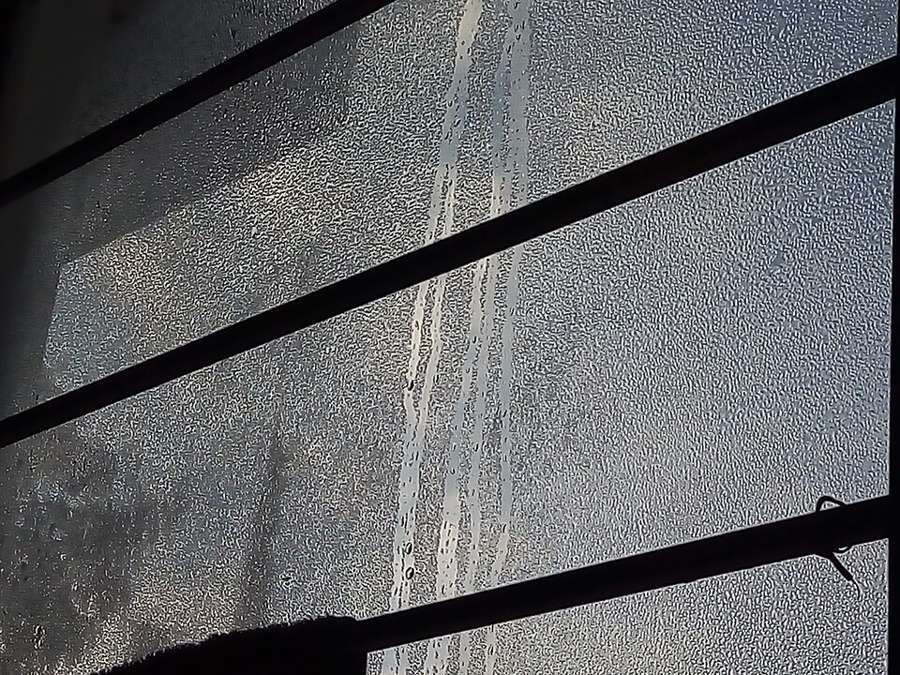
Cover photograph: condensation on a window, Doggo19292 via Wikimedia Commons, public domain. It is an illustrative photograph, not evidence about a Polish rental property.
Record what you can actually observe
Before cleaning or moving furniture, take clear photographs of the affected area and the surrounding room. Include a wider view showing whether the patch is near a window, ceiling, pipe or external wall. Add the date and a short factual description. If water is actively entering, report that immediately rather than waiting to build a perfect evidence file.
Save the move-in handover protocol, earlier photographs and messages about leaks or heating problems. Keep a simple timeline: first noticed, reported, inspected, cleaned and returned. Photograph damaged possessions separately and retain receipts where available. Avoid throwing away useful evidence without recording it, while still prioritising safe handling of contaminated items.
A cheap humidity meter can help record patterns. Note the room, time and reading, alongside relevant events such as showering, drying laundry or rainfall. One reading does not prove who caused the problem. Neither does a photograph alone establish the mould species, the depth of damage or whether the building is safe to occupy.
Separate the moisture clues from the diagnosis
Poland's public education platform explains that cooking, bathing, drying and human activity add moisture to indoor air. Without adequate air exchange, water can condense on cold windows and corners. Świdwin Sanepid also identifies moisture, poor ventilation, limited circulation and building defects as conditions that support mould.
Useful clues include:
- Condensation inside windows or damp corners, especially where air movement is limited.
- A patch that grows after rain, suggesting a possible roof, wall or window leak.
- Staining near pipes, a bathroom or a ceiling below another flat, requiring a plumbing or building check.
- A musty smell without a visible source, which can require investigation behind finishes or furnishings.
These are reasons to request an inspection, not reliable DIY fault findings. Several causes may coexist. Ask the landlord or manager to arrange the appropriate qualified person: plumbing for a suspected leak, ventilation assessment for airflow concerns, or a building specialist for persistent dampness. Do not dismantle walls or shared ventilation yourself to look for an answer.
Tell the landlord and involve the building manager when needed
Send a written report with the location, date, photographs and any active leak. Ask for an inspection, an explanation of the likely cause and a plan for both repair and cleaning. If common building elements or another flat may be involved, ask the landlord to coordinate with the zarządca or administracja.
A straightforward Polish message is:
W mieszkaniu pojawiła się pleśń i wilgoć w [miejsce]. Zauważyłem/Zauważyłam problem [data]. W załączeniu przesyłam zdjęcia. Proszę o ustalenie przyczyny, oględziny i plan usunięcia problemu.
This means: "Mould and dampness have appeared in the flat at [location]. I noticed the problem on [date]. I attach photographs. Please establish the cause, arrange an inspection and provide a plan to remove the problem."
Keep the reply. If access is needed, agree a workable appointment and record what the inspector found. Ask for a copy of any written report rather than relying on a verbal statement that the tenant should simply open a window. Equally, do not reject reasonable moisture-control advice while the building investigation continues.
Who pays is a separate question
Do not assume that every mould problem is automatically the tenant's fault, or that every treatment invoice automatically belongs to the landlord. The cause, rental agreement, condition at handover and evidence all matter. Reporting damp promptly helps create a clear record; it does not itself settle liability.
Before commissioning non-emergency work, agree who is arranging it, what it includes and how costs will be handled. Distinguish investigation, fixing the moisture source, drying, removal of damaged material and redecoration. A quote for repainting alone may leave the main problem untouched.
If the landlord blames daily habits and you believe a leak or failed ventilation is involved, ask for the technical basis in writing. If you are asked to pay, request an itemised explanation. For a continuing dispute, take the agreement and evidence to a lawyer or tenants' advice organisation. This article does not authorise withholding rent, deducting contractor costs or terminating a lease. Those choices need advice on your circumstances.
For the wider repair framework, see our guide to repairs in a rented flat. A general repair list is not a diagnosis of a particular mould case.
Reduce moisture without improvising building changes
Keep existing ventilation openings unobstructed and ask how your flat's ventilation is designed to work. Do not seal a grille because it feels cold. Do not fit an extractor fan, connect equipment to a shared duct or alter a gas installation without qualified advice and the necessary agreement.
Reduce avoidable indoor moisture where practical: ventilate during moisture-producing activities, deal with wet surfaces and arrange prompt leak repair. If laundry dries indoors, discuss a realistic drying and ventilation approach rather than accepting persistent wet rooms as unavoidable. A dehumidifier may help control moisture, but it is not a repair for a leaking roof or pipe.
The US Environmental Protection Agency recommends keeping relative humidity below 60%, ideally 30-50%; CDC advises no higher than 50%. These are prevention recommendations, not a Polish legal standard or a guarantee against mould. Surface temperature and local conditions matter too. Use readings to support an investigation, not as a single-number verdict on responsibility.
Where appliances burn gas or other fuel, ventilation has safety functions beyond mould prevention. Do not compromise those functions to save heat. Ask the landlord or manager to arrange a qualified check if you suspect ventilation is not working correctly.
When cleaning is more than an ordinary household job
Both CDC and EPA stress two tasks: remove the mould and fix the moisture problem. Painting over it is not a substitute. EPA says porous materials can be difficult or impossible to clean fully, and warns that investigating hidden mould by disturbing wallpaper or other materials can release spores.
Seek experienced help for extensive or recurring growth, significant water damage, hidden contamination, sewage-contaminated water or uncertainty about the materials involved. In a rental, coordinate invasive work with the landlord. Ask the contractor how the cause will be addressed, how the area will be contained, what must be removed and what will show that the work is complete.
For any cleaning product, follow the actual label and ventilation instructions. Never mix bleach with ammonia or other cleaners. This guide deliberately gives no homemade chemical recipe: products, surfaces and concentrations vary. Protect skin, eyes and breathing as the task requires; a casual face covering is not a substitute for suitable protective equipment.
CDC says people with allergies, immune suppression, underlying lung disease or chronic respiratory conditions should not take part in mould cleanup. If you fall into a higher-risk group, arrange help rather than treating a small patch as automatically safe to disturb.
Symptoms and black spots need careful interpretation
CDC says damp and mouldy environments may cause respiratory or allergic symptoms, while some people have no effects. Possible symptoms include coughing, wheezing, irritated eyes and skin reactions. People with asthma, mould allergies or weakened immunity may face greater risks.
Tell a clinician about the exposure and symptoms instead of diagnosing yourself from a wall photograph. Seek urgent medical help for serious breathing difficulty. A black patch does not identify one particular species, and its colour alone does not establish how it will affect a specific person.
If someone is vulnerable or symptoms worsen in the flat, discuss reducing exposure and whether temporary alternative accommodation is needed. Agree practical arrangements and costs separately with the relevant parties. Do not wait for a laboratory species name before reporting moisture or taking sensible steps to avoid exposure.
Does Sanepid test flats for mould?
Do not assume that contacting Sanepid automatically produces a free inspection, cleaning service or decision in your landlord dispute. Services and responsibilities need to be checked with the relevant local office.
For example, the Gdańsk regional sanitary station advertises commissioned mycological testing of building surfaces and indoor air. Its page says the price depends on the number of rooms, private customers pay in advance and results may take up to 40 days after sampling. That is a specific paid laboratory offer, not a national free-removal scheme or a promise that every station provides the same service.
CDC does not recommend routine home mould testing, and EPA says sampling is usually unnecessary when growth is visible. A technical or legal dispute may nevertheless call for a specialist investigation. Before paying, ask what question the test will answer, who will interpret it and whether a moisture or ventilation assessment is more useful. Testing does not repair dampness.
Check that the problem stays fixed
Keep the inspection report, photographs, repair invoices and cleaning instructions together. After the agreed work, check whether dampness, odour or growth returns, especially after rain or normal cooking and bathing. Record recurrence and notify the landlord promptly.
The useful finish line is a corrected moisture source and a properly cleaned or repaired area, not merely a wall that looks freshly painted. If the explanation remains disputed, the record you kept makes the next professional conversation far more useful.
Frequently asked questions
What should I search for in Polish?
Pleśń means mould, zawilgocenie means dampness and zagrzybienie describes fungal contamination. For an inspection, explain the symptoms and ask which specialist is appropriate rather than ordering an unspecified spray treatment.
Can I prove the mould is dangerous from its black colour?
No. Colour does not identify the species or predict an individual's health effects. Report visible growth and moisture, avoid unnecessary exposure and ask a clinician about symptoms.
Will opening windows solve every case?
No. Ventilation can help with moisture, but leaks, cold surfaces or building defects may also need repair. Ask for the cause to be investigated instead of accepting one explanation for every flat.
Is Sanepid mould testing always free?
No. Gdańsk's published laboratory offer is a paid commissioned service. Check the relevant office's scope, price and purpose before ordering; do not assume a nationwide free inspection service.
Can I stop paying rent until it is fixed?
Do not make that decision from this guide. Get advice on your agreement, evidence and legal options before withholding payment, deducting costs or ending the tenancy.
Sources
- Świdwin Sanepid (31 August 2023)
- ZPE ventilation explanation (accessed 26 October 2026)
- Gdańsk Sanepid laboratory offer (accessed 26 October 2026)
- CDC mould and health (26 September 2024)
- CDC cleanup guidance (16 February 2024 displayed; accessed 26 October 2026)
- EPA residential mould guide (accessed 26 October 2026)
- Cover: Doggo19292, Condensation Windows1, public domain (2021)
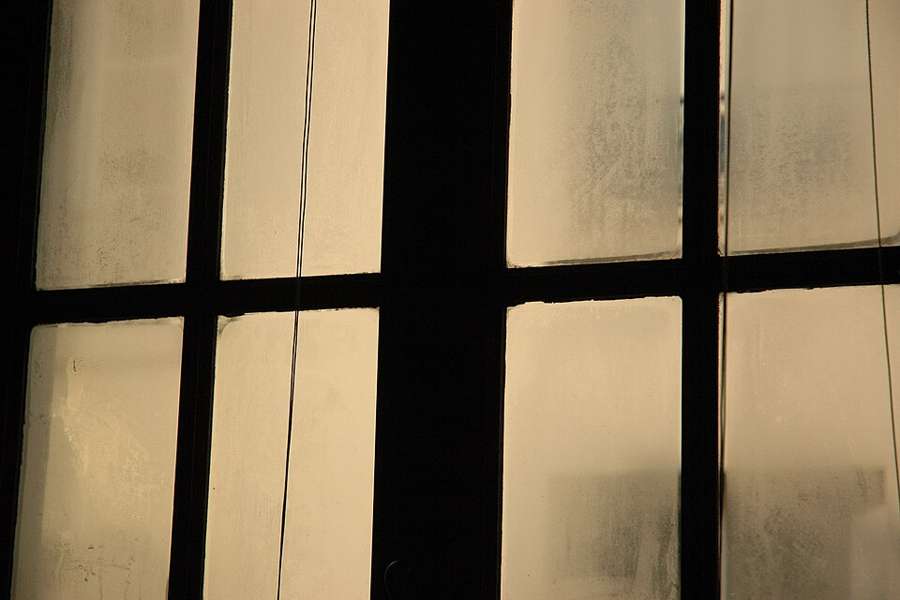
- Body: Roman Bonnefoy, Buée, CC BY-SA 3.0, resized