Who Pays for Repairs in a Rented Flat in Poland?
Short answer: Under the default rules of the Polish tenants' act, the landlord covers installations, the tenant covers painting and fixtures. A private contract can change this.
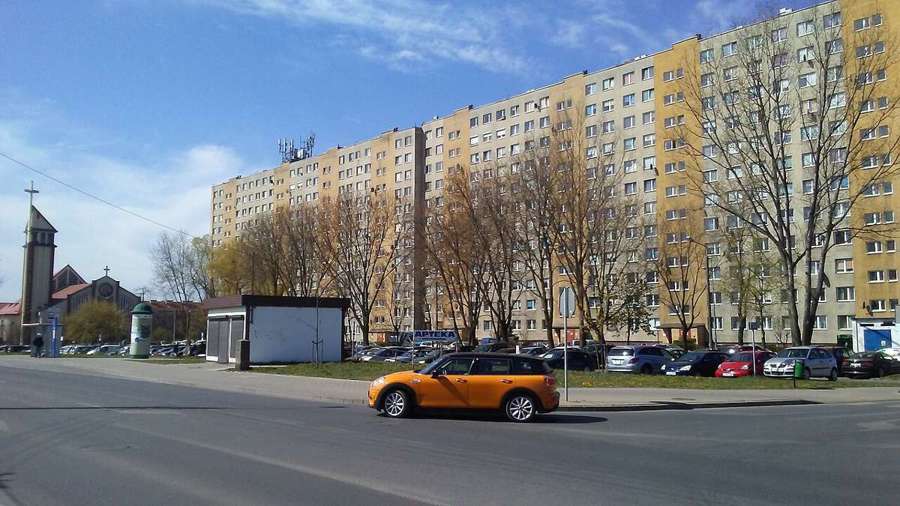
When the boiler breaks or the walls need repainting, who pays: you or your landlord? Poland has a default answer in the Act on the Protection of Tenants' Rights (ustawa o ochronie praw lokatorów). This guide follows the consolidated text of the act published as Dz.U. 2023 item 725. A later amendment may exist, and the act's repair rules are a default that a private rental contract can change, so read your own contract first.
Contracts can change the default
The act says that for flats outside the public housing stock, the parties may set different rights and duties from those in the repair articles. In plain terms, in a private rental the contract can shift repairs from the landlord to you, or the other way. If your contract is silent, the default below applies.
What the landlord pays for
The act says the landlord must keep the existing installations and equipment working so that the tenant can use water, gas and liquid fuels, heat, electricity, lifts and other equipment of the flat and building. When a flat is let after the previous tenant left, the landlord must replace worn equipment.
Among the landlord's duties the text lists:
- Keeping the shared areas of the building and its surroundings in proper order and cleanliness.
- Repairs of the building and its shared areas, whatever the cause, except that the tenant covers losses caused by their fault.
- Repair or replacement of the internal water, gas and hot water installations without fittings, the internal sewage installation, central heating with radiators, the electrical installation and the shared aerial, except accessories.
- Replacement of heating stoves, windows and doors, floors and floor coverings, and plaster.
What the tenant pays for
The act says the tenant must keep the flat in a proper technical and hygienic condition and follow the house rules. The tenant must also protect shared parts of the building, such as lifts, staircases and corridors, from damage.
The tenant bears the repair and maintenance of:
- Floors, floor coverings and wall tiles, glass or other wall coverings.
- Windows and doors.
- Built-in furniture, including replacing it.
- Kitchen stoves, instant water heaters, water heaters, baths, shower trays, toilets, sinks and washbasins with their siphons, taps and valves and other sanitary equipment, including replacing it.
- Electrical accessories and safety devices, but not the replacement of wires.
- Coal and storage stoves, including worn parts.
- Apartment-level central heating (etażowe), and if it was not installed at the landlord's cost, its replacement.
- Drain pipes of sanitary equipment up to the shared risers, including clearing blockages quickly.
- Painting or wallpapering, repair of wall and ceiling plaster damage, and painting of doors, windows, built-in furniture and kitchen, sanitary and heating equipment.
There is an apparent overlap. For floors, windows and doors, the landlord's list talks about replacing them while the tenant's list talks about repair and maintenance. The text reads as splitting major replacement from day-to-day upkeep, but if a dispute arises, check how your contract words it.
The handover protocol
Before the flat is given to the tenant, the parties draw up a protocol (protokół) describing the technical state and degree of wear of the installations and equipment. According to the act, the protocol is the basis for settlement when the flat is returned. Take photos and keep a signed copy.
Improvements
A tenant may make improvements in the flat only with the landlord's consent and on the basis of a written agreement that states how they will be settled. If the tenant makes them without that, the landlord can demand removal and restoration of the previous state if the flat's substance is not harmed. The landlord can also keep the improvements and pay their value after wear, as of the date the flat is vacated.
When you move out
When the tenancy ends and the flat is empty, the tenant must renovate the flat and carry out the repairs that fall on the tenant. The tenant also has to pay the landlord the value of worn technical equipment named in the tenant's list that was in the flat at handover. If the tenant replaced some of that equipment during the tenancy, the tenant gets back the difference in value between the state on the day of taking the flat and the day of leaving. Amounts are calculated at prices on the day of settlement.
Address changes
During the tenancy, both sides must tell each other in writing about any change of address. If someone fails to do so, registered mail sent to the last known address and not collected is treated as delivered.
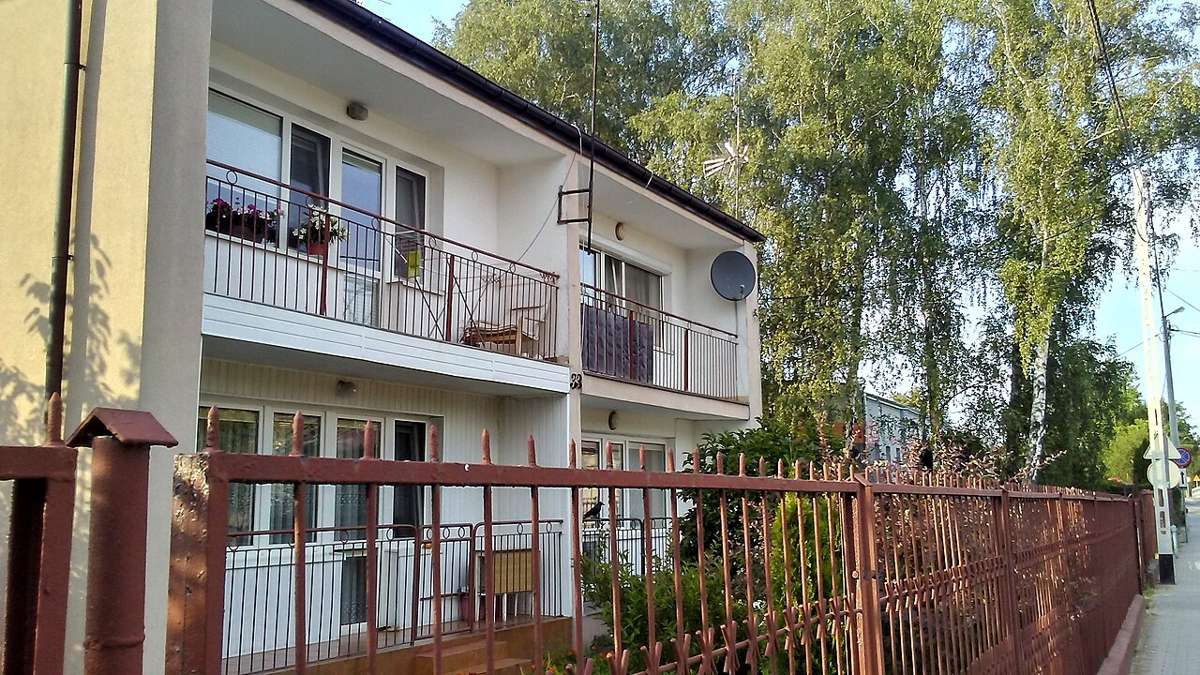
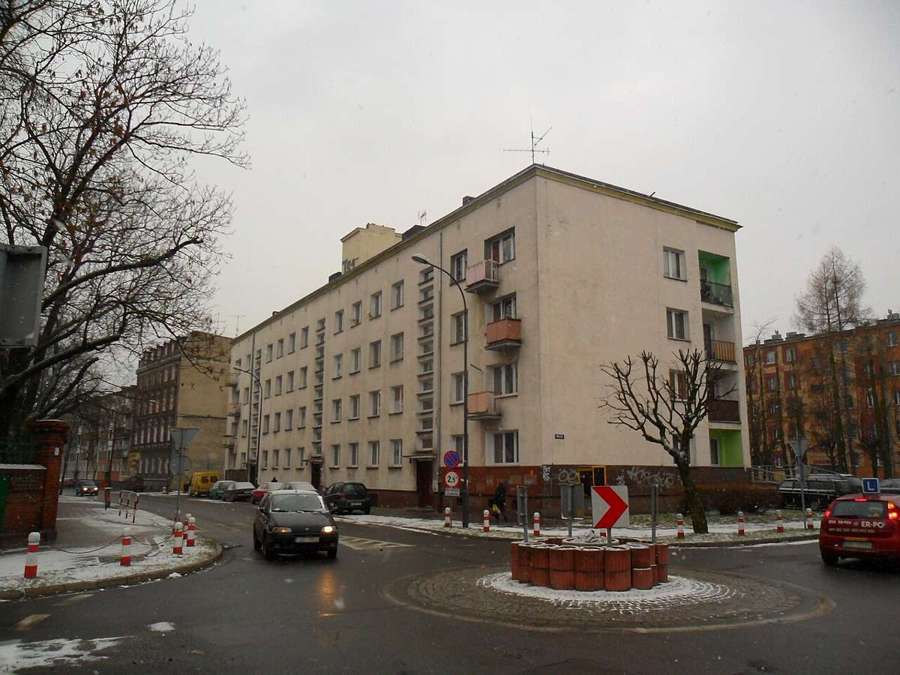
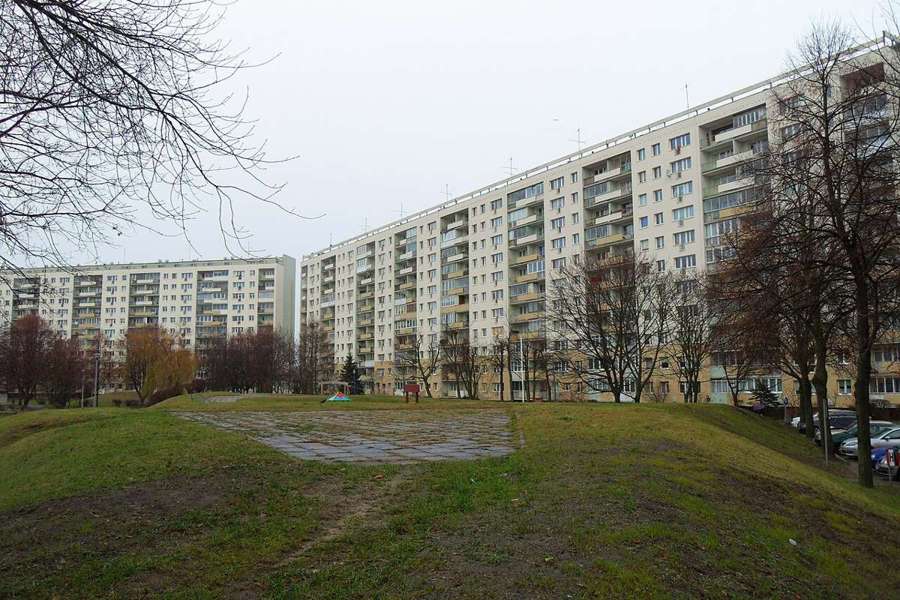
* Photos: blocks of flats in Tomaszów Mazowiecki, Wikimedia Commons, public domain.
What the source does not cover
The act text does not mention mould or damp by name, and it does not say who pays for a specific repair in every case. It also does not discuss foreign tenants separately. If a dispute continues, a tenants' association or a lawyer can read your contract together with the act.
Frequently asked questions
Who repairs a broken boiler or central heating?
Under the default rules, the landlord is responsible for central heating with radiators. The tenant's list includes apartment-level central heating, water heaters and heating stoves, so a flat's own boiler may fall on the tenant. Check your contract, because it can change this.
Who pays for repainting the walls?
The act puts painting, wallpapering and plaster damage repairs on the tenant. A contract can say otherwise.
Do I need a handover protocol?
The act says the parties draw one up before the flat is handed over. It is the basis for settlement when the flat is returned.
Can I renovate the flat myself?
Only with the landlord's consent and a written agreement on settlement, according to the act.