Snow and Ice in Poland: Who Must Clear the Pavement and Icicles
Short answer: Owners or other persons in possession of a property, such as tenants, must clear the pavement next to it, says the Financial Ombudsman. Building owners must remove icicles.
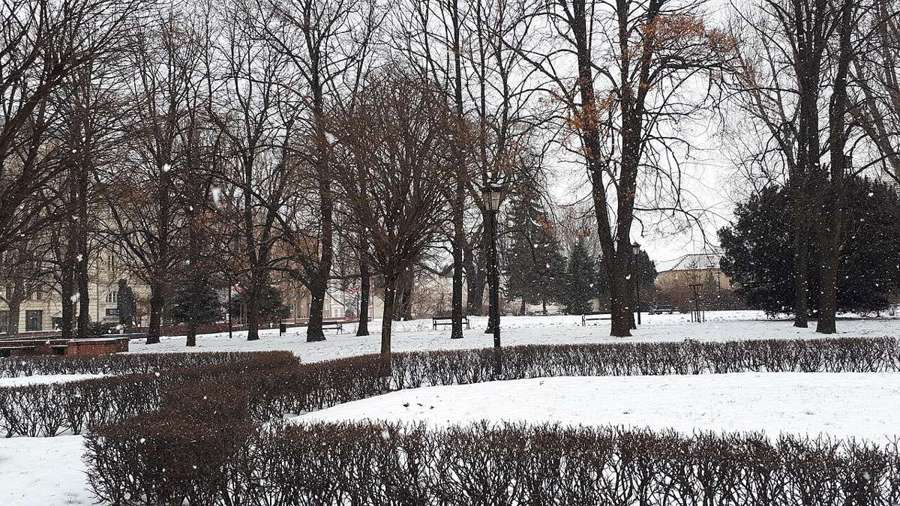
Winter in Poland means snow, ice and a legal duty that surprises many tenants: in many cases the person living in or managing a building must clear the pavement in front of it. This guide explains who is responsible for icy pavements, icicles and roof snow, and what to do after a fall. It is based on a guide from the Financial Ombudsman (Rzecznik Finansowy) published in January 2025 on claims for damage caused by winter weather.
Who clears the pavement
According to the Ombudsman, the law on keeping municipalities clean and orderly requires municipalities to keep order on their territory, and obliges owners of properties to remove snow, mud and ice from the pavement next to their property. The pavement should be cleared across its whole width, and if it is icy the ice must be removed completely. Cleared snow should be placed where it does not block pedestrians or vehicles, so it should not be pushed onto the road, the pavement or the kerb.
The duty falls on:
- the owner of the property, or another person in possession of it, such as a tenant, lessee or perpetual user
- for a building with separately owned flats, those managing the common property, or the flat owners themselves if no management exists
If the pavement is separated from the property by a strip of greenery, the Ombudsman says the municipality, not the owner, is responsible for it. An owner is also not required to clear a pavement where paid vehicle parking is allowed. In that case the municipality or the road manager, whichever collects the parking fees, is responsible.
Many municipalities, housing communities and cooperatives hire outside firms to do the clearing. In that case both the contractor and the party who hired them may be liable, depending on the contract. The Ombudsman adds that hiring a professional does not fully free the municipality from liability, since it must supervise the work.
Is the owner expected to clear constantly?
No. The Ombudsman quotes a Supreme Court judgment of 26 July 2017 (III CSK 356/16) holding that during a winter thaw, at night, in falling snow, nobody can expect an owner to keep the pavement clear without interruption. The law sets no frequency. An owner who actually cleared periodically has shown due care, even if the result did not last.
Icicles and roof snow
For damage caused by falling icicles or snow, the owner or manager of the building can be liable. The Ombudsman cites Article 61 point 2 of the Construction Law: the owner or manager must ensure safe use of the building, including when heavy precipitation affects it. The owner should remove icicles and snow overhangs, and clear ice from balconies and roofs. If they fail through their own fault, an injured person can claim damages under Article 415 of the Civil Code.
Roads and shops
On public roads the road manager is responsible for winter maintenance. The Ombudsman lists who manages each category: GDDKiA for national roads and motorways, the voivodeship board for voivodeship roads, the county board for county roads, and the mayor for municipal roads. Internal roads, such as those in housing estates, car parks or bus loops, are the duty of whoever manages the land.
Inside a shop, the owner of the premises, or its tenant, answers for an accident on a wet floor, even if the snow was brought in from the pavement.
If you fall: what to do
The Ombudsman's guide says the injured person must show that the accident happened because the responsible party failed in its duties. Its practical list:
- Find out who is responsible for that spot.
- Note witnesses and their contact details, and obtain a police or municipal guard note if possible.
- Photograph the pavement so that the location is clear, for example with nearby objects or the property number.
- Ask for any camera recording from nearby shops or the city.
- Keep medical records, treatment and rehabilitation bills, and receipts for damaged items.
- Photograph damaged items and keep them for inspection.
Claims can include compensation for pain and suffering, treatment and rehabilitation costs, lost earnings and the cost of damaged property. You file with the insurer of the responsible party, or directly with the owner or manager if there is no liability policy. The standard time for an insurer to respond is 30 days.
When a claim can fail
The Ombudsman notes that total safety on winter pavements is often technically impossible, and courts require extra caution from pedestrians in winter. Liability rests on fault, and no rule presumes it. The simple fact that a road was icy is not enough, according to the Supreme Court ruling the guide cites. If an insurer refuses, you can complain to the insurer, then ask the Financial Ombudsman to intervene, and consider mediation or court.
What the guide does not cover
The Ombudsman's guide does not discuss foreigners or the amount of any fines for owners who skip clearing. Local rules, such as municipal winter maintenance plans, can add duties. Check your lease and house rules to see who is expected to clear the pavement outside your building.
Frequently asked questions
As a tenant, do I have to clear the snow outside my building?
It can be. The Ombudsman says the duty falls on the owner or another person in possession of the property, such as a tenant. In a block with separately owned flats it falls on the people managing the common property. Check your lease and ask your landlord or manager.
Who pays if icicles fall on my car?
The owner or manager of the building may be liable if they were at fault, the Ombudsman says. They are expected to remove icicles and snow from roofs and balconies.
Can I get compensation after slipping on an icy pavement?
Possibly. You must show that the responsible party failed in its duty, so collect evidence at once. The Ombudsman says an icy road alone is not enough.
Does the guide say anything about foreigners?
No. The rules described apply to everyone who lives in or is hurt in Poland.