Moving to Poland With Kids in 2027: Everything Parents Need to Know
A personal essay by a Canadian living in Poland. The views and experiences are the author's own.
What to know: A Canadian parent's guide to moving to Poland with kids: schools, childcare, healthcare, neighborhoods, costs and a moving checklist.
Thinking about moving to Poland with your family? From schools and healthcare to housing, childcare, living costs, and helping your children adjust, here's what I wish I'd understood before making the move from Canada to Poland.
Moving to another country is a big decision.
Moving to another country with children?
That's an entirely different adventure.
When you're single, moving abroad can feel relatively simple. You find an apartment, pack your bags, book a flight, and figure things out along the way.
But when you have children, everything changes.
Suddenly, you're not just thinking about where you want to live.
You're thinking about schools.
Doctors.
Safety.
Friends.
Playgrounds.
Language barriers.
Whether your child will be happy.
And, perhaps most importantly, whether you're making the right decision for your family.
When I started thinking seriously about life in Poland after Canada, I realized that the questions that mattered most weren't necessarily the ones I'd expected.
I wasn't particularly worried about finding a good restaurant or learning how to use public transportation.
I wanted to understand what ordinary family life would actually look like.
Would my child make friends?
Would we feel welcome?
Could we communicate with teachers?
What happens when a child gets sick?
Would Poland offer a better childhood, or would we simply be exchanging familiar problems for unfamiliar ones?
The more I learned about Poland, the more I realized that it offers some genuinely attractive advantages for families.
But it also comes with challenges that parents shouldn't underestimate.
So if you're considering moving to Poland with kids in 2027, here's what I think every parent should know before making the decision.
1. Is Poland a Good Country to Raise Children?
Let's start with the biggest question.
Is Poland actually a good place to raise a family?
My answer is yes, for many families.
But not necessarily for the reasons people expect.
Poland has modern cities, parks, playgrounds, schools, public transportation, and access to healthcare for eligible residents.
In many urban neighborhoods, daily life can be surprisingly convenient.
You might have a grocery store five minutes away, a playground across the street, a pharmacy around the corner, and a preschool within walking distance.
Coming from Canada, where daily life in many neighborhoods revolves around driving, I find that kind of convenience particularly appealing.
There's something wonderful about being able to take your child outside without turning every outing into a car trip.
You can walk to the bakery.
Stop at a playground.
Pick up groceries.
Meet another family for coffee.
And return home without spending half your afternoon in traffic.
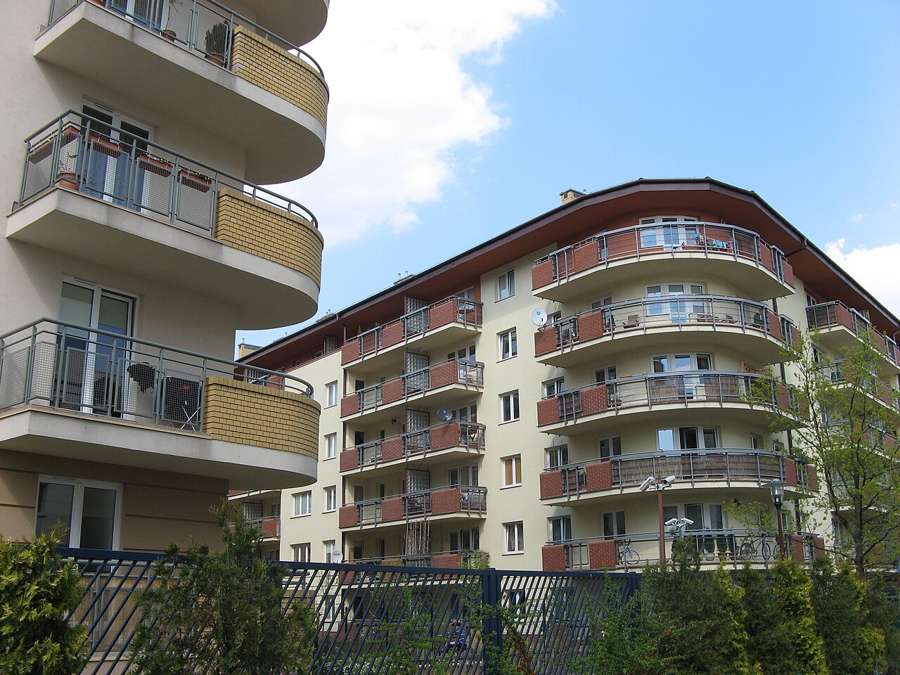
Of course, this depends heavily on where you live.
A family in central Warsaw may have a completely different experience from a family living in a small Polish town.
But in the right neighborhood, Poland can offer an excellent everyday lifestyle for parents and children.
What I appreciate most is that family life can feel integrated into the neighborhood rather than organized around constant driving.
That may sound like a small thing.
But when you're raising children, small conveniences make an enormous difference.
2. Choosing the Right City: Warsaw, Kraków, Wrocław, or Gdańsk?
One of the first decisions you'll need to make is where to live.
And I think this choice matters more than many families realize.
Poland isn't one uniform experience.
Living in Warsaw can feel completely different from living in Kraków, Gdańsk, or a smaller town.
Warsaw: My Choice for Convenience and Opportunities
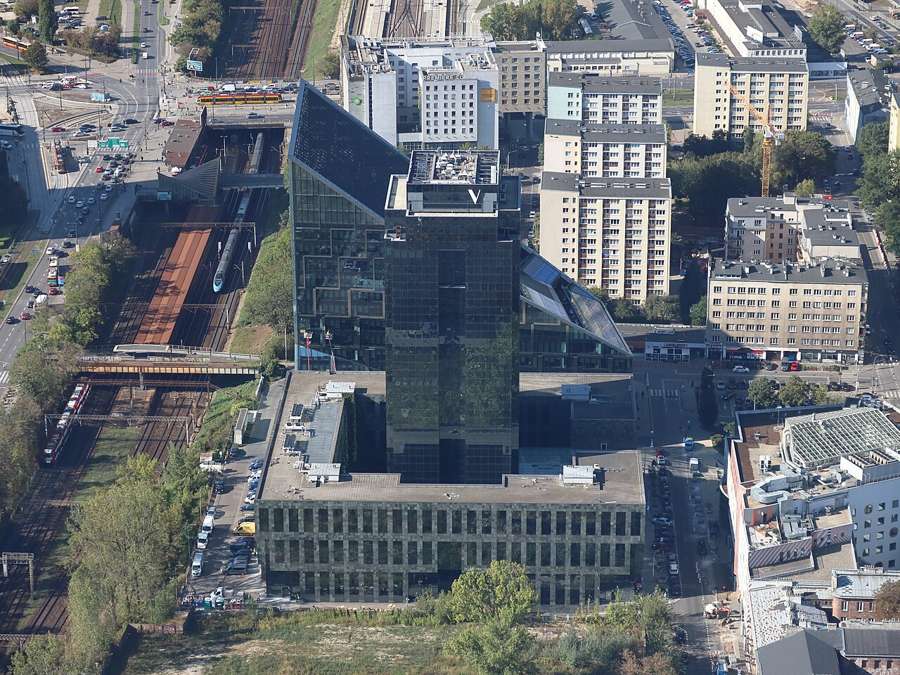
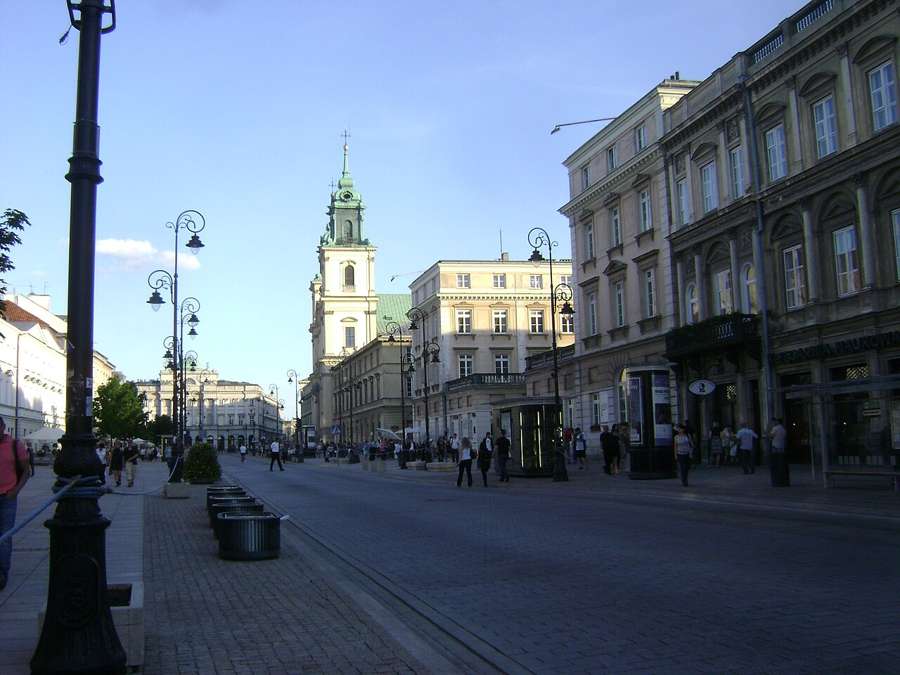
Warsaw is Poland's capital and largest city.
It offers an extensive public transportation system, including a metro, along with parks, playgrounds, shopping centers, medical facilities, and a broad selection of schools.
For international families, Warsaw can be particularly attractive because of its international community and educational options.
Neighborhoods such as Mokotów, Żoliborz, Wilanów, and parts of Ursynów are worth exploring.
Each offers a different balance of housing, schools, green spaces, and transportation.
The downside?
Warsaw can be expensive.
Housing costs in desirable family neighborhoods may take a substantial portion of your budget.
And traffic can be frustrating, particularly if you rely on a car.
Still, if I were choosing a Polish city primarily for convenience, schools, services, and professional opportunities, Warsaw would be near the top of my list.
Kraków: Beautiful, Historic, and Family-Friendly
Kraków offers a different lifestyle.
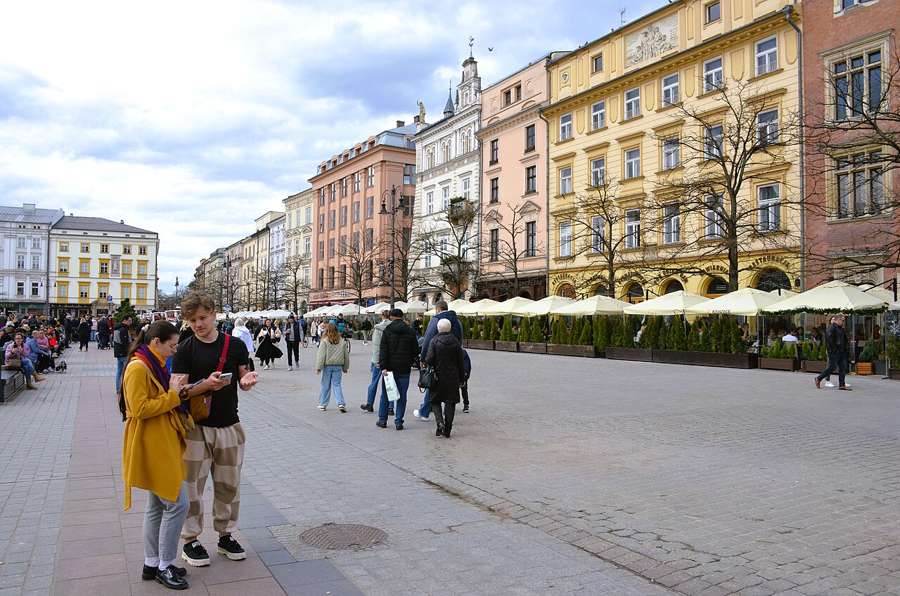
It's one of Poland's most beautiful cities, with historic architecture, charming streets, parks, and a strong cultural identity.
Neighborhoods such as Dębniki, Krowodrza, and parts of Podgórze can be worth considering for families.
Kraków also has an established international community.
However, parents should investigate winter air quality, transportation, school locations, and housing costs carefully.
Kraków is beautiful, but living there isn't the same as visiting the Old Town for a weekend.
Wrocław: A Strong Alternative
Wrocław deserves more attention from international families.
It offers attractive neighborhoods, a lively city center, universities, technology employers, and family activities.
It can be a good compromise between big-city opportunities and a somewhat smaller urban environment.
Gdańsk: Coastal Living in Poland
Gdańsk offers something the other cities don't: easy access to the Baltic coast.
The wider Tricity area, including Gdynia and Sopot, provides a variety of residential neighborhoods and family activities.
For parents who enjoy beaches, seaside walks, and coastal scenery, this can be particularly appealing.
However, desirable housing can be expensive, and coastal weather isn't always as pleasant as summer photographs suggest.
My Advice
Don't choose a city based only on reputation.
Choose it based on the daily life you want.
Before signing a lease, ask yourself:
Can my child walk to school?
Is there a playground nearby?
How far is the pediatrician?
Can we reach the supermarket without driving?
Is the neighborhood quiet at night?
And how long will my commute actually take?
Those questions will matter far more than whether the city has a beautiful central square.
3. How Much Does It Cost to Move to Poland With Kids in 2027?
This is probably one of the most important questions for families.
Poland can be more affordable than Canada, the United States, or parts of Western Europe.
But raising children is never inexpensive.
And the biggest financial mistake you can make is assuming that everything in Poland is cheap.
Housing, childcare, groceries, transportation, school-related expenses, and healthcare all add up.
For a family of four, these are the approximate monthly budgets I would use for planning in 2027.
| Expense | Monthly planning budget |
|---|---|
| Two- or three-bedroom apartment | 3,500–6,000 PLN |
| Utilities and building charges | 700–1,200 PLN |
| Groceries and household supplies | 2,500–3,800 PLN |
| Transportation | 300–900 PLN |
| Internet and mobile phones | 120–250 PLN |
| Healthcare and medical expenses | 200–700 PLN |
| Children's activities and school extras | 400–1,200 PLN |
| Restaurants and entertainment | 500–1,200 PLN |
| Clothing and miscellaneous expenses | 700–1,500 PLN |
These are illustrative planning ranges, not verified 2027 prices. They exclude major private childcare fees, international school tuition, car ownership costs, and relocation expenses. The exact budget depends on city, neighborhood, family size, and lifestyle.
For a family of four renting in a major city, I would generally target around 15,000–22,000 PLN in combined monthly take-home income for a comfortable lifestyle with some room for savings.
You can live on less.
Many families do.
But if you're relocating internationally, I think it's wise to build a financial cushion rather than calculate the absolute minimum you can survive on.
One thing I would strongly recommend is preparing a separate relocation budget.
You'll potentially need money for deposits, temporary accommodation, travel, household essentials, documents, and unexpected expenses.
And if one parent won't be working immediately, your savings become even more important.
4. Schools in Poland: Public or International?
This is where moving with children becomes much more complicated.
Poland has a public education system, and foreign children can access public schooling under applicable rules.
But the experience depends on the child's age, language ability, school, and location.
For parents, the biggest decision is often whether to choose a Polish public school or an international school.
Polish Public Schools
Public schools generally teach in Polish.
That can be intimidating if your child doesn't speak the language.
But it can also create an opportunity for children to become bilingual and integrate into Polish society.
For younger children, language adaptation may happen relatively quickly, although every child is different.
Older children may face greater academic and social challenges.
Foreign students may qualify for additional Polish-language instruction and other educational support under applicable rules.
However, the availability and quality of support can vary.
Before enrolling, I'd want to meet the school administration, ask about language support, and understand how the school helps children who are new to Poland.
International Schools
International schools can make the transition easier for some families.
Many offer English-language instruction or international curricula.
They may also have more experience welcoming children who have recently moved from another country.
But they can be expensive.
Tuition may amount to tens of thousands of złoty annually, with some schools charging substantially more.
There may also be registration fees, transportation fees, meals, and extracurricular costs.
For a family with multiple children, international schooling can completely change the cost-of-living calculation.
Which Would I Choose?
For a younger child, I'd seriously consider a good local Polish school or preschool, especially if the family plans to stay long-term.
The opportunity to learn Polish naturally and make local friends is valuable.
For an older child approaching important examinations or a major educational transition, I would investigate international options more carefully.
There isn't one right answer.
The best school is the one where your child can learn, feel safe, make friends, and develop confidence.
5. Can Children Move to Poland Without Speaking Polish?
Yes.
But parents should prepare for a period of adjustment.
Children can be remarkably adaptable.
They learn through play, repetition, friendships, and everyday experiences.
A younger child may begin understanding common Polish phrases surprisingly quickly.
But that doesn't mean the transition is always easy.
Imagine being five years old.
You've just moved to a new country.
Your bedroom is different.
Your friends are thousands of kilometers away.
Your teacher speaks a language you don't understand.
And everyone around you seems to know exactly what's happening except you.
That's a lot for a child to process.
I think parents sometimes underestimate the emotional side of language barriers.
A child may be quiet at school, frustrated at home, or reluctant to attend activities.
That doesn't necessarily mean the move was a mistake.
It may mean they need time, reassurance, and support.
Before moving, I'd introduce children to basic Polish through games, cartoons, books, and simple everyday phrases.
After arriving, I'd look for activities where they can interact with other children without needing perfect language skills.
Sports.
Art.
Music.
Playgrounds.
Swimming.
And I'd make sure they still have opportunities to use their home language.
The goal shouldn't be to replace their previous identity.
It should be to help them feel comfortable developing a new one alongside it.
6. Childcare in Poland: Żłobek and Przedszkole Explained
If you're moving with young children, you'll quickly encounter two important Polish words.
Żłobek and przedszkole.
A żłobek is a nursery or childcare setting for very young children, generally up to age three.
Przedszkole is preschool or kindergarten, generally serving children from around age three until they begin primary school.
There are public and private options.
Public facilities can be much more affordable, but places may be limited depending on the municipality and enrollment period.
Private childcare usually offers more flexibility but costs more.
Some private facilities offer bilingual or English-language programs.
One important thing to understand is that childcare availability can vary dramatically between neighborhoods.
A city might have plenty of preschools overall, but the facilities closest to your apartment may have waiting lists.
That's why I would research childcare before choosing housing.
Not afterward.
Poland also has childcare support programs, but eligibility and benefits can change.
For 2027, parents should check the current rules through ZUS and official Polish government sources rather than assuming that a particular benefit will apply.
7. Healthcare for Children in Poland
As a parent, healthcare is one of those things you hope you won't need often.
But when you do need it, you want everything to work quickly.
Poland has public healthcare through the National Health Fund, known as NFZ.
Children may be entitled to publicly funded healthcare depending on their circumstances and the applicable legal rules.
For example, children of insured parents may be eligible for registration as family members, while other legal entitlements may apply to certain children residing in Poland.
However, parents should verify coverage and registration requirements before arriving.
Don't assume that a residence permit alone guarantees all healthcare services.
Private healthcare is also common.
Many families use private pediatricians for convenience, faster appointments, or access to English-speaking doctors.
In major cities, it's generally easier to find medical professionals who speak English.
In smaller towns, language barriers may be more challenging.
My advice is to identify a pediatrician before you need one.
Also, bring your child's vaccination records, medical history, prescriptions, and any relevant specialist documentation.
Ask your future healthcare provider how your child's existing vaccination history fits with Poland's current immunization requirements.
When your child is sick, the last thing you want is to start figuring out how the healthcare system works.
8. Is Poland Safe for Children?
Safety is one of the reasons I find Poland appealing for family life.
In many neighborhoods, you'll see families spending time outside, children playing in parks, and people walking around in the evening.
There's a sense of ordinary everyday security that I appreciate.
But it's important not to romanticize the country.
Road safety matters.
Traffic can be busy.
Cycling infrastructure varies.
And, as in any country, parents need to pay attention to their surroundings.
I would evaluate the safety of a neighborhood based on practical factors.
Are there safe pedestrian crossings?
Does the playground have good visibility?
Is the route to school comfortable?
Are streets well-lit?
Is the neighborhood noisy at night?
And are there safe places for children to spend time outdoors?
For me, safety isn't simply about national crime statistics.
It's about whether everyday family routines feel comfortable.
And in many Polish neighborhoods, they can.
9. Family-Friendly Neighborhoods: The Secret to a Happy Move
If I could give one piece of advice to parents moving to Poland, it would be this:
Choose your neighborhood more carefully than your city.
A beautiful apartment in the wrong location can make family life unnecessarily stressful.
Imagine finding a modern apartment with a large living room and beautiful kitchen.
You love it.
The price seems reasonable.
But then you discover the nearest preschool is difficult to reach.
The grocery store is far away.
The playground isn't particularly convenient.
And the commute takes an hour.
Suddenly, that beautiful apartment doesn't seem quite as attractive.
Now imagine a slightly smaller apartment in a neighborhood with a park, school, supermarket, pharmacy, and tram stop within walking distance.
For a family, that might be the better choice.
I would prioritize walkability, transportation, schools, parks, medical services, and a comfortable residential environment.
A family-friendly neighborhood can improve your quality of life every single day.
10. Polish Parenting Culture: What Might Surprise You?
One of the most interesting parts of moving abroad with children is discovering that parenting expectations aren't universal.
Different cultures have different ideas about independence, discipline, education, family involvement, and social behavior.
In Poland, I've noticed how important family relationships can be.
Grandparents often play a visible role in family life.
Children spend time in parks and playgrounds.
And family gatherings can be a central part of social life.
There can also be differences in how adults communicate with children.
Some interactions may feel more direct than what North American parents are accustomed to.
That doesn't necessarily make them better or worse.
They're simply different.
I think the healthiest approach is to remain curious.
You don't need to adopt every local parenting practice.
And you don't need to reject everything that's unfamiliar.
You can learn from the culture around you while maintaining the values that matter to your family.
11. Making Friends: The Challenge Nobody Talks About Enough
One of my biggest concerns about moving abroad with children is the social adjustment.
Adults can understand why they're moving.
Children don't always see the bigger picture.
They may not care that Poland has excellent public transportation or that housing costs are lower than in Canada.
They care about their friends.
Their school.
Their favorite playground.
Their grandparents.
Their familiar routines.
And suddenly, many of those things may be gone.
I think parents need to take this seriously.
Before moving, I'd explain the change in an age-appropriate way.
I'd show children pictures of their new city.
Talk about what their school might be like.
Let them help choose small things for their new bedroom.
And reassure them that missing home is normal.
After arriving, I'd focus on building routines.
Visit the same playground.
Join regular activities.
Meet other families.
Arrange playdates when possible.
And maintain contact with friends and relatives back home.
Friendships don't happen overnight.
But having familiar places and recurring activities can make a new country feel less overwhelming.
12. What About Children With Additional Learning or Developmental Needs?
This is an especially important consideration.
If your child has additional learning, developmental, behavioral, or medical support needs, research services before relocating.
Don't assume that support available in Canada will automatically be available in the same form in Poland.
Public schools, psychological-pedagogical counseling centers, private therapists, and medical specialists may provide different kinds of support.
However, access, waiting times, language availability, and eligibility can vary.
Some services may require Polish-language assessments or documentation.
International schools may have different support capabilities, and not every school can accommodate every child's needs.
I'd recommend contacting prospective schools and relevant specialists before moving.
Ask specific questions about accommodations, language support, assessment procedures, and ongoing services.
For some families, this research may be more important than choosing a city based on cost or lifestyle.
The right support system can make an enormous difference to a child's well-being.
13. Winter With Kids: The Part of Poland You Need to Prepare For
Coming from Canada, I thought I understood winter.
But Polish winters have their own personality.
The cold isn't always the hardest part.
Sometimes it's the gray skies and short daylight hours.
During winter, it can get dark surprisingly early.
And when you have young children, that can make afternoons feel long.
Outdoor activities may require more planning.
Playgrounds can be wet or icy.
And some days, everyone just wants to stay inside.
The good news is that Polish cities offer plenty of indoor activities.
Swimming pools.
Play centers.
Museums.
Libraries.
Sports classes.
Shopping centers.
And cafés where families can spend time together.
I would make winter activities part of the relocation plan rather than treating them as an afterthought.
Also, check local air quality during the heating season, particularly if your child has respiratory sensitivities.
A comfortable winter routine can make a major difference to family life.
14. Family Benefits in Poland: Can Foreigners Receive 800 Plus?
Poland has a number of programs intended to support families.
One of the best-known is the 800 Plus child benefit, which has provided eligible families with monthly payments for qualifying children.
But foreign families shouldn't automatically assume they'll qualify.
Eligibility can depend on citizenship, residence status, employment, and other legal requirements.
Rules for certain groups of foreign nationals have also changed over time.
The same applies to childcare assistance and other family-related benefits.
Because this article looks ahead to 2027, I would strongly recommend checking the current eligibility rules directly with ZUS and official government websites before including any benefit in your household budget.
Treat potential government support as a bonus until you've confirmed that your family qualifies.
Not as money you can safely count on before moving.
15. Residence Permits and Documents for Moving to Poland With Children
This is the part of moving abroad that requires careful preparation.
Your family's immigration requirements depend on citizenship and the legal basis for moving.
EU, EEA, and Swiss citizens generally follow different rules from non-EU nationals.
For a Canadian family without Polish or other EU citizenship, long-term residence will generally require an appropriate legal basis.
That might involve employment, family reunification, or another qualifying residence route.
A Canadian passport may allow certain short visits without a visa, but visa-free travel doesn't automatically authorize long-term residence or employment.
And children may need their own documentation or residence procedures.
Before moving, investigate the current requirements for each family member.
Important documents may include passports, birth certificates, marriage certificates where applicable, custody or parental-consent documents where relevant, school records, and medical documentation.
Some documents may need official translations or authentication.
I wouldn't leave this research until the last minute.
Immigration procedures can take time, and the requirements may differ depending on your family's circumstances.
Use official Polish government and consular sources, and seek qualified immigration advice when necessary.
16. The Emotional Side of Moving From Canada to Poland
I think there's a tendency to make moving abroad sound like one big adventure.
New country.
New food.
New experiences.
New opportunities.
And it can absolutely be all of those things.
But for a family, relocation is also a loss.
You're leaving behind people, routines, familiar places, and a version of everyday life that your children understand.
Sometimes, the hardest moments aren't dramatic.
They're small.
Your child asks when they'll see an old friend again.
You realize grandparents won't be around for ordinary Sunday afternoons.
A school event takes place entirely in Polish, and you don't understand what's happening.
Or you have a difficult day and wish you could call someone who lives ten minutes away instead of thousands of kilometers away.
These moments don't mean the move was a mistake.
But they deserve space.
One thing I would remind any parent is that children don't necessarily adjust according to your timeline.
You might feel excited after two weeks.
Your child might need six months before feeling comfortable.
Or the opposite might happen.
Your child makes friends immediately while you're still struggling to understand the grocery store.
That's part of moving as a family.
Everyone experiences the transition differently.
17. My Family Moving Checklist for Poland in 2027
If I were preparing for a family relocation, these would be my priorities.
Three to Six Months Before Moving
1. Research the correct immigration and residence procedures for every family member. 2. Compare cities and family-friendly neighborhoods. 3. Investigate schools, preschools, and childcare availability. 4. Create a realistic monthly budget and emergency fund. 5. Check healthcare eligibility and insurance arrangements. 6. Collect school, vaccination, and medical records. 7. Research language and educational support if your child needs it. 8. Begin introducing children to Polish language and culture.
One to Two Months Before Moving
1. Arrange temporary or long-term accommodation. 2. Contact prospective schools and childcare providers. 3. Prepare necessary official documents and translations. 4. Review the family's healthcare coverage for the transition. 5. Plan how you'll transport important belongings. 6. Explain the move to your children and involve them in age-appropriate decisions. 7. Arrange ways to stay connected with family and friends back home.
During Your First Month in Poland
1. Complete applicable registration and residence formalities. 2. Confirm healthcare registration or insurance. 3. Finalize school or childcare enrollment. 4. Learn local emergency procedures and important contact numbers. 5. Explore your neighborhood together. 6. Find a pediatrician and nearby pharmacy. 7. Establish regular family routines. 8. Help your children join activities where they can meet other kids.
During Your First Six Months
1. Continue developing Polish language skills. 2. Build friendships with local and international families. 3. Review how your children are adjusting to school. 4. Revisit your family budget based on actual spending. 5. Explore Poland together through small weekend trips. 6. Stay connected with relatives and friends abroad. 7. Give everyone time to adjust without expecting instant happiness.
18. Would I Recommend Moving to Poland With Kids?
If another Canadian parent asked me whether moving to Poland with children was a good idea, I wouldn't give them a simple yes or no.
I'd ask about their family.
How old are the children?
Do they speak Polish?
Will the parents have stable jobs?
Are they moving permanently or temporarily?
Will they have family support nearby?
What kind of school do they want?
And what do they hope to gain from the move?
Because Poland can be wonderful for one family and difficult for another.
For a family with a stable income, young children, and a willingness to adapt, Poland can offer an attractive lifestyle.
For a family with older children who don't speak Polish, limited savings, or complex support needs, the transition may require much more planning.
And that's okay.
Moving abroad shouldn't be a competition to see who can adapt the fastest.
It should be a thoughtful decision about what works best for your family.
Final Thoughts: Is Moving to Poland With Kids Worth It?
When I think about raising a family in Poland, I don't think first about famous landmarks or tourist attractions.
I think about ordinary life.
Walking to a playground.
Stopping for fresh bread.
Taking a tram into the city.
Watching children play in a park.
Spending a weekend exploring somewhere new.
And having the opportunity to raise a child who grows up understanding more than one culture.
That's what makes the idea of family life in Poland appealing to me.
Not because everything is easier.
It isn't.
There are language barriers.
Paperwork.
School decisions.
Homesickness.
Unfamiliar systems.
And the constant responsibility of making sure your children feel safe and supported.
But there are also opportunities.
The opportunity to experience a different way of life.
To learn another language.
To explore Europe.
To build new friendships.
And to teach your children that home doesn't always have to mean just one place.
Coming from Canada, I appreciate many things about the country I left.
And I don't think moving to Poland means rejecting those things.
It means discovering another way to live.
If you're considering moving to Poland with kids in 2027, my advice is to prepare carefully, choose your neighborhood wisely, and put your children's needs at the center of the decision.
Don't move simply because Poland appears cheaper.
Don't move because you've seen beautiful pictures of Kraków.
And don't assume that every challenge will disappear once you've unpacked your suitcases.
Move because you've researched the practical details and believe the experience can offer something meaningful to your family.
Because the goal isn't just to move your children to another country.
It's to help them build a happy, secure, and fulfilling life there.
And with the right preparation, Poland can be a wonderful place to do exactly that.
---
Frequently Asked Questions About Moving to Poland With Kids
Is Poland a good place to raise a family?
Poland can be an excellent choice for families, offering walkable neighborhoods, public transportation, schools, parks, and a generally positive sense of everyday safety. The experience depends on the city, household income, school options, and individual family needs.
Can foreign children attend public schools in Poland?
Yes. Foreign children can access public education under applicable Polish rules. Parents should verify enrollment requirements, language support, and school availability with the relevant local school or education authority.
Can children attend Polish schools without speaking Polish?
Yes, but they may need additional language and educational support. Younger children may adapt more quickly, while older students can face more substantial academic and social challenges.
How much money does a family of four need in Poland?
For a comfortable lifestyle in a major Polish city, a combined monthly net income of approximately 15,000–22,000 PLN is a reasonable illustrative planning target. International schooling, private childcare, and expensive housing can raise the required budget significantly.
Which city in Poland is best for families?
Warsaw is a strong choice for families seeking extensive schools, services, transportation, and employment opportunities. Kraków, Wrocław, Gdańsk, and other cities can also offer excellent family lifestyles depending on individual priorities.
Is healthcare free for children in Poland?
Some children are entitled to publicly funded healthcare under Polish law, but eligibility and registration requirements depend on their circumstances. Foreign families should confirm coverage before relocating.
Can foreign families receive 800 Plus in Poland?
Some foreign families may qualify, but eligibility depends on current legal rules, residence status, and other requirements. Check the latest information from ZUS before including benefits in your budget.
Is it difficult for children to adjust to life in Poland?
Adjustment varies by age, personality, language ability, school environment, and family support. Some children settle quickly, while others need considerable time. Maintaining familiar routines and helping children build friendships can support the transition.
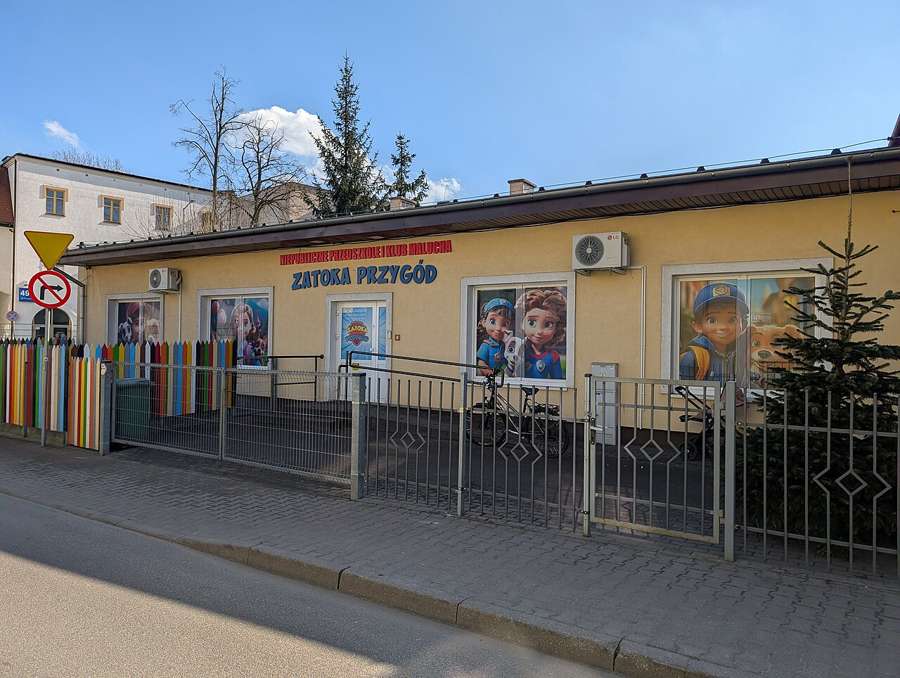
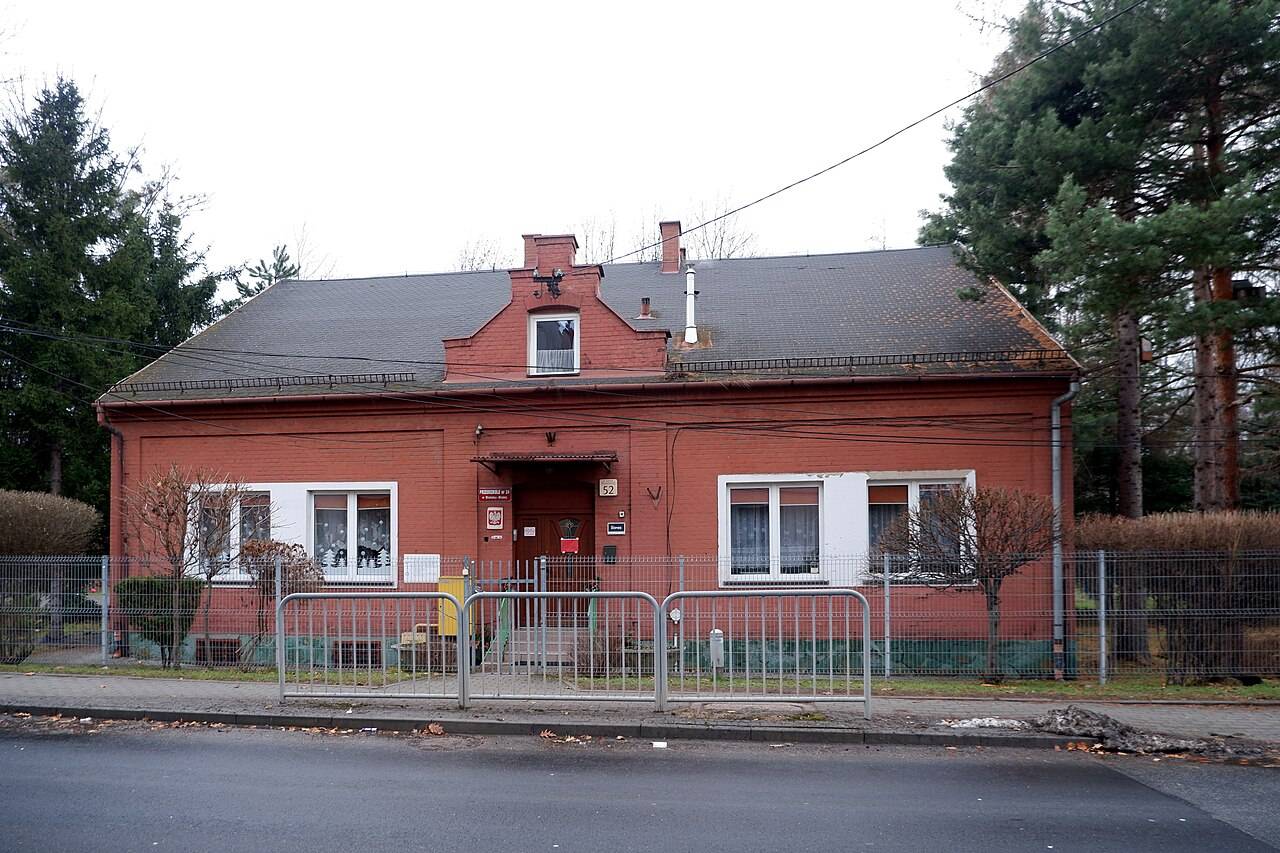
* Photos: Bay of Adventures kindergarten in Brodnica by Андрей Романенко and Przedszkole nr 24, Bielsko-Biała by Kamil Czaiński (both CC BY-SA 4.0, Wikimedia Commons).