Mushroom picking in Poland: free Sanepid check, death cap, who to call
Short answer: In Poland you can have mushrooms checked for free by a mycologist at the local Sanepid station. After eating mushrooms and feeling ill, GIS says to call a doctor or 999 or 112 at once, and anyone who shared the meal should be seen.
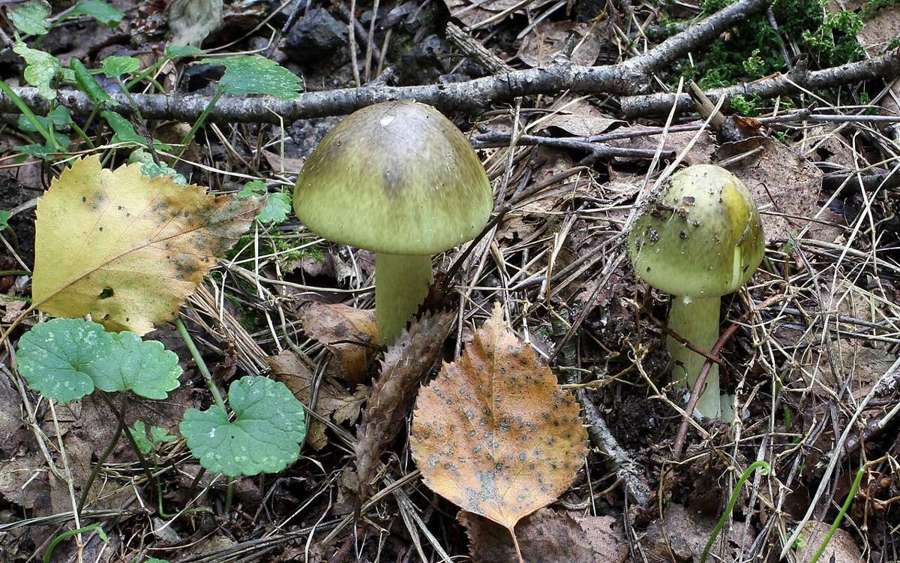
Mushroom picking is a national habit in Poland, and the autumn forests are full of people with baskets. It is also a regular cause of poisonings. The Chief Sanitary Inspectorate (GIS) repeats the same advice every year: pick only mushrooms you know, and if you are not sure, have them checked for free at the local sanitary station. This page summarises GIS and local sanitary station pages dated 2023 to 2025, read on 19 October 2026. It is not medical advice.
Free expert check at the sanitary station
GIS says that in case of doubt you can take your mushrooms to the nearest sanitary-epidemiological station (the Sanepid station), where a mycologist (grzyboznawca) or a mushroom classifier (klasyfikator grzybów) is on duty. The assessment is free. A mycologist is qualified to assess fresh and dried mushrooms, a classifier only fresh ones. The qualification is granted after a specialist course and an exam by an administrative decision of the Greater Poland State Sanitary Inspector, according to GIS (page of 25 August 2025). Duty hours differ by station, so check your local station's page or phone before you go. Many stations also run an autumn mushroom exhibition, which GIS suggests as a way to learn the species growing in Polish forests.
Why identification goes wrong
GIS says the most common cause of poisoning is a mistake in identifying the species, or wrong preparation of the dish. The most dangerous poisonings come from the death cap (muchomor sromotnikowy), which is mistaken for edible species such as the parasol mushroom (czubajka kania) and the green gąska (gąska zielona). Another sanitary station page, dated 5 September 2025, lists common mix-ups: the false chanterelle with the chanterelle, the bitter bolete with the porcini, the spotted amanita (muchomor plamisty) with the parasol mushroom, and the death cap with the green gąska. In 2024 GIS cited a case in which a child poisoned by a death cap needed intensive care and a liver transplant.
Safer picking, according to GIS
- Pick only mushrooms you know with absolute certainty.
- If you are a beginner, stay with boletes that have a net-like (pored) underside, not gills.
- Avoid very small specimens whose features are not yet visible.
- Use a ventilated basket, not a plastic bag or bucket, because mushrooms spoil quickly in plastic.
- Use an atlas, and treat phone identification apps as a help only. GIS says they do not replace an expert.
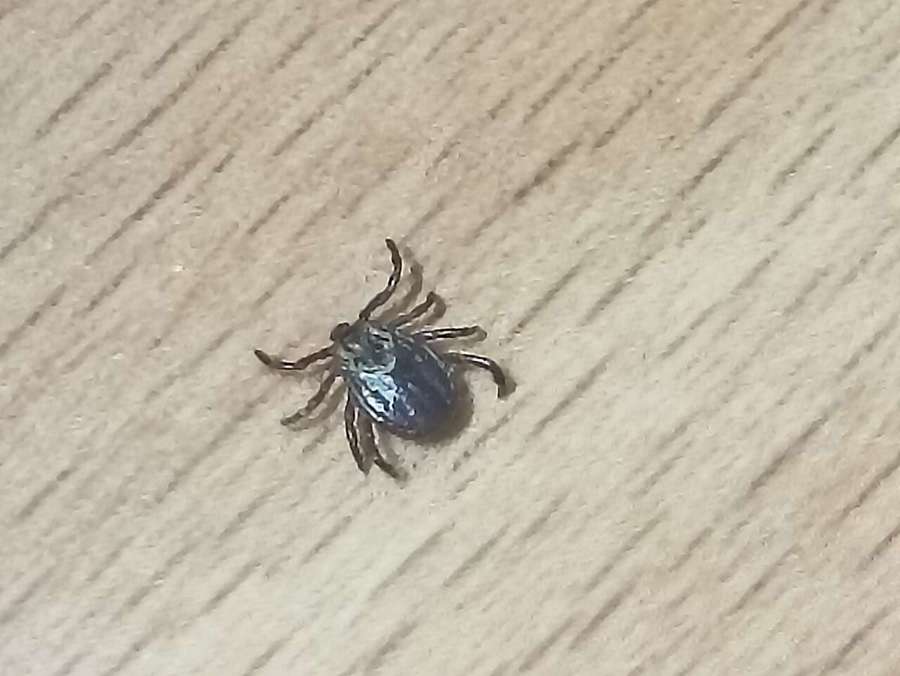
- Dress for the forest: long trousers, sturdy boots and a hat, and use a repellent against mosquitoes and ticks.
GIS also says that children, pregnant and breastfeeding women, older people and people with digestive problems should avoid mushrooms.
Symptoms and what to do
Symptoms can start a few hours after eating, but sometimes only after 24 hours. The typical early signs are nausea, vomiting, abdominal pain, headache and fever, which can look like a stomach infection. The sanitary station page warns that after a day or two of mild symptoms the person may seem to recover for a while, even though the toxins have already reached the liver. Signs of liver and kidney damage include jaundice, dark urine and bleeding.
GIS says to contact a doctor immediately or call the emergency number, 999 or 112. Everyone who ate the same meal should see a doctor even if they have no symptoms. The pages say vomiting can be induced and that milk and alcohol should not be given, because they speed up the absorption of toxins. The first step is still medical help, and a doctor or the emergency operator can tell you what to do in your case.
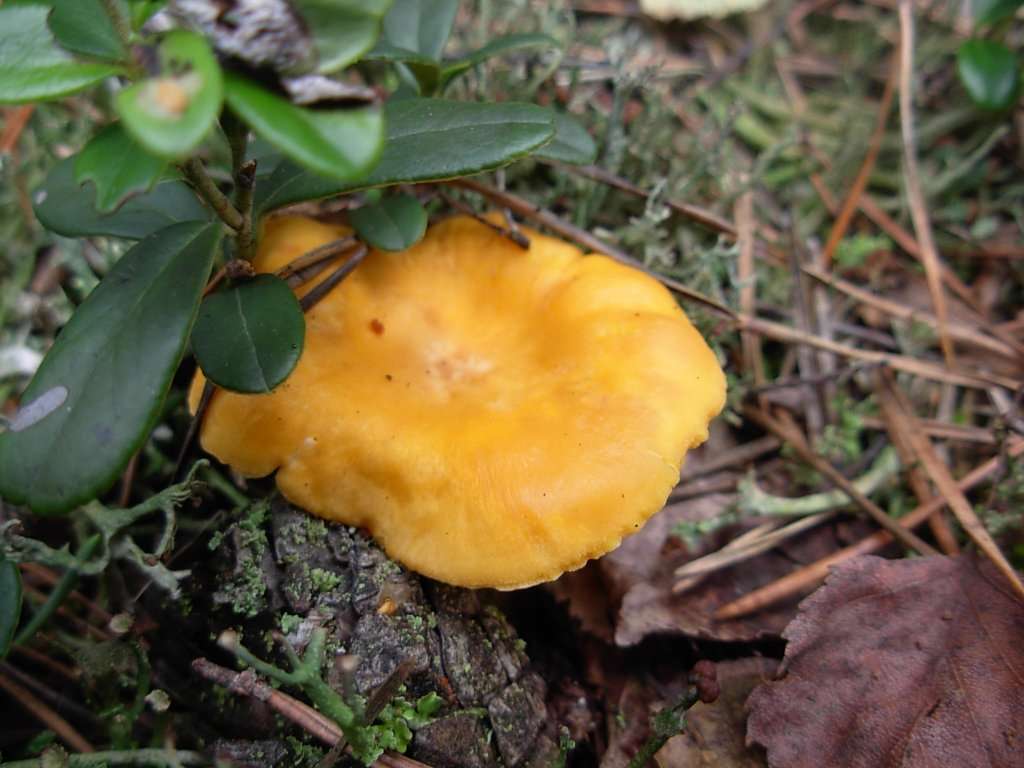
* Photos: cover, death cap mushrooms (public domain), and body, a chanterelle in Puszcza Bydgoska (CC0), both via Wikimedia Commons. Looking like these photos is not a safe way to identify a mushroom.
What this page does not cover
This page does not cover where you may pick mushrooms, such as national parks and protected areas, the limits on selling wild mushrooms, or the hunting season in the forests. The separate note on hunting season covers the last point. We also did not find a list of which stations have duty hours at the moment.
Frequently asked questions
Can I get my mushrooms checked for free in Poland?
Yes. GIS says the nearest Sanepid station has a mycologist or classifier on duty and that the assessment is free. Check your local station's duty hours first.
What should I do after eating mushrooms and feeling ill?
GIS says to contact a doctor immediately or call 999 or 112, and that everyone who ate the same meal should see a doctor too, even without symptoms. Symptoms can be delayed by up to 24 hours.
Can I identify mushrooms with a phone app?
GIS says apps can help but do not replace an expert. If you are unsure, take the mushrooms to a Sanepid station.