Official Letter in Polish You Don't Understand? What to Do
The essentials: Collect every registered letter - after 14 days uncollected mail counts as legally delivered (KPA art. 44). Identify the sender and document type, translate it, and note the deadline: appeals run 14 days from delivery (art. 129). Set up e-Doręczenia to receive office letters online instead.
A cream envelope with an official stamp, dense Polish legalese, a date in the header - and no idea what it says. Every expat in Poland meets this letter eventually: from the tax office, ZUS, the city hall, a court, or the immigration office. The dangerous response is the drawer. Polish administrative law has a delivery mechanism that makes ignoring official mail genuinely costly, and a response system that is kinder than it looks once you know the steps. Here is both, under the Administrative Procedure Code (KPA) in force as of October 2026.
Step one: never let it become "delivered" by default
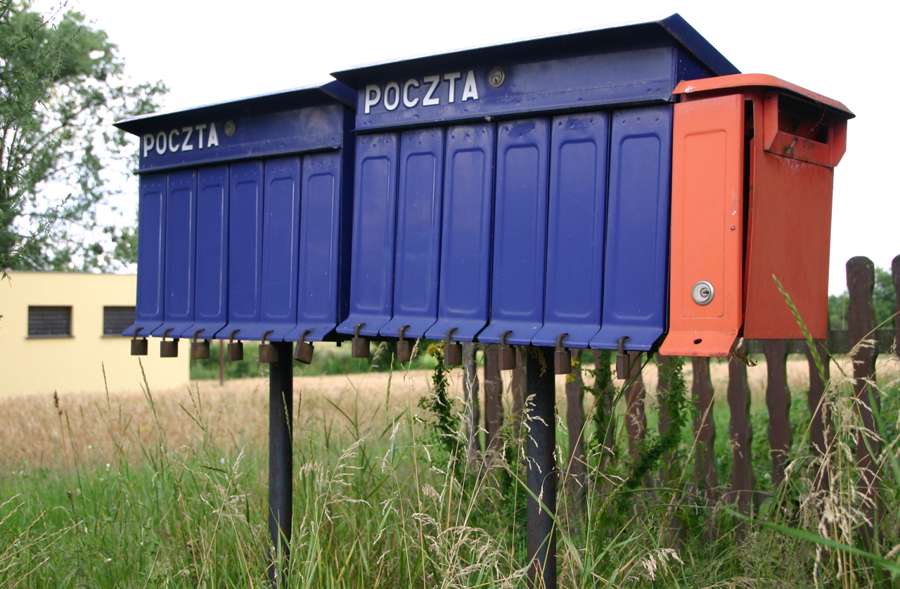
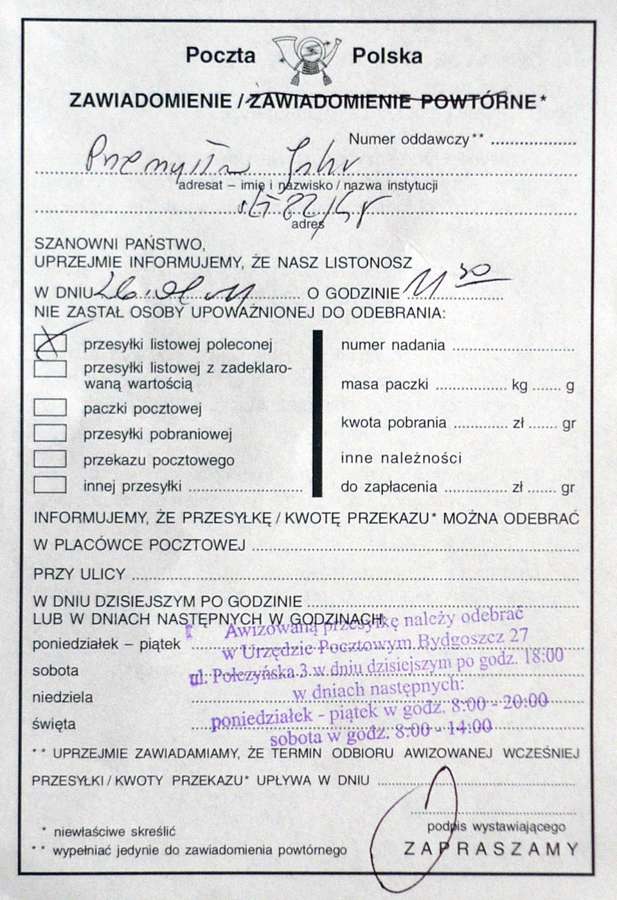
This is the rule that burns newcomers. When a registered official letter cannot be handed to you, the postal operator holds it for 14 days and leaves a collection notice (awizo) in your mailbox; a second notice follows. If you never collect it, the KPA deems the letter delivered anyway when that period ends (art. 44 § 4). The deadline clock inside the letter - an appeal window, a payment demand, a summons - starts running whether or not you ever read a word.
So the first habit: collect every awizo, every time. A letter you do not understand is a solvable problem; a letter deemed delivered and ignored can become an enforceable decision. Two travel notes: a two-week holiday spans the entire collection window, so have someone check your mailbox when you are away; and if you collect after the deemed-delivery date, the clock may already have run - collect late rather than never, and check the dates immediately.
*Data source: Kodeks postępowania administracyjnego, Dz.U. 2025 poz. 1691, art. 44 (eli.gov.pl), accessed October 21, 2026.*
Step two: identify who sent it and what kind of letter it is
You do not need full translation to triage. The letterhead names the institution - urząd skarbowy (tax office), ZUS (social insurance), urząd miasta (city hall), sąd (court), urząd wojewódzki (voivodeship/immigration office). The first page's bolded word usually names the document type: decyzja (a decision - appealable), wezwanie (a summons or call to act), zawiadomienie (a notice), postanowienie (a procedural order), upomnienie (a payment reminder). The word and the sender together tell you the weight: a decyzja from the tax office is serious and has a clock; a zawiadomienie from ZUS is often informational.
*Data source: document types per the KPA framework, Dz.U. 2025 poz. 1691, as above.*
Step three: translate it properly, fast
Camera translation handles the gist in minutes - photograph each page. For anything labeled decyzja or wezwanie, go further: a human read matters, because deadlines and obligations hide in subordinate clauses. The realistic ladder is: bilingual friend, then an ordinary translator (a page of a letter is a small, quick, inexpensive job), then a lawyer if money or status is at stake. One useful distinction: for understanding a letter, any translator works; for documents you must submit to an office, a sworn translator (tłumacz przysięgły) is the formal standard - but you rarely need that merely to reply to a routine letter. What you are extracting is only four things: what they say, what they want, by when, and what happens if you do nothing. Write those four in English on the envelope.
*Data source: editorial guidance; deadline framework per KPA art. 129, as below.*
Step four: mind the clock - 14 days is the standard
If the letter is a decision (decyzja), the standard appeal deadline in administrative proceedings is 14 days from delivery (KPA art. 129 § 2), filed through the office that issued the decision - and filing on time generally suspends the decision's execution (art. 130). Specific laws set different deadlines for specific matters, and the letter itself must state the deadline and route (look for the pouczenie - the instruction section, usually the last page). Miss the window and the decision typically becomes final; "I don't speak Polish" is not a recognized reason for missing it. The pouczenie is the one paragraph worth paying a translator for.
*Data source: KPA, Dz.U. 2025 poz. 1691, art. 129-130 (eli.gov.pl), accessed October 21, 2026.*
Step five: respond through the right channel
Replies to Polish offices work on paper (registered mail to the office's address, keep the receipt) or electronically. Electronic replies use a qualified, trusted or personal signature - the trusted profile (profil zaufany) covers most cases and is free to set up through your Polish bank. One language reality to plan around: Polish offices conduct matters in Polish, so your written response should be in Polish too - a short, translated response drafted with help beats a fluent English letter that cannot enter the file smoothly.
*Data source: KPA, Dz.U. 2025 poz. 1691, art. 14 § 1a (eli.gov.pl), accessed October 21, 2026.*
When in doubt, ask the office itself
Every Polish office runs an information line (infolinia) and a front desk, and a surprising amount resolves in one call: confirm the letter is genuine (scam "office letters" exist - verify the sender through the office's official number, never a number printed on a suspicious letter), ask what the letter requires, and whether an English-speaking clerk is available. Bring the letter and your passport or residence card to any visit; your case number (numer sprawy, top of the letter) is the key that opens every conversation. Polish offices are used to foreigners - the system is formal, not hostile.
*Data source: editorial guidance; procedural framework per the KPA as cited.*
The upgrade: e-Doręczenia ends the awizo game
Poland now runs a state electronic-delivery system, e-Doręczenia - the legal equivalent of registered mail with delivery confirmation, delivered to an online mailbox instead of your door. Public bodies have been obliged to use it since January 1, 2025; companies registered in KRS or CEIDG are obliged to have an address on a phased schedule; for individuals it is voluntary - and genuinely useful: office letters arrive online, no awizo, no post-office queue, readable the day they land (and translatable at leisure). If you settle in Poland, especially with any official matters in flight, setting up the free mailbox converts the scariest channel into the most convenient one. Activation runs on the same trusted-profile login as the rest of Polish e-government, so it is a ten-minute job once your profile exists - and delivery in this system works just as formally as paper, with the same legal effect, so an online letter deserves the same fast triage.
*Data source: gov.pl/web/edoreczenia, service description and obligation schedule, accessed October 21, 2026.*
The letters expats actually get, decoded
Tax office (US): arrears calls, questions about your PIT, refund decisions - always deadline-bearing, always answer. ZUS: contribution notices for the self-employed, insurance-status letters - check whether action is needed or it is a record. City hall: zameldowanie matters, local fees, dog registration. Voivodeship office: your residence case - requests for missing documents with short deadlines; never let one sit. Courts: payment orders (nakaz zapłaty) - these have strict objection windows and are the least ignorable letters of all.
The common thread: the sender's name plus the document type predicts everything. Keep a mental hierarchy - court and tax-office letters at the top, immigration-office requests next, informational notices last - and let it decide how fast you move, not your level of Polish.
*Data source: document types per the KPA framework as above; letter-type frequency is editorial experience.*
Frequently asked questions
What happens if I don't collect a registered letter from a Polish office?
The postal operator holds it for 14 days with notices to your mailbox; after that the law treats it as delivered, and the deadlines inside it count down from that moment - whether or not you ever opened it. Source: KPA, Dz.U. 2025 poz. 1691, art. 44, eli.gov.pl, accessed October 21, 2026.
How long do I have to appeal an official decision in Poland?
The standard administrative appeal window is 14 days from delivery, filed through the office that issued the decision; filing on time generally suspends execution. The decision's own instruction section (pouczenie) states the exact deadline for your case. Source: KPA, art. 129-130, eli.gov.pl, accessed October 21, 2026.
Can I answer a Polish office in English?
Offices work in Polish, so replies should be in Polish - a brief translated letter with your case number is the practical route. Camera translation is fine for understanding incoming mail; get human help for anything deadline-bearing. Source: procedural framework per the KPA, as above.
Is there a way to get official letters online instead?
Yes - e-Doręczenia, the state's electronic registered-mail equivalent. It is mandatory for public bodies and companies, voluntary for individuals, and delivers office letters to an online mailbox. Source: gov.pl/web/edoreczenia, accessed October 21, 2026. * Photos: rural mailboxes by Ralf Lotys (Sicherlich), CC BY 3.0; a Poczta Polska collection notice by Przemysław Jahr, public domain, both via Wikimedia Commons*