Olives and Capers in Poland: Formats, Fillings and Weights
The essentials: Choose the exact olive format and filling, distinguish caper buds from caperberries and keep net and drained quantities separate. Product names and ingredient statements matter more than colour or a serving photo.
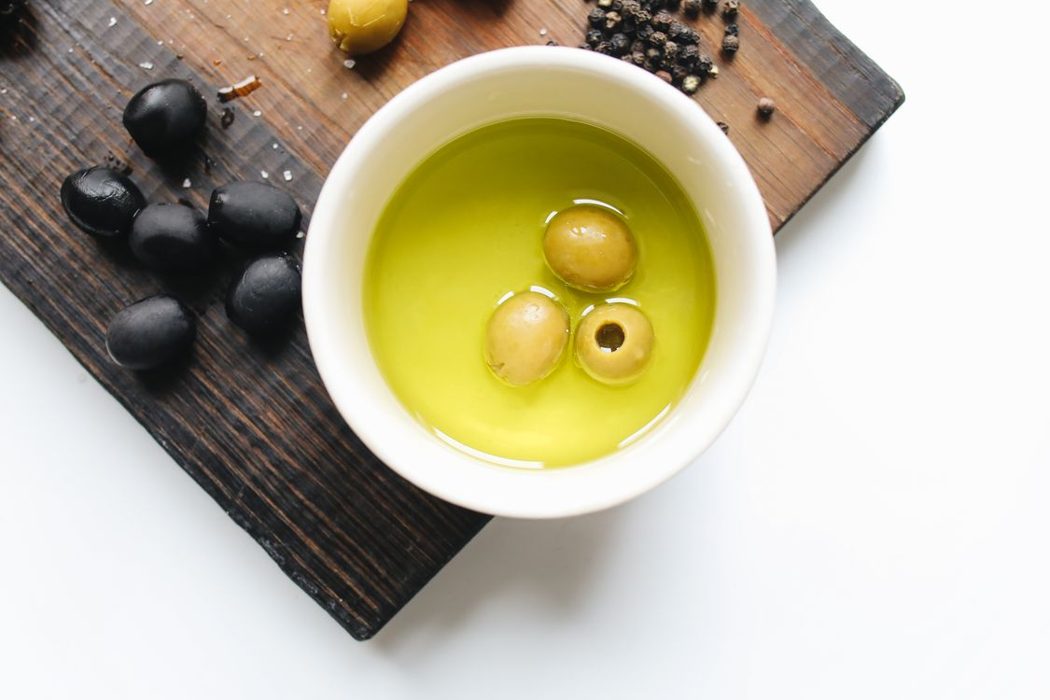
Cover: Polina Tankilevitch, source photograph, Pexels License. Resized and JPEG-compressed. Olives in a small bowl and on a board. Illustrative olive context, not a cited product, variety, packing oil or preparation process.
A Polish olive and caper shelf asks you to choose more than green or black. You may want pitted olives, a stuffed product, sliced olives for a dish, small caper buds or larger caperberries. The packing liquid, filling and stated drained quantity are part of that decision. A jar's headline weight or a serving photograph does not answer every question about what will go into your recipe.
Develey's Polish product pages, Prymat's Smak caper page and Delduca's distributor page for Citres caperberries provide concrete examples. This guide compares their written product identities and formulations. It is not an olive-oil guide, a fermentation explanation or a set of universal handling rules. Keep the exact current pack in view when a recipe depends on the format, filling or amount after draining.
Drylowane identifies the selected pitted format
Develey's Oliwki zielone drylowane Manzanilla 230 g describes pitted green Manzanilla olives in brine. Its ingredient list names water, green olives, sea salt, citric and lactic acids as acidity regulators, and ascorbic acid as an antioxidant. These are the stated contents of the cited item, not a claim that every green olive jar uses the same packing formulation.
Drylowane is a useful word to keep when your recipe expects pitted olives. It is not a guarantee established by this guide that no fragment can occur: the product page itself warns that olive stones or fragments may be present. Retain the producer's qualification rather than turning the format name into a safety assurance or assuming a photograph proves every olive is free of a stone.
The variety name Manzanilla belongs to this named product description. It should not be inferred for a different bowl of small green olives or attached to a shop substitute whose list gives no variety. A familiar colour and shape can be helpful recognition cues, but the written identity remains the evidence for the exact product you intend to buy.
Net contents and drained contents give different answers
The Manzanilla page explicitly states net weight 230 g and net weight after draining 110 g. Those are two separate quantities supplied by the producer. If your recipe needs drained olives, the latter is the useful stated reference. Do not assume the front-of-jar figure is all olive flesh, or use another jar's drained ratio to fill a missing figure in an online description.
The distinction also matters when comparing pack sizes. A larger jar can contain more packing liquid as well as more olives, and the useful amount for a dish depends on the selected product's stated contents. This article does not calculate an edible-flesh weight from the drained number or deduct an imagined amount for stones. It keeps the actual quantities the source provides.
Nutrition tables on these cited olive pages are described on a drained-product basis. That is a different question from the complete jar's weight and not a reason to invent a health ranking. Keep the basis of a table with its figures if you consult it. For the cooking decision here, the relevant point is to compare like quantities rather than let a large headline number hide the liquid.
A paprika filling is its own formulated ingredient
Develey's green olives filled with paprika paste 230 g gives a stated net weight after draining of 142 g. That differs from the pitted Manzanilla example even though both have a 230 g headline. The two producer-stated figures show why one jar's drained quantity should not be transferred to another product solely because the outer weight matches.
The stuffed product lists green olives, water and paprika paste 20%, followed by sea salt, acidity regulators and an antioxidant. The paste itself has a parenthesised list: water, paprika, paprika powder, calcium chloride, sodium alginate and guar gum as stabilisers, and potassium sorbate as a preservative. This is a formulated filling, not a simple statement that one fifth of the jar is fresh pepper alone.
Keep the 20% figure attached to the paste described in the source. The guide does not convert it into a fresh-pepper percentage or infer the filling's composition from its red colour. If the recipe asks specifically for stuffed olives, retain the filling name; a pitted olive without it is another product, even if you might deliberately choose it for a different dish.
Black pitted olives: read the named product
Develey's Oliwki czarne Gordal królewskie drylowane 910 g describes a large pitted black olive product. The page states net weight 910 g and drained net weight 450 g. Its ingredient list names black olives, water, sea salt 2.3% and ferrous gluconate as a stabiliser. These are product-specific facts, not a complete explanation of every process used to make black olives.
The guide does not infer natural ripeness, a curing method or an identical variety for another dark olive from its colour. It uses Gordal because that is how this named product is described. If a particular variety or process matters to the dish you want, confirm the selected pack rather than importing details from an unrelated olive-oil article or a generic serving photo.
The presence of a named stabiliser also belongs to the actual ingredient list. It is not turned into a health judgement here. The practical comparison is that this is a particular pitted black product in a larger pack with its own drained quantity, rather than a colour variant whose formula and useful amount can be assumed to match the green examples.
Cięte points to a different ready-cut format
Develey Food Service's Excelencia black sliced olives 3 kg page states net weight 3000 g and drained net weight 1560 g. Its ingredients are olives, water, salt and ferrous gluconate as a stabiliser. This is an explicitly catering-size sliced product, not the same pack as the 910 g pitted example and not evidence for the contents of every sliced olive jar.
If you want ready-cut pieces for a recipe, cięte is worth retaining alongside the product name. Pitted and sliced answer different questions about the format you receive. Do not assume a pitted olive is already cut to the form your dish expects. Equally, a slice shown in a dish photograph does not prove that the product was sold sliced rather than cut during preparation.
The catering page says to refrigerate after opening and use within seven days. That instruction stays attached to this named product. The guide does not turn it into a storage period for the green jars, black Gordal pack, caper buds or caperberries. A larger purchase should still be chosen with the selected pack's own handling information in mind.
Kapary are the small buds in the cited Smak product
Prymat's Kapary Smak 100 g page identifies small flower buds preserved in wine vinegar. Its ingredient statement lists capers, water, wine vinegar and salt. The producer suggests uses including salads, pasta, sauces, fish, eggs and pizza. Those are culinary use ideas for the named product, not an instruction that every dish needs the same number of spoonfuls.
The 100 g figure on the cited page identifies the jar size. It does not supply a separately stated drained mass in the fetched product text, so this guide does not invent one. If a recipe requires a precise drained quantity, inspect the current jar or a complete current label. Do not borrow the olive products' ratios or a caperberry jar's figure for these smaller buds.
The producer describes a salty, acidic and slightly spicy flavour. That is useful positioning, not a laboratory measurement or a health claim. The guide does not repeat the page's wider nutritional promotions or treat its suggested pairings as rules banning other combinations. Use the product description to identify the ingredient, then follow the recipe you actually intend to make.
Owoce kaparowca are a separate larger product
Delduca's distributor page for Citres Frutti del Cappero describes caperberries, also called cucuncio, cocuncio or capperone. It distinguishes the fruits from traditional capers, which are buds of the same plant, and describes a fleshy, crunchy texture with small internal seeds. Those details explain why the product is not simply another jar size of the small buds discussed above.
The listed ingredients are caper fruits, water, wine vinegar and salt; the vinegar's own description includes wine and water and notes sulphites. The distributor states a 290 g net weight and 130 g after draining. Keep those figures attached to this Citres product rather than using them as a generic caperberry yield or as a ratio for the Smak buds.
The page suggests aperitivo, pizza and other dishes. That is a useful route when you want the larger fruit as part of a serving rather than finely scattering small buds through a sauce. This guide does not promise a universal caper-to-caperberry substitution, equal intensity by weight or an identical texture in a recipe that specified the smaller ingredient.
Keep the complete buying decision together
For pitted green Manzanilla, save the exact named product and its stated drained quantity. For paprika-stuffed olives, retain the filling and its compound ingredient description. For large black pitted olives or a sliced catering format, keep the separate pack identity. For capers, distinguish the small buds from the larger fruits and use only the quantities actually stated for that jar.
A short shopping note can carry all the important information without turning into a general preservation guide: brand, full product name, whole or pitted or sliced format, filling if present, and net and drained quantities where given. Check current handling and any dietary requirements on the actual pack. This comparison gives no allergy-safety assurance and infers no formulation, species or manufacturing process from colour or photographs.
Frequently asked questions
Do two 230 g olive jars necessarily have the same drained quantity?
No. The cited Develey pages state 110 g for pitted Manzanilla and 142 g for the paprika-paste-stuffed product.
Does paprika paste 20% mean fresh pepper 20%?
The cited filling is a compound paste with its own ingredient list. This guide does not convert it into a fresh-pepper percentage.
Are caperberries simply a bigger packet of caper buds?
The cited Citres distributor page distinguishes the fruits from traditional caper buds and gives a separate product formulation and quantity.