Packaged Cheese in Poland: Slices, Grated and Processed Products
The essentials: Read both the identity and the cut. Gouda slices, grated Gouda, processed Gouda slices and coconut-oil-based products with a named cheese flavour have different actual statements; plastry or tarty alone does not settle the formula.
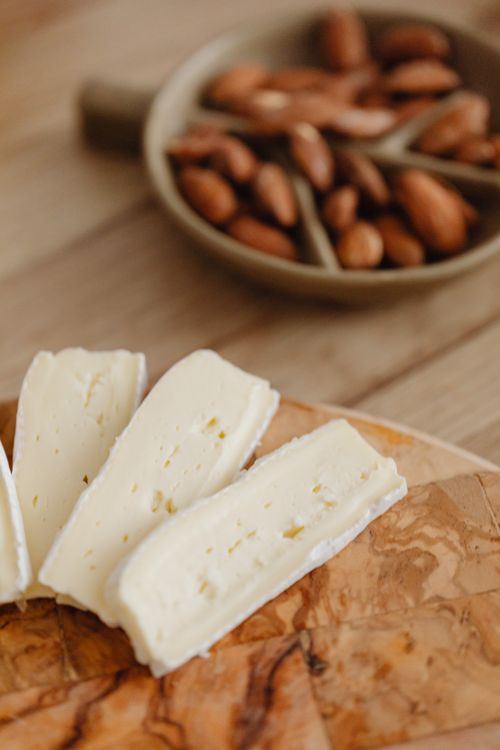
Cover: Kaboompics.com, source photograph, Pexels License. Resized and JPEG-compressed. Slices of cheese on a wooden board. Illustrative sliced-cheese context, not a cited product or verified dairy or cheese-style formulation.
A packet of cheese slices, a bag of grated cheese and slices with a named cheese flavour can look like similar solutions for a sandwich or hot dish. In Poland, however, the full product name and ingredient statement can identify quite different starting ingredients. Plastry means slices and tarty means grated; neither word, by itself, establishes the recipe inside the pack.
This guide compares actual Mlekovita and Violife product pages. It separates a named dairy cheese, a processed-cheese formulation and coconut-oil-based products with named cheese flavours. It does not cover fresh curd cheese, protected-name rules, rind safety or health rankings, and it does not claim to have tested how any product melts. Manufacturer serving ideas remain suggestions, not firsthand results.
Ser Gouda plastry identifies a specific sliced dairy product
Mlekovita's Ser Gouda plastry page identifies a 150 g pack. Its ingredients are milk, salt, calcium chloride as a stabiliser and bacterial cultures. This is an actual producer ingredient statement for the named sliced product, not a universal recipe for every Gouda packet or every item sold as yellow cheese. Keep the brand and full name with the format.
The pack's 150 g net contents do not tell you how many slices are inside unless the selected product supplies that information separately. This guide does not invent a slice count or average slice weight from a serving photograph. If a recipe or packed-lunch plan depends on count, check the actual pack rather than transferring a count from a different sliced product in the same range.
The useful shopping distinction is between the actual dairy cheese and its cut. Slices are a convenient form for a particular meal, not evidence that the product is processed cheese. Conversely, a round or square slice shape does not prove it is ordinary sliced Gouda. The full name and the detailed list carry the identity that the image cannot establish.
A Gouda piece is another form with its own pack statement
Mlekovita's Ser Gouda 350 g page expressly calls the product a matured Gouda cheese. It lists milk, salt, calcium chloride and bacterial cultures, matching the ingredient wording of the cited 150 g slices. That comparison is supported for these two actual products. It does not establish that every piece and every pre-sliced Gouda on the market has identical ingredients.
A piece can be the intended form if your recipe asks you to cut or grate the cheese yourself. That is a physical preparation choice, not a nutritional or quality judgment supplied by this guide. The producer's 350 g pack and the separately listed 150 g sliced pack also have different quantities; keep those figures rather than assuming that a shared cheese name makes them equal purchases.
This guide does not calculate a price-per-slice advantage or tell you how many sandwiches either packet must produce. The relevant questions are what form you want to handle and how much the selected pack contains. Use the actual seller's current price and the recipe's quantity if you later want a cost comparison, instead of treating pack size as a price claim.
Tarty describes a cut but does not fill missing ingredients
The Mlekovita Ser tarty Gouda page identifies a 1 kg grated Gouda product. The captured page provides the name and pack information but not a complete ingredient declaration. This guide therefore does not copy the sliced Gouda list into the grated product or declare that it contains, or does not contain, an anti-caking ingredient. The evidence does not settle that detail.
The 1 kg figure is the stated unit pack, while the page's larger shipping quantity refers to a collection of packs. Those are different levels of packaging. A food-service-sized bag can be a useful example of the grated format without becoming a claim that it is the best household choice or that every supermarket stocks that exact item.
If you need pre-grated cheese, retain tarty with the cheese name and check the current packet's complete ingredients before relying on a particular formula. The word grated answers how the product is presented. It does not answer every question about formulation, portion count or performance in the dish. The guide keeps that gap explicit instead of filling it from a visually similar product.
Ser topiony Gouda is a different actual formulation
Mlekovita's Ser topiony Gouda w plastrach page identifies a 130 g pack with eight individually wrapped slices. Its ingredient list names cheese, water, Gouda cheese 15%, butter, skimmed milk powder, milk proteins, emulsifying salts E452 and E339, salt, cheese flavouring containing milk and annatto as a colouring. This is a formulated processed-cheese example, not simply the earlier Gouda sliced into smaller pieces.
The 15% figure belongs to the specifically named Gouda component. The list also starts with a separate cheese entry, so this guide does not describe the product as only 15% cheese in total. Nor does it calculate a missing total cheese share by guessing the amount of that first component. Preserve the structure of the actual list rather than compressing it into a misleading headline.
The individually wrapped format is another practical difference from the plain sliced Gouda page. The eight-piece count is supplied for this 130 g processed-cheese pack and should stay with it. It is not a count for the 150 g Gouda slices or a promise about every topiony product. A useful shopping note includes both topiony and the particular flavour name.
The processing word matters more than the serving picture
Both ordinary slices and processed-cheese slices can be shown in sandwiches, burgers or baked dishes. A shared suggested use does not make their ingredient lists identical. If a recipe specifically calls for processed cheese, keep that word in the note instead of purchasing any Gouda slices and assuming the only difference is the packet's design or slice shape.
The Mlekovita processed-slice page gives storage between plus two and plus ten degrees Celsius. That is the selected source's product instruction. This guide does not transfer it to every cheese packet or invent an opened-pack use period. Check the actual current label, especially when deciding how to keep a particular opened product rather than relying on a generic dairy rule.
The producer suggests sandwiches, snacks and hot-dish roles, but those descriptions do not establish a universal melting temperature or a guaranteed stretch. This guide supplies no kitchen-performance ranking. You can distinguish the products and select the one a recipe asks for without claiming an untested result in an oven, pan or microwave.
O smaku Cheddara identifies a flavour in a different base
Violife's Polish Plastry o smaku Cheddara page describes a coconut-oil-based product. Its ingredient list gives water, coconut oil 23%, modified starch, starch, sea salt, Cheddar flavouring, olive extract, colouring from paprika extract and beta-carotene, and vitamin B12. Those are the producer's stated ingredients for this named sliced product, not a dairy Gouda formula with a different flavour word.
The o smaku wording is useful to retain: it means the product has the named flavour. The list here identifies the coconut-oil base rather than listing Cheddar cheese as the ingredient that the name might lead a hurried shopper to assume. This guide treats it as a distinct cheese-style alternative, not as a different cut of the dairy cheese already compared above.
The manufacturer suggests sandwiches, wraps, burgers and grilled-toast uses. Those are possible meal roles. They do not prove that the product behaves identically to dairy cheese in every recipe or supply a tested one-for-one substitution. The guide does not promise dietary suitability for an individual, infer certification beyond the actual pack or turn a suggested use into a cooking guarantee.
The grated alternative has its own actual recipe too
Violife's Tarty o smaku dojrzałego cheddara page lists water, coconut oil 24%, modified starch, starch, sea salt, ground sunflower seeds, mature-Cheddar flavouring, lactic acid as an acidity regulator, olive extract, beta-carotene and vitamin B12. This is a separate producer formulation, not proof that every grated version of a sliced product is made from exactly the same recipe.
The cited slices have a stated coconut-oil share of 23%, while this grated product states 24% and names additional ingredients including ground sunflower seeds and lactic acid. Keep each number and list with its own product. Do not apply the sliced formula to the grated pack merely because the same brand and related flavour appear on both pages.
The producer suggests hot-dish uses, but this guide has not measured melting, stretch, browning or flavour. A grated presentation is a useful format for distributing an ingredient over a dish; it is not proof of an identical final texture to another product. If a recipe specifies a particular cheese or alternative, investigate a change deliberately rather than assuming tarty makes every option interchangeable.
Keep product identity separate from preparation decisions
A cut, a named cheese, a flavour and a processing word answer different questions. Plastry and tarty identify forms; Gouda identifies the named cheese in the dairy examples; topiony identifies the processed product; o smaku Cheddara appears on the coconut-oil-based alternatives. Reading those parts together prevents a broad English shopping note such as cheese slices from erasing the distinction you meant to preserve.
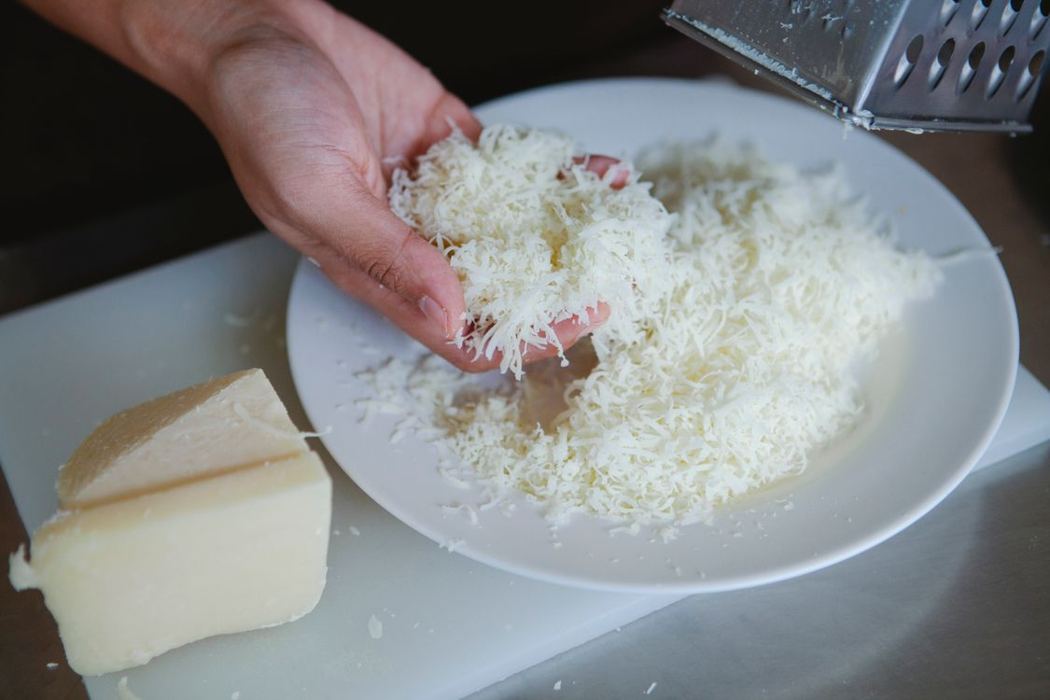
A photograph of grated cheese or a sandwich is illustrative, not a label transcription. It cannot verify the brand, ingredient share, storage instruction or finished performance. Likewise, a resealable-looking packet does not establish a stated opened-use period. Keep the source's actual information and the current label rather than treating the packaging picture as an instruction.
Save the version that fits your meal
For a repeat purchase, record brand, full name, ordinary or processed or named cheese-style identity, sliced or grated form and net contents. Add a slice count only where supplied for that pack. For these examples, the 150 g sliced Gouda, 350 g piece, 1 kg grated Gouda, 130 g processed slices and two Violife formulations are distinct shopping choices.
Check the current packet when the web page leaves an ingredient or handling question unanswered. A deliberate choice does not need an invented melting test, health verdict or universal substitution ratio. It needs the product your intended dish actually requests, with its format and formulation kept intact.
Frequently asked questions
Does Gouda 15% mean the processed slices contain only 15% cheese?
No. The cited list also has a separate cheese entry. This guide does not invent the total cheese share.
Does grated Gouda automatically have the sliced product's ingredients?
No. The captured grated-Gouda page lacks a complete ingredient declaration, so the guide does not borrow one from another pack.
Were melting and stretch tested?
No. Producer serving ideas are identified as suggestions, not firsthand performance tests.