Packaged Seeds in Poland: Hulled, Roasted and Seasoned
The essentials: Keep seed, hull or grain form, named preparation and additions together. Plain hulled seeds, roasted salted pumpkin and chilli-xylitol snacks are distinct purchases. A seed photograph does not establish a current product formula.
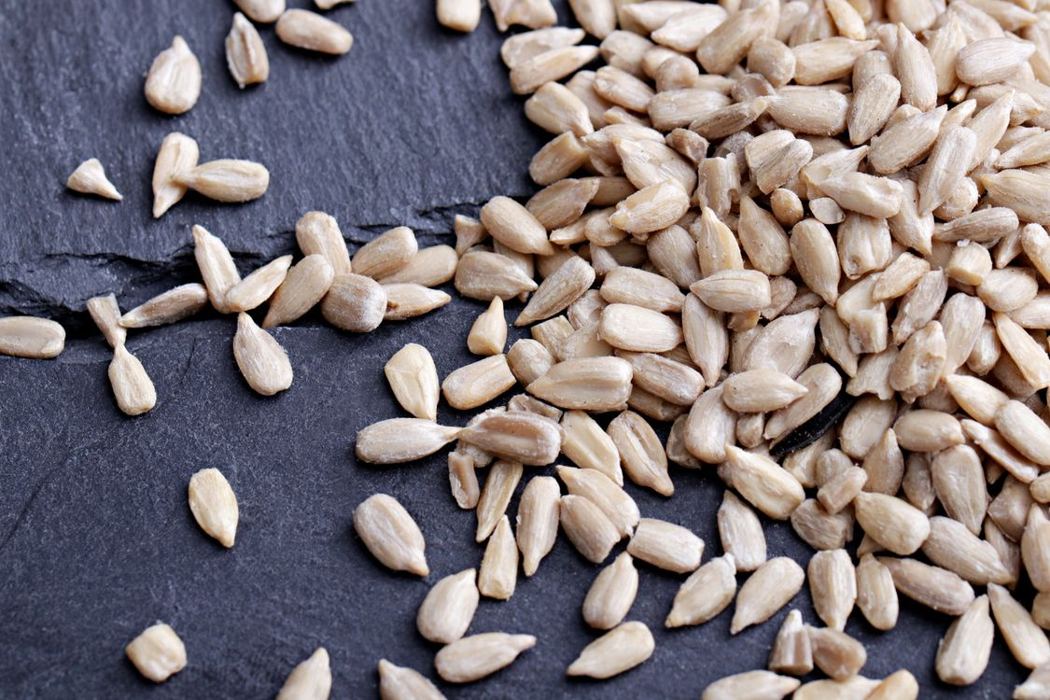
Cover: Marek Kupiec, source photograph, Pexels License. Resized and JPEG-compressed. Sunflower seeds scattered on a dark surface. Illustrative seed-form context, not a cited packet or verified processing or seasoning.
A Polish seed shelf can offer hulled sunflower kernels, sesame, whole golden linseed and pumpkin seeds already roasted with salt or another seasoning. The seed name is only the first part of the purchase. Hull, form, processing words and the actual ingredient list tell you whether you are buying a plain ingredient or a prepared snack formulation.
Named Targroch, Bonus, Brat.pl and Pięć Przemian products make those distinctions concrete. This guide stays with packaged seeds themselves. It does not compare seeded bread, breakfast mixtures, pure pastes or dietary benefits, and it does not supply soaking, grinding or cooking instructions. The photographs illustrate seed forms, not the cited retail packs or a verified roasting process.
Hulled sunflower is a specific product form
Targroch's Pestki słonecznika page describes Słonecznik łuskany and lists hulled sunflower as the ingredient. The producer explains that the seeds are supplied already hulled. Its selectable formats include 100 g, 500 g, 1 kg and 5 kg. Keep the form and the selected size together rather than saving only the word słonecznik.
Łuskany is useful here because a shopping requirement can concern the seed without its hull, not merely the plant it comes from. The cited list gives a plain sunflower ingredient. It does not identify a salted or flavoured snack mixture. If you are trying to repeat this purchase, a packet whose name adds prażony or solony deserves its own ingredient check rather than automatic acceptance.
A single named ingredient still does not establish every processing detail a reader might imagine. This guide does not add a roasting temperature, certify a raw-processing status or infer a production method from pale kernels in a photograph. It keeps the supported hulled form and actual ingredient wording. A recipe that specifies another preparation should retain that distinction in the shopping note.
Hulled pumpkin seeds have their own identity
Bonus's Dynia pestki łuskane page offers 500 g and 1 kg formats and explicitly lists hulled pumpkin seeds 100%. The producer describes the product as without added salt or preservatives. These are statements about the named Bonus product, not claims about every green seed packet or every bag labelled dynia.
Keep pumpkin and hulled together when you want this product form. A photo of green kernels can help you recognise the shelf category, but it cannot verify the brand, complete ingredient list or declared percentage. The useful evidence is the selected item's written description. A photograph is also not a reason to assume that another product has the same size grading or processing history.
The pack quantity answers how much product is offered, not how much belongs in a particular dish. A 500 g bag does not establish a serving size or a universal topping amount. This guide compares purchase identities rather than issuing a recipe. When a recipe asks for plain pumpkin seeds, preserving plain and hulled is more useful than treating every pumpkin snack as an equivalent ingredient.
Roasted and salted pumpkin is a different purchase
Brat.pl's Pestki dyni prażone solone 500 g page lists pumpkin seeds and salt. Prażone and solone are part of this actual product's name: roasted and salted. The producer presents it as a snack and suggests several food uses, but those serving ideas do not make it the same product as the Bonus single-ingredient hulled pumpkin example.
The stated list has two ingredients and does not give separate percentages. This guide does not calculate the seed or salt shares from a nutrition table, and it does not borrow a percentage from another producer's salted seeds. A salt value in nutrition information is not a substitute for an undeclared recipe percentage. Keep each kind of statement on its own basis.
If you want a finished salty snack, those preparation words help identify it. If you want a plain ingredient for a recipe that already makes its own seasoning choices, the added salt is a reason to compare deliberately. There is no universal correction by spoonful here and no claim that the product must fail in another use. The difference is already present in the purchase.
One salted formulation supplies explicit shares
Pięć Przemian's Prażona dynia z solą kłodawską 100 g lists pumpkin seeds 99% and Kłodawa salt 1%. This is a specific roasted-pumpkin preparation with an explicit quantitative list. Keep those percentages attached to this item rather than treating them as the definition of all roasted and salted pumpkin seeds.
It also differs in pack size from the Brat.pl example. A small snack packet and a larger bag may both suit a purchase, but the shared roasted-and-salted description does not establish identical formulation or seasoning strength. The figures identify what the maker declares. They are not a firsthand taste comparison or a guarantee of how salty different people will find it.
The source names the salt as Kłodawa salt. That ingredient wording does not by itself establish where the pumpkin seeds were grown. Avoid collapsing a named seasoning, a producer's location and the seed's origin into one claim. For this comparison, the supported facts are the named product, 100 g format and declared seed-and-salt shares.
Chilli and xylitol make another actual recipe
Pięć Przemian's Prażona dynia z ksylitolem i chili 100 g lists pumpkin seeds 91%, xylitol 6.7%, chilli 0.7% and Kłodawa salt. That is a separately formulated roasted snack, not the earlier 99% pumpkin-and-1% salt recipe with an unspecified dusting of chilli. The full name tells you to expect more than the seed alone.
The source does not give a separate salt percentage in this list. This guide does not fill the gap by subtracting the printed figures and claiming the entire remainder is salt. Nor does 0.7% chilli establish a measured heat scale or a guarantee about personal tolerance. The percentages identify the cited formulation; they do not replace choosing a flavour you want.
Likewise, xylitol is a named ingredient, not a basis here for a dietary or health verdict. Keep it in the description rather than shortening the product to chilli pumpkin seeds and losing the sweetening component. If an ingredient affects your purchase, read the current pack's complete declaration. A red seasoning colour alone would not establish which sweetener or spice the producer used.
Sesame seed is not sesame paste
Targroch's Sezam page lists sesame seeds as the ingredient, with 100 g, 500 g and 1 kg formats. It describes various food uses, but the actual purchase is the seed product. It is not a jar of tahini or a finished sesame confection. That distinction belongs in the shopping note even if all three product types mention sesame prominently.
The captured declaration does not identify a particular hulled status or a roasting process for this sesame example. The guide therefore does not add either. The visible seed colour cannot fill those missing details. If your recipe or preference requires specifically hulled, unhulled or roasted sesame, confirm that property on the selected item rather than borrowing it from the sunflower section.
Keep a whole-seed purchase separate from a paste purchase. This guide does not explain how to grind sesame into tahini or promise a texture if it is substituted into a sauce. It identifies the object being sold. The producer's mention of savoury and sweet uses explains why sesame appears in several shop contexts without making those products interchangeable.
Golden linseed: the named grain form matters
Targroch's Len złoty ziarno page identifies golden linseed in grain form. Its ingredient line names golden flax seed, also described as golden siemię lniane. This is a whole-seed product identity, not a ground meal or an oil. Keep ziarno and złoty when that is the product your list or previous purchase means.
A search for len or siemię lniane can be a starting point, but the selected form still needs checking. The guide does not treat a similarly named ground product as the same purchase or provide a grinding method. Nor does it turn the golden name into a promise about nutritional superiority, medical effects or a particular result in a dish.
This is another case where written product identity does more work than an attractive seed photograph. It tells you which named form to investigate. It does not establish the origin of every batch, a universal size or how much to add to a recipe. Preserve the form that the recipe specifies instead of reducing the request to a broad seed category.
Read processing words and ingredient lists together
Hulled describes a form, roasted describes a preparation and salted describes an addition in these named examples. They answer different questions. One packet can combine several of them, while another producer page may leave one unstated. A plain ingredient list should not be expanded into an unsupported roasting claim, and a roasted name should not erase added ingredients.
A practical comparison has separate fields: seed, hull or grain form where stated, named preparation, added ingredients and pack quantity. The Pięć Przemian salted product has an explicit 99% pumpkin-seed share, while the Brat.pl salted product supplies a seed-and-salt list without percentages. Both statements can be preserved accurately without pretending the missing figures are the same.
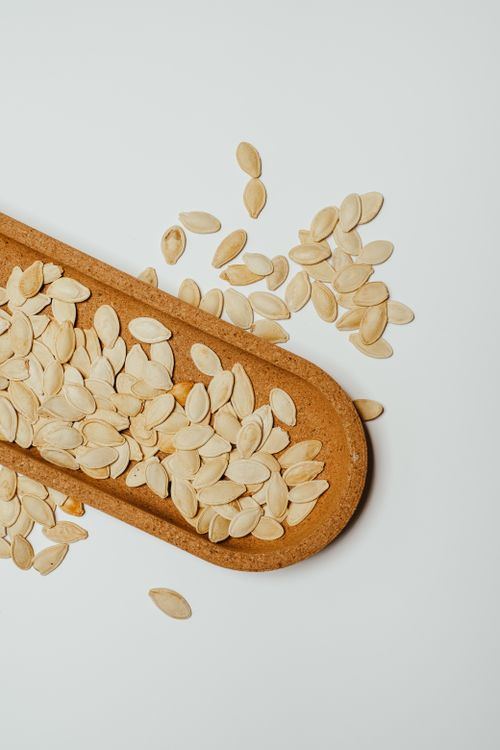
Do not use a stock photo as a substitute label. The sunflower and pumpkin photographs here show the seed context, but cannot confirm a current brand's roasting, seasoning, origin or ingredient shares. Keep the pack's complete information for decisions that depend on those details. A shared colour or shape is a clue for finding the product, not proof of its recipe.
Save the version you actually want
For a repeat order, write hulled sunflower, hulled pumpkin, sesame seed or whole golden linseed with the producer and pack size. If you want a prepared snack, retain roasted, salted or the complete xylitol-and-chilli variant. Those extra words are purchase information, not decorative synonyms that can disappear when the order is shortened.
The result is a clearer choice between a plain seed ingredient and a formulated snack. Compare named products on what their own pages supply, check the current packet where form or list is incomplete, and leave unsupported percentages unstated. That makes the seed shelf easier to use without a health ranking, a homemade method or a claim that every seed product can replace every other one.
Frequently asked questions
Does hulled automatically mean roasted?
No. Form and preparation answer different questions. The guide does not add a roasting claim to a plain hulled list.
Can the chilli product's salt share be calculated by subtraction?
No. The cited list supplies seed, xylitol and chilli shares but no separate salt percentage. The guide leaves it unstated.
Does a named salt establish seed origin?
No. Kłodawa salt identifies a seasoning in the cited formula, not the growing origin of the pumpkin seeds.