Pisz Museum: Winter Weekdays, 15 PLN Tickets and Entrance Stairs
The essentials: Muzeum Ziemi Piskiej at plac Daszyńskiego 7 opens Monday-Friday 08:00-16:00 from September to June, with weekends closed. Normal entry is 15 PLN and reduced entry 7 PLN. Its September 2020 access declaration records three exterior steps up and seven internal steps down, so confirm current access before travelling.
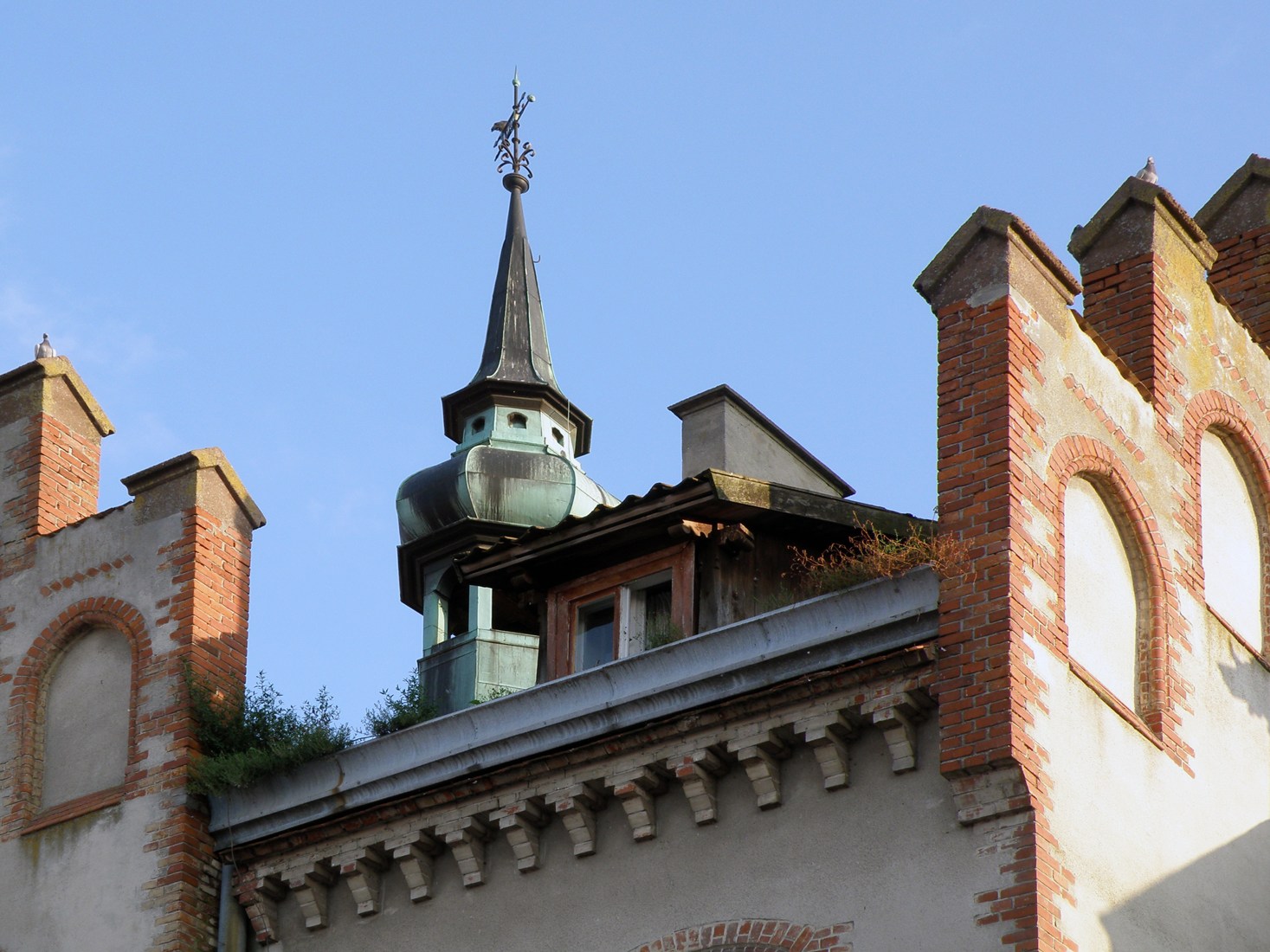
Cover: a detail of the former town hall in Pisz, photographed on 25 August 2012. Archival exterior, not a current entrance or access photograph. Photo: Alina Zienowicz / Wikimedia Commons, CC BY 3.0. Resized and compressed.
A winter museum stop that needs a weekday
Pisz is a place where the museum's timetable can change the shape of a short trip. Muzeum Ziemi Piskiej, in the lower level of the former town hall at plac Daszyńskiego 7, publishes September-June opening hours of Monday-Friday 08:00-16:00. Saturday and Sunday are closed in that seasonal table. A winter weekend in the town therefore does not automatically include a museum visit, even though summer visitors may remember being able to drop in every day.
The museum brings together local history, archaeology, everyday work and the wildlife of Puszcza Piska. That makes it useful for understanding the region beyond the familiar lake-holiday picture. Start with the practical checks, especially the season and entrance stairs, then choose the displays that interest you. The institution's official visitor pages are the basis of this guide, checked on 28 November 2026. Published hours are a regular pattern, not a guarantee against a holiday closure or a one-off change.
Opening hours: September-June is not the summer timetable
The official hours page sets out two clear seasons. From September through June, it lists Monday-Friday 08:00-16:00, with both weekend days closed. July and August have Monday-Friday 09:00-17:00 and Saturday-Sunday 10:00-14:00. June belongs to the first pattern, September also belongs to it, and summer weekends have a shorter visiting window than summer weekdays.
A dated 2 July 2026 announcement supports that summer distinction: the museum and tourist information point opened every day during that holiday season, with weekday hours of 09:00-17:00 and weekends and holidays 10:00-14:00. Do not turn that summer announcement into a year-round Sunday opening claim. Equally, do not read the winter table as proof that a special group visit can never happen outside those hours.
The hours page says organised groups can arrange other times by telephone. That is an arrangement to make before travelling, not permission to arrive after closing. For an ordinary visit, call 87 423 22 64 if the museum is the main reason for your journey, particularly around holidays. No separate last-admission time is stated in the hours table used here, so leave enough time rather than treating 16:00 as an arrival target.
Tickets, reductions and the separate guide charge
The museum tariff, read on the live official page, lists normal admission at 15 PLN per person and reduced admission at 7 PLN. It names pupils, students, pensioners and organised groups for the reduced ticket. A Karta Dużej Rodziny ticket is listed separately at 10 PLN per person. Bring the relevant evidence of entitlement and ask which category applies if more than one might fit; these are separate published categories, not discounts to add together.
The same tariff lists a guide for an organised group at 25 PLN per group. The group-visit page makes the distinction clearer: its museum tour is about an hour, for 5-50 people, with a 25 PLN service charge plus museum tickets at 7 PLN per person. On those published figures, a qualifying group of five would pay 60 PLN for admission and that guide service together. Confirm the actual group and language arrangements before relying on that example.
Payment by cash or card is explicitly listed. The tariff also gives 50 PLN per group for a city visit or guided cruise, but that is not a combined museum-and-boat ticket. The group page treats boat admission as an additional purchase. It also asks for guided-group requests by telephone a week before the planned visit. English guiding is not promised by the pages checked here, so ask about it when arranging a group rather than assuming the English-language description of a destination means an English-speaking guide is available.
Entrance stairs matter more than the building's central address
The museum's BIP accessibility declaration gives unusually specific entrance information. The declaration was prepared on 23 September 2020 and published in October that year. It describes three exterior steps upwards and an internal seven-step staircase down to the museum. It says the historic building prevented adapting that staircase or installing a stair platform. This is dated evidence, not a fresh inspection of the entrance in 2026.
Inside, that declaration describes circulation on one level without thresholds. It also records a designated disabled parking space in the publicly accessible parking area outside, but a visitor toilet not adapted for wheelchair users and no baby-changing table. Guide dogs are permitted according to the declaration. None of those points removes the entrance barrier: level floors after a staircase do not make the whole visit step-free.
If stairs, a wheelchair, a pushchair or toilet access will decide whether the visit works, contact the museum before setting out. Ask whether the entrance route and facilities have changed since the declaration, and explain the help you need. Do not assume staff assistance means safe lifting or a guaranteed alternative entrance. The museum's general website-accessibility statement concerns using its website; it should not be mistaken for evidence that the physical rooms are accessible.
History through people, languages and changing borders
The historical exhibition description divides the room into thematic zones. Religion is one route into the region's past. The museum identifies wooden figures of Christ, Saint Peter and Saint Paul rescued from the cemetery at Ublik, alongside the last surviving matzevah from the Jewish cemetery in Pisz. Religious books, hymnals and prayer books provide evidence of Protestant and Old Believer life.
Other zones turn to the town itself. The museum says visitors can read its 1367 settlement and forest-beekeeping privilege, examine archival photographs and follow maps showing the fortunes of this border region in the first half of the twentieth century. One zone addresses the Masurians, their Protestant traditions and their dialect, which developed from Polish with German borrowings. This is a more useful way into the town's layered identity than treating every old place name as a separate destination.
The exhibition also reaches the post-war period, with residents' keepsakes, signs from offices and institutions that no longer exist, and photographs from the later twentieth century. For a focused visit, follow one theme across those changes: how people worked, how public institutions changed, or how family and religious life appears in surviving objects. You do not have to read every display to get a coherent sense of the place.
Archaeology, fishing and work in the forest
The archaeology page describes finds that connect the town with a much longer history. Among them are aurochs horn cores recovered from the Pisa during bridge construction in 2009, dated by radiocarbon analysis to around 3,750 years old. It also discusses two Prussian warrior cremation graves found during earthworks on Okopowa Street in 1985, attributed to the Roman influence period.
A model of the Pisz castle is based on Niclas de Kemp's plans of 1602. The displays also refer to a lake settlement discovered at Lake Orzysz in the nineteenth century. Treat these as different kinds of evidence: an excavated object, a reconstructed model and the interpretation of a settlement each tell you something different. The museum itself notes that archaeological knowledge of the area is limited and many discoveries were accidental.
In the ethnographic exhibition, the emphasis shifts to ordinary livelihoods: craft, farming, forestry, forest beekeeping and fishing. A short film concerns fishing in Masuria and work involved in catching, processing and maintaining fish stocks. Recorded Masurian stories bring in everyday customs and dialect. For international visitors, ask what language support is available; a multimedia display is not automatically translated.
Wildlife displays, with a useful family warning
The natural-history collection contains prepared birds, mammals, fish and reptiles, with forest animal sounds. The museum highlights white-tailed eagle and lesser spotted eagle specimens, waterbirds and an egg collection representing more than 70 bird species. Mammals include wolves, badgers, wild boar and deer. These are specimens, not live animals or evidence that a particular wild species will be easy to see outside that afternoon.
Some displays involve hunting traditions and animal deaths. The museum describes antlers caught together in barbed wire and explains that many specimens came from animals found dead or killed in collisions and other incidents. Families may want to explain taxidermy before entering. For a simple activity, choose a bird and a mammal, then compare how the displays connect them with water, woodland or fields. The museum can introduce the local landscape without turning a short indoor visit into a wildlife-spotting promise.
Add the river, but keep a cruise a separate plan
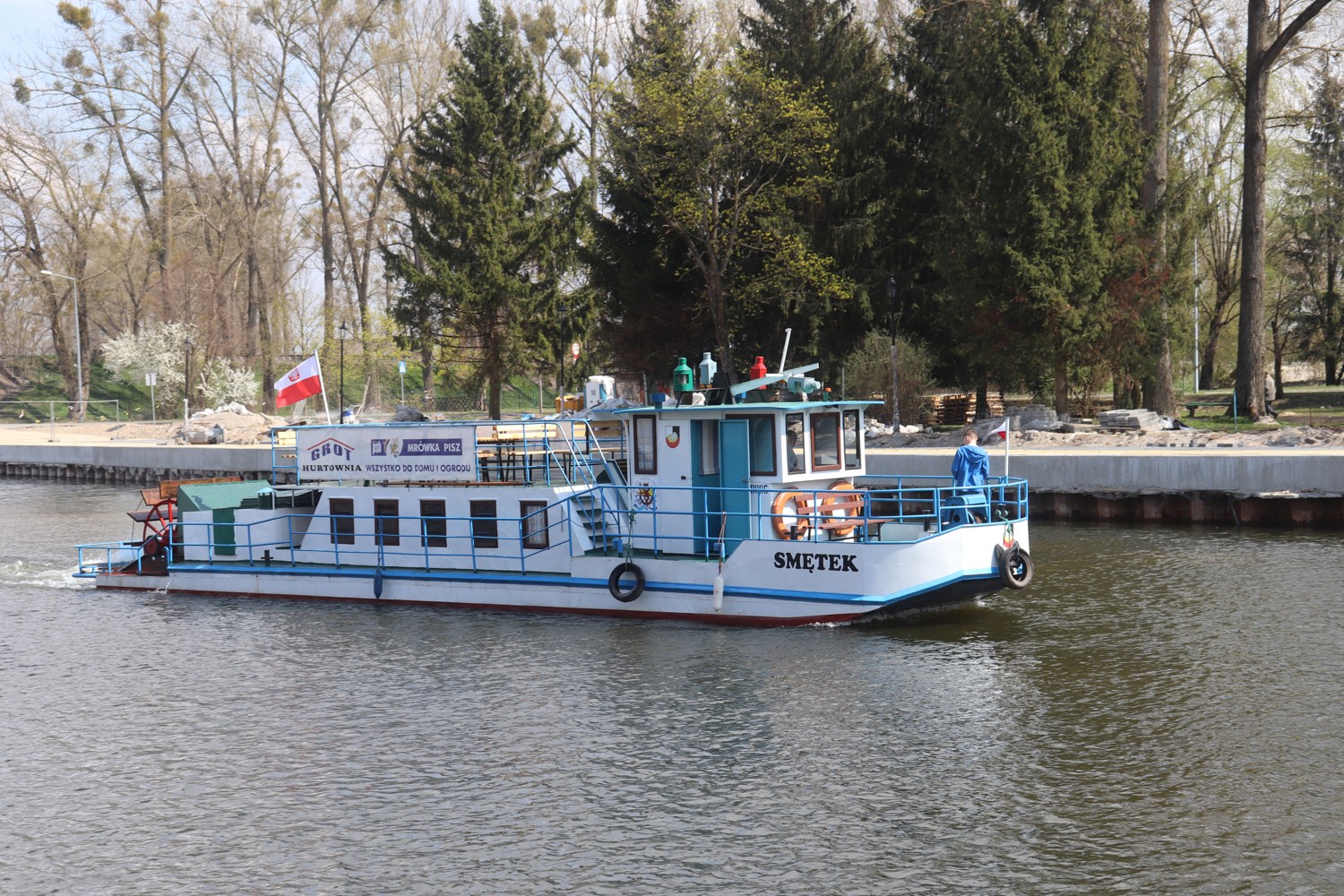
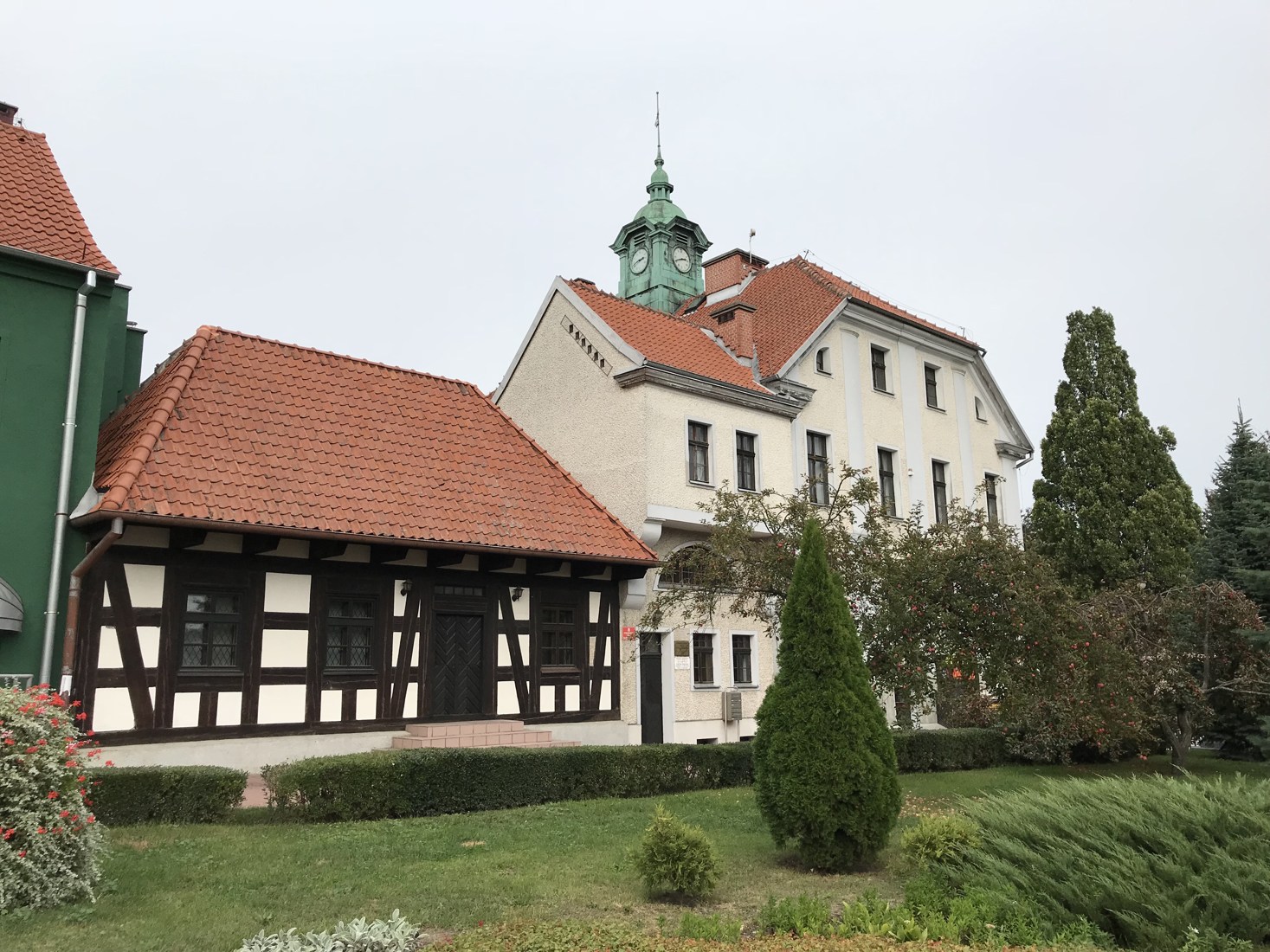
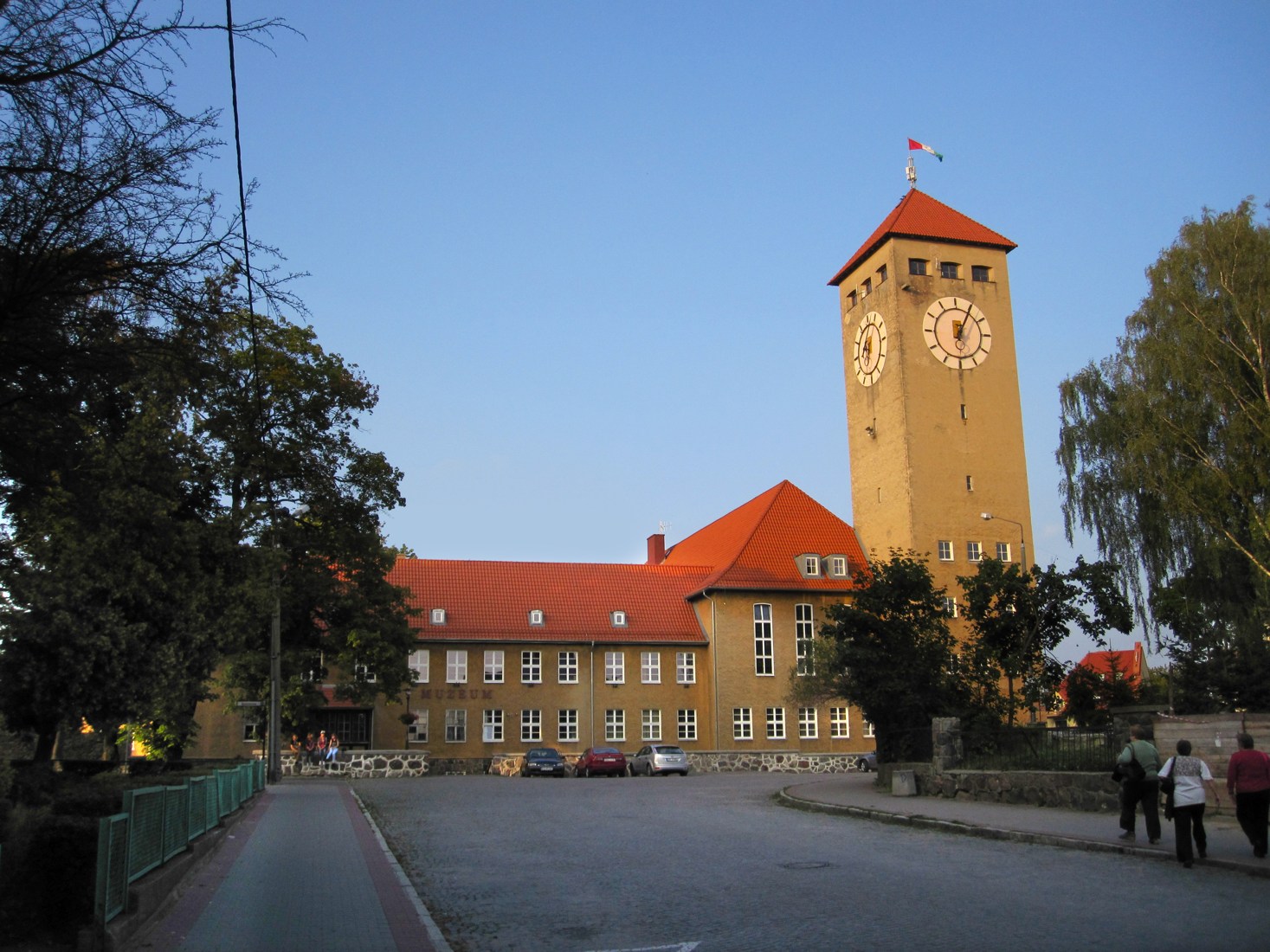
The museum's local attractions guide places it in the former town hall, completed in 1900, and links the market area with the history of settlement beside the Pisa. After the museum, a short look around plac Daszyńskiego is a natural continuation when weather and daylight suit. The river is another theme to follow, but choose a land route appropriate to conditions and your mobility rather than treating a summer photograph as a walking-access guarantee.
The group offer includes city walks and a Smętek cruise on the Pisa and Lake Roś. Those are separately arranged activities. Its cruise description lists about an hour, a 50 PLN group guide service and separate boat tickets. Those published details are not a live sailing calendar, particularly in winter. The simplest off-season plan is the weekday museum itself, with an optional outdoor extension. Arrange guiding, verify physical access and check any boat plan before making them essential parts of the day.
Frequently asked questions
Is Pisz museum open on winter weekends?
The official September-June table lists Saturdays and Sundays as closed. Organised groups may arrange other hours by telephone in advance.
Does the 25 PLN guide charge include admission?
No. The organised-group page lists 25 PLN for guiding plus museum tickets at 7 PLN per person, for groups of 5-50. Requests are taken by telephone a week ahead.
Is the museum step-free?
The September 2020 BIP declaration describes three exterior steps up and seven internal steps down, despite level circulation inside. Confirm current access and facilities directly.