Poland's ETIAS Bill Does Not Mean Applications Are Open
The essentials: Checked on 26 November 2026, the official EU ETIAS website says the system is not operating and no applications are collected. Poland’s 10 November cabinet bill concerns national preparations, not the operational launch.
Poland is preparing its part of ETIAS, the European travel-authorisation system for visa-exempt visitors. On 10 November 2026, the Council of Ministers adopted a bill setting out national responsibilities, access to data and a proposed review procedure. That is a development in Polish legislation, not an announcement that travellers can already submit an ETIAS application.
Checked on 26 November, the official EU ETIAS website and its frequently asked questions still state that the system is not operating and no applications are being collected. The EU says it will announce the specific start date several months before launch. For now, do not pay a website on the assumption that Poland's cabinet announcement opened applications.
The Polish bill and the EU launch are different things
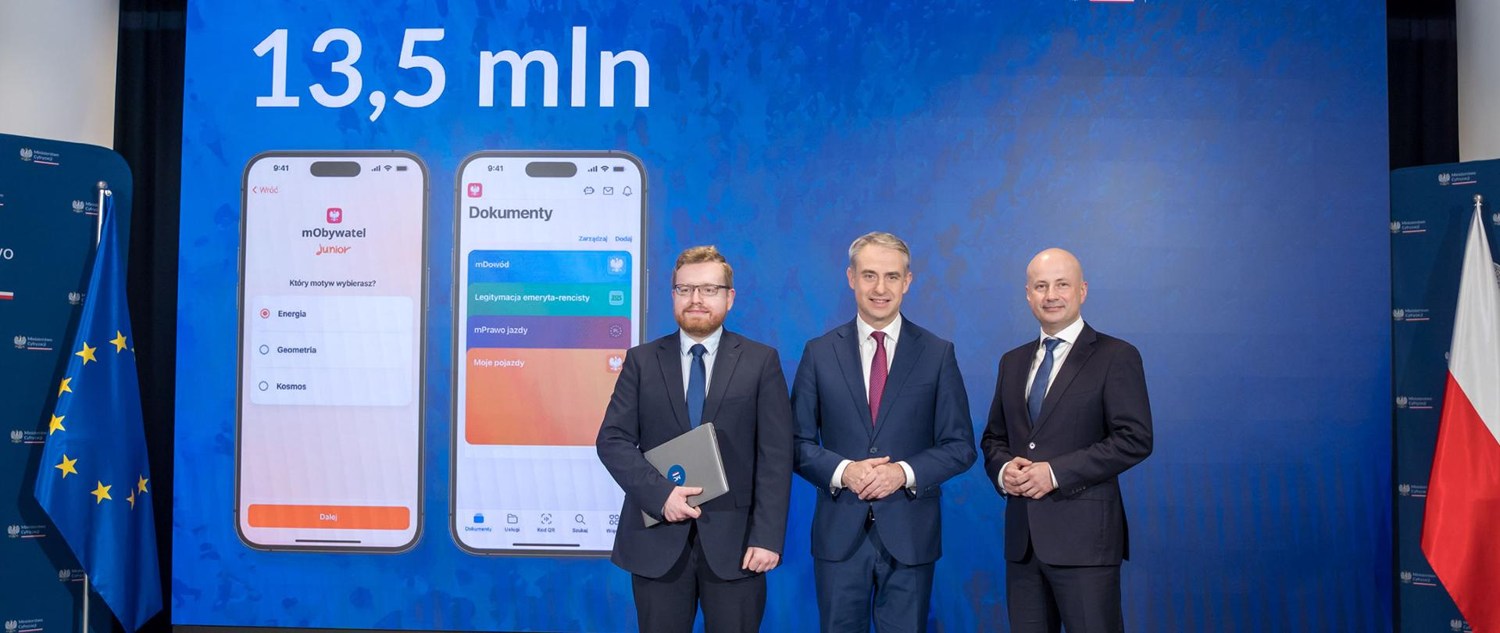
The Prime Minister's Office describes a bill adopted by the government. It proposes how Poland would take part in the European system, including which authorities would handle applications and consult other services. It also proposes a National Register of Foreigners drawing information from several administrative systems.
A cabinet-approved bill is not the same as an enacted statute, and neither should be confused with an EU-wide operational launch. This article explains the November proposal alongside the EU's current traveller guidance. It does not treat the proposed Polish procedures as rules that a traveller can already use to apply or challenge an ETIAS decision.
Who ETIAS is intended for
ETIAS is designed mainly for non-EU nationals who can make short visits without a visa. The official eligibility page lists countries including Canada, Israel, the United Kingdom and the United States. Poland is among the 30 European countries listed as participating in the travel-authorisation system.
Nationality is only the starting point. Residence documents, visas and other exemptions can change the answer. A Canadian tourist visiting Poland and a Canadian resident holding a qualifying Polish residence permit should not assume they have identical requirements. Use the official eligibility page for the actual travel document and status involved, rather than a headline about all foreign travellers.
Residents should check their document before applying
The EU guidance exempts holders of residence permits issued under Council Regulation 1030/2002 by participating countries, with a specific exception concerning Cyprus. It also exempts holders of residence cards issued under Directive 2004/38/EC by participating countries or Ireland. These are defined document categories, not a general statement that every piece of paperwork from an immigration office is a residence permit.
For somebody living in Poland, the practical question is whether the document they hold is covered. The EU advises checking with the issuing authority when a document's status is unclear. Do not assume a PESEL number, a pending application, an appointment confirmation or a receipt automatically has the same effect as a qualifying residence document.
EU citizens, visas and temporary protection
EU nationals do not need ETIAS. The official guidance also covers dual nationals: a person relying on their European nationality should travel using the relevant European travel document. The system is not an extra authorisation that Polish citizens must buy before returning to Poland.
Other listed exemptions include holders of uniform visas and national long-stay visas. Beneficiaries of temporary protection are also exempt, but must be able to demonstrate that status. Each exemption has its own conditions. Do not use the existence of one exemption to decide a different person's case, especially where the document is expired, being replaced or not clearly within the listed category.
ETIAS is not a residence permit or a work right
The EU FAQ says an ETIAS authorisation is not a visa or residence permit. It concerns short stays, generally up to 90 days within any 180-day period. It does not create permission to settle in Poland, study long-term or take employment. Those plans require checking the relevant immigration and work rules separately.
This distinction matters when somebody is moving rather than visiting. Buying a travel authorisation in the future would not turn a tourist stay into a residence application or cure a missing work permission. A valid ETIAS would also not guarantee admission: travellers would still have to satisfy the applicable entry conditions at the border.

The published application fee is EUR 20
The current official FAQ gives an application fee of EUR 20. Older material referring to EUR 7 is not a reliable guide to the amount now published. The fee is information about the system's application process, not an instruction to pay today while the official website says it is not collecting applications.
Some applicants are exempt from paying, including those under 18 or above 70 under the published guidance. A fee exemption is different from an exemption from ETIAS itself. A child who needs an authorisation would still need their own application even if no fee is due. Certain qualifying family members also have specific fee rules, which should be checked against the official conditions.
Use the official route when applications open
The EU identifies travel-europe.europa.eu/etias as its official website. When the system starts, the official website and official mobile app will provide the direct application route. The present FAQ says no action is required from travellers at this point. A search advertisement or an application-looking form elsewhere is not evidence of an official launch.
Commercial intermediaries may eventually apply for somebody with their authority, but they can charge an extra service fee. The EU warns travellers to check the service, its charges and how personal data is protected. Do not hand over passport details or payment information merely because a site uses European imagery or promises to secure an authorisation early.
The passport and email address will matter
Under the published process, an ETIAS authorisation will be linked to the travel document used in the application. The FAQ warns about mistakes in document numbers, including confusing the letter O with the digit zero. A mismatch can affect boarding and entry. A new passport generally means a new authorisation will be needed.
The email address is also important because decisions and other communication go there. If another person helps with an application after launch, the traveller should still have access to the email account used. Do not let an intermediary become the only person who can see the application number, a request for information or the decision.
Do not plan on every application taking minutes
The EU says most applications are expected to be processed within minutes, but its FAQ also describes cases requiring further information, documents or an interview. Those cases can take substantially longer, potentially up to 30 days. The published advice is to obtain authorisation well ahead of travel rather than rely on an instant result.
That is future planning guidance, not a reason to submit information to an unofficial service now. Once applications open, check the then-current instructions before buying non-refundable travel around an assumed processing time. A travel-authorisation system can have both quick routine decisions and individual cases that require more work.
How long an authorisation would last
The official FAQ describes validity for three years or until the travel document expires, whichever comes first. It does not mean three years of continuous residence. Repeated visits still have to respect the relevant short-stay limit and all other entry conditions. The authorisation must remain valid for the stay covered by it.
For families, applications are individual and linked to each person's travel document. There is no single family or group authorisation covering everyone. Check each traveller's nationality, document and exemption separately, including children, rather than assuming the adult who bought the tickets has settled the whole family's requirements.
ETIAS and EES are not the same system
The European Commission distinguishes ETIAS from the Entry/Exit System, or EES. ETIAS is a pre-travel authorisation for the people within its scope. EES concerns the recording of entry and exit and border procedures for short-stay non-EU travellers within its own scope. An experience with one system is not proof of compliance with the other.
For example, having passport details or biometrics recorded at an external border is not the same as receiving an ETIAS authorisation. Equally, future ETIAS approval would not remove border checks. Use the official guidance for each system and do not assume that a border-registration process is a website where an ETIAS fee should be paid.
What Poland proposes for national handling
The November cabinet announcement would put the Border Guard in charge of Poland's ETIAS handling, including applications, consultations and cooperation with other national units. It describes access for specified Polish authorities within their tasks and proposes a National Register of Foreigners containing identity, document, residence and employment-related information from administrative systems.
The announcement also proposes electronic reconsideration of certain negative decisions, with a seven-day period measured from sending the decision information by email. That is a description of the bill. Do not treat it as the current deadline for an unrelated residence decision or assume it is an operative remedy before the final legislation and applicable procedure have been checked.
What to do before a visit to Poland
Start with the official EU launch notice, then check nationality, travel document and any exemption. If you live in Poland, identify the exact residence document or visa you rely on. If you are visiting, distinguish a short trip from a plan to work, study long-term or move. Keep the existing entry requirements in view while ETIAS preparations continue.
As checked on 26 November 2026, the useful action is to follow the official announcement, not pay for an application that the EU says it is not collecting. Poland's bill helps explain the national preparations. It does not replace the operational launch notice or the individual document check that determines what a traveller will actually need.
Frequently asked questions
Do all foreign residents in Poland need ETIAS?
No. The official EU guidance lists exemptions for qualifying residence permits, residence cards and visas, among other categories. Check the exact document, not simply whether someone has a PESEL number.
Can ETIAS replace permission to work or live in Poland?
No. It concerns short travel and does not grant a residence or work right. Check the appropriate immigration and work rules for the actual plan.
Sources
- Official ETIAS website: current operational status
- Official ETIAS FAQ: fee, documents, validity and process
- Official ETIAS eligibility and exemptions
- Polish government: ETIAS bill adopted by cabinet, 10 November 2026
- European Commission: differences between EES and ETIAS
- Official ETIAS facts: authorisation is not a visa