Poland's Railway Crossing Rules: Three Months Without a Licence
The essentials: The final law took effect on 21 November 2026. It adds licence-retention grounds for dangerous railway-crossing conduct, alongside existing fines and points. Police describe a three-month suspension and have reported an enforcement case.
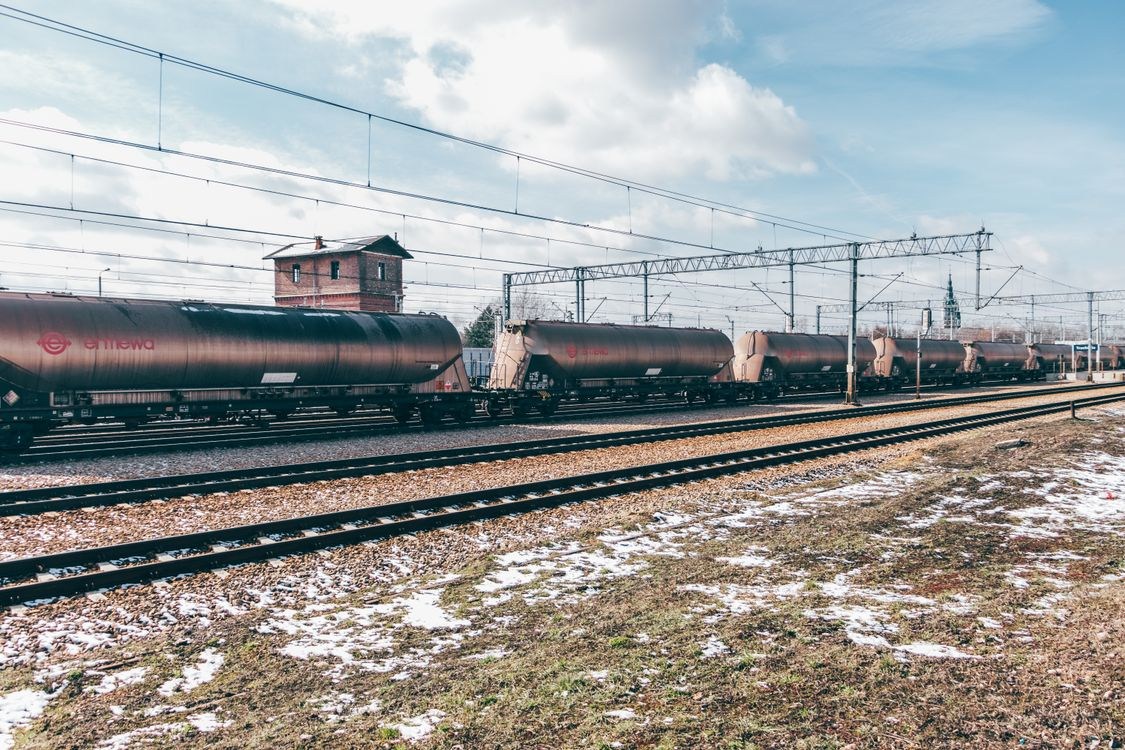
Drivers in Poland face a new consequence for dangerous behaviour at railway crossings: having their driving licence retained and their driving entitlement suspended for three months. The change took effect on 21 November 2026. It covers entering against red signals, going around lowered barriers, entering while barriers are moving and driving onto a crossing without room to leave it.
This is an enacted change, not a government proposal awaiting a start date. The amending act was published in the Journal of Laws on 6 November, and the official ELI record gives 21 November as its entry into force. Police have already reported using the new provisions. For foreign residents who drive, the practical response is to review crossing habits rather than assume the change only concerns people taking a Polish driving test.
What changed on 21 November
The Act of 8 October 2026, published as item 1466, changes the Road Traffic Act, the Criminal Code and the Act on Drivers. It adds dangerous railway-crossing conduct to the grounds for police retention of a driving licence and to the corresponding provisions governing driving entitlements. Police explanations describe a three-month suspension for the specified conduct.
Keep the different consequences separate. A fine and penalty points address the traffic offence. Retention of the licence and suspension of the entitlement are additional consequences, not another name for the fine. Paying a ticket should not be treated as permission to resume driving while a suspension applies. The documents issued in a particular case matter.
Going around a lowered barrier
The first prohibited behaviour is going around lowered barriers or half-barriers. A gap beside a half-barrier is not an invitation to use the other side of the road. The new provisions expressly include this conduct. Whether a train looks far away does not turn the manoeuvre into an acceptable shortcut.
The safe decision is made before entering the crossing. Stay outside the barrier line and leave room for the crossing to operate. Do not copy a driver ahead who goes around a barrier, and do not interpret a vehicle coming the other way as evidence that the line is clear. Each driver remains responsible for responding to the crossing's controls.
Entering while barriers are moving
The rules also cover entering after barriers have started to lower or before they have finished rising. A barrier moving upwards can tempt a driver to set off early, especially when traffic has been waiting. The legal wording includes the period before raising has been completed, not only the moment when a barrier is fully horizontal.
PKP Polskie Linie Kolejowe's safety guidance says to enter only when the light signals are off and the barriers are upright. Those conditions belong together. One barrier moving, a train having passed or a driver behind sounding the horn does not replace checking the lights and the full opening of the crossing.
Red and flashing red signals
The amendment includes passing a signal or another signalling device showing red, flashing red or two alternating flashing red signals. Raised barriers do not cancel a red signal. This matters at the beginning and end of a closure, when lights and barriers may not appear to change at precisely the same instant.
PLK's guidance is direct: red means do not enter. Do not treat the signal as a warning that can be weighed against your own estimate of the train's position. At a crossing with several tracks, the passage of one train is not a reason to disregard a signal that remains active. Wait for the crossing controls to permit entry.
No space beyond the tracks
The fourth behaviour is entering a railway crossing when there is no room on the other side to continue driving. It can happen without a deliberate attempt to race a train. A queue beyond the tracks, a junction or a stopped bus can leave a vehicle stranded after its driver has followed the traffic ahead.
Before moving onto the crossing, check that there is enough clear space beyond it for your vehicle. A green traffic signal elsewhere or a moving queue does not create that space. The new law expressly addresses entry without an exit, so this is more than a reminder to avoid obvious barrier violations.
A reported case in Bydgoszcz
On 24 November, Bydgoszcz police reported an intervention from the previous day at the railway crossing on Inwalidów Street. According to the report, a Renault driver entered despite a red signal. Police said the driver received a 2,000 zł fine and 15 penalty points, and officers also retained his driving licence.
The report is evidence that the new provisions are being used, not a promise that every crossing case will have exactly the same financial outcome. The fine and points described belong to that reported incident. Other facts, applicable provisions and a person's situation can affect the handling of a case. Do not turn one example into a universal tariff.
What foreign drivers should take from the change
The safety rules are relevant whether you own a car, use a rental or drive an employer's vehicle. Nothing in the police warning makes ignoring crossing controls acceptable because a driver is visiting Poland. At the same time, the short announcement is not a complete explanation of every administrative consequence for every foreign-issued licence.
If stopped, read the document you receive and ask what it says about your entitlement to drive and the next steps. Do not assume that keeping a physical card, having a digital copy or holding another country's licence settles that question. For a dispute or an unclear notice, get advice on the actual decision rather than relying on a general news article.
If you become trapped between barriers
Prevention comes first, but PLK also explains what to do in a crisis. If a vehicle is on the crossing and can move, leave the tracks immediately. Its emergency guidance says that, if necessary, the driver should break through the barrier rather than remain in the path of a train. This is emergency escape advice, not permission to enter a closing crossing.
If the vehicle has broken down and cannot leave the tracks, PLK says to get out of the vehicle and beyond the barriers as quickly as possible. Get passengers away too. Do not stay in a stranded car to protect it or spend time trying to document the problem before moving to safety. Call for emergency help from a safe place.
Use 112 for an immediate danger
A vehicle immobilised on the tracks, an accident or an obstacle threatening railway traffic is an emergency. The Ministry of the Interior's 112 guidance says to report such situations to 112. Explain the danger and give the crossing's identifying number if it can be obtained safely. Follow the operator's instructions.
The guidance also says not to end the call until the operator tells you to do so. After the conversation, keep the phone available so the services can reach you. A call does not mean you should return to the tracks or assume a train has already stopped. Stay clear of the danger and let the services coordinate the response.
What the yellow sticker tells the operator
PLK's Yellow Sticker scheme gives a crossing a nine-digit identifying number. The sticker also carries 112 and a railway technical contact number. The identifier helps the operator locate the correct crossing and contact the railway control service, which can arrange the appropriate action on train movements.
Official guidance places stickers on barrier-drive housings at crossings with barriers and on the back of the St Andrew's cross sign at crossings without them. Do not walk into danger to search for a sticker. Your safety and that of passengers come first. Give the operator the location information you can safely provide and answer their questions.
A fault is not always a 112 emergency
The official instructions distinguish an immediate threat to life or health from a technical fault without that immediate danger. The railway technical number on the sticker is provided for matters such as damaged barriers, damaged signs or restricted visibility. A car stuck on the tracks is not merely a routine maintenance report.
Describe what you can actually see rather than guessing which part has failed. If people or railway traffic are in immediate danger, explain that to 112. Do not delay an emergency call while trying to find a customer-service department, photograph a serial number or decide who should pay for a damaged barrier.
The habit to change before your next drive
Approach a crossing with enough attention to check the signals, the barriers and the space beyond the tracks. Wait through the complete closure and opening sequence. Keep the vehicle outside the crossing until you can clear it, even when other traffic is impatient. These checks address the specific conduct listed in the November amendment.
The new three-month consequence makes the cost of a bad decision more visible, but avoiding a fine is not the main reason to stop. The same mistake can endanger people in the vehicle and on a train. Know the emergency plan, keep 112 available for real danger and never let a queue or a few saved seconds decide whether you enter the tracks.
Frequently asked questions
Do raised barriers mean I can ignore a red crossing signal?
No. Red and flashing red signals prohibit entry. PLK says to enter only when the signals are off and the barriers are upright.
Does paying a fine mean I can drive during a suspension?
Do not assume that. A fine, points and the driving-entitlement consequences are separate. Read the documents issued in your case and get advice if their effect is unclear.
Sources
- ELI: Act of 8 October 2026, item 1466, effective 21 November
- Journal of Laws: final amendment, articles 1, 3 and 4
- Warsaw police traffic department: four crossing offences
- Bydgoszcz police: 23 November enforcement case, reported 24 November
- PKP PLK: Yellow Sticker identification and emergency reporting
- Ministry of the Interior: railway-crossing 112 instructions
- PKP PLK: emergency escape from a crossing