Poland vs. Germany in 2027: Which Country Is Better to Live In?
A personal essay by a Canadian living in Poland. The views and experiences are the author's own.
What to know: A Canadian living in Poland scores Poland against Germany. Germany wins on salaries and healthcare; Poland wins on cost of living, safety and everyday lifestyle.
Germany has higher salaries, a stronger economy, and a reputation for efficiency. Poland offers lower living costs, modern cities, and a lifestyle that surprised me in the best possible way. As a Canadian expat living in Poland, here's why I think the answer isn't nearly as obvious as people expect.
When I first moved to Poland from Canada, I never imagined I'd eventually find myself defending Poland against Germany in conversations about quality of life.
Germany was supposed to be the obvious winner.
Higher salaries. Better infrastructure. More international companies. A powerful economy. And, of course, that famous German efficiency.
Poland, on the other hand, was still a country many people associated with lower wages, cheaper labor, and workers moving west in search of better opportunities.
But after experiencing life in Poland and spending time comparing the two countries, I started questioning that old picture.
Because something interesting has happened.
Poland has changed dramatically.
Its cities have modernized. Its infrastructure has improved. Its technology sector has developed, and everyday conveniences have become surprisingly sophisticated.
Meanwhile, Germany, despite its enormous strengths, faces challenges of its own: bureaucracy, housing shortages in major cities, demographic pressures, and the difficult task of modernizing parts of its economy.
As I look toward 2027, I keep coming back to one question.
Is Germany still automatically the better place to live, or has Poland become one of Europe's most underrated alternatives?
Here's how I see it.
1. Salaries: Germany Still Has a Major Advantage
Let's start with the obvious.
If your main goal is to earn a higher salary, Germany is generally the stronger option.
German workers typically earn considerably more than Polish workers, particularly in engineering, manufacturing, healthcare, technology, and specialized professional roles.
That's one of the reasons Germany has attracted Polish workers for decades.
And the salary gap still matters.
I remember discussing this with a Polish acquaintance, Michał, who works in engineering.
He was considering an opportunity with a German company.
"The salary is almost twice what I make here," he told me.
"So why aren't you packing already?" I asked.
He laughed.
"Because I also have to live there."
That was the interesting part.
He started comparing rent, taxes, insurance, transportation, and the cost of maintaining his lifestyle.
Suddenly, the difference didn't look quite as dramatic.
He would still earn more in Germany, but he wasn't convinced he'd enjoy his life more.
That's something people often overlook.
A higher gross salary doesn't necessarily mean twice the disposable income.
Germany has relatively high labor taxes and social contributions, while housing in cities like Munich, Frankfurt, and Hamburg can be expensive.
Poland generally has lower salaries, but certain everyday expenses are also lower.
Still, I wouldn't pretend the salary difference is irrelevant.
If I were starting a career in a specialized industry and wanted to maximize my earnings, Germany would be difficult to ignore.
My winner: Germany. The stronger choice for many professionals seeking higher salaries and established career opportunities.
2. Cost of Living: Poland Has an Advantage, but It's Getting More Expensive
One of the things I enjoy most about living in Poland is that many ordinary expenses can feel manageable.
Going out for coffee.
Having dinner at a restaurant.
Using public transportation.
Getting a haircut.
Paying for certain services.
Compared with major German cities, Poland can still offer meaningful savings.
But I have to be careful when I say Poland is cheap.
Because it isn't necessarily cheap for Polish people.
Warsaw has become an increasingly expensive place to live, especially when housing costs are compared with local salaries.
Kraków, Gdańsk, and Wrocław have also seen considerable pressure on housing affordability.
A Polish friend, Paweł, once made a comment that perfectly captured the situation.
"Foreigners come here and say everything is cheap. Then I show them my salary."
He had a point.
If you earn in euros, dollars, or Canadian dollars and spend in Polish złoty, Poland can feel like excellent value.
If you earn an ordinary Polish salary, the calculation changes.
Germany also varies enormously.
Living in Munich is very different from living in Leipzig or a smaller German town.
And some German cities offer better value than people expect.
For me, though, Poland still has the advantage in many categories of everyday spending.
My winner: Poland, especially for someone with a strong professional or international income.
3. Safety: Poland Has Become One of My Favorite Places to Feel at Ease
Safety is one of those things you don't always think about until you move somewhere new.
When I first arrived in Poland, I was surprised by how comfortable I felt walking around.
Warsaw, Kraków, and many other Polish cities have busy streets, public transportation, parks, and neighborhoods where everyday life feels relatively relaxed.
I've enjoyed walking in the evening, taking public transportation, and exploring different areas without feeling particularly concerned.
Germany is also a generally safe country.
Cities like Munich, Hamburg, and Berlin have many safe neighborhoods and well-developed public services.
Both countries face problems with theft, scams, harassment, and other crime, and neither should be judged by isolated headlines.
Still, my personal experience in Poland has left a strong impression.
I remember walking through Warsaw one evening with a friend, Tomasz.
I commented on how comfortable the city felt.
He looked at me.
"Why? What did you expect?"
I laughed.
"Honestly? I didn't know what to expect."
That was probably the problem.
I had arrived with assumptions that didn't match what I was experiencing.
For someone who values everyday peace of mind, Poland has been an extremely pleasant surprise.
My winner: Poland, based on my personal experience. A fair statistical comparison would need current, comparable crime data and specific cities.
4. Healthcare: Germany Has the Stronger System, but Poland Can Be Convenient
Healthcare is one area where Germany deserves serious credit.
Germany has a well-established healthcare system with extensive public and private insurance arrangements, a large network of medical providers, and significant medical resources.
It isn't perfect.
Patients can experience waiting times, and access varies by specialty, insurance status, and location.
But Germany generally has more healthcare resources per person than Poland.
Poland's system is different.
Public healthcare is available through the NFZ for eligible patients, but waiting times for certain specialists and procedures can be frustrating.
One advantage I've noticed is the accessibility of private medical services.
In Poland, paying privately for some consultations can be relatively affordable compared with what I'd expect in North America.
I remember talking with Anna, a Polish acquaintance, about booking medical appointments.
"If I need something quickly, I sometimes go privately," she explained.
"And is it expensive?"
"Depends on the doctor. But for normal appointments, it's often worth it."
That flexibility is useful.
Still, when comparing the broader healthcare systems, I would give Germany the advantage.
The difference becomes particularly important when considering complex medical conditions, long-term treatment, and specialized care.
My winner: Germany. Poland's private healthcare options are convenient for some routine needs, but Germany has stronger overall healthcare resources.
5. Public Transportation: Germany Has the Network, Poland Has the Everyday Experience I Love
This is one of the most interesting comparisons.
Germany has an extensive rail network, major international transport connections, and well-developed public transportation in many cities.
You can travel between major German cities by train and connect to much of Europe.
Poland also has strong urban transportation in its major cities.
Warsaw has a metro, trams, buses, and commuter rail.
Kraków, Wrocław, Poznań, and Gdańsk have their own combinations of public transportation.
And Poland's intercity railway system has become increasingly useful for traveling between major destinations.
What I particularly appreciate about Poland is how naturally public transportation fits into daily life.
I don't always need a car.
I can walk to a shop.
Take a tram to meet friends.
Catch a train for a weekend trip.
It's a different experience from the car-dependent lifestyle I was accustomed to in parts of Canada.
Germany offers many of these advantages too, sometimes with more extensive regional connections.
But German rail reliability has become a frequent subject of public frustration, particularly regarding delays and infrastructure disruptions.
Poland has rail delays and service gaps of its own.
So I wouldn't declare one country's entire transportation system superior based on a few journeys.
Germany has the broader international network.
Poland has impressed me with the convenience of its urban systems.
My winner: A tie. Germany for the scale of its network; Poland for the urban transportation experience I've personally enjoyed.
6. Digital Convenience: Poland Might Surprise Germany
Before moving to Poland, I assumed Germany would be far ahead when it came to technology and everyday convenience.
After all, Germany is one of the world's major industrial economies.
But living in Poland taught me that economic strength and digital convenience aren't always the same thing.
Poland has embraced several technologies that make ordinary life remarkably easy.
Take BLIK.
It's a mobile payment system that allows users to make purchases and transfers through participating banking apps.
Then there are InPost parcel lockers.
They're everywhere.
You order something online, select a nearby locker, and collect your package when it's convenient.
I love that.
No waiting at home all afternoon.
No missed deliveries.
Just pick up the package on your way home.
Poland also offers increasingly useful digital government services, although administrative processes can still be frustrating.
Germany has advanced digital banking, online shopping, and many sophisticated business technologies.
But it has also faced longstanding criticism over paper-based administrative procedures and slow digitalization in parts of the public sector.
Of course, both countries have improved, and experiences vary by service.
Still, in certain everyday situations, Poland feels impressively modern.
My winner: Poland. Especially for mobile payments, parcel delivery, and some routine digital conveniences.
7. Work-Life Balance: Germany Deserves More Credit Than People Give It
This is where my comparison becomes complicated.
One of the things I appreciate about Poland is that family time, holidays, and life outside work can feel important.
But Germany also has a strong tradition of protecting employees' rights and personal time.
Both countries provide statutory paid annual leave.
In Poland, qualifying employees generally receive 20 or 26 days, depending on their employment history.
In Germany, the statutory minimum is 20 days for a standard five-day working week, although many employees receive more through employment contracts or collective agreements.
Germany also has a strong culture of structured working hours in many industries.
A German acquaintance, Lukas, once described his approach to work in a way I found refreshing.
"When I'm working, I work. When I'm finished, I'm finished."
I liked that.
It sounded simple, but it represented something important.
The idea that your job shouldn't consume every part of your life.
Poland has plenty of hardworking people, and long hours are not unusual in some sectors.
Germany also has demanding industries and employers.
Neither country guarantees a stress-free professional life.
But Germany's combination of relatively high salaries, employee protections, and established workplace practices can be attractive.
My winner: Germany, narrowly. Particularly for employees who benefit from strong contracts, collective agreements, and predictable working hours.
8. Housing: Germany Offers Stability, Poland Offers Opportunities
Housing is one of the most important factors when deciding where to live.
And both countries have challenges.
In Germany, renting is extremely common, and tenants benefit from substantial legal protections.
Long-term renting can be a normal and stable lifestyle.
But finding an apartment in cities like Munich, Berlin, or Hamburg can be difficult.
Competition is intense in many desirable neighborhoods, and rents can be high.
Poland has a different housing culture.
Homeownership is common, and buying an apartment is an important financial goal for many families.
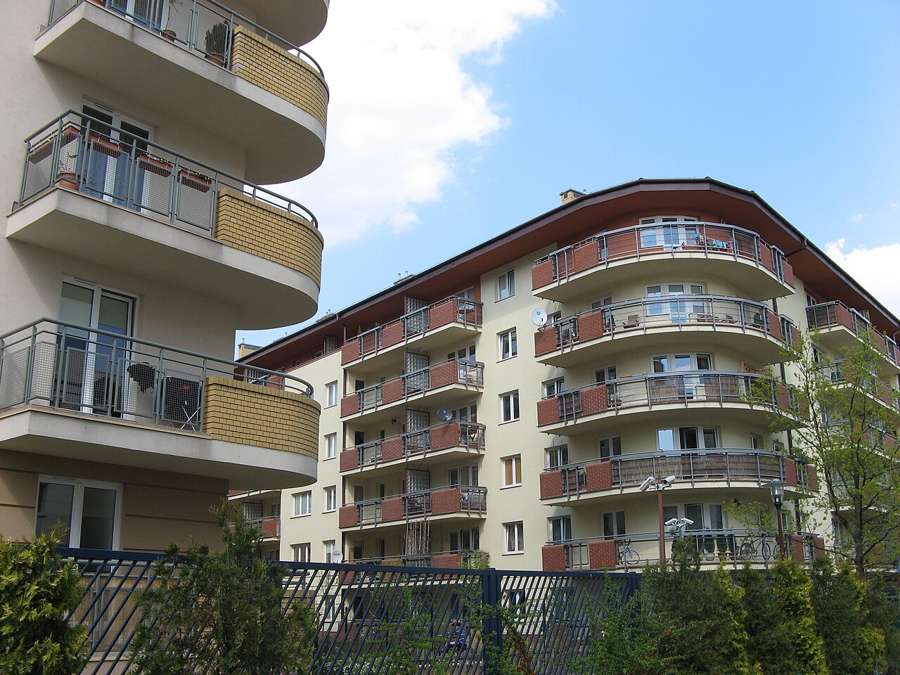
New residential developments have transformed parts of Warsaw, Kraków, and other cities.
Some neighborhoods feel incredibly modern.
But rising property prices and mortgage costs have created affordability challenges.
I remember walking through a newly developed Warsaw neighborhood and thinking how different it looked from the image of Poland I had before moving.
Modern apartments.
Beautiful cafés.
Landscaped courtyards.
Underground parking.
It felt like a city looking confidently toward the future.
Still, attractive buildings don't automatically mean affordable housing.
For renters who value long-term legal protections, Germany can be appealing.
For buyers who find the right location and financing, Poland may offer opportunities, though not necessarily bargains.
My winner: A tie. Germany for rental protections; Poland for some newer housing options and potentially lower purchase prices outside its most expensive areas.
9. People and Friendships: Two Cultures That Are More Similar Than I Expected
Coming from Canada, I had to adjust to the way people interact in Poland.
People can seem serious at first.
Strangers don't always smile.
Small talk isn't necessarily expected.
But once I started getting to know people, I discovered warmth, loyalty, and hospitality that completely changed my perspective.
Germany has some similar social characteristics.
Germans are often described as direct, reserved, and respectful of personal boundaries.
Of course, these are broad cultural tendencies, not descriptions of every individual.
But the similarities are interesting.
In both countries, friendships may take time to develop.
And in both countries, people can be incredibly welcoming once a relationship becomes established.
I remember a Polish friend, Kasia, inviting me over for what she called a simple dinner.
A simple dinner apparently meant enough food for twelve people.
When I said I was full, she looked offended.
"Full? You haven't had dessert."
That kind of hospitality is something I've grown to love.
Germany has its own traditions of social gatherings, clubs, neighborhood communities, and long-term friendships.
I wouldn't claim that people in one country are inherently nicer than people in the other.
For me, the real difference comes down to language, personality, and whether you've managed to build a community.
My winner: Poland, personally. It's where I've developed a stronger sense of connection, although someone with deeper roots in Germany could easily feel the opposite.
10. Raising a Family: Germany Has Resources, Poland Has a Lifestyle I Appreciate
Having children changes your priorities.
Suddenly, you're thinking about schools, healthcare, childcare, playgrounds, safety, and how much time you can actually spend together.
Germany offers extensive family-related services and benefits, including public support for parents, childcare systems, and educational opportunities.
Availability and quality vary by region, and finding childcare can still be difficult in some places.
Poland also provides public education, family benefits, and childcare support, although eligibility and access depend on individual circumstances.
One thing I appreciate about Poland is how family-friendly many residential neighborhoods feel.
Playgrounds are common.
Parks are often close by.
In well-connected urban areas, everyday activities don't always require a car.
I've watched families spending afternoons outside, children playing together, and grandparents helping with childcare.
It's a lifestyle I find appealing.
Germany has plenty of similar neighborhoods and strong family communities.
The main differences may come down to the specific city, school, housing situation, and support network.
My winner: A tie. Germany for some institutional resources; Poland for the everyday family lifestyle I've experienced.
11. Nature and Travel: Germany Has Variety, Poland Has Hidden Treasures
Germany is a beautiful country.
The Bavarian Alps, Black Forest, Rhine Valley, Baltic coast, and countless historic towns offer an impressive range of landscapes.
Poland has beautiful nature too.
The Tatra Mountains.
The Masurian Lakes.
The Baltic beaches.
The Białowieża Forest.
And plenty of places that international tourists haven't fully discovered.
What I love about Poland is that you can travel from a modern city to mountains, forests, lakes, or the coast without leaving the country.
Germany offers even more geographic variety in some respects, and its central European location makes international travel extremely convenient.
Both countries are excellent bases for exploring Europe.
Germany has a larger network of major international airports and connections.
Poland can offer more affordable domestic travel and accommodation in certain destinations.
My winner: A tie. Germany for its variety and international connections; Poland for beautiful destinations that can feel less internationally crowded.
12. The Future: Could Poland Become the More Attractive Choice?
This is the part of the comparison I find most exciting.
For decades, Germany represented the destination.
Poland represented the country people were leaving.
But that relationship is becoming more complicated.
Poland has experienced major economic development since joining the European Union.
Its cities have modernized, infrastructure has improved, and new industries have grown.
Germany remains a far wealthier economy, with major industrial strengths, global companies, and extensive financial resources.
But it also faces serious structural challenges.
Poland faces its own problems, including demographic pressures, housing affordability, healthcare capacity, and the need to sustain productivity growth.
Looking toward 2027, I wouldn't pretend to know exactly how either country will perform.
Economic conditions, wages, housing costs, and government policies can change.
But one thing seems clear to me.
Poland no longer deserves to be treated as an automatically inferior alternative to Germany.
For some people, especially those with international income or flexible employment, Poland may already be the more appealing lifestyle choice.
For others, particularly professionals seeking higher wages, stronger healthcare resources, or opportunities in established industries, Germany may remain the better option.
The right answer depends on what you're trying to build.
My Poland vs. Germany 2027 Scorecard
Here's how I would personally compare the two countries, based on my experiences and the structural differences between them rather than claiming to know the final outcomes of 2027.
| Category | My winner |
|---|---|
| Salaries and career opportunities | Germany |
| Everyday cost of living | Poland |
| Personal sense of safety | Poland |
| Healthcare system | Germany |
| Public transportation | Tie |
| Digital convenience | Poland |
| Work-life balance | Germany |
| Housing | Tie |
| Friendships and social life | Poland |
| Raising a family | Tie |
| Nature and travel | Tie |
| Lifestyle with international income | Poland |
| Overall lifestyle for me | Poland |
This is a subjective comparison, not a statistical ranking. Individual experiences depend on income, location, employment, family circumstances, and personal priorities.
So, Would I Choose Poland or Germany in 2027?
If someone offered me two opportunities tomorrow—one in Germany and one in Poland—I wouldn't automatically choose Germany just because the salary was higher.
I'd want to know what my life would actually look like.
Where would I live?
How much would I spend on housing?
How long would my commute be?
Would I have time for my family?
Would I enjoy the neighborhood?
Would I feel comfortable and connected?
Would the extra money genuinely improve my life?
Those questions matter more to me now than they did before I moved abroad.
If I were a young engineer looking for a high-paying position with a major industrial company, Germany might be my first choice.
If I needed access to extensive specialized healthcare resources, Germany could be the better option.
But if I had a comfortable income and wanted a modern, walkable, convenient European lifestyle, I'd be very tempted to stay exactly where I am.
In Poland.
Not because Germany is worse.
But because I've discovered that Poland offers more than many people realize.
The Country With the Bigger Economy Doesn't Always Offer the Better Life
One of the most valuable lessons I've learned from living abroad is that national wealth and personal happiness aren't the same thing.
Germany has a larger economy.
Higher average salaries.
More established global companies.
And enormous institutional strengths.
Poland has lower average incomes and real challenges that shouldn't be ignored.
But Poland also has modern cities, convenient technology, strong urban transportation, beautiful neighborhoods, and a lifestyle that can be incredibly rewarding.
I didn't move to Poland expecting to become its biggest defender.
In fact, I arrived with plenty of assumptions about what life here would be like.
Some were correct.
Many were completely wrong.
And the longer I live here, the more I appreciate the difference between a country that looks impressive on paper and a country that feels right in everyday life.
Germany might offer me a bigger paycheck.
But would it give me a better Tuesday afternoon?
A better commute?
More time with people I care about?
A stronger sense of belonging?
Maybe.
But not automatically.
And that's why, looking toward 2027, my answer surprises even me.
If I could earn a comfortable living in either country, I would choose Poland.
Germany may still be the stronger choice for many careers and financial goals.
But for the kind of everyday life I've come to appreciate, Poland has earned its place at the top of my list.
Because ultimately, the best country isn't the one with the biggest economy, the highest salaries, or the most impressive international reputation.
It's the country where the life you live every day feels like the life you actually want.
And for me, that country is Poland.
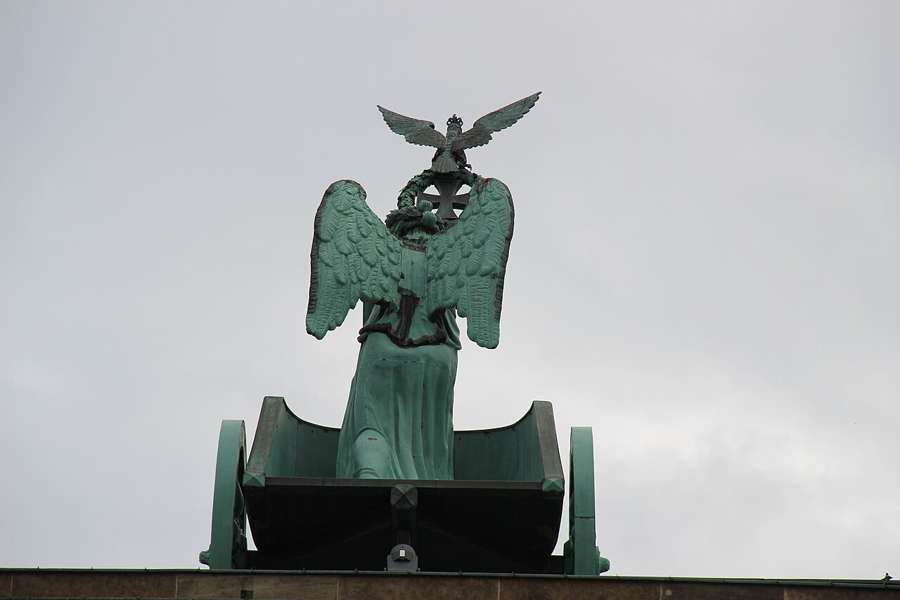
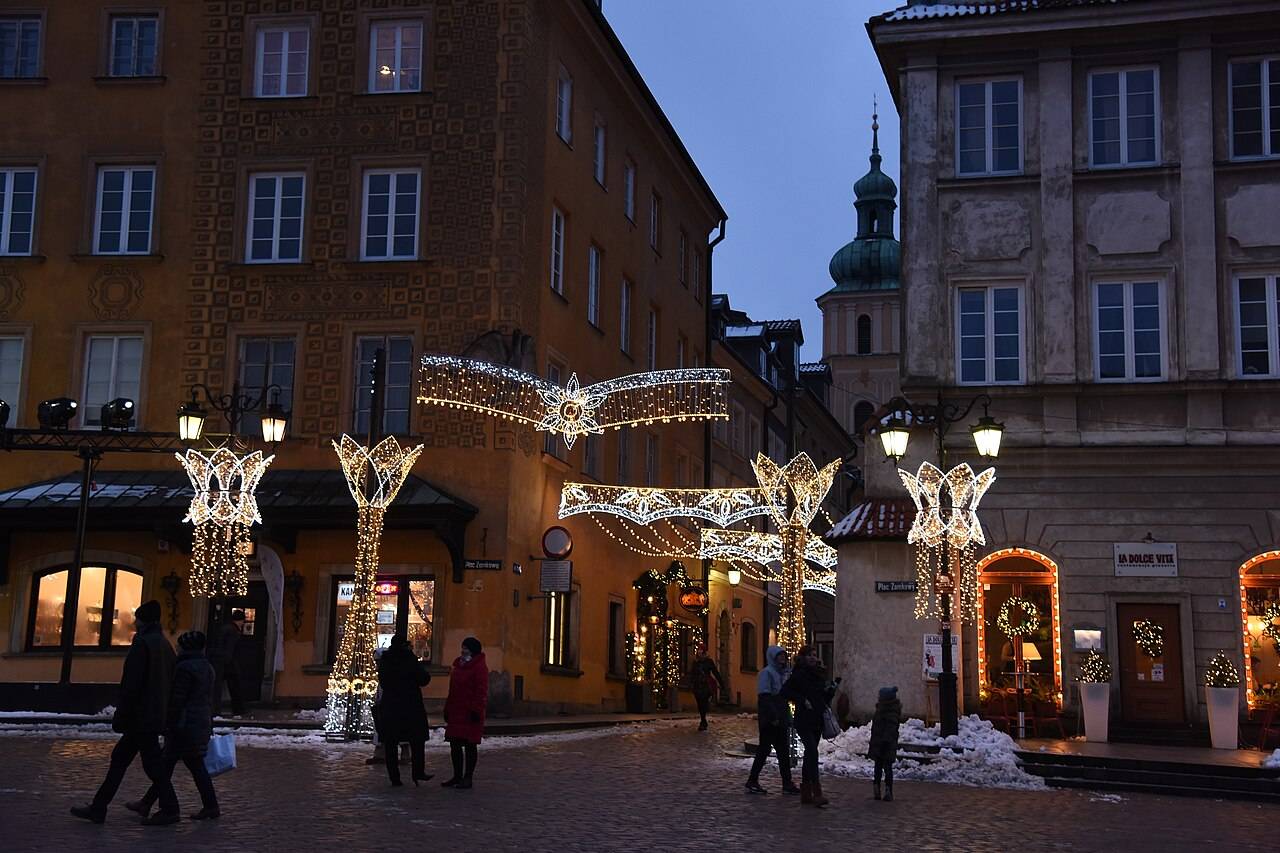
* Photos: Brandenburg Gate, Berlin by Gary Todd (CC0, Wikimedia Commons); Warsaw Old Town by Rakoon (CC0, Wikimedia Commons).