Polish Dating Etiquette: Flirting, Communication and Expectations
The essentials: Be on time (15 minutes late can end the date), bring an odd number of non-yellow flowers, offer to pay twice, expect pan/pani formality at first, walk your date to the tram stop, and end with one kiss on the cheek. 61% of Poles aged 18-44 still expect men to pay on dates (CBOS 2025).
Dating customs travel poorly. What reads as normal confidence in Toronto or London can land as pushy in Poland, and what feels like stiff formality to a newcomer is often just Polish courtesy doing its job. This guide covers the practical etiquette of dating in Poland - punctuality, flowers, paying, formality, meeting the family - with survey data where it exists and clear labels where customs are simply customs. For what to actually say, our guide to talking about attraction respectfully in Polish has the phrases.
Punctuality is not optional
Start with the rule that costs expats the most second dates: be on time. Culture.pl's dating guide warns that showing up more than fifteen minutes late risks ending the date before it starts - and notes the custom has academic roots: Polish universities traditionally let students leave if the lecturer is over fifteen minutes late. If you are genuinely stuck, call or text before the agreed hour, not after. Data source: Culture.pl, "How to Survive a Polish Date" (updated 9 February 2026), checked 22 October 2026.
Scheduling has a second, practical layer. Many Poles rely on public transport, which thins out after midnight, so a 9 PM start on a weeknight quietly caps how long the date can run. Early-evening meetings - 6 or 7 PM - are the norm for a first date, and nobody reads them as unromantic.
Flowers: a small gift with real rules
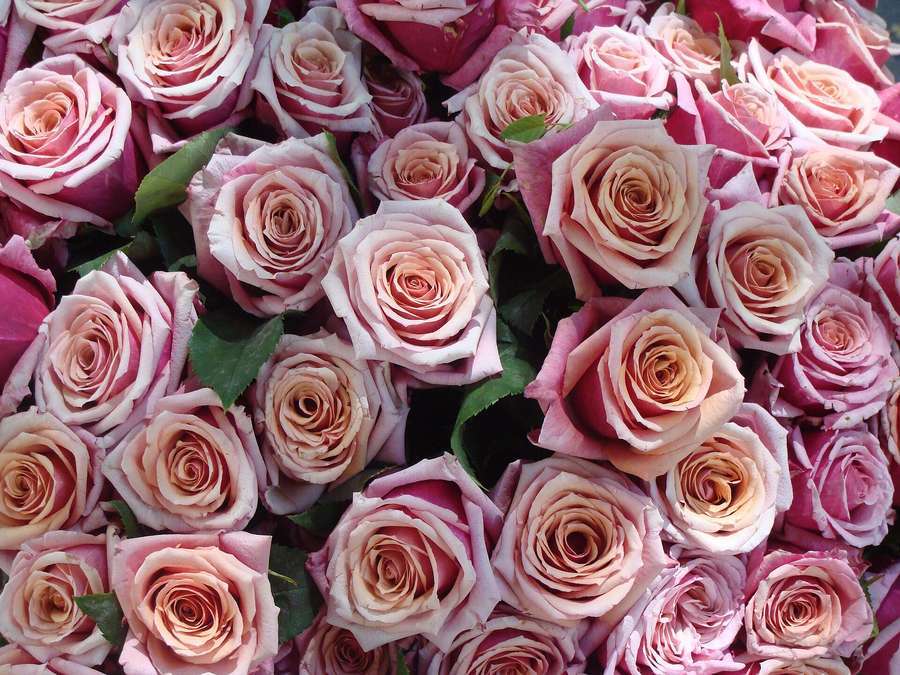
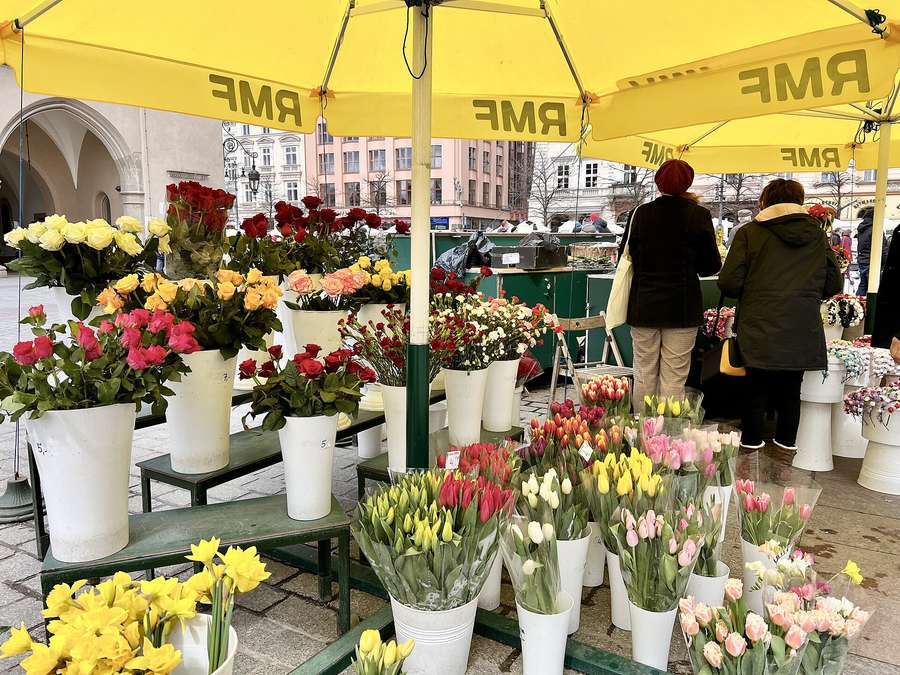
Bringing flowers to a first date is still common and still appreciated, but the bouquet carries meaning. Culture.pl advises avoiding yellow flowers, which are associated with envy and insincerity. A Polish university's savoir-vivre guide for international students adds that chrysanthemums and white lilies are funeral flowers in Poland - fine at a cemetery, wrong on a date. Roses in other colors are safe, and an odd number of stems is the convention for happy occasions. Data sources: Culture.pl (updated 9 February 2026) and WSEI University savoir-vivre guide (2024), checked 22 October 2026.
One behavioral note from the same Culture.pl guide: if your date brings you flowers, accept them graciously even if you dislike flowers. Joking about the gesture reads as rejecting the person, not the bouquet.
Who pays: the survey says "it depends" - with a traditional lean
Attitudes to the bill sit exactly where Poland sits culturally: between Western Europe's split-by-default and older expectations. In a 2025 CBOS survey of Poles aged 18-44, 61% endorsed the traditional statement that men should pay for women on dates - a majority, but far from universal. The same survey found 88% approving of men holding doors for women, so expect old-fashioned courtesies even from dates who happily split the bill. Data source: CBOS survey no. 52/2025 (published 3 June 2025), checked 22 October 2026.
The mechanics matter as much as the principle. Culture.pl describes a very Polish ritual around paying: it is basic politeness to refuse the first offer and accept the second or third. So if you want to pay, offer twice. If you would rather split, offer once and accept the counter-offer graciously. Turning the bill into a negotiation at the table is the only real faux pas.
A related custom: it is considered rude for one person to order food or alcohol while the other has nothing. Mirror your date - if they order a main, order a main; if they are only drinking, keep it to drinks.
Formality: pan, pani and the road to "ty"
Polish has a formal register - pan for men, pani for women - and adults meeting for the first time default to it, even on dates between people in their thirties. Dropping straight into first-name informality can feel presumptuous; staying formal for months feels cold. The transition usually happens naturally around the second or third meeting, often marked explicitly: someone proposes "może przejdziemy na ty?" - shall we switch to ty? Accepting is a small milestone in the relationship, and the proposal itself is a low-risk way to signal interest.
Directness runs the other way too. Poles are generally more comfortable saying "no" plainly than North Americans, and a polite-but-clear "thank you, but I'm not interested" is respected, not punished. Read a vague answer as a soft no rather than a challenge to try harder.
Chivalry today: appreciated, not assumed
The CBOS 2025 data sketches the modern balance. Alongside the 88% for door-holding, 81% endorsed men being able to drive - while 69% rejected the idea that a man should never cry or show weakness. In practice: traditional gestures are welcomed, rigid machismo is not. Opening doors, walking on the street side of the pavement, helping with a coat - these are noticed and appreciated by many Polish dates, from men and increasingly as general courtesy regardless of gender. Data source: CBOS survey no. 52/2025, checked 22 October 2026.
Choosing the venue - and what your choice signals
The classic first-date options in Poland are coffee, a walk, or the cinema - and even the cinema has a rule. Culture.pl points out that an open invitation "to the movies" reads as more forward than an invitation to a specific film: the first says you are interested in the person, the second that you are genuinely interested in the film. Pick whichever signal you actually mean to send. Dinner invitations carry more weight still, which is why many first dates stay at coffee-and-cake level; Poland's café culture makes that easy.
If food is involved, curiosity beats caution. Poles are proud of their cuisine, and Culture.pl's advice to foreigners is to try it but order within your limits - when in doubt, pierogi are the safe bet, while blood sausage and tripe soup are acquired tastes. A cooking workshop or wine tasting makes a good second or third date: an activity gives you something to talk about while the pan/pani formality is still thawing. Data source: Culture.pl, checked 22 October 2026.
Between dates: texting and pace
Messaging between dates in Poland runs at a steadier, less theatrical pace than the North American pattern. Good-morning and good-night texts are common once you are seeing each other regularly, and silence for two or three days after a date reads as waning interest rather than strategic coolness. At the same time, excessive messaging before you have met - a habit dating apps encourage - can feel intense. The working rule: confirm the plan, be responsive, and save the big conversations for in person.
One trap to avoid in both texts and conversation: ignorant jokes about Poland. Culture.pl is blunt about it - no Pole will be charmed by hearing their country described as a post-Soviet backwater, and even if your date criticizes Poland themselves, joining in is risky. Asking questions works far better than making jokes.
How a date typically ends
Two closing customs surprise foreigners. First, escorting: walking your date to their tram or bus stop is the standard, unremarkable end to an evening, and if you arrived by car you are expected to offer a lift to a place of their choosing. Second, the goodbye itself: Polish dates usually end with a single kiss on the cheek - one, not the two or three of family gatherings, which Culture.pl notes are "for aunts and grandmas." An awkward wave reads as rejection; an aggressive goodbye reads as too much. Data source: Culture.pl, checked 22 October 2026.
The longer arc: family and marriage
If dating turns serious, expect the family stage to matter. Meeting parents is a significant step, typically marked by an invitation to a home meal, and first impressions there carry weight - bring flowers or a small gift, use pan/pani until invited to do otherwise, and expect direct questions about your intentions and work.
Marriage itself remains a live institution in Poland, though couples marry later than they used to. Eurostat data puts the mean age at first marriage at 28.9 in 2024, up from 26.6 in 2013 - still one of the youngest in the EU, where the midpoint across reporting countries is 30.8 and Sweden tops the table at 35.2. In dating terms: the "what is this leading to" conversation tends to arrive earlier in Poland than in Western Europe, and treating it as pressure rather than practicality is a common expat misread. Data source: Eurostat indicator tps00014, 2024 data, checked 22 October 2026.
Name days, birthdays and small occasions
Once you are dating seriously, one calendar quirk matters: many Poles celebrate their imieniny - name day - as well as their birthday, and forgetting it can sting more than forgetting the birthday. Name days are listed in Polish calendars and a quick search by first name gives the date. Flowers or a small gift are standard. The broader principle is the one running through this whole guide: in Poland, remembered small gestures carry more weight than grand ones.
Frequently asked questions
Should I split the bill on a first date in Poland?
Offering is always safe. A 2025 CBOS survey found 61% of Poles aged 18-44 still expect men to pay for women on dates, so men should be prepared to cover it - but many dates will prefer to split, and the custom is to refuse the first offer and accept the second.
When do we switch from pan/pani to first names?
Usually around the second or third meeting. Either person can propose it - "może przejdziemy na ty?" - and the proposal itself is a friendly signal of interest, not an imposition.
Are flowers expected on a first date?
Not expected, but common and well received. Bring an odd number of stems, avoid yellow (envy and insincerity) and avoid chrysanthemums or white lilies, which are funeral flowers in Poland.