Kiszonki in Poland: an expat guide to fermented food
The essentials: Kiszonki are vegetables preserved by lactic-acid fermentation - cucumbers, cabbage, beets. Polish labeling guidance (gov.pl, 15.06.2019) reserves the names kiszone and kwaszone for naturally fermented products. Read the ingredients: vegetable, salt, water, spices - no vinegar.
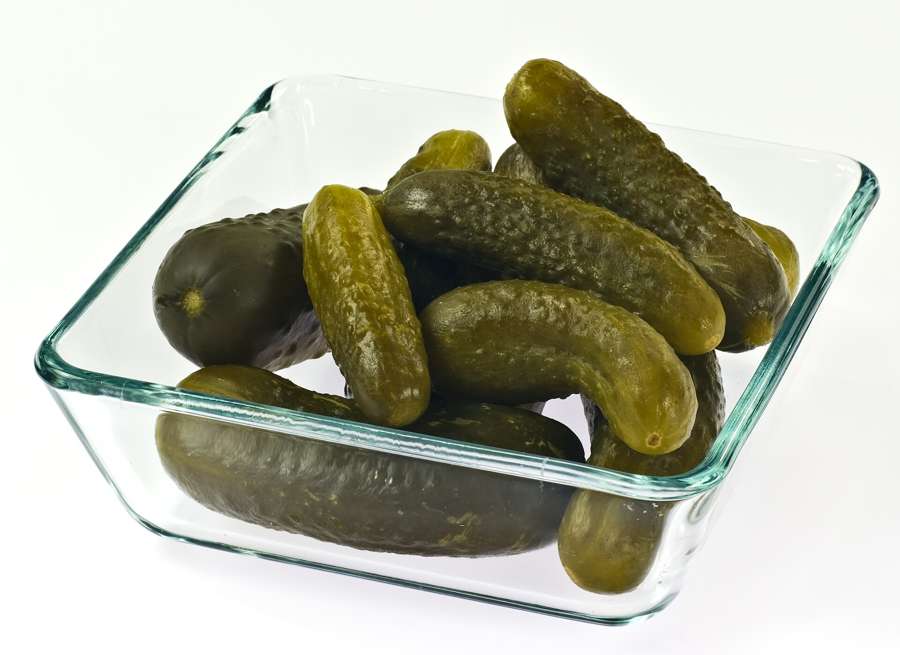
Every autumn, barrels appear at Polish market halls and the lids come off. Inside, bobbing in cloudy brine with dill flower heads and garlic cloves, are ogorki kiszone - cucumbers transformed by a few weeks of lactic-acid fermentation into something sour, crunchy and faintly effervescent. Next to them sit tubs of kapusta kiszona, shredded cabbage gone the same way, and jars of ruby beet brine. This is kiszonki, Poland's fermented-food tradition, and it is one of the oldest and healthiest corners of the national kitchen. For an expat it is also one of the most confusing, because the shelf next to the real thing is full of lookalikes that were never fermented at all. Here is how to tell them apart, where to find the good stuff, and how to start a jar of your own.
Fermented, not vinegared: the one distinction that matters
Polish has two families of words on the pickle shelf. Kiszone (or kwaszone) means fermented: the vegetable sits in salted water and lactic-acid bacteria do the preserving, producing the sour taste naturally. Konserwowe means preserved in vinegar - the sourness is poured in from a bottle. They look identical in the jar and taste noticeably different: vinegar pickles are sharply, one-dimensionally sour, while fermented ones have a deeper, rounder tang and a slight fizz.
This is not just foodies being precious - it is a labeling issue with official weight. Poland's trade-inspection guidance on the labeling of fermented vegetable products, published on gov.pl on 15 June 2019, states that products sold under the names kiszone or kwaszone should be preserved naturally through lactic fermentation, and that if a producer adds acetic acid for preservation, the product should be renamed accordingly - for example, cabbage preserved with acetic acid - because using the kiszone label for a vinegar product misleads the buyer. In practice the word on the front of the jar is not a guarantee, so the habit to build is simple: turn the jar around.
The ingredient list test. A genuinely fermented product contains the vegetable, water, salt and perhaps natural spices - dill, garlic, horseradish, bay leaf, allspice. If you see ocet (vinegar, in any form: spirytusowy, jablkowy, winny) on the list, it is a vinegar pickle. Vitamin C (ascorbic acid) or citric acid in small amounts does not disqualify a product; those are colour stabilisers, not preservatives. Vinegar is the red flag.
The classics you will actually meet
Ogorki kiszone are the flagship: small cucumbers fermented in brine with dill flowers, garlic, horseradish root and often oak or cherry leaves, whose tannins keep them crisp. They are eaten straight from the jar, chopped into salads, and cooked - yes, cooked - into ogorkowa, the sour cucumber soup covered in our soups guide.
Ogorki malosolne are the summer halfway house: cucumbers in brine for only a day or three, still green and fresh-tasting but lightly soured. You will find them at markets from June to September, and Poles eat them like apples.
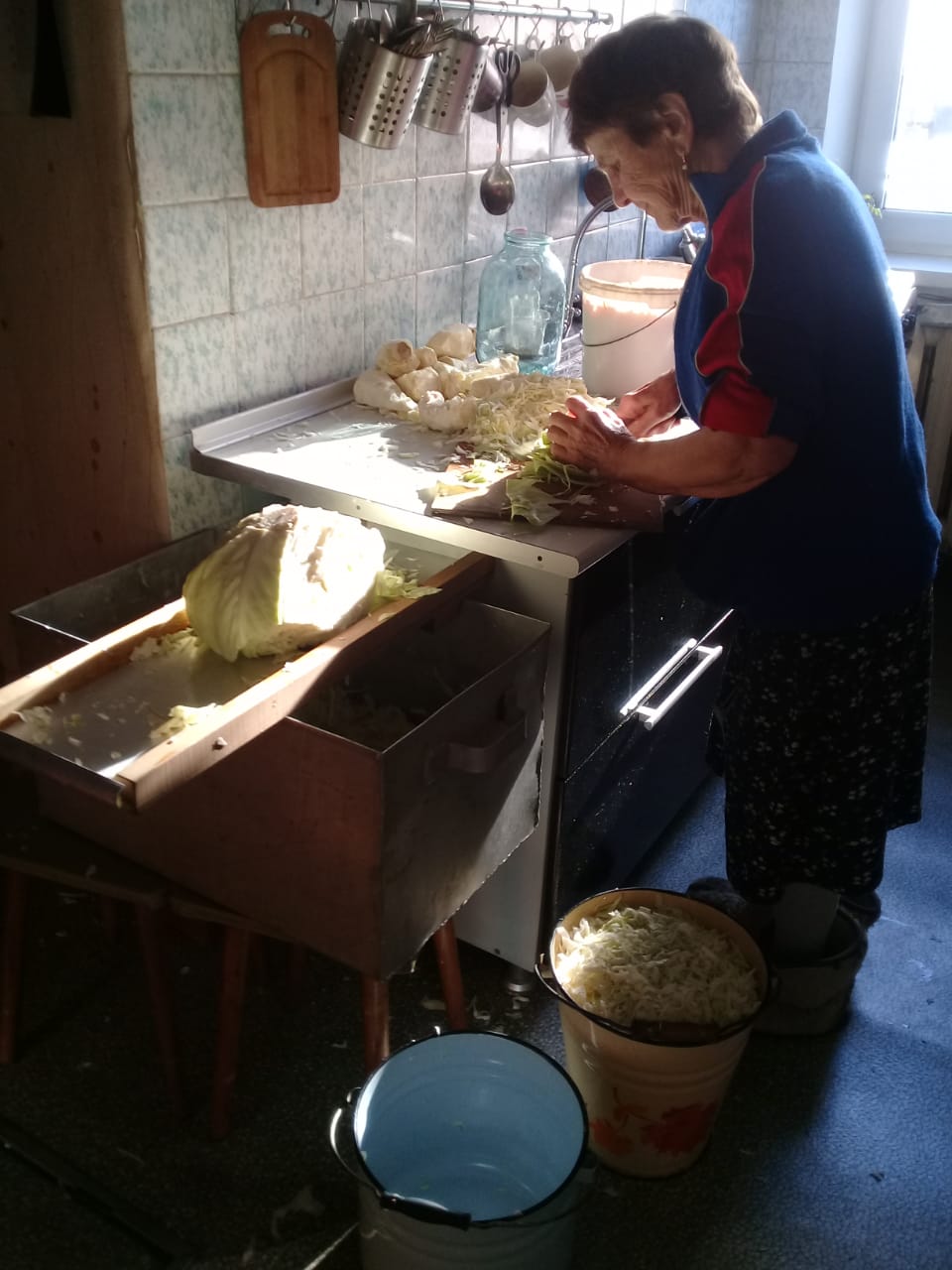
Kapusta kiszona is fermented shredded cabbage - sauerkraut, but a Polish staple rather than a German import in local eyes. It is the base of bigos (hunter's stew), the filling of pierogi ruskie z kapusta and the Christmas Eve mushroom pierogi, and a side dish for roast meats. Market vendors sell it by weight from the tub, often with carrot grated in.
Zakwas burakowy is fermented beet brine - the sour foundation of the clear red barszcz served at Christmas. Bottled versions appear in shops from October as Wigilia approaches, and the deep-red liquid is also drunk straight as a tonic.
Zakwas na zurek is a fermented rye-flour starter, the soul of zurek soup. You can buy it bottled, which turns making zurek at home from a week-long project into a twenty-minute one. Kwas chlebowy, the fermented bread drink, rounds out the family: a mildly sour, slightly fizzy soft drink sold in bottles in every supermarket.
The kraśnickie: pickles with paperwork
Fermentation is so embedded in Polish food culture that individual products carry official recognition. Ogorki kiszone krasnickie - fermented cucumbers from the Krasnik area of the Lublin region - were entered on the Ministry of Agriculture's national list of traditional products on 23 January 2006. The ministry's entry, published on gov.pl on 3 June 2018, describes the specification in detail: oval, symmetric cucumbers six to fifteen centimetres long, olive-green, firm and crunchy, with the characteristic aroma of the pickling spices. Production centres on the village of Rzeczyca Ziemianska, where fish ponds and the Karasiowka river create a humid microclimate that locals credit for the cucumbers' quality, and the pickling and selling tradition there goes back to the 1960s. When a country gives a pickle this kind of paperwork, take the hint: this is not a garnish, it is a pillar of the cuisine.
Are they actually good for you?
Carefully stated, the evidence is promising but modest. A systematic review and meta-analysis published in Frontiers in Nutrition on 10 October 2025 pooled 25 studies and found fermented-food consumption associated with improvements in bowel-movement frequency, stool consistency, gastrointestinal symptoms and intestinal transit time - while rating the certainty of evidence as mostly low and calling for better trials. A randomised crossover trial published in the European Journal of Clinical Nutrition on 19 June 2026 had 87 healthy participants eat 100 grams of sauerkraut daily for four weeks, comparing fresh and pasteurised versions. It found a small reduction in systolic blood pressure with both - meaning live bacteria were not essential to that effect - and no meaningful change in gut-barrier or inflammatory markers in healthy people.
The practical takeaways: fermented vegetables are a reasonable, tasty way to eat more vegetables and fibre; the live cultures in unpasteurised products may help your digestion; and the health claims on the internet run well ahead of the science. One real caution: kiszonki are salty. If you have hypertension or kidney issues, treat the brine especially as a seasoning, not a beverage.
Where to buy the real thing
Market halls and farmers' markets are the best source. Vendors sell ogorki and kapusta straight from the barrel or tub - the products covered in our market-halls guide - and what comes out of a working brine barrel is alive by definition. Ask for ogorki kiszone z beczki (from the barrel).
The chilled section of supermarkets is the next best. Fermented products with live cultures cannot sit on a shelf at room temperature without continuing to ferment, so jars in the fridge - especially those labelled as containing live cultures, zywe kultury bakterii, or unpasteurised, niepasteryzowane - are the real thing.
The shelf-stable aisle is where the lookalikes live. A jar that survives months at room temperature is either pasteurised (no live cultures, though still fermented in flavour if the ingredients are clean) or a vinegar pickle. Read the label, decide what you want, and buy accordingly - pasteurised fermented cabbage is still fine for bigos.
Fermenting your own
Home fermentation needs no special equipment: a clean jar, vegetables, water and salt. The standard brine is about two percent salt - 20 grams per litre of water - and the one unbreakable rule is that the vegetables must stay completely submerged, weighed down under the brine, because mould grows on whatever floats. Cover the jar loosely so gas can escape, keep it at room temperature, and taste from day three or four: cucumbers are pleasantly sour in five to ten days, cabbage in one to three weeks. Then move the jar somewhere cool to slow the process. White film on the surface can be skimmed; anything fuzzy, pink or smelling of rot means the batch goes in the bin, without negotiation. Start with a one-litre jar of cucumbers, dill and garlic in October, when field cucumbers are cheap, and you will understand the barrel season from the inside.
In the Polish kitchen
Kiszonki are ingredients, not just snacks. Chopped ogorki kiszone go into vegetable salad and tartar sauce; whole ones accompany nearly every traditional dinner. Kapusta kiszona braises with pork, fills pierogi and bigos, and stars in kapusniak soup. The brine itself is a kitchen asset: it sours zurek-style soups, replaces vinegar in dressings, and has a folk reputation as a morning-after remedy. Nothing goes to waste - which, as our bread guide explains, is close to a national principle.
Frequently asked questions
What is the difference between kiszone and konserwowe?
Kiszone (also written kwaszone) means lactic-fermented: the vegetable sours naturally in salted brine over days or weeks. Konserwowe means preserved with vinegar. Polish trade-inspection guidance from 15 June 2019 says the kiszone label belongs to naturally fermented products, so check the ingredients: if you see ocet (vinegar), it is a vinegar pickle, whatever the front label says.
Where can I buy real fermented pickles in Poland?
Best at market halls, where vendors sell ogorki kiszone and kapusta kiszona straight from the brine barrel. In supermarkets, look in the chilled section for jars marked as unpasteurised or containing live cultures. Shelf-stable jars are pasteurised or vinegar-pickled - fine to eat, but without live cultures.
Are kiszonki actually good for you?
A 2025 meta-analysis in Frontiers in Nutrition linked fermented foods to modest digestive benefits, while rating the evidence as mostly low certainty. A 2026 trial found daily sauerkraut slightly lowered systolic blood pressure in healthy adults. They are a healthy way to eat more vegetables, but they are salty - moderation if you watch your blood pressure.
What is ogorek malosolny?
A half-sour cucumber: the same brine as ogorki kiszone but only a day or three of fermentation, so it stays green, crisp and mild. It is a summer seasonal treat at markets and greengrocers, eaten fresh as a snack.
Can I ferment vegetables at home?
Yes - you need only a clean jar, vegetables, water and about 20 grams of salt per litre. Keep everything submerged under the brine, cover loosely, and taste from day three. Cucumbers take five to ten days at room temperature, cabbage one to three weeks. Anything fuzzy or rotten-smelling goes in the bin. <em>Cover: Polish-style pickled cucumbers - photo by Nikodem Nijaki, CC BY-SA 3.0, via Wikimedia Commons. Body: Preparing homemade sauerkraut by hand - photo by Afanasovich, CC BY 4.0, via Wikimedia Commons.</em>
Sources
- gov.pl WIJHARS Olsztyn - labeling of fermented vegetables (15.06.2019)
- Ministry of Agriculture - ogorki kiszone krasnickie, traditional products list (03.06.2018)
- Frontiers in Nutrition - fermented foods meta-analysis (10.10.2025)
- European Journal of Clinical Nutrition - fresh vs pasteurised sauerkraut trial (19.06.2026)