Polish Kindergarten vs. Canadian Preschool: What's Different?
A personal essay by a Canadian living in Poland. The views and experiences are the author's own.
What to know: A Canadian parent compares Polish przedszkole and Canadian preschool and finds no universal winner: the differences are in routines, play, meals, language and costs.
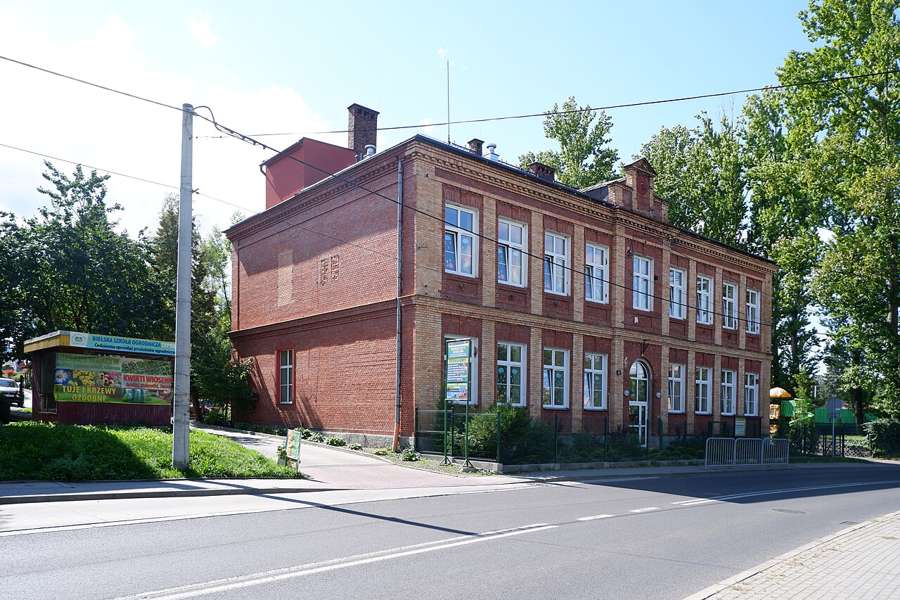
From daily routines and outdoor play to meals, discipline, language, and school readiness, Polish kindergarten and Canadian preschool can feel surprisingly different. As a Canadian expat in Poland, here's what parents should understand before choosing an early childhood program.
When you move from Canada to Poland with young children, you expect certain things to be different.
The language, obviously.
The food.
The weather.
The way people interact.
But one thing I hadn't fully appreciated was just how different early childhood education could feel.
In Canada, we're familiar with preschool, daycare, kindergarten, and early learning programs. Depending on the province, children might attend a play-based preschool before entering kindergarten at age four or five.
In Poland, the system works differently.
Children generally attend przedszkole, which translates to preschool or kindergarten, before beginning primary school.
At first, that sounds simple enough.
But the more you look into it, the more differences you discover.
The daily schedule.
The meals.
The educational expectations.
The relationship between teachers and parents.
The role of outdoor play.
Even the way children are encouraged to become independent.
And if you're a Canadian parent moving to Poland, those differences can be both exciting and a little intimidating.
So is Polish kindergarten better than Canadian preschool?
I don't think there's a universal winner.
But I do think the comparison reveals some fascinating differences in how the two countries approach early childhood.
1. First, Polish Kindergarten and Canadian Preschool Aren't Exactly the Same Thing
Before comparing the two systems, there's an important distinction.
In Poland, przedszkole generally serves children from age three until they begin primary school, usually at age seven.
Some younger children may be admitted under specific circumstances.
The year before primary school is a compulsory preschool preparation year, commonly called zerówka, for six-year-olds.
In Canada, the terminology is different.
Preschool is generally an optional early childhood program for younger children.
Kindergarten is part of the school system, but the starting age varies by province.
For example, Ontario offers a two-year kindergarten program for children who turn four or five during the calendar year.
British Columbia generally begins kindergarten in the year a child turns five.
That means a five-year-old in Canada may already be attending elementary school, while a five-year-old in Poland is usually still attending przedszkole.
This difference matters because parents may otherwise compare programs designed for different age groups.
For the fairest comparison, I would look at Polish przedszkole alongside Canadian preschool and early kindergarten programs, while remembering that provincial policies and individual schools vary.
2. The Daily Schedule: Polish Preschool Can Feel More Structured
One of the first differences parents may notice is the organization of the day.
Polish preschools often follow a predictable daily schedule.
There may be designated times for breakfast, organized activities, outdoor play, lunch, rest or quiet activities, and afternoon snacks.
The day can feel quite structured.
Children know when they eat.
When they play.
When they participate in teacher-led activities.
And when it's time to clean up.
Canadian preschools also use routines, of course.
But many Canadian early childhood programs emphasize child-led exploration and flexible play-based learning.
Children may spend significant periods choosing activities based on their interests.
One child might spend twenty minutes building with blocks.
Another might explore art materials.
Another might spend most of the morning in imaginative play.
In practice, the difference depends enormously on the individual program.
Some Polish preschools are highly play-oriented.
Some Canadian programs have very structured schedules.
Still, Polish przedszkole may initially feel more formal to parents accustomed to a particularly flexible Canadian preschool environment.
What I Think
I like structure.
Young children often benefit from predictable routines.
But I also value giving children opportunities to explore, experiment, and make choices.
For me, the ideal preschool combines both.
A clear routine without turning every moment into an organized lesson.
3. Meals: One of the Biggest Practical Differences
Food is an area where Polish preschool can feel noticeably different.
Many Polish preschools provide meals as part of the daily routine.
Depending on the facility and hours attended, children may receive breakfast, lunch, and an afternoon snack.
Some programs prepare food on-site, while others use catering services.
Meals are often served at set times, and children eat together.
In Canada, arrangements vary widely.
Some daycare centers provide meals and snacks.
Other preschools expect parents to send food from home.
In many school-based kindergarten programs, children bring their own lunches.
For a Canadian parent accustomed to packing a lunchbox every morning, the Polish approach can be convenient.
Imagine not having to spend every evening deciding what to pack for tomorrow.
No more searching for the correct lunch container.
No more wondering whether your child will actually eat the sandwich you prepared.
Of course, Polish preschool meals may introduce unfamiliar foods.
Soups.
Potatoes.
Buckwheat.
Cabbage dishes.
Different types of meat.
And traditional Polish meals that children from other countries may never have encountered.
For some children, this is a wonderful opportunity to try new foods.
For picky eaters, it can be challenging.
I'd want to ask the preschool how it handles food allergies, dietary restrictions, and children who are reluctant to eat.
What I Think
I love the convenience of provided meals.
But I would also want a school that respects children's appetites and doesn't pressure them to finish everything on their plates.
My preference: Poland for convenience, provided the food policy is supportive and flexible.
4. Outdoor Play: Canada Has a Strong Outdoor Education Culture
This is one category where I find the Canadian approach particularly appealing.
Many Canadian early childhood programs place significant emphasis on outdoor learning.
Depending on the province and program, children may spend time exploring natural environments, playing in different weather conditions, and participating in outdoor activities.
Forest schools and nature-based early childhood programs have also gained attention in Canada.
The philosophy is that children learn through movement, exploration, curiosity, and interaction with their environment.
Polish preschools also include outdoor play.
Many have playgrounds, gardens, and scheduled outdoor time.
But the amount of time spent outside can vary depending on the school, weather, staffing, and facilities.
Some Polish preschools have excellent outdoor programs.
Others may spend more time indoors, especially during colder months.
I wouldn't assume that every Canadian preschool is more outdoors-focused than every Polish preschool.
But I would definitely ask about outdoor time when comparing schools.
How often do children go outside?
Do they play outdoors in winter?
Are there opportunities for nature exploration?
Is outdoor play mostly free play or organized activity?
What I Think
For young children, outdoor play is extremely important.
I want children to run, climb, explore, get muddy, and experience different seasons.
My preference: Canada's outdoor-learning emphasis, although an individual Polish preschool with a strong outdoor program could easily be just as appealing.
5. Learning Through Play vs. Preparing for School
Both Poland and Canada recognize the importance of play in early childhood education.
But the way programs balance play with school preparation can differ.
In Poland, przedszkole follows a national core curriculum that supports children's physical, emotional, social, and cognitive development.
As children approach primary school, activities increasingly help them develop the skills needed for formal education.
That may include early literacy, mathematical concepts, communication, coordination, and independence.
The compulsory preschool preparation year for six-year-olds plays a particularly important role.
In Canada, early childhood curricula vary by province.
Many programs emphasize inquiry, exploration, social development, and play-based learning.
For example, British Columbia's early learning framework places considerable importance on relationships, exploration, and holistic development.
Ontario's kindergarten program also emphasizes play-based and inquiry-based learning.
But Canadian kindergarten isn't simply unstructured play.
Children develop early literacy, numeracy, communication, and social skills through planned learning experiences.
The biggest difference may be the timing and organization of school readiness.
In Poland, children generally begin primary school at seven.
In Canada, children often enter school-based kindergarten earlier.
What I Think
I don't believe children need to be rushed into formal academics.
But I also don't think structure and learning are bad things.
The question is whether children are learning in developmentally appropriate ways.
A good preschool should encourage curiosity, confidence, and enjoyment of learning.
Not simply prepare children to complete worksheets.
6. Independence: Polish Children May Be Expected to Do More for Themselves
One interesting area to investigate is how preschools encourage independence.
In Polish przedszkole, children may be expected to develop everyday self-care skills such as putting on shoes, changing clothes, washing hands, using the bathroom, and managing personal belongings.
These expectations naturally vary by age and individual needs.
Canadian preschools also encourage independence.
But the approach may differ between programs.
Some may offer more individual assistance, particularly for younger children.
Others encourage children to take responsibility for their belongings and routines from an early age.
I find the idea of encouraging independence appealing.
Children often gain confidence when they discover they can do things themselves.
But I think there's a balance.
A three-year-old who struggles with a winter jacket shouldn't feel embarrassed or rushed.
Independence should be encouraged with patience.
Not treated as a competition.
What I Think
I'd look for teachers who help children become capable and confident while respecting their developmental differences.
That's more important than whether the school is Polish or Canadian.
7. Teacher-Child Relationships: Different Styles of Communication
This is one of the most sensitive comparisons because teaching styles vary so much between individuals.
In Canada, parents may be familiar with early childhood educators using warm, encouraging language and explaining expectations through positive guidance.
Polish teachers can be equally warm and supportive.
But communication styles may sometimes feel more direct to parents accustomed to North American social norms.
A Polish teacher might communicate a concern plainly.
A Canadian educator might use a more indirect or carefully softened explanation.
Neither approach automatically indicates better teaching.
Cultural expectations influence how adults communicate.
What matters most is whether teachers treat children with patience, respect, and care.
I'd want to observe how educators respond when a child is upset.
Do they comfort the child?
Do they explain expectations?
Do they encourage children to solve problems?
How do they handle disagreements between children?
And do they communicate openly with parents?
Those questions reveal far more than nationality.
8. Language: A Major Challenge for Canadian Children in Poland
If your child speaks English but not Polish, language will probably be one of your biggest concerns.
At first, even simple instructions may be confusing.
Put your shoes on.
Wash your hands.
Come to the table.
It's time to go outside.
For a child who doesn't understand Polish, these ordinary moments can become stressful.
The good news is that young children can learn languages through regular exposure and meaningful interaction.
Preschool can provide a natural environment for learning Polish.
Children hear the language during play, meals, songs, and daily routines.
But adaptation takes time.
Some children begin using Polish words quickly.
Others need months to feel comfortable.
And children with speech, language, or developmental support needs may require additional assistance.
I would strongly recommend asking prospective schools about their experience with children who don't speak Polish.
Do they have staff who speak English?
How do they communicate with parents?
How do they support children during the adaptation period?
Can they provide additional language support?
For a child who has recently moved internationally, feeling emotionally safe is just as important as learning the language.
What I Think
I see bilingualism as a wonderful opportunity.
But I wouldn't sacrifice a child's emotional well-being just to accelerate language learning.
The best environment is one where children can learn Polish while still feeling understood and supported.
9. Preschool Costs: Poland Can Be More Affordable
For families moving from Canada to Poland, childcare costs are often a major consideration.
But comparisons need to be made carefully.
In Poland, public preschool education is generally available without tuition for a specified daily period, while fees may apply for additional hours and meals, subject to current rules.
Private preschools charge tuition, which varies by location, program, and services.
In Canada, preschool and childcare fees depend on the province, age of the child, provider, and applicable government funding.
Canada has expanded publicly supported childcare programs, but fees and availability still vary significantly.
Some families benefit from reduced childcare fees.
Others face waiting lists or limited options.
So I wouldn't automatically assume Poland is cheaper for every family.
But publicly supported Polish preschool can be financially attractive.
The biggest issue may be securing a place in the desired facility.
What I Think
I'd compare the total monthly cost, including meals, extra hours, activities, and transportation.
A low advertised fee doesn't tell the whole story.
10. Nap Time and Rest: What Happens During the Day?
For younger children, rest is an important part of the daily routine.
In Poland, some preschool groups provide a scheduled rest or nap period, particularly for younger children.
The arrangements depend on the child's age and the facility.
Older children may have quiet activities rather than sleeping.
Canadian preschools and childcare centers also vary.
Full-day daycare programs may include naps or quiet time.
Shorter preschool programs may not.
One thing I would investigate is how flexible the school is with children who no longer nap.
Does every child have to lie down?
Are quiet alternatives available?
What happens if a child becomes upset?
And how do teachers respond to individual sleep needs?
I think rest is important.
But children don't all follow identical schedules.
I'd prefer a program that recognizes those differences.
11. Discipline and Behavior: What Parents Should Ask
Discipline is one of the areas where cultural differences can become especially noticeable.
Parents may have different expectations about how teachers respond to tantrums, hitting, refusing instructions, or emotional outbursts.
In Canada, many early childhood programs emphasize positive guidance, emotional regulation, and helping children understand their feelings.
Polish preschools also use a range of approaches, including supportive and developmentally informed methods.
But individual practices can differ.
Rather than assuming one country's approach is better, I'd ask each preschool directly about its behavior policies.
What happens when a child hits another child?
How are conflicts resolved?
How do teachers respond to crying?
Are children ever separated from the group as a consequence?
How are parents informed about behavioral concerns?
And what support is available for children who struggle with transitions?
For me, these questions are non-negotiable.
I want a preschool that teaches boundaries without humiliation or fear.
A child should feel safe even when they're having a difficult day.
12. Communication With Parents: Apps, Meetings, and Language Barriers
In Canada, many parents are accustomed to receiving updates through email, apps, newsletters, or direct conversations with educators.
Polish preschools also use digital communication tools, meetings, announcements, and parent-teacher conversations.
Some private facilities provide detailed updates and photographs.
Others may use simpler communication systems.
But if you don't speak Polish, communication can become challenging.
A message about a school trip might be easy to translate.
A detailed conversation about your child's development is more complicated.
I'd ask whether teachers can communicate in English when necessary.
I'd also want to know how important information is shared.
And if language support isn't available, I'd consider arranging translation assistance for significant meetings.
The goal is to build a relationship with the school.
Because when you're raising a child in a foreign country, you need to feel comfortable asking questions.
13. Holidays, Celebrations, and Polish Traditions
One of the most enjoyable aspects of sending a child to preschool in another country is the opportunity to experience local traditions.
Polish preschools may celebrate holidays and cultural events such as Christmas, Easter, Grandparents' Day, Children's Day, and various seasonal activities.
Children might learn Polish songs, prepare decorations, participate in performances, or make gifts for family members.
For Canadian children, these experiences can be wonderful opportunities to understand Polish culture.
But parents should also be aware that some celebrations may reflect Catholic traditions, depending on the school.
Poland has a strong Catholic cultural heritage, although individual families and institutions vary widely in religious practice.
If your family has different religious or cultural preferences, ask the preschool how it handles participation in religious or culturally specific activities.
I think children benefit from learning about different traditions.
But families should also feel respected.
14. Making Friends: Is It Easier in Poland or Canada?
One thing I find encouraging about preschool-age children is that friendships don't always require perfect language skills.
Children can connect through play.
Building blocks.
Drawing.
Running around.
Sharing toys.
Or simply laughing at something adults don't understand.
A Canadian child attending Polish preschool may initially struggle with communication.
But regular interaction can help them become familiar with classmates.
The bigger challenge may sometimes be for parents.
If you don't speak Polish, arranging playdates and getting to know other families can require extra effort.
I'd try to learn a few useful phrases.
Introduce myself to other parents.
Attend school events.
And encourage regular interaction outside the classroom.
Friendships can help children feel that Poland isn't just the country their parents moved to.
It's becoming their home too.
15. Which Is Better for Children: Polish Kindergarten or Canadian Preschool?
After looking at the differences, I don't think there's a clear universal winner.
Poland has some appealing advantages.
Structured routines.
Potentially affordable public preschool.
Shared meals.
Opportunities to learn Polish.
And a clear preschool preparation pathway before primary school.
Canada also has strengths.
Strong traditions of play-based learning in many programs.
Outdoor education opportunities.
Different approaches to family communication.
And, depending on the province, early access to school-based kindergarten.
But neither country guarantees a perfect preschool experience.
A wonderful Polish preschool can be better for a particular child than a mediocre Canadian one.
And a supportive Canadian program can be better than a Polish preschool that isn't a good fit.
The teacher, environment, curriculum, and individual child's needs matter enormously.
Polish Kindergarten vs. Canadian Preschool: Quick Comparison
| Category | Poland | Canada |
|---|---|---|
| Main early childhood program | Przedszkole | Preschool, childcare, and kindergarten |
| Typical preschool ages | Around 3–6 | Varies by program and province |
| Primary school starting age | Usually 7 | Generally earlier, depending on province |
| Compulsory preschool preparation | At age 6 | Varies by province |
| Language of instruction | Usually Polish | Usually English or French, depending on location |
| Meals | Often provided by the facility | Varies by program |
| Daily structure | Often organized around a regular schedule | Often play-based, with varying routines |
| Outdoor learning | Varies by facility | Strong emphasis in many programs |
| Public preschool costs | Subsidized under applicable rules | Varies by province and funding program |
| International family adaptation | Depends on facility | Depends on facility |
This table summarizes broad patterns rather than rules that apply to every school.
What I Would Look for Before Enrolling My Child in a Polish Preschool
If I were choosing a przedszkole in Poland, I would prioritize the following:
1. Warm and patient teachers. A supportive relationship matters more than impressive facilities.
2. Experience with foreign children. I would want staff who understand language barriers and cultural adjustment.
3. A gentle adaptation process. Starting preschool in a new country can be overwhelming.
4. Daily outdoor play. Children need movement, fresh air, and opportunities to explore.
5. Respectful behavior guidance. I would ask detailed questions about discipline and emotional support.
6. Clear communication with parents. Especially important when the family doesn't speak Polish fluently.
7. Reasonable class sizes and appropriate staffing. I'd investigate how much individual attention children receive.
8. Convenient location. A wonderful preschool isn't necessarily worth an exhausting daily commute.
9. Appropriate support for individual needs. Children develop at different rates and may require different accommodations.
10. A happy atmosphere. I'd want to see children who appear comfortable, engaged, and supported.
My Final Verdict: What Matters More Than the Country
When I think about the differences between Polish kindergarten and Canadian preschool, I keep coming back to one thing.
Parents sometimes spend so much time comparing educational systems that we forget what young children actually need.
They need to feel safe.
They need opportunities to play.
They need caring adults.
They need friendships.
They need movement, curiosity, and room to make mistakes.
And they need to know that someone will help them when they're overwhelmed.
A beautiful classroom doesn't guarantee that.
Neither does an expensive private school.
And neither does a country's reputation for education.
What matters is the everyday experience.
Does your child look forward to going?
Do the teachers understand their personality?
Are they making friends?
Are they learning new things?
Do they feel comfortable asking for help?
And are they becoming more confident?
Those are the questions I'd use to judge a preschool.
Not whether it's Polish or Canadian.
Final Thoughts: Would I Choose a Polish Preschool for My Child?
Yes, I would seriously consider it.
Especially for a young child who has time to adapt to the language and culture.
The opportunity to become comfortable speaking Polish, develop local friendships, and experience another educational environment can be valuable.
I also appreciate the convenience that many Polish preschools offer through regular routines and provided meals.
But I wouldn't choose a school simply because it's nearby or because it's the cheapest option.
I'd want to visit.
Meet the teachers.
Observe the atmosphere.
Understand the daily schedule.
And ask how the school supports children who are new to the country.
Because moving from Canada to Poland is already a major transition.
The preschool should help make that transition easier.
Not harder.
So which is better: Polish kindergarten or Canadian preschool?
My answer is that both systems have strengths, and neither country has a monopoly on good early childhood education.
For some children, the structure and language immersion of Polish przedszkole may be an excellent fit.
For others, a Canadian-style play-based environment may feel more comfortable.
And the best Polish preschools can combine both approaches beautifully.
Ultimately, I wouldn't choose based on nationality.
I'd choose the place where my child feels safe, happy, supported, and excited to learn.
Because at three, four, or five years old, that's what education should be about.
Not preparing children to compete with the world.
But helping them feel confident enough to explore it.
---
Frequently Asked Questions About Polish Kindergarten and Canadian Preschool
What age do children start kindergarten in Poland?
Children generally attend przedszkole from around age three until they begin primary school. Six-year-olds are required to complete preschool preparation, commonly known as zerówka. Primary school usually begins at age seven.
Is preschool free in Poland?
Public preschool education is subsidized, with a specified daily period provided without tuition under applicable rules. Additional hours, meals, and other services may involve fees. Eligibility and local arrangements should be verified with the municipality or school.
Can Canadian children attend Polish public preschool?
Canadian children may be eligible to attend Polish public preschool under applicable rules, subject to admission procedures and availability. Families should check requirements with the relevant municipality or facility.
Can a child attend Polish kindergarten without speaking Polish?
Yes. Some preschools have experience supporting children who don't speak Polish. However, the availability of language support varies, and parents should ask about adaptation arrangements before enrolling.
Do Polish preschools provide meals?
Many do. Meals may include breakfast, lunch, and snacks, depending on the facility and schedule. Parents should ask about fees, allergies, and dietary accommodations.
Is Polish preschool more academic than Canadian preschool?
Some Polish programs may appear more structured, especially as children approach the compulsory preschool preparation year. However, both countries recognize the importance of play and developmentally appropriate learning. Individual programs vary significantly.
Do children nap at Polish preschool?
Some younger groups have scheduled nap or rest periods. Older children may have quiet activities instead. Policies vary by facility.
Is Polish preschool better for learning a second language?
Attending a Polish-language preschool can provide regular exposure to Polish through play and daily routines. However, the pace of language development varies, and children should receive appropriate emotional and educational support.
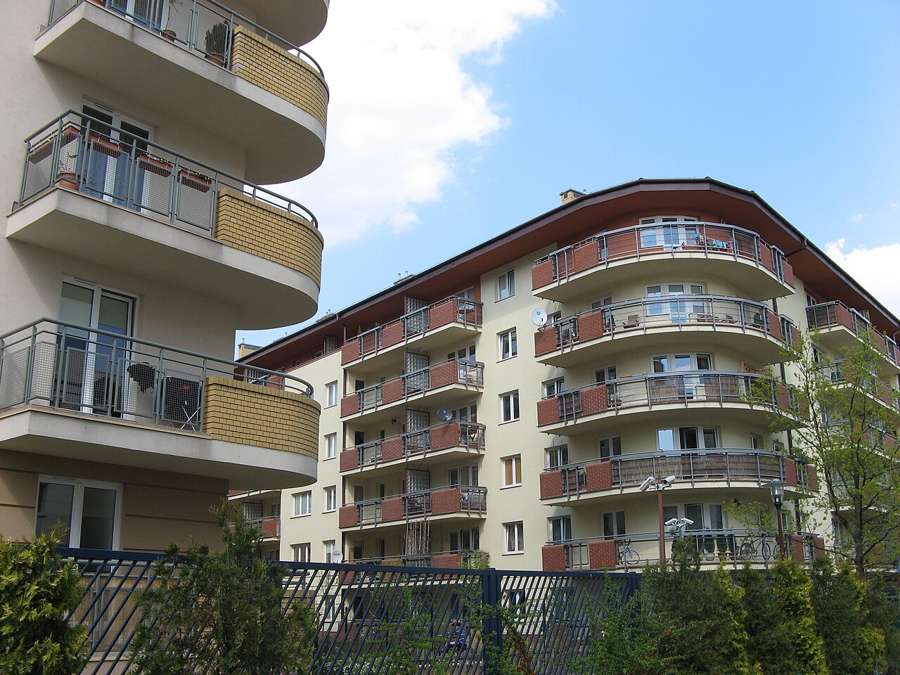
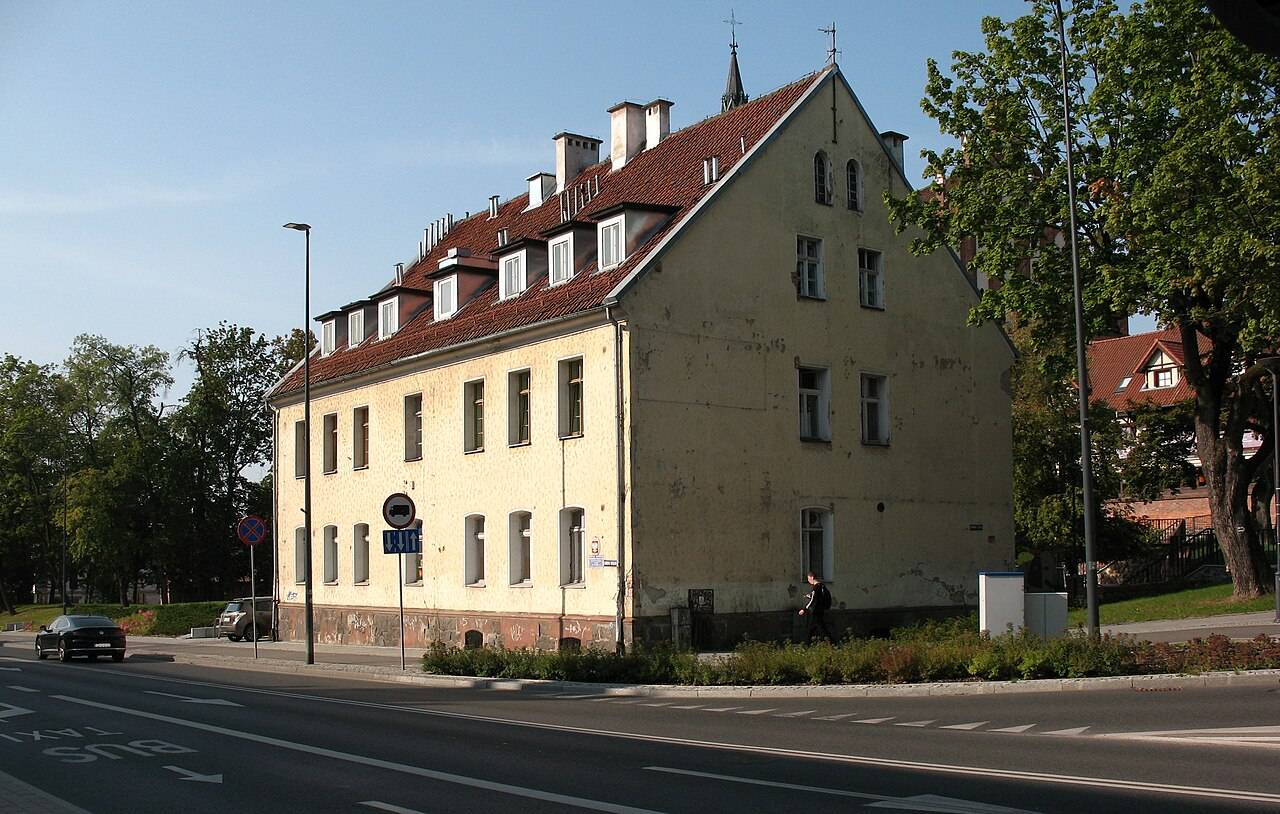
* Photos: Przedszkole Słoneczko, Bielsko-Biała by Kamil Czaiński and a kindergarten on Pieniężnego Street by Lesmad (both CC BY-SA 4.0, Wikimedia Commons).