Polish Winter Culture and Everyday Life: A Guide for Expats
The essentials: Warsaw averages -1.5°C in January (IMGW 1991-2020 normals); the real challenge is the short, dark days. The season runs on a dense calendar - St Nicholas Day, Wigilia, Three Kings, Fat Thursday pączki - plus Christmas markets, ice rinks and Zakopane's slopes. Dress for slush and chase midday light.
Winter in Poland: what the thermometer actually says
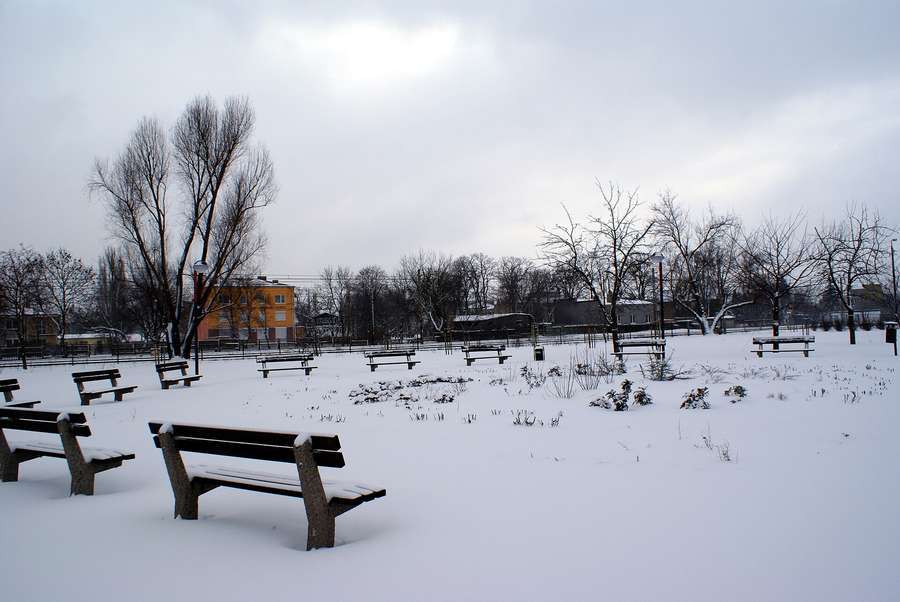
The first thing to calibrate is expectation. Poland's winter is cold but not arctic, and it varies sharply by region. The national climate normals for 1991-2020, published by the Institute of Meteorology and Water Management (IMGW), put Warsaw's average temperature at -1.5°C in January, the coldest month, with December at -0.1°C and February at -0.4°C. The southern mountains run several degrees colder, the Baltic coast a little milder. What surprises newcomers is less the temperature than the light: in late December the sun sets before 15:30 in Warsaw, and the short, often overcast days - not the frost - are what Poles themselves complain about.
Snow is real but no longer guaranteed. Recent winters have swung between weeks of proper snow cover and long grey stretches of drizzle hovering around zero. Locals adapt with a pragmatic rule: dress in layers, keep boots with grip by the door, and make plans that work in either version of the season.
Data source: IMGW-PIB climate normals 1991-2020 (klimat.imgw.pl), checked October 21, 2026.
The regional spread matters for planning. In Zakopane and the Tatras, winter is a full season - reliable snow cover, sub-zero days and the busiest ski weeks around the school winter holidays, which Polish regions stagger across January and February. The Baltic coast swaps snow for wind: Gdańsk and the Tricity are moody, uncrowded and cheaper, with frozen-beach walks that locals treasure. The big cities in between - Warsaw, Kraków, Wrocław, Poznań - get the compromise version: a handful of proper snowfalls, slush cycles in between, and the full programme of markets, rinks and karnawał events regardless of what the sky does.
The calendar: a season structured by celebrations
Polish winter is not a dead season between autumn and spring - it is the most ritual-dense stretch of the year, and knowing the calendar is the fastest way to understand everyday life around you.
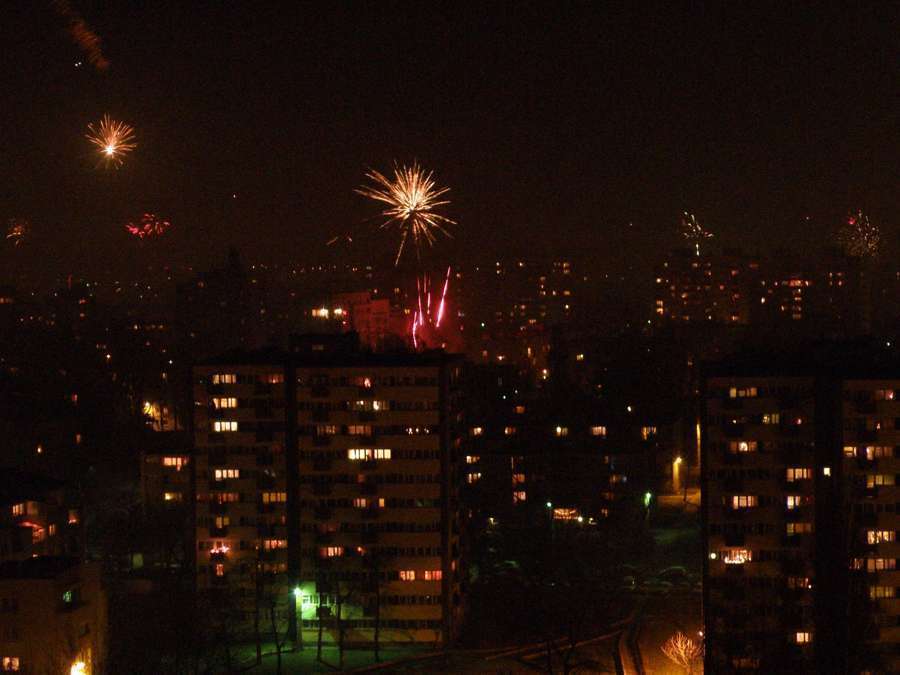
6 December - Mikołajki (St Nicholas Day). Children find small gifts in shoes or under pillows, workplaces hand out chocolates, and the country unofficially opens the festive season. 24 December - Wigilia. The emotional summit of the Polish year: families gather when the first star appears, share the opłatek wafer with personal wishes, leave one empty place setting for an unexpected guest, and serve a meatless supper traditionally built around twelve dishes - barszcz with uszka dumplings, carp, pierogi, poppy-seed makowiec. Shops close early on the 24th; plan groceries ahead. New Year's Eve brings public fireworks and packed squares. 6 January - Trzech Króli (Three Kings). A public holiday closing the season, with city parades of the Three Kings in many towns.
Between and after come the social fixtures: kolędowanie, the carol-singing visits that run into January; Andrzejki at the end of November, the old fortune-telling night of wax poured through keyholes; and the karnawał season of balls and parties that runs from New Year to Lent. If you are invited to any of these, go - they are the warmest door into Polish social life that winter offers.
Two Wigilia customs carry special meaning for foreigners who join one. The empty place setting is not symbolic politeness - an unplanned guest at the door is genuinely seated and fed, a remnant of older hospitality law. And the opłatek exchange, where each pair breaks a piece from each other's wafer with personal wishes, is where Poles say things they rarely say aloud the rest of the year; being included in that circle is a quiet sign of acceptance. First-time guests should also know that gifts wait until after supper, and that the evening is long and unhurried by design.
Tłusty Czwartek: the doughnut day the country takes seriously
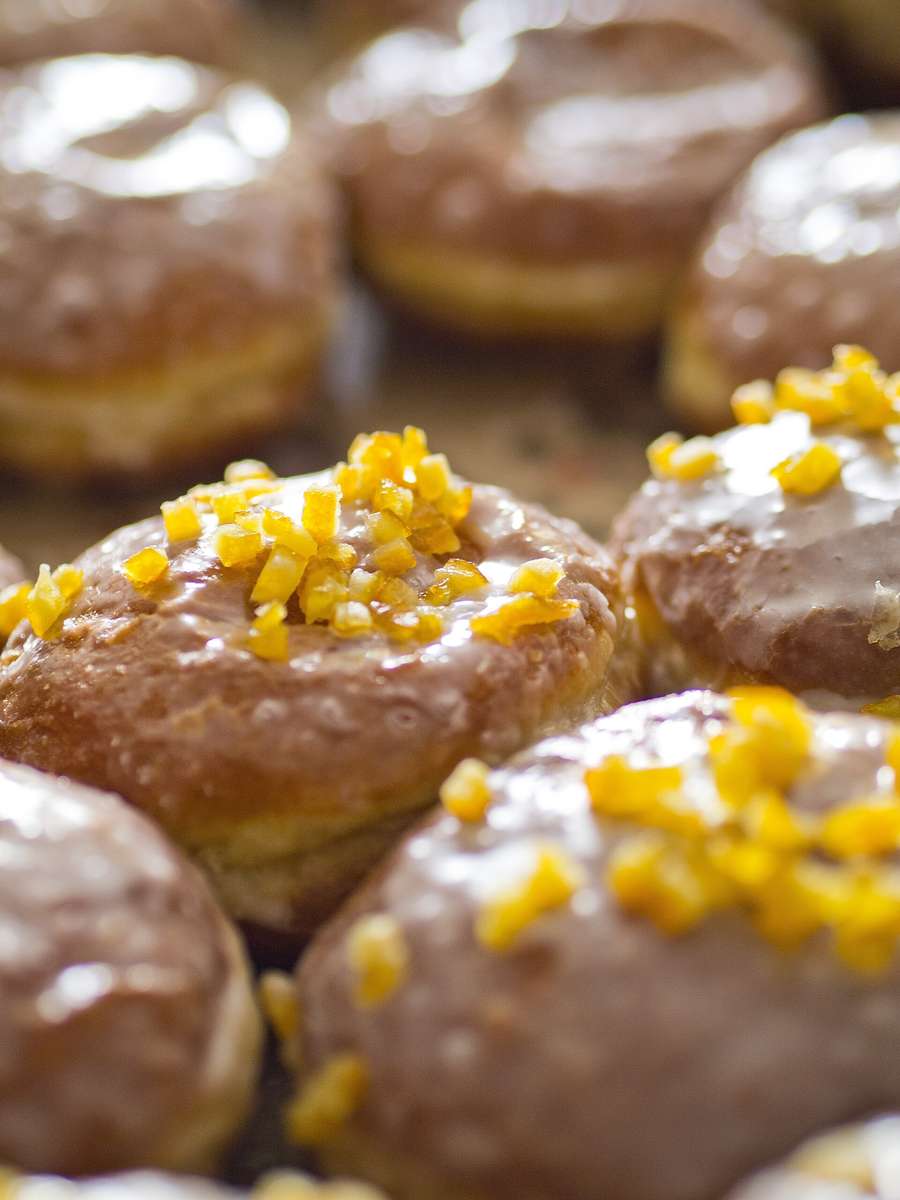
Karnawał ends with a flourish. On Tłusty Czwartek - Fat Thursday, the last Thursday before Lent - Poland eats pączki: deep-fried yeast doughnuts filled with rose-hip or plum jam, glazed and topped with candied orange peel. Queues form at good bakeries before dawn, offices negotiate over boxes, and eating at least one is treated as a civic duty; skipping it, tradition warns, brings bad luck for the year. The following Tuesday brings a quieter companion custom, Ostatki, associated with herring and sledging parties. For a newcomer, Fat Thursday is the easiest cultural win of the winter: bring a box of pączki to work or to friends and you have participated, correctly, in something Polish.
Winter pleasures: markets, ice rinks, sleigh rides and mountains
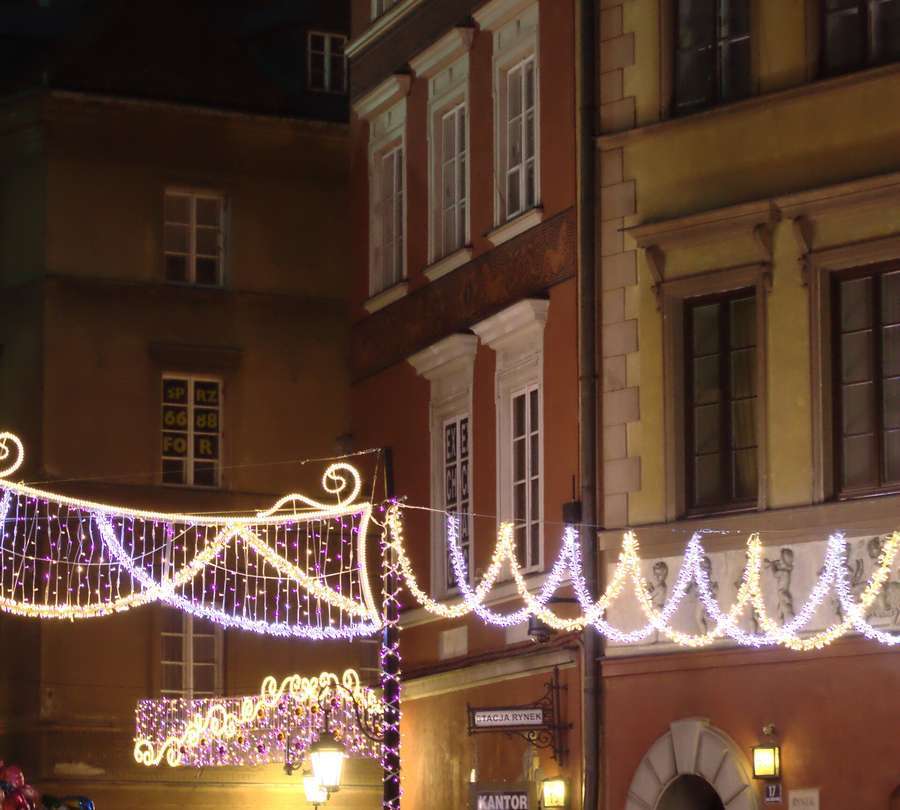
The Polish Tourism Organisation describes winter as one of the country's showcase seasons, and the practical menu backs it up. Throughout December, cities hold open-air Christmas markets - the best known in Kraków's Main Square and Warsaw's Old Town - with handicrafts, grilled oscypek cheese, and grzaniec (mulled wine) against the cold. Kraków adds its UNESCO-listed szopki: elaborate nativity-scene creations entered in a contest judged in early December and then displayed at the city's Historical Museum. Warsaw counters with outdoor ice rinks, including the Old Town rink where skaters circle past the Mermaid statue.
Further south, Zakopane - the country's winter-sports capital at the foot of the Tatras - offers skiing, thermal baths in the Podhale region, and highlander culture: wooden architecture, smoked sheep cheese, and the horse-drawn sleigh rides called kulig, which end, traditionally, around a bonfire with sausages and hot tea. You do not need to ski to belong there; Poles go as much for the food and the mountain air as for the slopes.
Data source: poland.travel "Wintertime in Poland" and "Best Christmas markets in Poland", Polish Tourism Organisation, checked October 21, 2026.
Everyday life: the practical rhythms nobody photographs
Beyond the calendar, winter quietly reorganises daily logistics, and a few rhythms are worth learning early.
Heating and airing. District heating or gas keeps flats warm - often overheated - while the air inside turns dry. Poles manage the clash with a habit that startles newcomers: windows flung wide for a few minutes of intense airing, several times a day, even in frost. It works. Sidewalks. Property managers are responsible for clearing snow from pavements, and cities enforce it - after a snowfall you will see the morning brigades of shovels and salt spreaders, and uncleared stretches are a genuine slipping hazard until they arrive. Footwear and clothing follow function: waterproof boots, a serious coat, and reflective elements on children and pedestrians, which Polish law requires outside built-up areas after dark and which many city families adopt anyway for the dark afternoons.
Food shifts too. Winter menus lean on bigos (hunter's stew), barszcz, żurek, flaki and other warming soups; pickled vegetables - cucumbers, cabbage, beetroot - return to the daily table as they have for centuries; and tea with honey and raspberry syrup doubles as both comfort and folk medicine. Sunday cooking stretches longer, and the year's most elaborate home baking belongs to December.
Making the most of your first Polish winter
The veterans' advice converges on three points. Chase the light: take your walk at midday, when the low sun is out, and learn the phrase "zimno, ale pięknie" - cold, but beautiful - which Poles deploy constantly and which tells you everything about the national negotiating position with the season. Build indoor rituals - a regular café, a swimming pool, a sauna, friends' kitchens - because the season is endured socially or not at all. And follow the calendar: go to a Christmas market, accept a Wigilia invitation if you are lucky enough to get one, queue for pączki on Fat Thursday, and try the Old Town ice rink even if you skate badly. Winter in Poland is not something to survive between better seasons. Handled the Polish way, it is one of the richest stretches of the year.
* Cover photo: prawdapunk, CC BY-SA 3.0, via Wikimedia Commons. Body photo: hux, CC0, via Wikimedia Commons.
Frequently asked questions
How cold does Poland get in winter?
By the IMGW 1991-2020 climate normals, Warsaw averages -1.5°C in January, the coldest month, with December and February close to freezing. The mountains are colder and the Baltic coast milder. Cold snaps below -10°C happen but are not the norm, and in recent years some winters have brought more rain than snow.
What is Tłusty Czwartek in Poland?
Fat Thursday, the last Thursday before Lent, when Poles eat pączki - jam-filled glazed doughnuts. Bakeries open to queues, offices share boxes, and eating at least one is treated as near-obligatory. It is one of the easiest Polish traditions for a foreigner to join.
Is everything closed in Poland over Christmas?
Christmas Eve (24 December) is not a public holiday but shops close early, typically around midday, as families gather for the Wigilia supper. The 25th and 26th are public holidays with nearly all shops shut. Stock up before the 24th and treat the closures as part of the experience.