Polskie Powroty 2026: Returning Researchers Have Until 22 December
The essentials: Polskie Powroty NAWA 2026 closes on 22 December at 15:00 Polish time. An eligible Polish institution applies to employ a returning Polish-citizen researcher. Junior and Senior tracks have different overseas-work tests. This is competitive research employment funding, not a general relocation allowance.

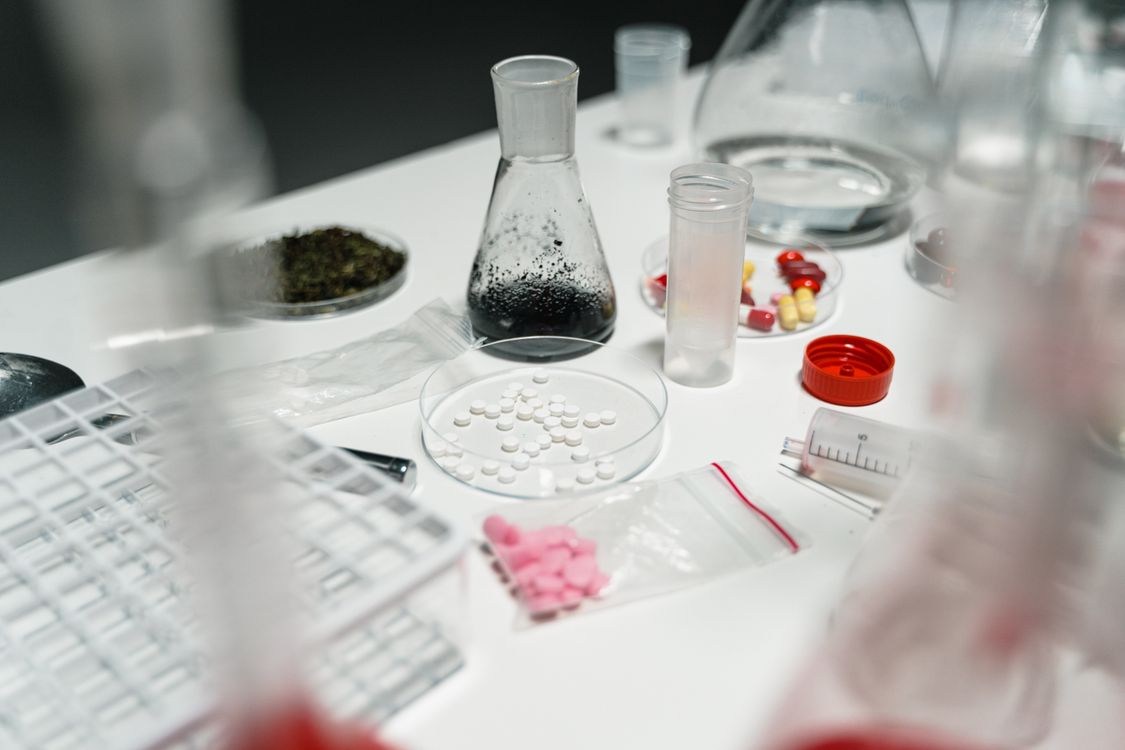
Cover: illustrative microscope research, not a named Polish institution or programme beneficiary. Photo: Tima Miroshnichenko / Pexels.
A return-to-research call, not a general relocation payment
Polish researchers working abroad have until 22 December 2026 at 15:00 Polish time to apply through a Polish host institution for Polskie Powroty NAWA 2026. Foreign Minister Radosław Sikorski highlighted the open call in his 26 November Senate address on diaspora policy. The practical opportunity is specific: funding to employ a returning researcher and build a team at an eligible Polish institution. It is not a cash allowance for anyone moving to Poland, and Polish ancestry alone does not meet the citizenship requirement.
The programme is run by NAWA, the Polish National Agency for Academic Exchange. Its formal call, numbered 30/2026 and dated 29 September, is the main document to read. The public programme page gives a useful introduction, but the call contains important details about time abroad, project length, employment and attachments. For internationally mobile households, those details can determine whether a proposed return is eligible before the academic merits are considered.
Start with the host institution, not a personal application
The applicant is the eligible higher-education or research institution in Poland that plans to employ the project leader. The researcher does not apply alone as an individual. The call identifies the permitted institutional categories under Article 7 of Poland's higher-education legislation; institutions in the additional category specified in the call must hold a scientific category from evaluation. A prospective host should have its research office check that point rather than assume every organisation doing research qualifies.
For the researcher, the first useful conversation is therefore with a potential department, institute or research group in Poland and its grants office. Agree who will submit, which career track fits, and whether the host can provide the space, equipment and administrative support the project needs. An enthusiastic academic invitation is a start, but it does not replace the institution's formal role or the documents required by NAWA.
Junior Fellow: check two different clocks
The Junior Fellow track requires Polish citizenship and a doctorate obtained no earlier than seven years before the application is submitted. It also requires internationally recognisable achievements that stand out in the context of the discipline and career stage. Simply being within seven years of a PhD is not enough.
A separate test concerns the last year before the call was announced. During that period, the candidate must have worked scientifically abroad at a qualifying foreign university, research or scientific institute, or a research department of a foreign company based outside Poland. They must also not have lived or worked in Poland during that year. The call excludes foreign research stays financed or co-financed from Poland's state budget from the qualifying foreign-work period.
These are different reference dates: the doctorate window is measured against submission, while the foreign-work and residence period is measured against the announcement. Build a dated employment and residence timeline before choosing a track. Documented parental and health-related career breaks can affect the doctorate calculation under the call's provisions. Candidates using those provisions should explain the circumstances through the application process, not assume the headline seven-year limit has no exceptions.
Senior Fellow: four years abroad and leadership evidence
The Senior Fellow track also requires Polish citizenship and at least a doctorate. Its overseas research and no-Polish-residence-or-work requirements cover the last four years before the call announcement. The same warning about Polish-state-budget-financed foreign stays applies. Candidates need a strong, internationally recognisable record appropriate to their discipline and career stage.
There is an additional leadership requirement: documented experience abroad leading a research team or at least one competitively selected research project. Individual fellowships and projects selected in a competition organised by the candidate's own foreign employer are excluded from the project route described in the call. A job title containing the word 'senior' does not settle this test. Ask the host grants office which documents demonstrate the qualifying leadership experience.
Both tracks are open across scientific fields. Researchers in the arts can participate where the planned activities have a scientific character. The photographs illustrating this article show laboratory work, but the call is not restricted to laboratory science, medicine or engineering.
What the funding figures actually mean
The maximum NAWA project funding is PLN 1,243,200 for Junior Fellow and PLN 2,377,600 for Senior Fellow. These are project ceilings, not personal take-home payments or guaranteed awards. NAWA financing covers remuneration for the project leader, the project group and the inviting person. The formal call states that salary amounts include employer costs, an important distinction when comparing an overseas salary with a proposed Polish contract.
For full-time employment, the project leader's remuneration ceiling is PLN 240,000 a year in Junior Fellow or PLN 330,000 in Senior Fellow. The group's combined annual remuneration ceiling is PLN 160,000 or PLN 250,000 respectively. The inviting person's ceiling is PLN 14,400 a year. The host should turn those limits into a realistic staffing budget. Do not divide the headline grant by the project length and treat the result as the returning researcher's salary.
The call allocates PLN 19 million to the NAWA programme, with the agency reserving the right to change the amount or not use the full allocation. Projects are assessed competitively. Eligibility, a host's willingness to apply and a budget within the ceiling do not guarantee selection.

Optional research money has a separate route
The application can include one optional component: an NCN basic-research component of up to PLN 300,000, or an NCBR applied-research and development component of up to PLN 400,000. These are alternatives, not two automatic additions to every award. NAWA evaluates the proposed component budget and whether the planned work fits the relevant research category.
Selected beneficiaries must then submit a separate simplified application to NCN or NCBR, followed by the relevant assessment, decision and agreement. The call gives each component an 18-month use period from the agreement with that agency. NCBR's own competition page confirms that its stage is for projects selected through NAWA, not a replacement first application for an individual researcher.
The programme page also mentions an opportunity for 2026 award holders to take part in a Medical Research Agency competition. That is an additional opportunity to investigate, not a promise of an automatic medical-research grant. Keep the NAWA salary budget, the optional component and any later competition separate when planning what the host can actually finance.
Project dates matter for moving plans
Projects should begin between 1 September 2027 and 1 April 2028. Junior Fellow projects can last 24 to 36 months; Senior Fellow projects 36 to 48 months. The formal call is more precise here than the programme landing page's short reference to three or four years. Results are planned by 31 July 2027, which is a planned announcement date rather than a guarantee that a particular candidate will have a contract by then.
The programme expects relocation to Poland and full-time employment at the beneficiary institution. Poland must be the project leader's centre of life during the project. This is not designed as a grant for remaining permanently employed and resident overseas while occasionally visiting a Polish laboratory.
There is also a potentially consequential interim restriction. A condition of signing the NAWA funding agreement is that the project leader does not take employment in Poland between application submission and the earlier of the director's decision or the planned results date stated in the call. The call defines Polish work to include paid employment with a Poland-based entity or paid leadership of a research grant with Polish institutional affiliation. Check an intended contract with NAWA before accepting it; do not treat the programme as permission to move first and sort out eligibility later.
Prepare the English application and the right attachments
Submission is electronic through NAWA's system. The application must be in English; the call says an application in Polish will be left without consideration. Attachments have their own language requirements, so translating everything into English without checking the list is not the right approach either.
Required documents include the submitting representative's authorisation in Polish, evidence of the doctorate in its original language, information about the invitation signed by the inviting person, English evidence confirming qualifying scientific employment abroad, and three to five of the candidate's most important scientific publications. The employment evidence should identify the position and period of employment. Check the call's signature and electronic-document requirements for the specified attachments.
A project leader can appear in only one application in this call. A host can submit for multiple different leaders. There is also a restriction involving an unresolved application with the same leader in another NAWA programme. Discuss other pending applications with the research office rather than submitting parallel proposals without checking the interaction.
A practical checklist before 22 December
First, confirm Polish citizenship, career track and the dated foreign-work and residence history. Second, secure an eligible host and inviting person who can support a real project group. Third, ask the grants office to map the salary budget, infrastructure and optional research component against the call. Fourth, collect employment evidence and signed attachments early enough for institutional review. Finally, submit through NAWA before 15:00 Polish time on Tuesday, 22 December 2026, allowing for the host's own earlier internal deadline.
NAWA lists [email protected] and +48 451 058 602 for programme questions, on working days from 10:00 to 15:00. Use that route for unusual employment histories, career breaks or timing questions before making a financial commitment. This article explains the current call, not an individual eligibility decision. For households considering a wider move, read our return tax-relief guide separately: a research award does not by itself establish tax-relief eligibility.
Frequently asked questions
Can a researcher apply without a Polish host?
No. An eligible Polish higher-education or research institution submits the application.
Is Polish ancestry enough?
No. The formal call requires Polish citizenship as well as the relevant qualifications and overseas research history.
Is the maximum project grant my salary?
No. NAWA funding covers remuneration for the project leader, group and inviting person, including employer costs. Separate ceilings and conditions apply.