Ready Hummus in Poland: Classic, Pepper and Topped Products
The essentials: Keep the full hummus variant and format. Classic, pepper jars, beetroot, toppings and divided packs have separate actual ingredient lists. Preserve nested components and only use clearly stated percentages for the product they describe.
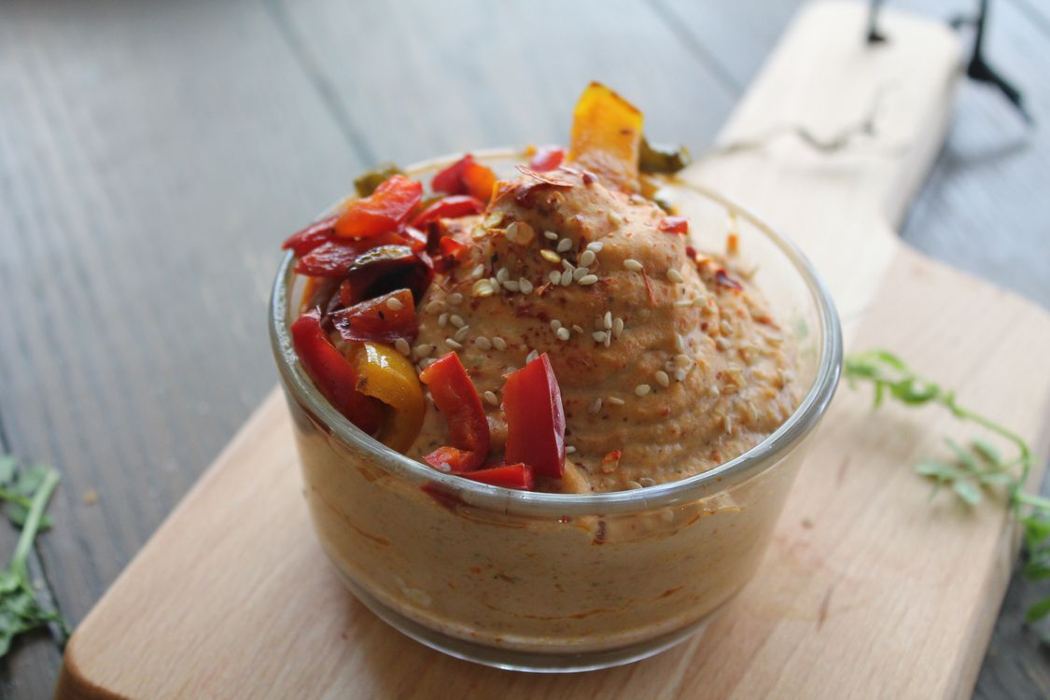
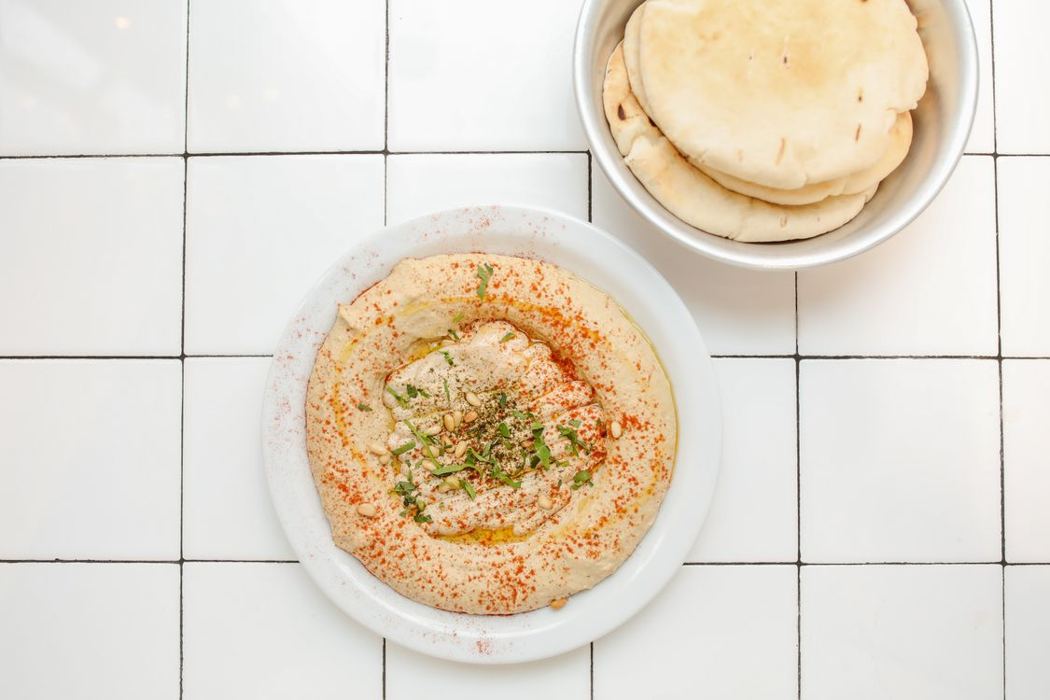
Cover: Nourishment DECODED, source photograph, Pexels License. Resized and JPEG-compressed. Hummus in a glass bowl with red pepper and sesame garnish. Illustrative serving context, not a cited brand or verified formulation.
Ready hummus in Poland is a finished chickpea spread, but a classic name, a pepper colour or a tomato topping does not establish one fixed formula. A tub, a jar and a divided flavour pack can have different ingredient statements even within the same brand. Keep the full variant and format when you choose one, particularly if you want to repeat a previous purchase.
Perla and Hummu provide the named examples below. Their producer pages show classic hummus, a pepper jar, a beetroot variant, a tomato-topped product and divided flavour packs. This is a shopping comparison of those finished formulations, not a homemade hummus recipe, a guide to pure sesame paste or a dietary ranking. The photographs are illustrative serving contexts, not verified images of the cited retail products.
Classic hummus already contains several ingredients
Perla's Hummus klasyczny page lists cooked chickpeas, with chickpeas and water inside that component, followed by water, rapeseed oil, sesame paste, spirit vinegar, salt, spices and citric acid as an acidity regulator. The page identifies 130 g and 160 g formats. Classic describes this named ready spread; it does not mean a jar containing only chickpeas or only chickpeas and sesame.
That distinction matters when your shopping list is short. If the meal needs finished hummus for a sandwich or a serving plate, this is the kind of prepared product being described. If a recipe instead specifies chickpeas and tahini as separate ingredients, buying finished hummus changes the starting mixture. The guide does not supply a substitution ratio for undoing the oil, vinegar and seasoning already present.
The captured Perla classic list does not give percentages for the cooked chickpeas or sesame paste. This guide leaves those shares unstated. It does not borrow a percentage from another producer's classic hummus or from another Perla variant. A short ingredient list is useful evidence of what is named, but it does not automatically quantify every component.
Hummu classic gives a different level of detail
Hummu's Hummus Klasyczny page states cooked chickpeas 50%, explicitly nested as chickpeas and water, plus water, rapeseed oil, tahini sesame paste 11%, salt, dried garlic and citric acid as an acidity regulator. Those shares belong to this named product. They should not be transferred to the Perla classic merely because both use the word klasyczny.
Keep the cooked-chickpea wording attached to the 50% figure. It describes the named cooked component in this formulation, not a dry-chickpea quantity for a homemade recipe. The separate water entry also remains part of the actual list. There is no need to calculate how much dry chickpea was originally used or how to recreate the tub in a kitchen.
The ingredient statement names rapeseed oil and dried garlic. Do not replace the oil with olive oil because a serving photograph shows a shiny topping, or infer fresh garlic from a general expectation about hummus. Reading the actual list preserves the purchase more reliably than completing a familiar recipe from memory. The guide has not tasted either classic product or measured their texture.
Pepper hummus in a jar has its own nested paste
Perla's Hummus paprykowy jar page identifies a 180 g product. The list starts with cooked chickpeas, then pepper paste, water, rapeseed oil, sesame paste, spirit vinegar, spices, salt and citric acid. The pepper paste itself includes red pepper and red cherry pepper, salt, sugar, spirit vinegar, acidity regulators, calcium chloride and ascorbic acid.
The pepper component is therefore already a formulation inside the finished hummus. It is not described here as a spoonful of fresh pepper added to the classic tub. Keep the nested list intact if those details affect your choice. Sugar inside the pepper paste, for example, should not be silently removed from the description merely because the guide is discussing a savoury spread.
The page does not state a pepper percentage in the captured declaration. Nor does the red-pepper name establish a measured heat level. This guide does not assign a chilli scale, promise mildness or calculate the amount of either pepper in the whole jar. It identifies the actual product and leaves missing quantities missing rather than supplying an attractive but unsupported comparison.
A divided duo is not the same as one blended recipe
Hummu's Hummus DUO Klasyczny, Paprykowy page presents separate ingredient statements for the two hummus components. The classic statement includes cooked chickpeas 50% and tahini 11%. The pepper statement names cooked chickpeas, water, rapeseed oil, tahini 10.2%, red pepper flakes 3.8%, salt, dried garlic and citric acid. This is different from Perla's nested pepper-paste jar.
There is also a transcription limit worth keeping visible. The captured Hummu pepper statement places 46.2 after cooked chickpeas but does not show a percent sign there. This guide does not silently add the missing unit or use that number in a quantitative ranking. The unambiguous tahini and pepper-flake percentages can be attributed to their own component without repairing the other field.
A duo pack's separate lists should not be averaged into an invented formula for the whole package. Nor should the pepper side's additions be presented as ingredients in every spoonful of the classic side. Save duo and both flavour names when ordering. A divided pack may suit the choice you want, but its layout is part of the product identity rather than evidence that all hummus mixtures are equivalent.
Beetroot hummus brings more than a different colour
Perla's Hummus z burakiem page identifies 130 g and 160 g formats. Its ingredients include cooked chickpeas, cooked beetroot, sesame paste, rapeseed oil, water, spirit vinegar, sugar, lactic and citric acids, grated horseradish, salt, dried garlic, ground ginger, ascorbic acid and cumin. The horseradish is another nested preparation containing root and other ingredients.
That list makes the product distinct from a classic hummus with an assumed beetroot tint. Beetroot, horseradish and the named seasonings are actual formulation details. A pink photograph by itself would not establish any of them, and it would not quantify the beetroot. The cited page does not supply a beetroot share in the captured list, so the guide does not invent one.
Keep burak and the full variant in the shopping note if this is the spread you want. A substitution with a pepper tub is a new flavour formulation, not simply a similar-coloured alternative. This comparison does not claim either is hotter, sweeter or healthier. Those would be separate judgements that the ingredient list and a stock photograph do not settle.
Bruschetta topping is a separate component
Perla's Hummus klasyczny z toppingiem bruschetta is identified as a 120 g product. Its declaration separates hummus from tomato paste. The hummus component contains cooked chickpeas, water, rapeseed oil, tahini, spirit vinegar, salt, spices and citric acid. The tomato component names semi-dried tomatoes, rapeseed oil, sesame, herbs, spirit vinegar, dried garlic and salt.
Keep those two component lists together without flattening them into a made-up uniform tomato-hummus recipe. The word topping is useful shopping information: the product combines a hummus base with another preparation. That differs from assuming the whole pack has the ingredient order of a single blended spread. The guide does not state a topping percentage because the captured producer declaration does not give one.
The page's decorative serving copy mentions olive oil, while the actual declared oils in these components are rapeseed oil. For formulation comparison, use the ingredient declaration rather than treating a generic serving suggestion as an extra ingredient. This prevents a pleasant image or short presentation sentence from changing the shopping facts supplied by the more specific list.
A trio keeps three actual lists inside one purchase
Perla's Hummus trio classic, pepper, tomato page identifies a 210 g pack and gives a separate list for each flavour. The classic component includes cooked chickpeas, water, rapeseed oil, sesame paste, spirit vinegar, spices and citric acid. The pepper component includes marinated red pepper, with its own nested vinegar, sugar, salt, acid and antioxidant statement.
The tomato component includes marinated sun-dried tomatoes, themselves described as sun-dried tomatoes, water, sugar and salt, alongside the hummus ingredients. That is not the same declared tomato component as the separate bruschetta-topped product. The pack's trio identity should remain visible rather than being shortened to tomato hummus and treated as the topped product in a different size.
The captured page does not state three equal component weights. This guide therefore does not divide 210 g into guaranteed 70 g portions or calculate a whole-pack chickpea share. A three-flavour format tells you which named components are included, not every quantitative detail about their arrangement. Check the current package where an individual compartment's amount is important to your purchase.
Compare the product you intend to eat
A useful saved order includes brand, full flavour name, tub or jar or divided format, and net contents. Add a specific percentage only when the source clearly supplies it for that actual product or component. Hummu classic's 50% cooked chickpeas and 11% tahini do not fill the missing shares on Perla pages, and the jarred pepper recipe does not automatically describe a pepper compartment in a trio.
Read the current label when an ingredient matters to your choice. These comparisons do not certify suitability for any diet or individual allergy, and they do not create a shared opened-life rule across tubs and jars. Storage and handling belong to the selected product's own instructions. A similar brand name or a familiar serving bowl is not a reason to borrow those directions from another pack.
Choose classic for the named classic formulation you want, a pepper or beetroot variant for its actual added ingredients, or a topping or divided pack for that specific format. The practical result is a shopping note that preserves the finished product rather than a vague request for chickpea dip. No homemade recipe or invented taste ranking is needed to make those choices clear.
Frequently asked questions
Does every classic hummus contain 50% cooked chickpeas?
No. Hummu states 50% for its cited classic product. Perla classic has no chickpea percentage in the captured list.
Can a trio pack be treated as three equal 70 g portions?
The cited 210 g page does not supply equal component weights, so the guide does not make that calculation.
Is a bruschetta topping the same as blended tomato hummus?
The cited Perla topped product declares hummus and tomato preparation as separate components.