Clothing Alterations in Poland: Tailors, Quotes and Complaints
The essentials: Search for uslugi krawieckie or przerobki krawieckie. Agree the exact alteration, materials, total price and collection date before leaving clothes. Keep the job ticket and photos; raise faults in writing and seek local consumer advice if the remedy is disputed.
A broken zip or trousers that drag on the pavement do not necessarily mean buying another garment. In Poland, search for usługi krawieckie or przeróbki krawieckie to find clothing repairs and alterations. The useful question is more specific than "Do you do tailoring?": can this workshop make the particular change you need, to this fabric, by your collection date?
A clear handover matters more than a long Polish vocabulary. Agree the finished result, the total price, materials and timing before leaving your clothes. For a valuable coat or an outfit for a fixed event, ask for written confirmation and enough time for a fitting and any correction. This guide was checked on 27 October 2026. Workshop examples illustrate how services are described; they are not a recommendation or a guaranteed local quote.
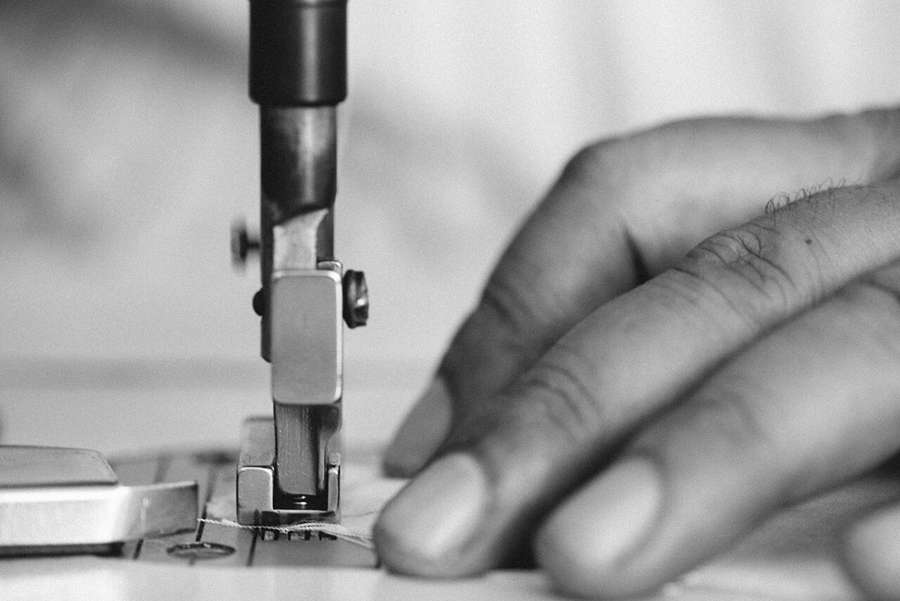
Cover: tailor at work, Sajid213, Wikimedia Commons, CC BY-SA 3.0. Resized, same licence. Illustrative photograph, not a named Polish workshop.
Find the service, not just the word "tailor"
A krawiec is a tailor; krawcowa is the feminine form. A pracownia krawiecka is a tailoring workshop. Add your district or town to the search rather than assuming every dry cleaner also does alterations. If a cleaner accepts work for another business, ask which business actually performs it and handles complaints.
Useful job descriptions include skracanie spodni, shortening trousers; zwężanie, taking in or narrowing; wymiana zamka, replacing a zip; and wymiana podszewki, replacing a lining. Szycie na miarę means made-to-measure sewing, not simply adjusting something you already own. Confirm which of those services the shop offers before travelling with a bulky coat.
Vendor menus show why the exact description matters. Serce na miarę distinguishes straight shortening, cuffs and jeans shortened while preserving the original hem. Turkusowy Zamek separates sleeve shortening with a cuff from other sleeve work and lists lining replacement separately. A request for "shorter" is therefore only the start of the discussion.
Bring the garment and explain the finished result
Ask the workshop whether it needs an appointment or can assess the garment during opening hours. A photograph can help explain the problem, but treat a remote estimate as provisional until the person doing the work has inspected it. Ask whether there is a charge for assessment if you decide not to proceed.
For a fitting, bring the shoes or layers you intend to wear with the garment. This is a practical preparation suggestion, not a rule imposed by every shop. Describe the result you want: trousers that clear a particular shoe, a jacket that closes comfortably over your usual shirt, or a zip that works without changing the visible style. Ask the tailor to confirm what is feasible before cutting begins.
Do not assume fabric can be added simply because taking it away looks easy. Ask whether the proposed change has enough seam allowance and whether existing marks, buttonholes or wear will remain visible. For technical outdoor clothing, leather or an expensive formal outfit, ask about experience with that material and any limits on the proposed repair. A refusal may be more useful than an unrealistic promise.
Turn the fitting into a clear order
Warsaw's municipal consumer guidance recommends identifying the business, defining the work and materials, recording a completion date and agreeing the price. It explains that oral agreements can be binding, but written terms or an email make the agreement easier to prove. You do not need to demand a complex contract for every hem; you do need a shared understanding of the job.
Before handing over clothes, record:
- the number and description of items, including existing damage;
- the exact alteration and the finish you agreed;
- who supplies the zip, lining, buttons or fabric;
- the total price or the basis for the final quote;
- the fitting and collection dates, including the year;
- how the workshop must obtain approval for extra work.
Photograph the garment's condition and the area being changed. Keep the order ticket and any messages together. For an event outfit, write down the actual deadline rather than saying "before the weekend". Ask whether the stated date means ready for a fitting or ready to take away. Those are different milestones.
Read "from" prices and material exclusions carefully
Published menus are useful for understanding the job, not for establishing a national Polish price. Od means "from". Turkusowy Zamek's menu explicitly excludes the zip from several zip-replacement prices and excludes the lining material from lining-replacement entries. Krawiecka Perfekcja also lists different kinds of trouser shortening rather than one universal hem service.
Ask "Jaka będzie cena całości, z materiałami?": "What will the total price be, including materials?" Then ask whether the figure is fixed for the agreed work or an estimate requiring confirmation after inspection. Clarify whether additional fittings or urgent work cost extra. Do not substitute an online starting price for an actual quote on your garment.
Warsaw's consumer guidance distinguishes a fixed overall remuneration from an estimate based on planned work. It also explains that additional work under an estimate requires the customer's agreement in the circumstances it describes. The practical protection is to say, in writing, that the workshop must contact you before changing the scope or increasing the agreed cost. If the quote changes, ask why before agreeing, rather than arguing about an unseen price list at collection.
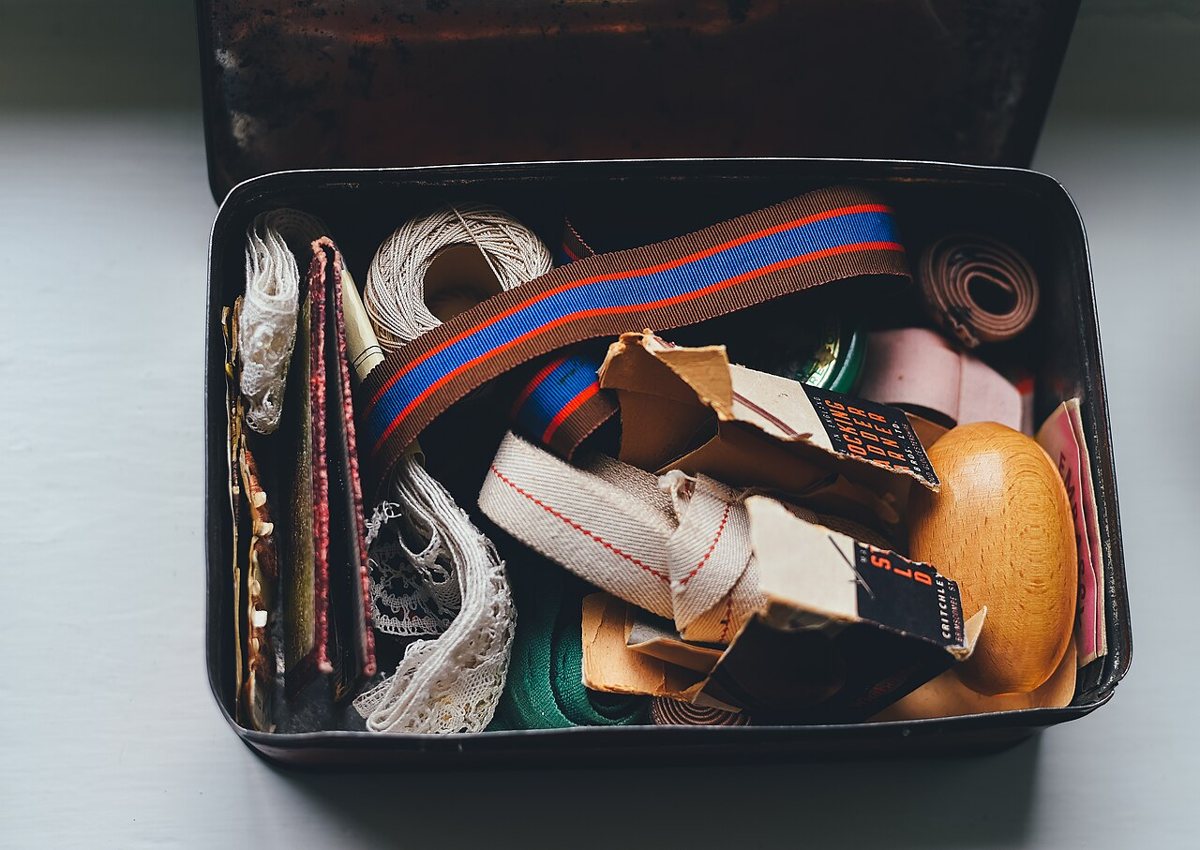
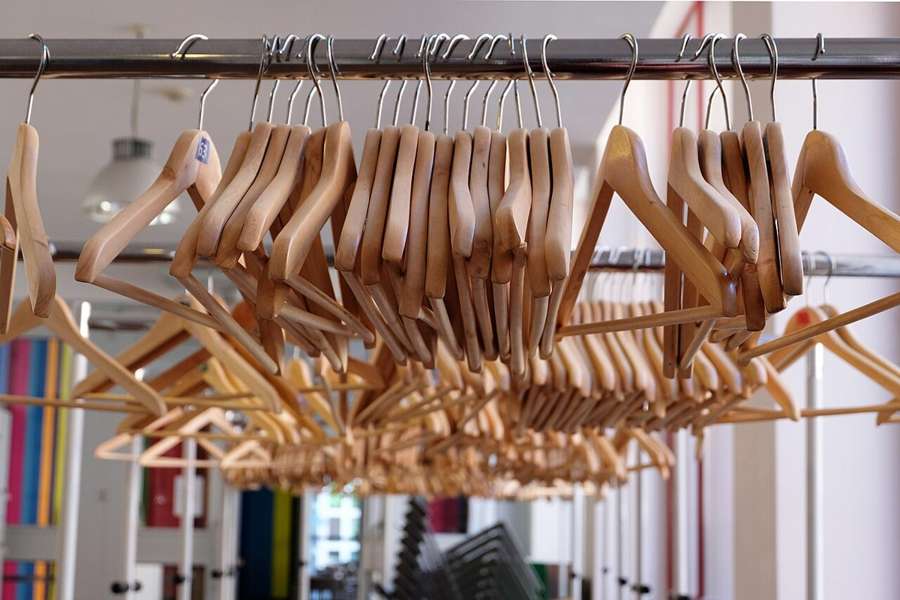
Photo: Annie Spratt, Wikimedia Commons, CC0. Resized. Illustrative supplies, not materials included in any workshop's price.
Be precise about advance payments
If the workshop requests money in advance, get a receipt showing the amount, what it covers and the remaining balance. Ask how cancellation, unsuitable supplied material and a missed deadline will be handled. Do not assume that the English word "deposit" tells you the legal effect of a Polish payment.
Municipal consumer guidance distinguishes zaliczka, an advance towards the price, from zadatek, which can carry different consequences if the agreement is not performed. The outcome depends on the terms and circumstances. For a substantial payment, especially on bespoke work, read that wording before paying and seek consumer advice if it is unclear. A translation app can help with vocabulary, but is not a substitute for understanding a payment condition.
Check the result while you are still there
At collection, compare the work with the order rather than checking only that the garment is in the bag. Ask to try it on if the alteration concerns fit. Look at both legs or sleeves, the agreed length and finish, and any area you specifically discussed. Try a replacement zip gently and check that the lining has not been caught. These are inspection suggestions, not a claim that every possible defect will be obvious immediately.
If something differs from the agreement, point it out calmly and ask the workshop to record the issue. Separate a new preference from a failure to do the agreed job: wanting a different length after changing shoes is not the same as receiving a different length from the one ordered. Ask whether the next appointment is a complaint correction or a newly priced alteration.
Keep proof of payment and the job ticket after collection. If a problem appears later, photograph it before another repair changes the evidence. For an urgent event, ask a second workshop for an assessment if needed, but do not assume its bill will automatically be recoverable from the first.
If work is late or the clothes are damaged
Write to the business with the order date, garment, agreed work, price and deadline. State the specific problem and what you want it to do. Attach copies of relevant messages and photographs; keep the originals. Warsaw's guidance recommends complaints in writing or by email so the content, date and requested remedy can be evidenced.
A useful opening is "Składam reklamację usługi krawieckiej", meaning "I am making a complaint about the tailoring service". Follow it with facts, not just "the result is bad". For example, identify which hem differs from the agreed measurement or which zip still does not operate. Ask for a written response and keep delivery evidence.
Avoid importing a single internet rule into every tailoring dispute. Creating a new made-to-measure garment, altering an existing item and causing separate damage can raise different legal questions. Tychy's consumer office distinguishes a result that is a movable thing from other work, and UOKiK's main complaints page addresses goods not conforming to the contract. Neither justifies promising an automatic refund or applying every goods remedy mechanically to an alteration.
Where to get help as a foreign resident
The national government's consumer-help page covers private purchases from a business, rather than company purchases or transactions with a private individual. It points to local municipal or district consumer ombudsmen, the Trade Inspection and other appropriate routes. Its page was last updated on 13 January 2026 and was checked for this guide on 27 October 2026.
Use that official page to find the right local contact. Send a short chronology, the business's details, the order terms, payment evidence and your complaint. Ask which rules and remedy fit your particular job, especially before cancelling an expensive order or paying someone else to finish it. Confirm language support directly; an English-language article does not mean every office or workshop offers English service.
Frequently asked questions
What should I search for to shorten trousers in Poland?
Search for "skracanie spodni" with your town or district. Ask whether the quoted service includes the finish you want, such as a cuff or preservation of the original jeans hem.
Does a zip-replacement price include the new zip?
Not necessarily. Some workshop menus explicitly say "cena bez zamka", meaning the price excludes the zip. Confirm the full price, materials and who supplies them before authorising work.
Do I need a written contract for a small alteration?
Oral agreements can be binding, but a job ticket or email recording the garment, work, price and deadline is much easier to use if a dispute arises. Keep condition photographs and proof of payment too.
Is an advance payment always refundable?
Do not assume so. Ask whether it is described as zaliczka or zadatek and read the cancellation terms. The wording and reason the work is not completed can matter; seek advice on a substantial disputed payment.
Can I complain if an alteration damages my clothes?
Yes, raise the problem with the business in writing and preserve evidence. The appropriate remedy depends on the agreement and damage. A local consumer ombudsman can help identify the right route rather than assuming an automatic refund.
Sources
- Warsaw municipal consumer office: professional services, checked 27 October 2026
- Tychy consumer office: contracts for a result, page dated 17 October 2018, checked 27 October 2026
- Gov.pl consumer help, updated 13 January 2026
- UOKiK goods complaints guidance, checked 27 October 2026
- Turkusowy Zamek service menu, checked 27 October 2026
- Serce na miare service menu, checked 27 October 2026
- Krawiecka Perfekcja service menu, checked 27 October 2026